
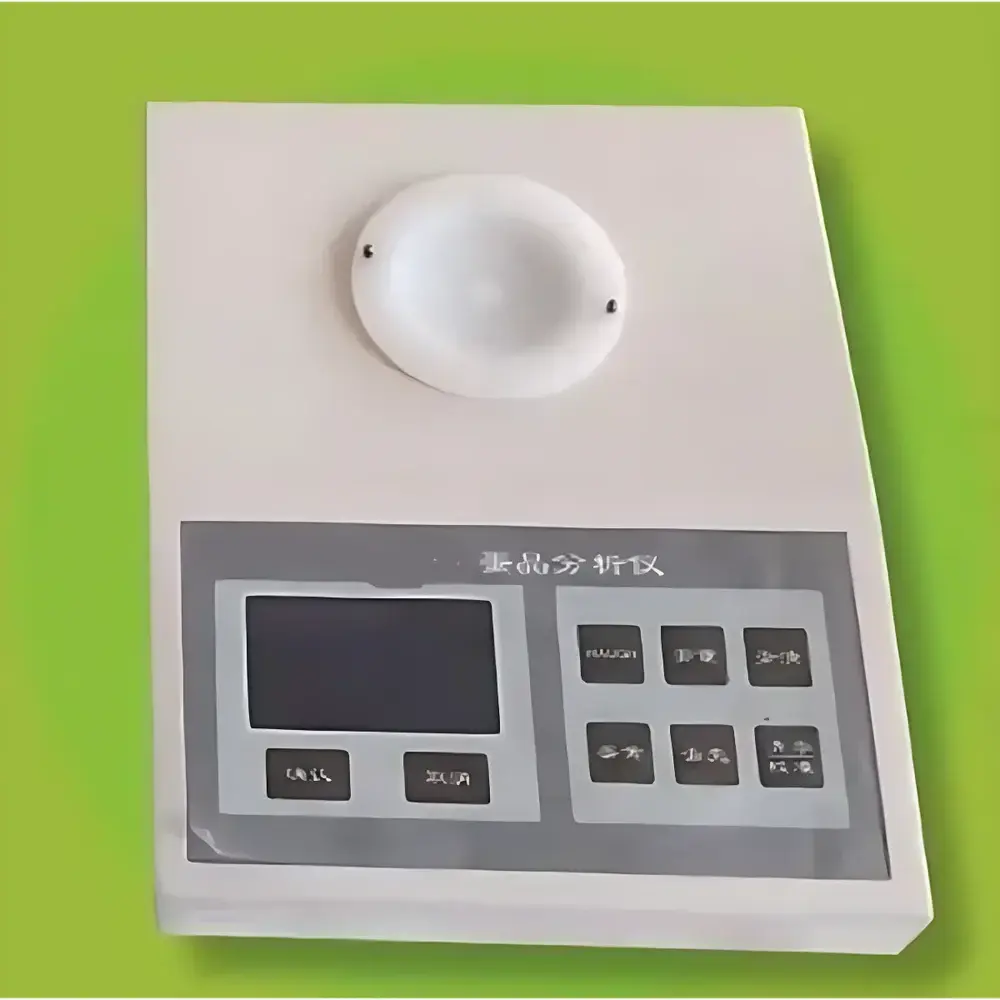
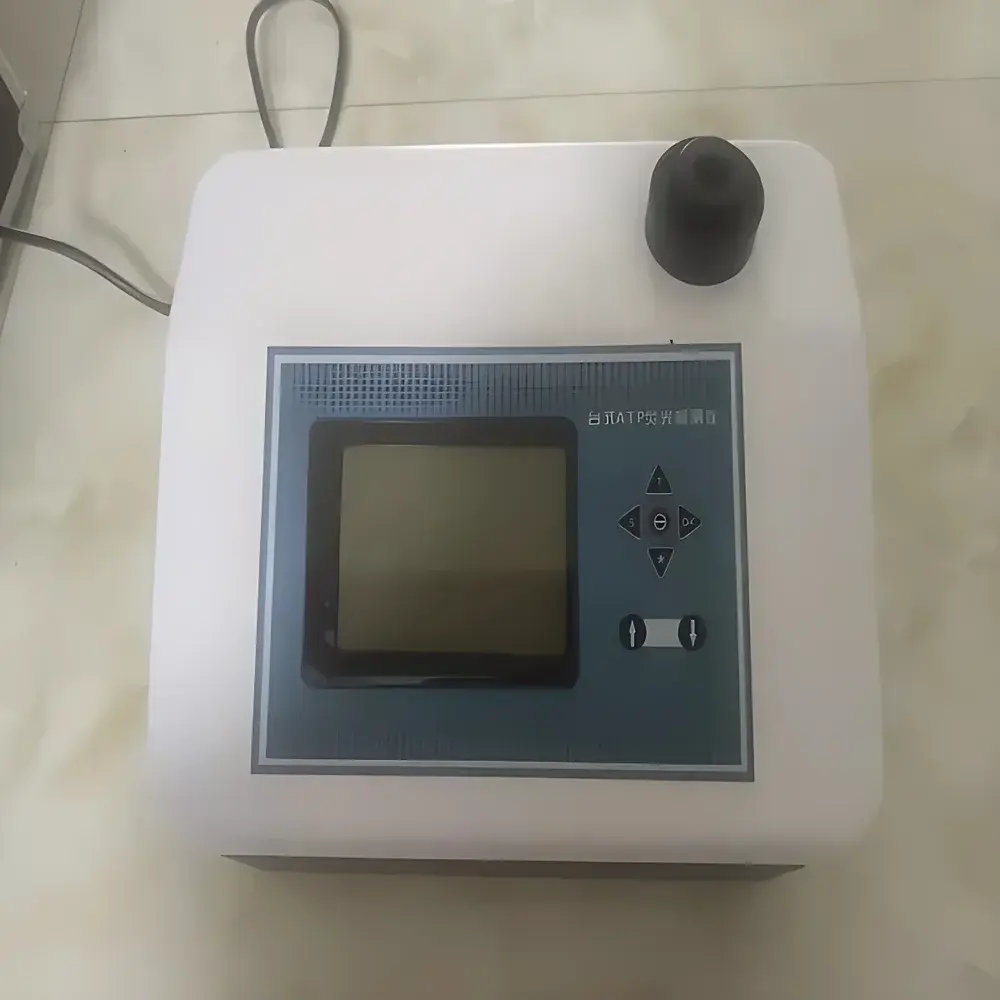
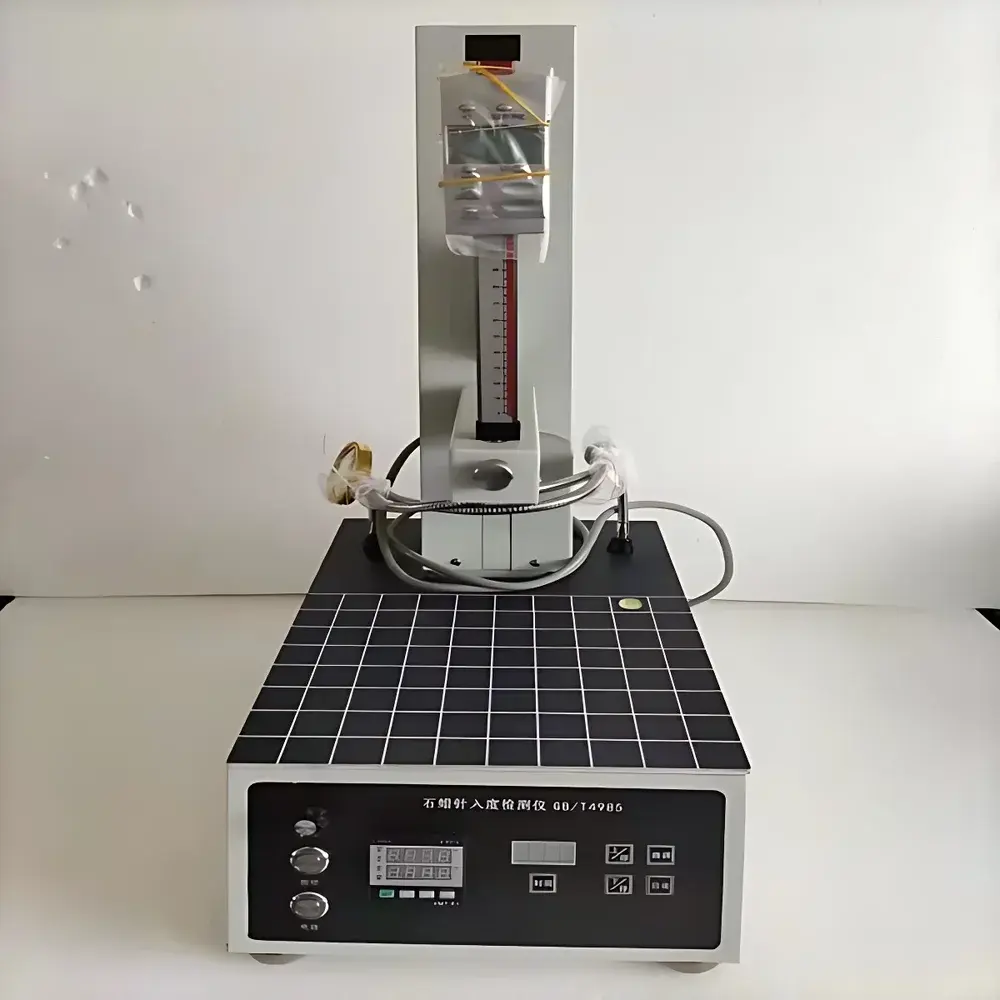
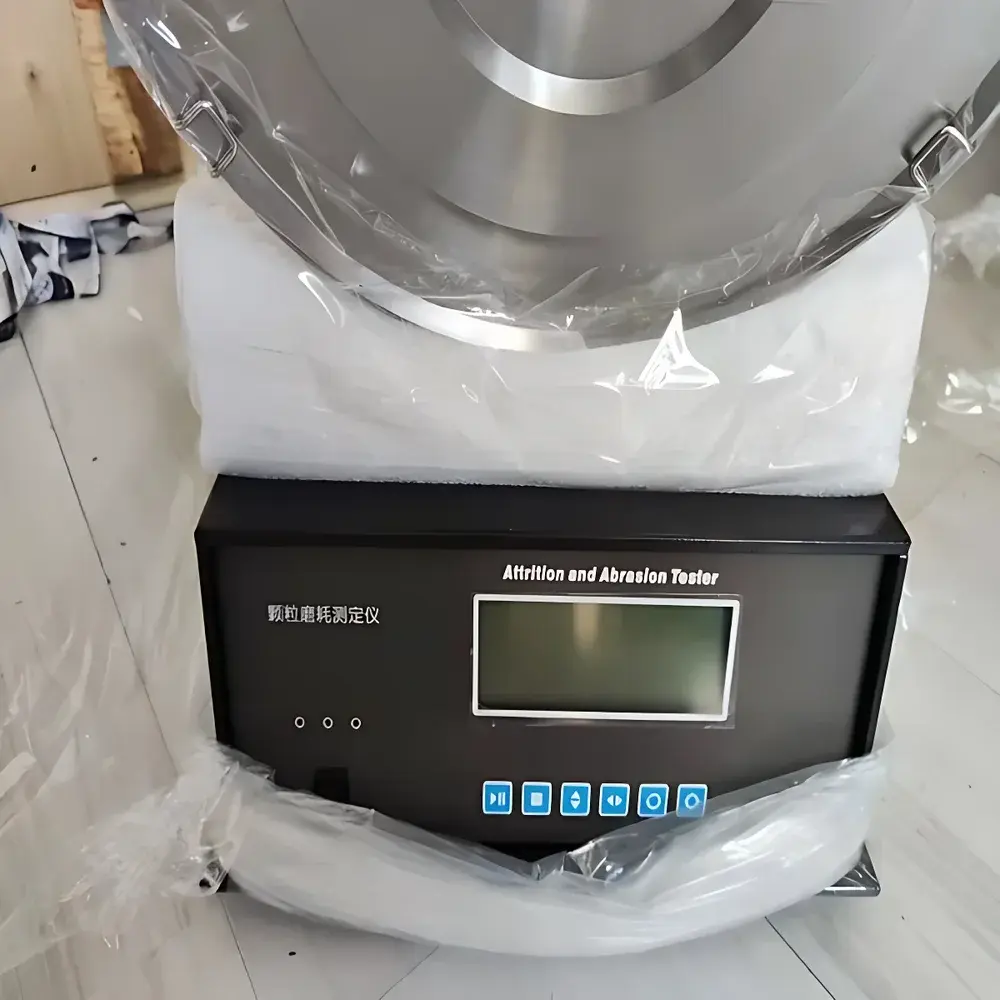
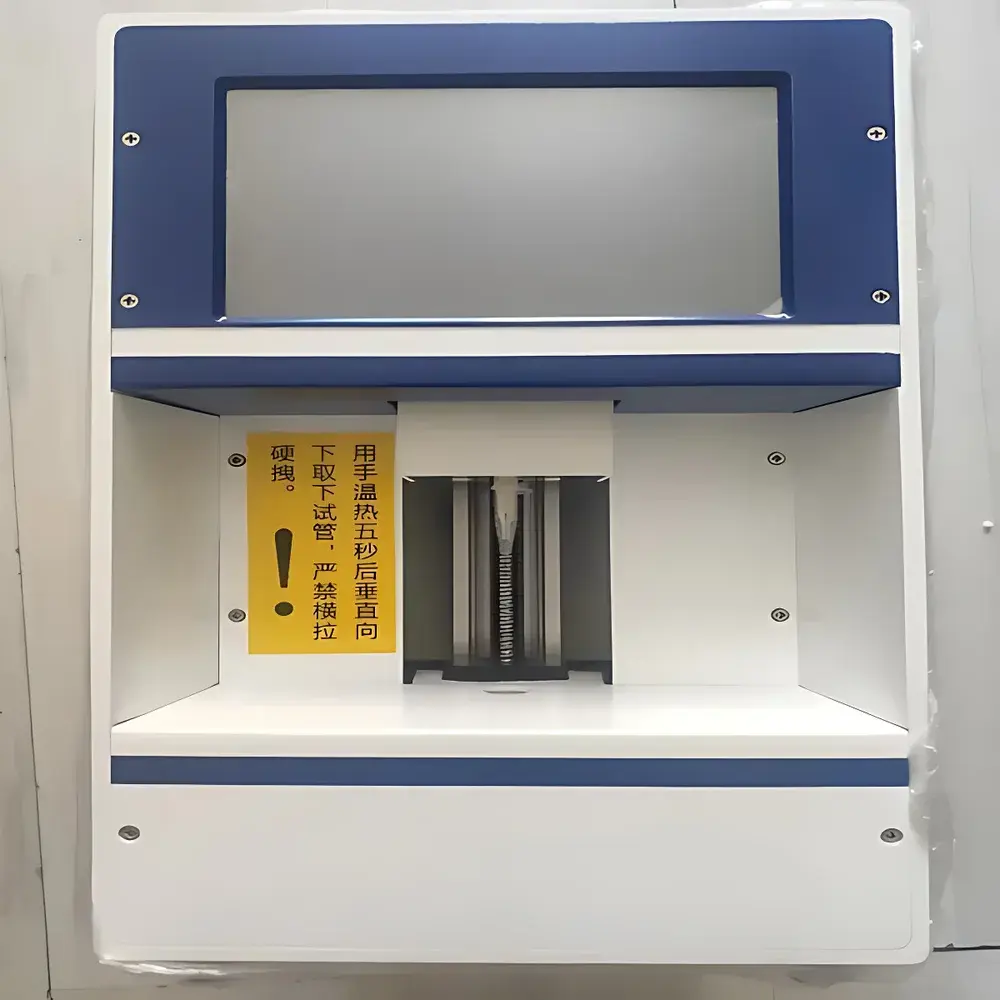
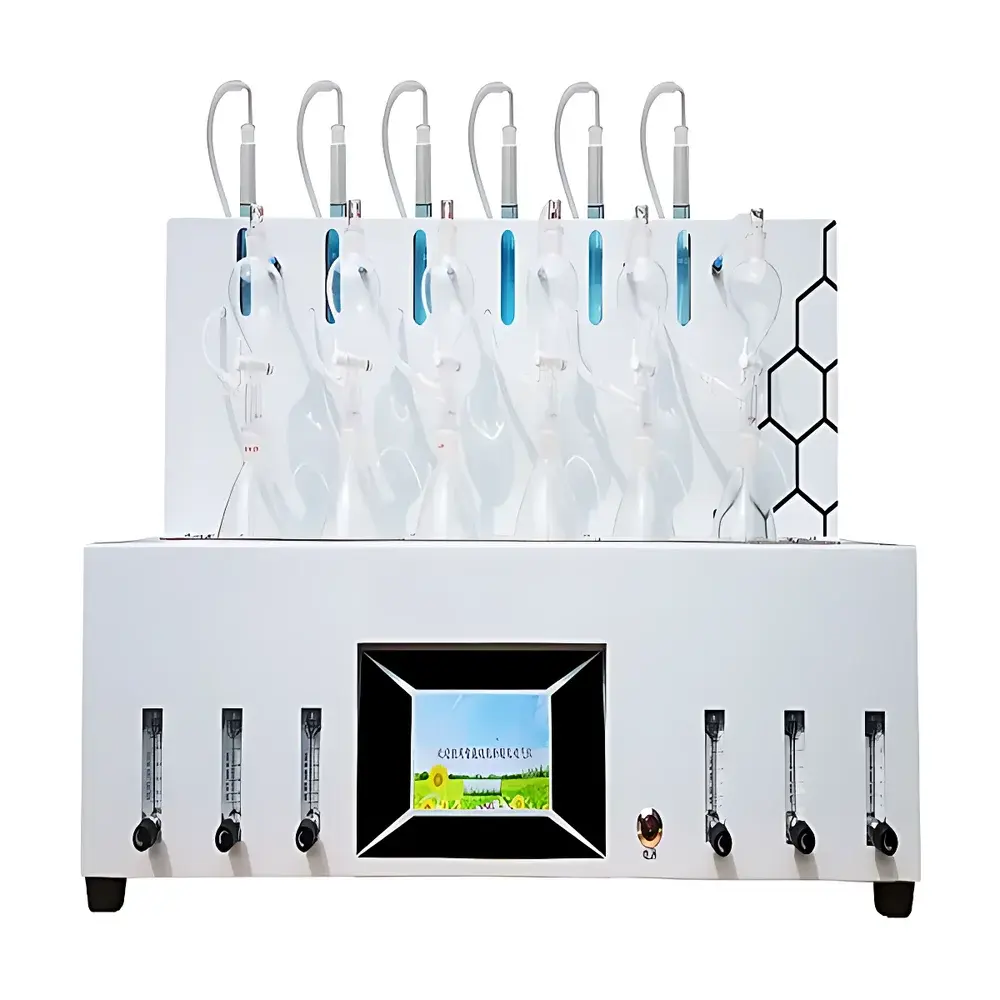
HengaoDe HAD-N25L Multi-Parameter Egg Quality Analyzer with Integrated Albumen Height, Yolk Color, and Shell Thickness Measurement | Desktop ATP Bioluminescence Analyzer (Model H17930) | Asphalt Penetration Tester (Model H17929) | Catalyst Attrition & Sieving Instrument (Model H17928)
| Brand | HengaoDe |
|---|---|
| Origin | Beijing, China |
| Manufacturer Type | Authorized Distributor |
| Country of Origin | China |
| Model | HAD-N25L / H17930 / H17929 / H17928 |
| Price | USD 1,720 (FOB Beijing) |
| Power Supply | AC 220 V ±10%, 50 Hz |
| Compliance | ASTM D4058-15, JTG E20 T0604, GB/T 4509, GB/T 4985, GB/T 269, GB/T 29220, SH/T 0165-92, GB/T 16489-1996, HJ/T 60-2000 |
Overview
The HengaoDe Multi-Function Laboratory Instrument Platform integrates four independently validated analytical modules into a cohesive benchtop system designed for quality control laboratories in food science, petrochemical R&D, catalyst manufacturing, and environmental testing. This platform comprises: (1) the HAD-N25L Egg Quality Analyzer—engineered for objective, non-destructive assessment of avian egg integrity using precision displacement transduction; (2) the H17930 Desktop ATP Bioluminescence Analyzer—based on firefly luciferase–luciferin enzymatic reaction kinetics to quantify adenosine triphosphate (ATP) as a proxy for viable microbial load; (3) the H17929 Asphalt Penetration Tester—operating per the standard cone penetration principle under controlled thermal and mechanical conditions per ASTM D5, ISO 2857, and JTG E20; and (4) the H17928 Catalyst Attrition & Sieving Instrument—designed per ASTM D4058-15 to simulate mechanical wear and particle size distribution analysis of granular catalysts and carriers. Each module maintains full regulatory traceability, independent calibration pathways, and modular interchangeability without cross-contamination risk.
Key Features
- Modular architecture enabling standalone or coordinated operation of all four analyzers via shared power management and ergonomic bench integration.
- HAD-N25L: Dual-mode digital sensor array (capacitive + optical edge detection) for simultaneous albumen height (0.00–25.00 mm, ±0.01 mm resolution), yolk color (CIE L*a*b* derived from calibrated RGB illumination), and shell thickness (0.1–1.2 mm, ±0.02 mm) measurement; auto-switching probe interface detects contact mode (liquid vs. solid surface) to trigger appropriate algorithmic processing.
- H17930: Photomultiplier tube (PMT)-based detector with <1.5 s response time; RLU quantification range 0–999,999 (equivalent to ~0–1 fmol ATP); built-in EIA-232 and USB 2.0 interfaces support GLP-compliant audit trails and 21 CFR Part 11–compatible data export.
- H17929: Precision stainless-steel penetration cone (100 g, 30° apex angle), digitally stabilized temperature bath (±0.1 °C uniformity over 150 × 180 mm glass cylinder), magnetic stirring (500 rpm), and automated depth registration (0.01 mm resolution).
- H17928: Dual-function chamber: attrition mode (25–100 rpm programmable rotation, 1–9999 revolutions, stainless-steel 254 mm × 152 mm drum with Ra < 6.4 µm surface finish); sieving mode (1–9 Hz vibration frequency, 1–9999 s duration, 20-mesh standard sieve included).
Sample Compatibility & Compliance
The platform accommodates diverse physical states and regulatory contexts. The HAD-N25L accepts intact hen, duck, or quail eggs (40–80 g) on its adjustable acrylic stage with four-point leveling; no pre-cracking required. The H17930 processes swab extracts, rinse water, or liquid food homogenates (50–100 µL volume) in standard luminometer tubes. The H17929 handles bituminous binders (penetration range 0–600 dmm), paraffin waxes, greases, and semi-solid food matrices including margarine and cheese analogs. The H17928 accepts catalyst pellets (0.5–5 mm diameter), extrudates, and ceramic supports. All instruments conform to ISO/IEC 17025 documentation requirements and support third-party calibration verification. CE marking is pending; factory calibration certificates include NIST-traceable reference standards.
Software & Data Management
Each instrument includes dedicated Windows-compatible software (v3.2+) supporting raw data logging, statistical summarization (mean, SD, CV%), trend charting, and report generation in PDF/CSV/XLSX formats. The HAD-N25L software implements automatic sample ID generation and batch tracking with timestamped operator login. The H17930 software enables user-defined pass/fail thresholds (up to 250 limit sets), real-time RLU histogram visualization, and automated flagging of out-of-spec results. All modules store ≥4,000 test records locally with battery-backed memory retention. Data export complies with FDA 21 CFR Part 11 Annex 11 requirements: electronic signatures, audit trail activation, and role-based access control are configurable. USB mass storage mode permits direct file transfer without proprietary drivers.
Applications
- Egg processing facilities: Routine QC of albumen height (Haugh units), yolk pigmentation (Roche Yolk Color Fan correlation), and shell structural integrity for grading compliance (USDA AMS, EU Regulation 589/2008).
- Food service sanitation monitoring: ATP surface swab validation per NSF/ANSI 154 and AIB International standards; post-cleaning verification in dairy, meat, and bakery environments.
- Petroleum labs: Bitumen consistency grading (Pen 60/70, 80/100), wax hardness profiling, and grease NLGI classification per ASTM D217.
- Catalyst manufacturers: Attrition loss quantification for FCC, hydroprocessing, and SCR catalysts; particle size distribution analysis pre- and post-fluidized-bed testing.
- Environmental labs: Sulfide recovery efficiency studies (when paired with HAD-C600ST acidification unit), osmolality screening of biological fluids (H17927), and heavy metal speciation (HAD-BA Ba²⁺ analyzer).
FAQ
Is this system compliant with GLP and GMP documentation requirements?
Yes—each module provides full audit trail functionality, electronic signature support, and calibration log archiving aligned with OECD GLP Principles and ICH GCP Annex 11.
Can the HAD-N25L measure eggs from non-chicken species?
It has been validated for duck, turkey, and quail eggs; goose and ostrich require custom calibration due to shell curvature and membrane thickness variation.
What is the minimum detectable ATP concentration for the H17930?
The instrument reliably detects ≥5 × 10⁻¹⁸ mol ATP per assay (≈5 fmol), corresponding to ~10³ CFU/mL for typical bacterial suspensions.
Does the H17929 support alternative penetration weights or cones?
No—it is configured exclusively for the standard 100 g / 30° cone per JTG E20 and GB/T 4509; modification voids calibration validity.
How is inter-module interference prevented during concurrent operation?
Each analyzer operates on isolated power circuits with shielded signal lines; physical spacing ≥30 cm between units eliminates electromagnetic or thermal crosstalk.




