
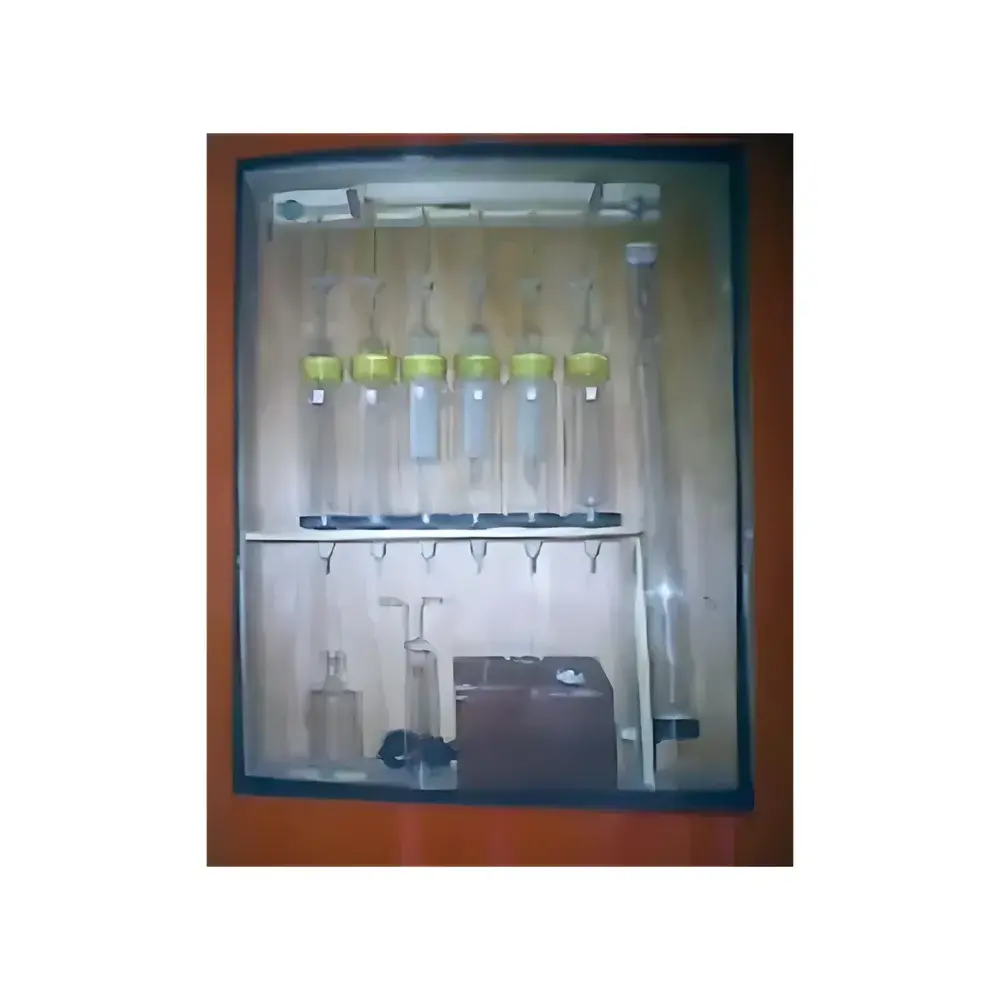
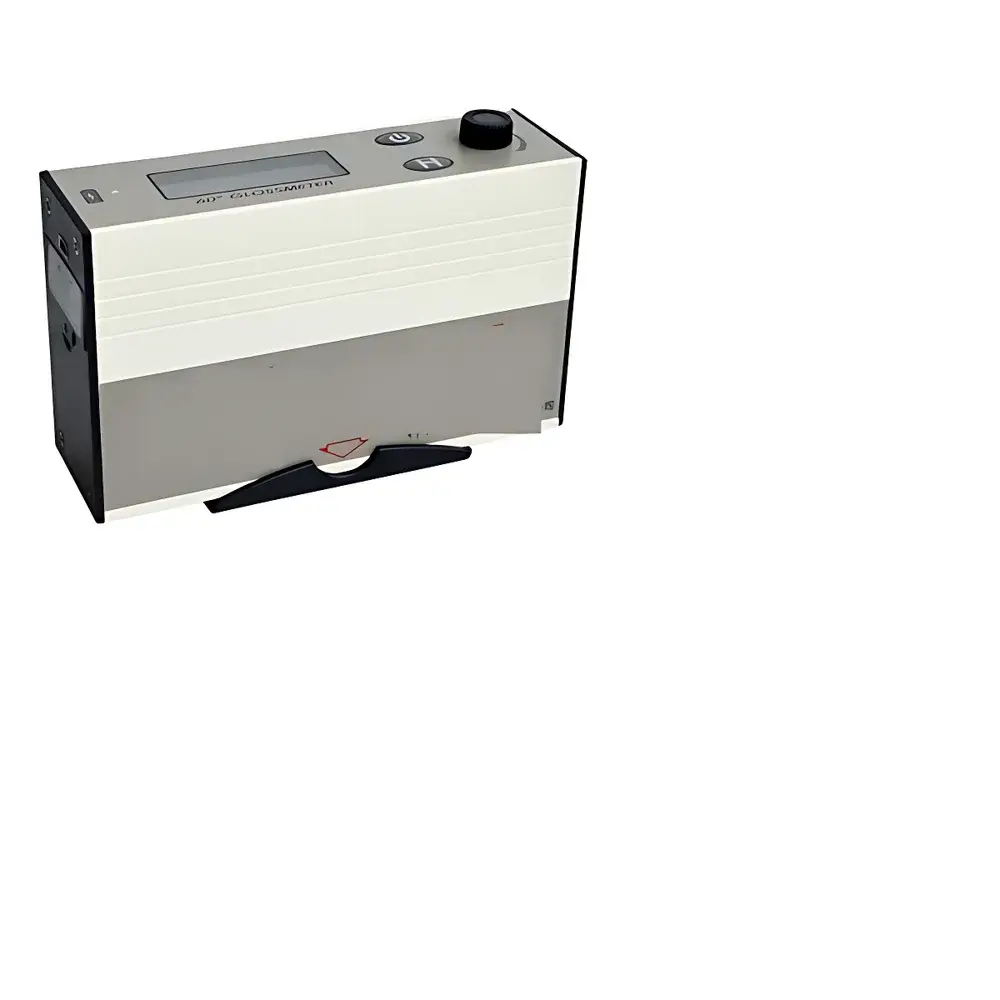
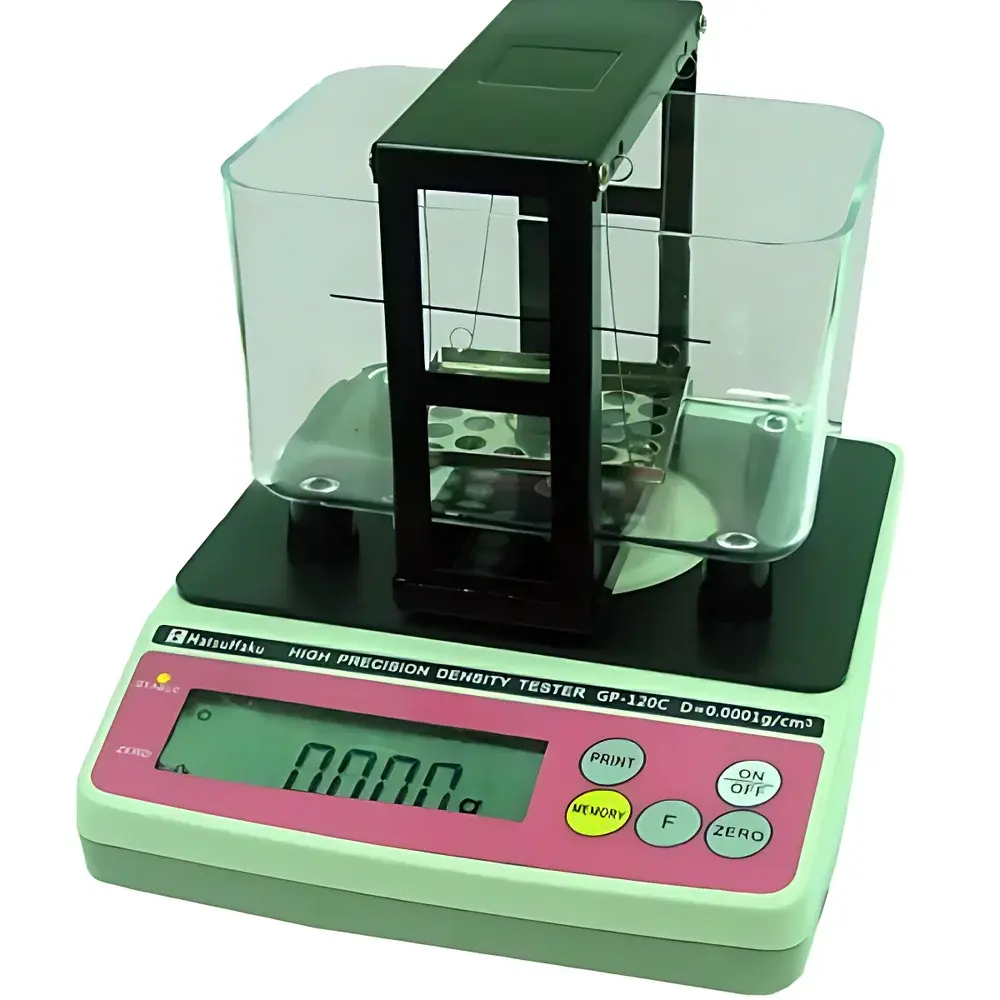
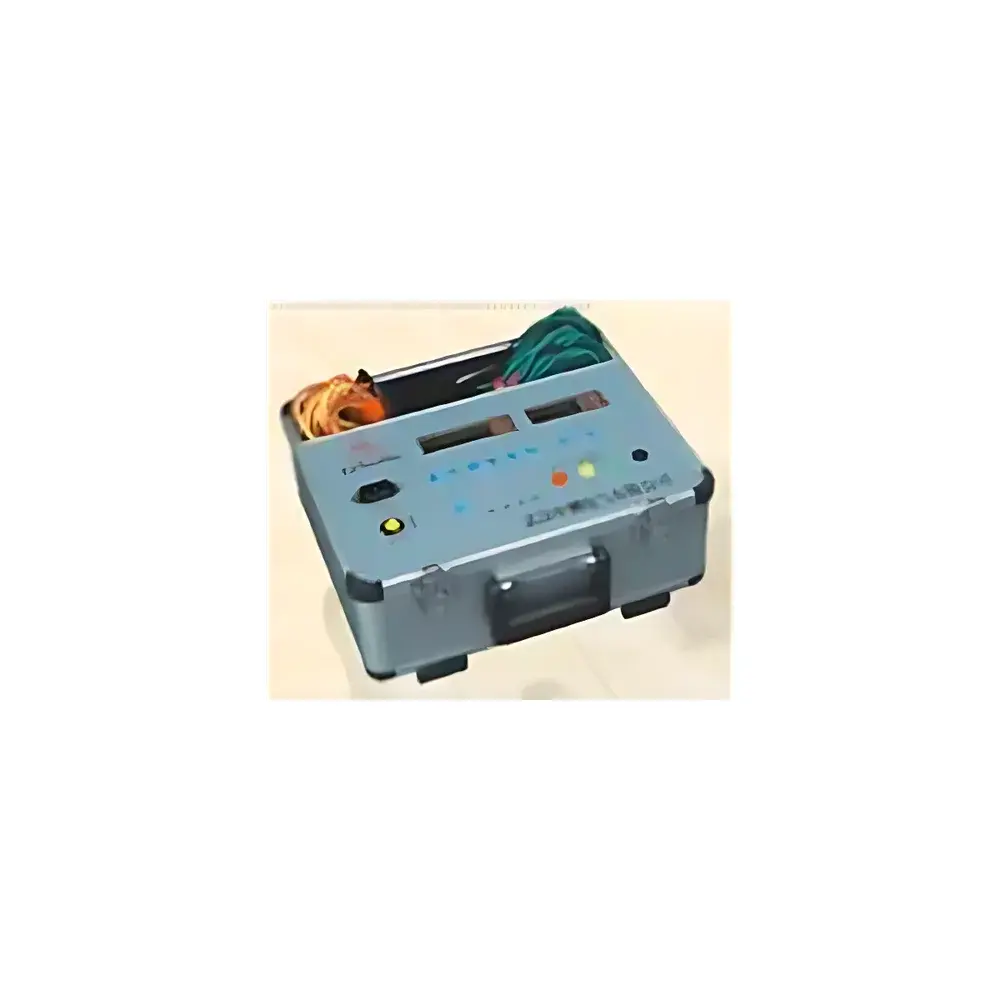
HengaoDe JMC-1907 Multi-Function Laboratory Instrument Suite: Orsat Gas Analyzer, Gloss Meter, Microplate Reader, Solid & Powder Density Analyzer, DC Resistance Tester, Portable Airborne Particle Counter
| Brand | HengaoDe |
|---|---|
| Origin | Beijing, China |
| Manufacturer Type | Authorized Distributor |
| Country of Origin | China |
| Model | JMC-1907 |
| Price | USD 42.50 (FOB) |
Overview
The HengaoDe JMC-1907 Multi-Function Laboratory Instrument Suite is a modular, benchtop-configurable system designed for routine quality control, materials characterization, and environmental monitoring in industrial laboratories, academic research facilities, and regulatory-compliant testing environments. It integrates nine distinct analytical modules—each engineered to ASTM, ISO, GB/T, and JIS standards—into a unified platform architecture that supports traceable, repeatable measurements across gas composition, surface optical properties, biochemical absorbance, solid/powder density, electrical resistance, airborne particulate concentration, VOC sampling, asphalt wax content, and anaerobic microbiological incubation. The suite does not represent a single instrument but a validated collection of interoperable, calibration-maintainable devices sharing common mechanical mounting interfaces, power management protocols (12 V DC / 220 V AC dual-input), and documentation frameworks aligned with GLP and ISO/IEC 17025 laboratory accreditation requirements.
Key Features
- Orsat-type gas analysis module (JMC-1907-1 to JMC-1907-12): Implements platinum-wire catalytic combustion (for O₂) and potassium hydroxide absorption (for H₂) per ASTM D1946 and ISO 8573-3; includes dual 100 mL calibrated eudiometers, twin 250 mL leveling bulbs, contact-type absorption bottles, and combustion tubes with Pt filament assemblies.
- Gloss meter (WGG60-ES3): Complies with ISO 2813 and ASTM D523; utilizes a 60° geometry with Ø20 mm measurement spot; features rechargeable Li-ion battery supporting >24 h continuous operation; calibrated traceably to NIST-traceable ceramic standards.
- Microplate reader: Dual-beam photometric system with 450 nm and 492 nm interference filters (interchangeable up to 8 positions); meets CLSI EP17-A2 sensitivity thresholds; RS-232 interface supports LIMS integration and 21 CFR Part 11–compliant audit trails via optional software.
- Solid & powder density analyzer: Measures apparent density per ASTM D792 and true density per ASTM C97-02 using Archimedean immersion principles; includes temperature-compensated digital balance (0.001 g resolution) and vacuum desiccator for pore-free sample saturation.
- DC resistance tester: Four-range micro-ohmmeter (1 µΩ–20 kΩ) with automatic arc suppression; employs constant-current sourcing (2 A to 0.002 A) and four-wire Kelvin sensing; conforms to IEC 61000-4-3 immunity standards.
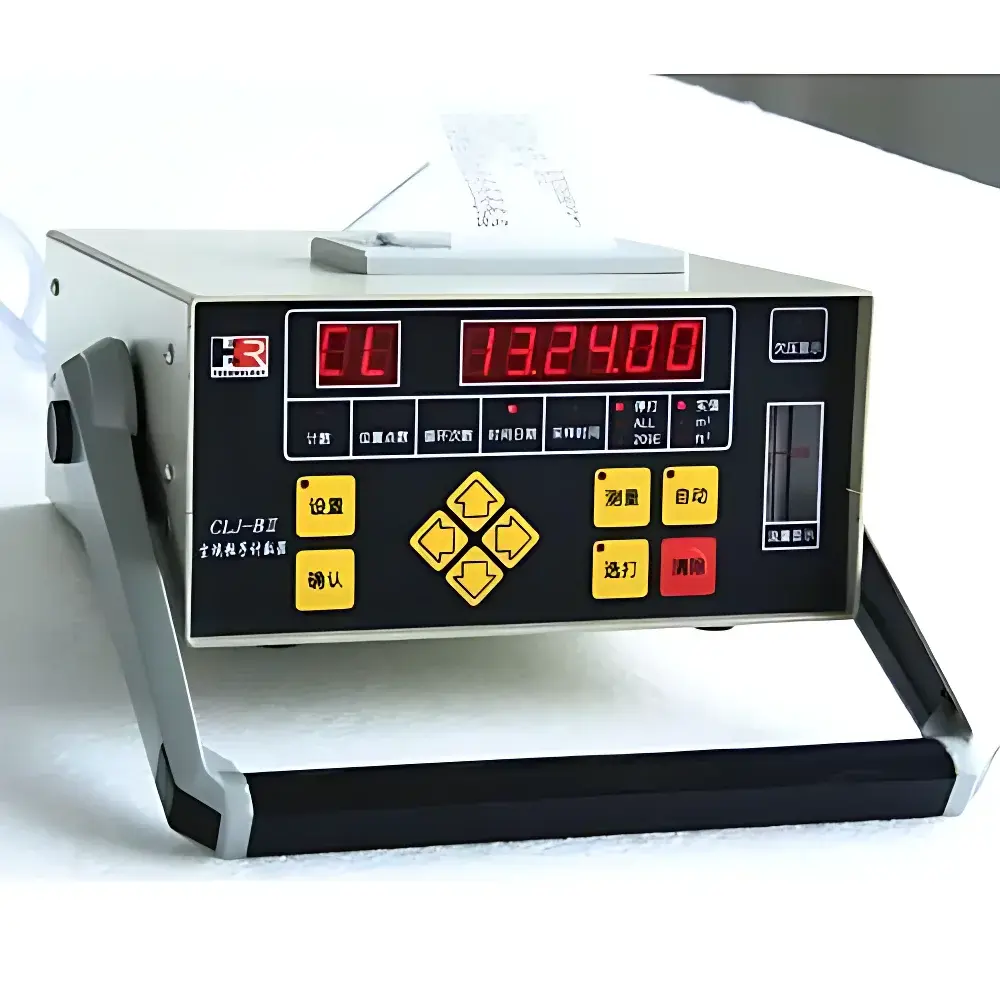
- Portable airborne particle counter (CSJ-BII(J)): ISO 21501-4 compliant; detects particles ≥0.3 µm with 50% counting efficiency; flow rate: 0.1 CFM (2.83 L/min); data logging internal memory (≥10,000 records).
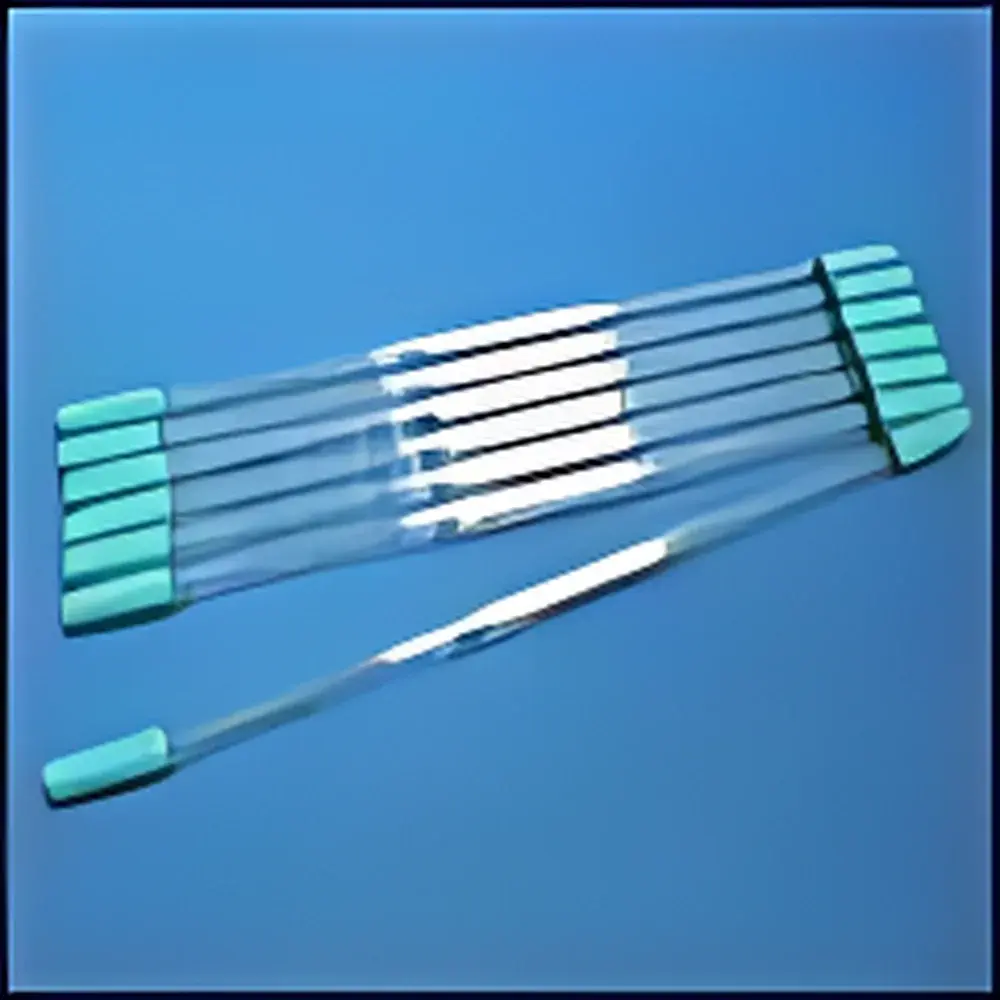
- TVOC sampling tubes: Stainless steel or borosilicate glass tubes packed with 100–200 mg Tenax-TA adsorbent (US EPA TO-17 certified); supplied with certificate of analysis and blank verification data.
Sample Compatibility & Compliance
All modules are validated for use with non-hazardous, non-corrosive, non-radioactive samples within specified physical limits (e.g., max. 100 °C for gloss meter substrate exposure; ≤500 g mass for density analyzer). The Orsat analyzer requires dry, non-condensable gas streams; the microplate reader accepts standard 96-well polystyrene or UV-transparent plates; the particle counter operates within ISO Class 5–8 cleanroom ambient conditions. Regulatory alignment includes ASTM D1946 (gas analysis), ISO 2813 (gloss), CLSI EP17-A2 (microplate precision), ASTM D792/C97-02 (density), IEC 61000-4-3 (EMC), and US EPA Method TO-17 (VOC sampling). No module is intended for in vivo, clinical diagnostic, or explosive atmosphere applications.
Software & Data Management
The suite operates without proprietary firmware lock-in: the microplate reader exports CSV via RS-232; the particle counter generates .txt logs compatible with Excel and MATLAB; the resistance tester displays real-time current/voltage values with timestamped manual save. Optional HengaoDe LabLink™ v3.2 software (sold separately) provides centralized calibration tracking, multi-instrument report generation (PDF/Excel), electronic signature support, and audit trail export meeting FDA 21 CFR Part 11 Subpart B requirements. All instruments include factory calibration certificates with uncertainty budgets referenced to national metrology institutes.
Applications
Typical deployment scenarios include: hydrogen purity verification in electrolyzer QC labs (Orsat module); gloss uniformity assessment of quarried stone slabs prior to export (gloss meter); ELISA assay validation in food safety testing (microplate reader); polymer powder bulk density determination for extrusion feedstock qualification (density analyzer); contact resistance mapping of busbar welds in EV battery pack assembly (resistance tester); cleanroom classification per ISO 14644-1 (particle counter); indoor air quality baseline studies for LEED certification (TVOC tubes); asphalt wax content quantification for pavement performance modeling (SH/T 0425 compliance); and strict-anaerobe culture maintenance in microbiology R&D (anaerobic chamber).
FAQ
Is the JMC-1907 Orsat analyzer suitable for measuring CO₂ or CO?
No. This configuration is optimized exclusively for H₂/O₂ binary mixtures in hydrogen production systems. For CO/CO₂ analysis, a separate infrared or electrochemical sensor module is required.
Can the WGG60-ES3 gloss meter measure metallic surfaces?
It is calibrated for non-metallic, diffuse-reflecting surfaces per ISO 2813. Metallic or highly specular finishes require a 20°/85° geometry instrument per ISO 7724-2.
Does the microplate reader support kinetic assays?
No. It is a fixed-time endpoint reader only. Kinetic functionality requires upgrade to the JMC-1907-MK variant with integrated timer-controlled read cycles.
What is the recalibration interval for the DC resistance tester?
Annual calibration is recommended per ISO/IEC 17025; field verification using NIST-traceable shunt resistors (1 mΩ, 1 Ω, 1 kΩ) should be performed before each test session.
Are TVOC sampling tubes supplied pre-conditioned?
Yes. All Tenax-TA tubes undergo thermal desorption preconditioning (320 °C × 30 min under He purge) and are sealed under inert gas with documented blank levels ≤0.5 ng benzene equivalent.






