
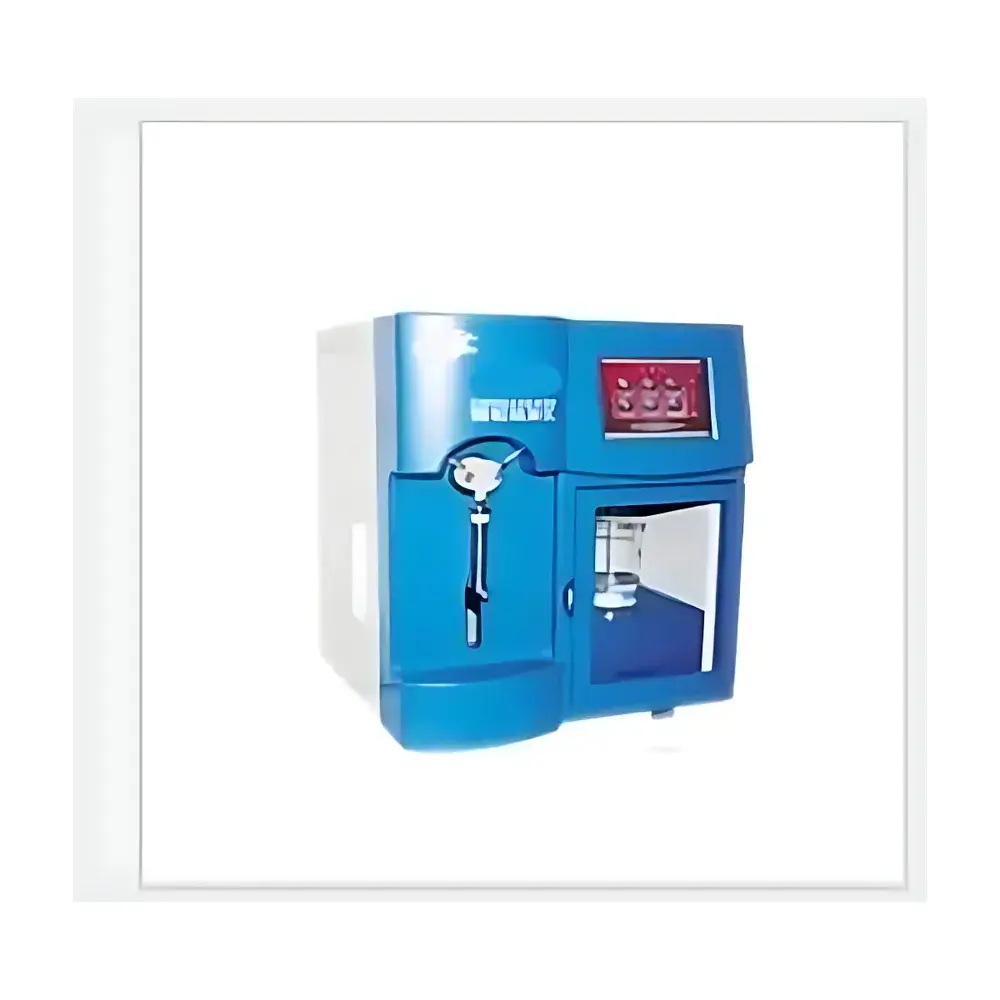
HengaoDe H18059 Portable Hot-Dip Coating System, FJ-317E Handheld Gamma Radiation Survey Meter, HDLBJ-7 Electrostatic Baghouse Leak Detector, D25X105A Radioactive Remote Handling Tongs, W-20 Aluminum Alloy Barcol Hardness Tester, PGM-7340 Portable TVOC Analyzer
| Brand | HengaoDe |
|---|---|
| Origin | Beijing, China |
| Manufacturer Type | Authorized Distributor |
| Country of Origin | China |
| Model | H18059 (coater), FJ-317E (gamma), HDLBJ-7 (leak detector), D25X105A (tongs), W-20 (hardness tester), PGM-7340 (TVOC) |
| Temperature Range (coater) | RT–200 °C |
| Dip Speed | 1–20,000 µm/s |
| Speed Resolution | 1 µm/s |
| Immersion Time | 0–9999 s |
| Coating Cycles | 1–9999 |
| Inter-coat Delay | 0–9999 s |
| Linear Thrust | 20 N |
| Control Accuracy | ≤0.5% |
| Gamma Detection Range | 0–100,000 µGy/h (5 ranges) |
| Energy Response | 0.3–2 MeV |
| Response Time (T90) | ≤5 s (fast), ≤60 s (slow) |
| Basic Error | ≤±20% (full scale), ≤±30% (highest range) |
| Dust Concentration Range (leak detector) | 0–1000 mg/m³ |
| Particle Size Detection | 1–80 µm |
| Pipe Diameter | 0.1–3 m |
| Sensor Temp Limit | <260 °C |
| Operating Temp | −30–80 °C |
| Hardness Range (W-20) | 0–20 HW |
| Accuracy | ±0.5 HW |
| Equivalent Scale | 20–110 HRE |
| TVOC Detection Principle | PID (10.6 eV lamp standard) |
| Range | 1 ppb–10,000 ppm |
| Resolution | 1 ppb / 0.01 ppm / 0.1 ppm / 1 ppm |
| T90 Response | 2 s |
| Accuracy | ±3% at 10–2000 ppm isobutylene |
| Calibration | Dual-point or three-point zero/span |
| Output | 4–20 mA, RS485, relay contacts |
| Power | Rechargeable Li-ion (PGM-7340) |
Overview
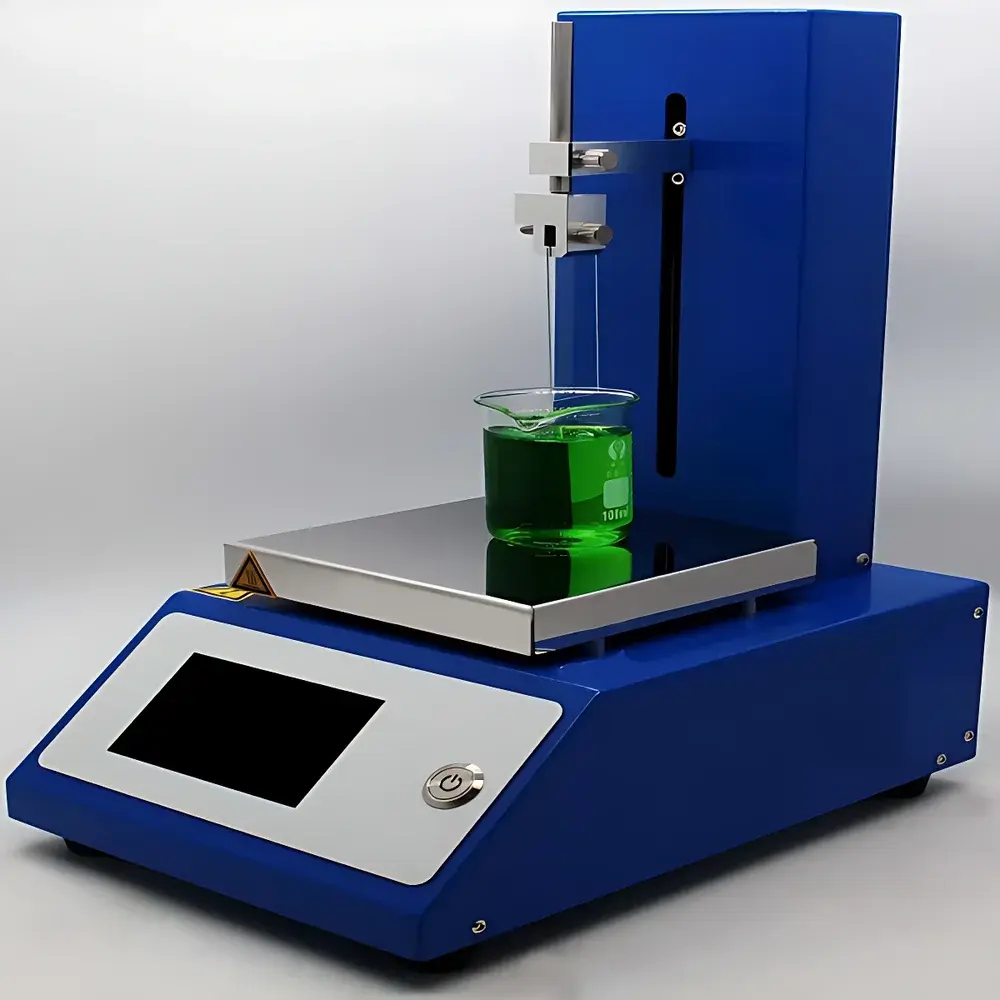
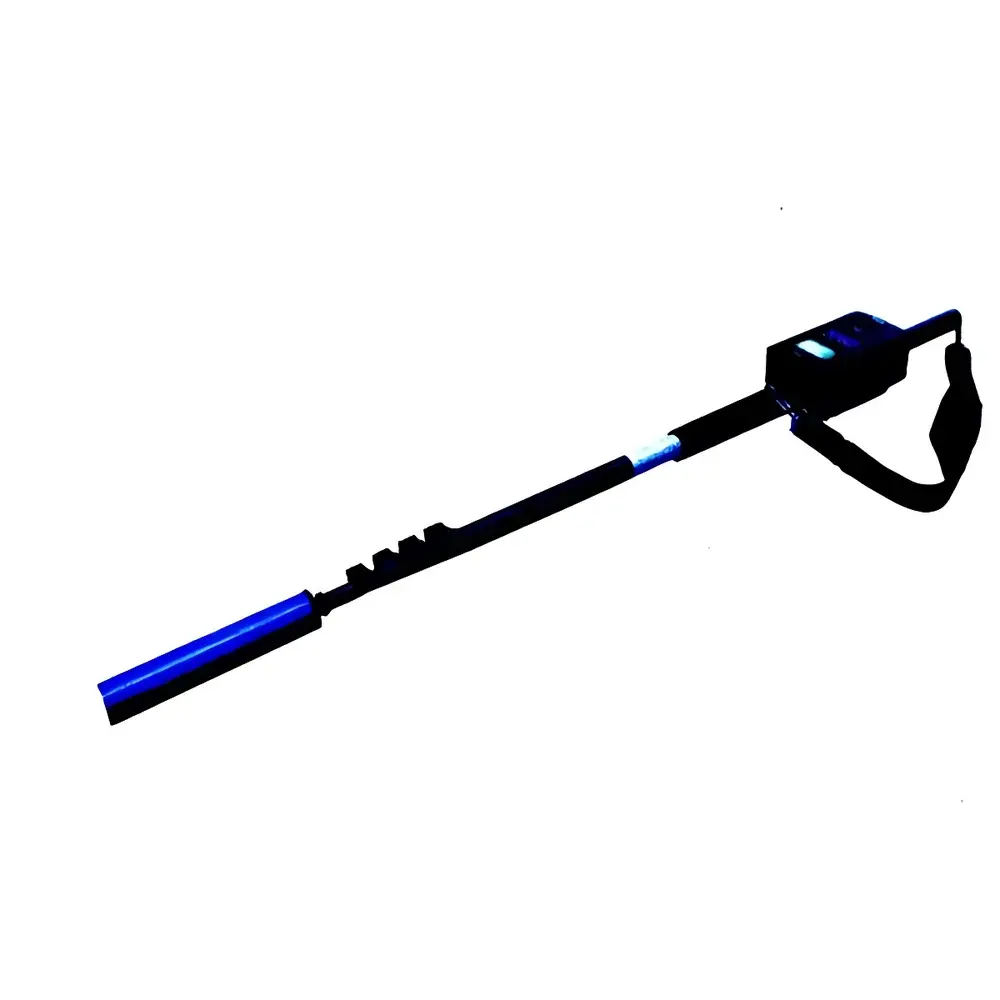
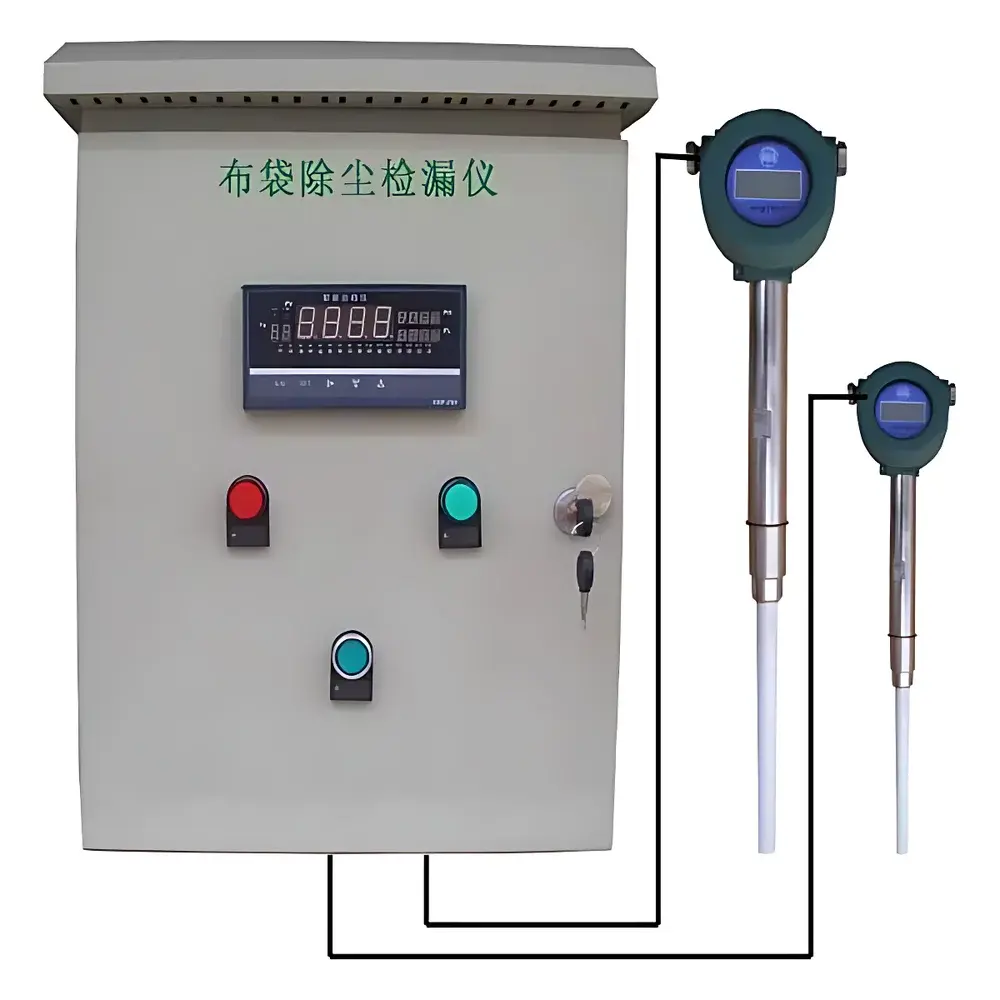
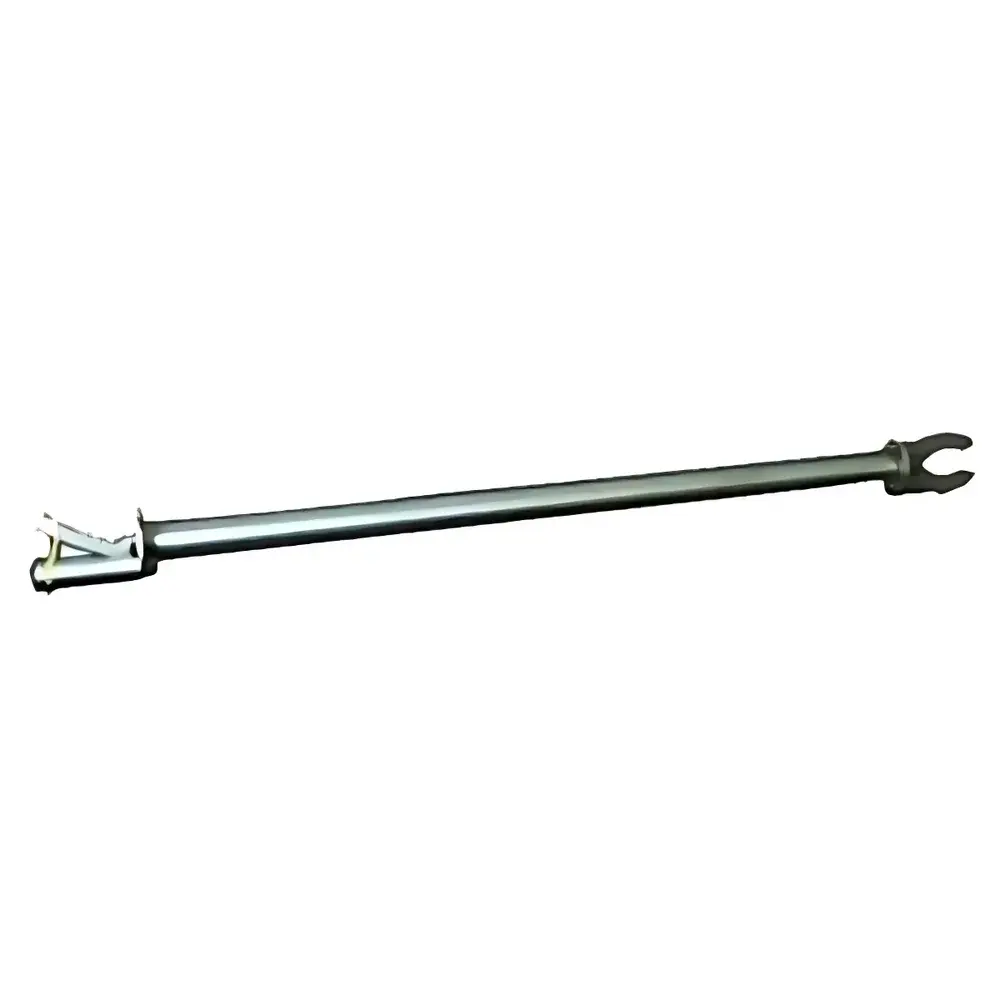
This integrated product suite comprises six distinct, field-deployable scientific instruments designed for industrial process monitoring, radiation safety, material quality control, and environmental compliance. The H18059 Portable Hot-Dip Coating System employs precision-controlled vertical immersion and withdrawal to deposit uniform thin films via sol-gel or nanoparticle suspension techniques—operating on the principle of controlled meniscus breakage and capillary-driven film formation. The FJ-317E Handheld Gamma Radiation Survey Meter utilizes a Geiger-Müller (GM) tube detector with dual interchangeable probes (J305 β/γ and J613 γ-only), enabling dose rate measurement across five decades (0–100,000 µGy/h) under variable energy response (0.3–2 MeV). The HDLBJ-7 Electrostatic Baghouse Leak Detector operates on triboelectric charge induction: real-time monitoring of electrostatic field fluctuations in dusty gas streams enables early detection of filter bag breaches without physical intrusion. The D25X105A Radioactive Remote Handling Tongs are constructed from radiation-resistant aerospace-grade stainless steel, rated for continuous exposure to α, β, and γ emissions—designed for ALARA-compliant manipulation of radioactive sources in hot cells or shielded workstations. The W-20 Aluminum Alloy Barcol Hardness Tester applies standardized indentation force via spring-loaded anvil and indenter, conforming to YS/T 420 (China) and ASTM B647 (USA) for non-destructive hardness verification of extruded, rolled, or cast aluminum products. The PGM-7340 Portable TVOC Analyzer implements third-generation photoionization detection (PID) with selectable UV lamps (9.8/10.6/11.7 eV), delivering ppb-level sensitivity across >220 VOC compounds—calibrated per IEC 60079-29-1 and compliant with OSHA PEL and ACGIH TLV methodologies.
Key Features
- H18059 Coater: Programmable dip speed (1–20,000 µm/s) with 1 µm/s resolution; temperature-stabilized hotplate (RT–200 °C); repeatable linear actuation (≤0.5% control accuracy); 300 mm vertical travel stroke.
- FJ-317E Radiation Meter: Dual-probe compatibility; telescoping extension rod (292 mm, Ø22 mm) for remote probe positioning; high-temp probe operation (up to 60 °C); fast/slow integration modes for transient vs. equilibrium dose assessment.
- HDLBJ-7 Leak Detector: Multi-channel capability (8/10/12 zones per unit); simultaneous monitoring of individual baghouse compartments and main duct concentration; alarm-triggered 4–20 mA analog output and dry-contact relays.
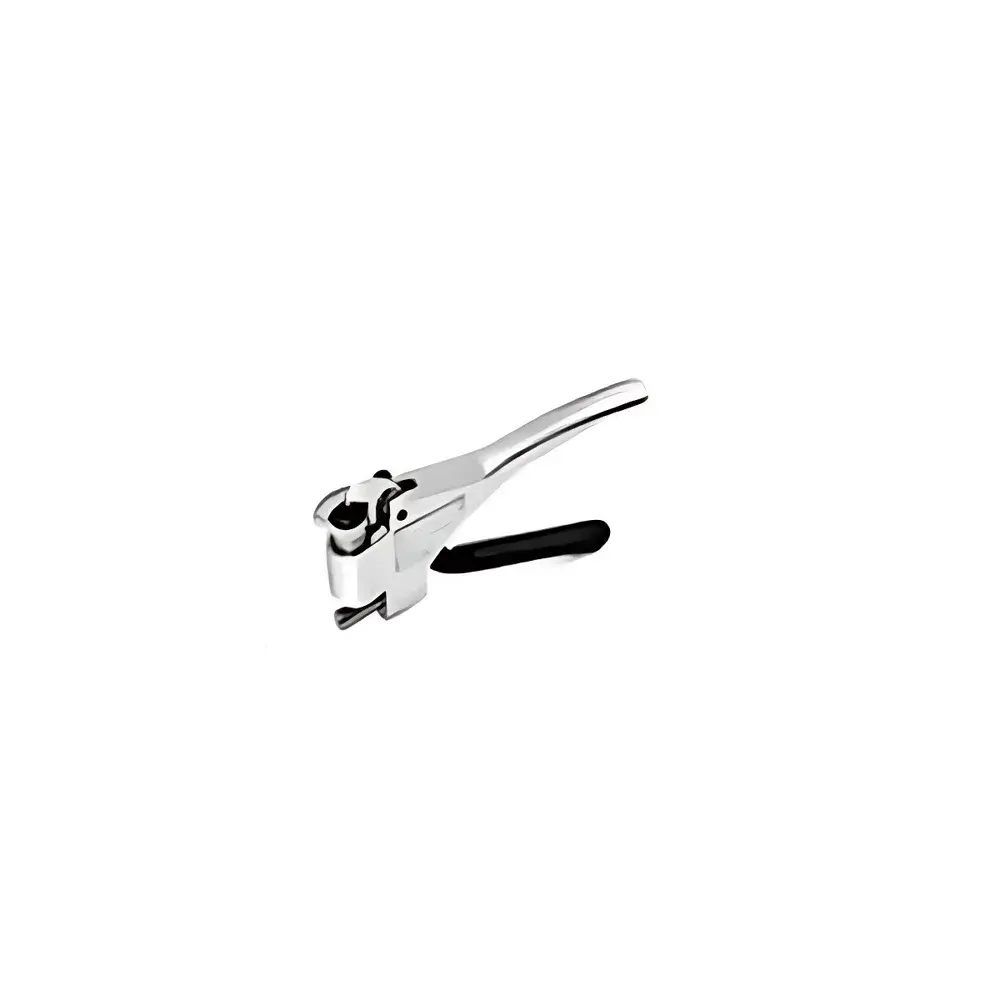
- D25X105A Tongs: 1050 mm extended reach; 120 mm jaw opening; radiation-induced embrittlement resistance validated per ASTM E1877; ergonomic grip design for glove-compatible operation.
- W-20 Hardness Tester: Direct HW scale readout; traceable calibration via NIST-traceable reference blocks; conversion tables for HV, HRB, HB, and ultimate tensile strength (UTS) per ASTM E140.
- PGM-7340 TVOC Analyzer: Graphical LCD with auto-backlight; real-time display of instantaneous, peak, STEL, and TWA values; onboard data logging (≥10,000 records); wireless telemetry via Bluetooth or optional 4G module.
Sample Compatibility & Compliance
The H18059 accommodates substrates up to 300 mm in height and tolerates solvent-based, aqueous, and viscous precursor solutions. The FJ-317E meets ANSI N42.33-2022 for portable radiation survey instruments and is routinely deployed in nuclear medicine departments, radiopharmaceutical manufacturing (cGMP Annex 1), and decommissioning sites requiring ISO 20553:2016-compliant environmental monitoring. The HDLBJ-7 complies with EN 14066:2011 for industrial dust emission control systems and supports EPA Method 9 visual opacity correlation. The W-20 is certified per ISO 868:2003 for indentation hardness testing of plastics and light alloys. The PGM-7340 satisfies IECEx and ATEX Zone 1 certification requirements (II 2G Ex ib IIB T4 Gb) and supports GLP audit trails via timestamped calibration logs and user-accessible firmware versioning.
Software & Data Management
All instruments except the W-20 and D25X105A support digital data export. The HDLBJ-7 integrates with SCADA via Modbus RTU over RS485 and provides configurable alarm thresholds with event-tagged CSV exports. The PGM-7340 includes proprietary Insight software for spectral library management, multi-point calibration validation, and CFR 21 Part 11–compliant electronic signatures (audit trail, role-based access, data integrity encryption). The H18059 stores coating protocols locally and allows USB export of speed/temperature/time profiles. FJ-317E data may be archived using optional PC interface cable and RadLog software, supporting dose accumulation reporting aligned with ICRP Publication 103 occupational exposure limits.
Applications
- H18059: Sol-gel optical coatings, perovskite photovoltaic layer deposition, functionalized biosensor substrate preparation, lab-scale R&D of antireflective or hydrophobic films.
- FJ-317E: Routine contamination surveys in PET cyclotron facilities, post-decontamination verification in nuclear power plant auxiliary buildings, emergency response screening during radiological dispersal device (RDD) incidents.
- HDLBJ-7: Cement kiln preheater cyclones, coal-fired boiler ESP bypass ducts, pharmaceutical fluidized bed dryer exhaust monitoring, food-grade powder pneumatic conveying leak diagnostics.
- D25X105A: Transfer of sealed Ir-192 sources in industrial radiography vaults, handling of Cs-137 calibration standards in metrology labs, remote placement of neutron activation foils in reactor experimental loops.
- W-20: In-line verification of 6061-T6 extrusion temper, QA sampling of architectural aluminum curtain wall components, field acceptance testing of heat-treated 7075 alloy fasteners.
- PGM-7340: Confined space entry pre-screening (tanks, silos), indoor air quality (IAQ) assessments per ASHRAE Standard 62.1, fugitive emission detection in petrochemical pump seals and valve packing, cleanroom solvent vapor leak tracing.
FAQ
Does the H18059 support programmable multi-step coating cycles?
Yes—users may define up to 9999 sequential cycles, each with independent immersion time, dwell time, withdrawal speed, and inter-cycle delay.
Can the FJ-317E differentiate between beta and gamma radiation?
The J305 probe detects both β and γ; the J613 probe is γ-selective. Discrimination is achieved by physical probe selection—not electronic pulse-height analysis.
Is the HDLBJ-7 suitable for explosive atmospheres?
Standard units are non-certified for hazardous areas; explosion-proof variants (ATEX II 2G Ex d IIB T4) are available upon request with modified housing and intrinsically safe barriers.
How often must the W-20 hardness tester be recalibrated?
Per ASTM B647, daily verification using certified reference blocks is recommended before use; full recalibration every 12 months by an ISO/IEC 17025-accredited laboratory.
Does the PGM-7340 support custom VOC calibration curves?
Yes—users may import custom response factors via USB or configure up to 50 compound-specific correction coefficients within the onboard library.





