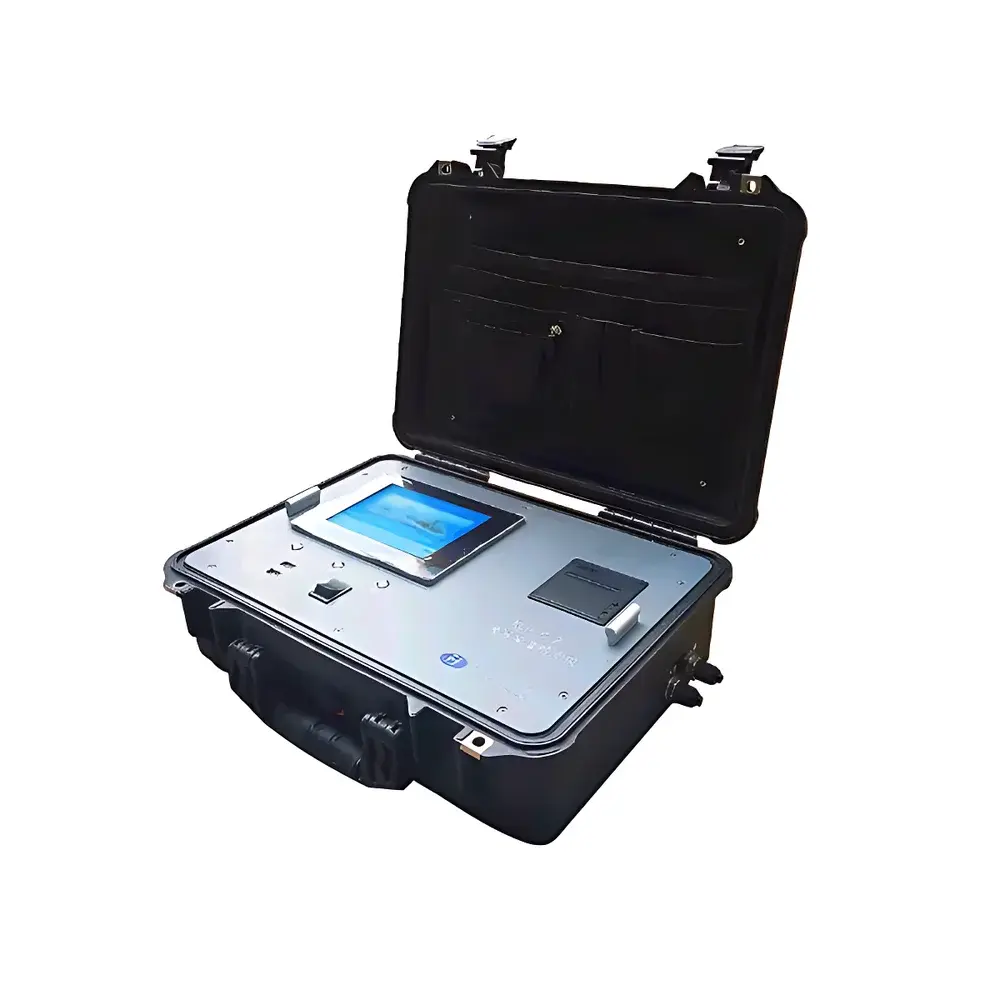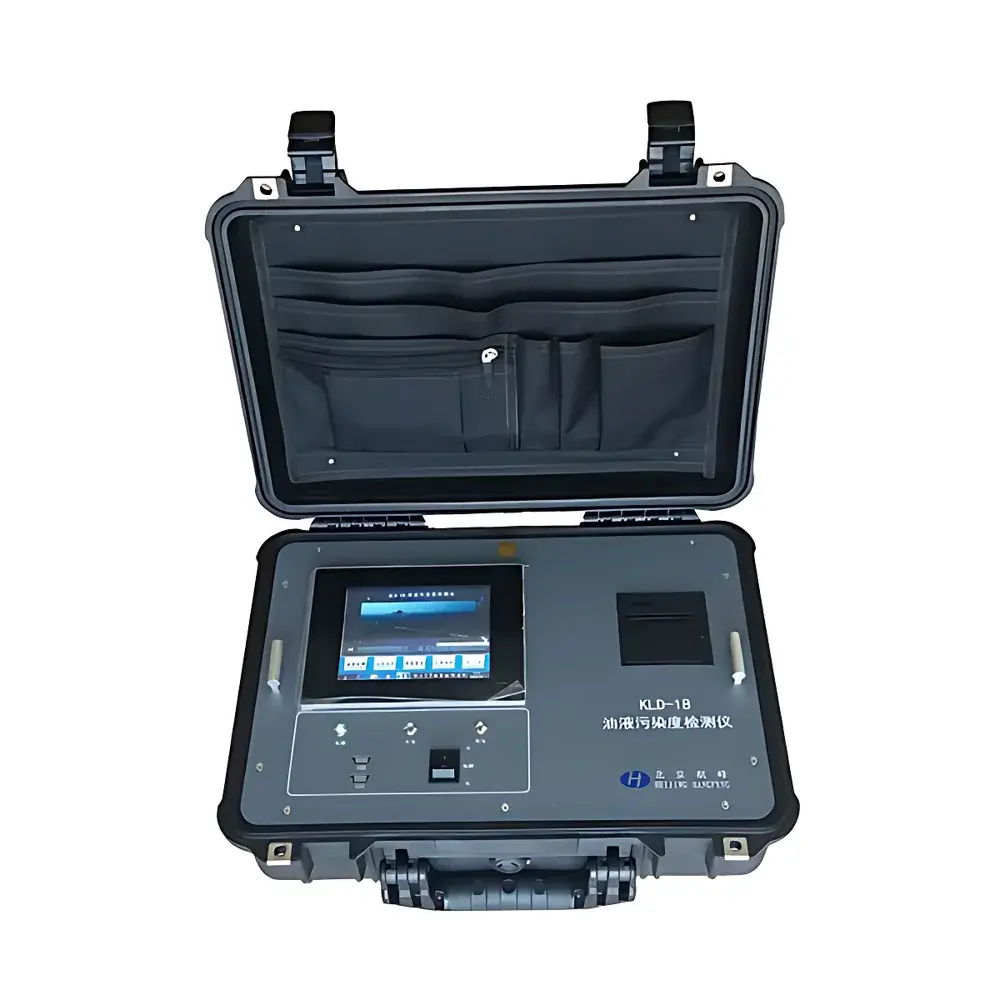
HengaoDe HAD-L3710 Phenol Crystallization Point Tester with Integrated Sulfur Analyzer, Magnetic Stirrer, Low-Flow Air Sampler, UV-Vis Spectrophotometer, and Multiparameter Water Quality Analyzer
| Brand | HengaoDe |
|---|---|
| Origin | Beijing, China |
| Manufacturer Type | Authorized Distributor |
| Country of Origin | China |
| Model | HAD-L3710 |
| Price | USD 42.50 (FOB) |
| Power Supply | AC 220V ±10%, 50 Hz |
| Temperature Control Range | 0–50°C |
| Temperature Accuracy | ±0.1°C |
| Stirring Speed | 1200 rpm |
| Cooling System | Compressor-based air-cooled refrigeration |
| Sample Capacity | Dual-position bath |
| UV-Vis Wavelength Range | 190–1100 nm |
| Spectral Bandwidth | 2 nm |
| Absorbance Stability | 0.001 A/h (at 500 nm, post-warm-up) |
| Low-Flow Air Sampling Range | 1–350 mL/min (±5% flow accuracy) |
| Water Parameter Channels | 4 simultaneous (e.g., nitrate, chloride, sulfate, phosphate) |
| Sulfur Detection Range | 0.1–20 wt% |
| Combustion Temperature | 1150°C |
| Alpha/Beta/Gamma Detection Efficiency | ≥35% (⁹⁰Sr–⁹⁰Y), ≥8% (¹⁴C), ≥15% (²⁰⁴Tl, ²³⁹Pu) |
| Surface Contamination Sensitivity | 0.1–10⁵ cps |
Overview
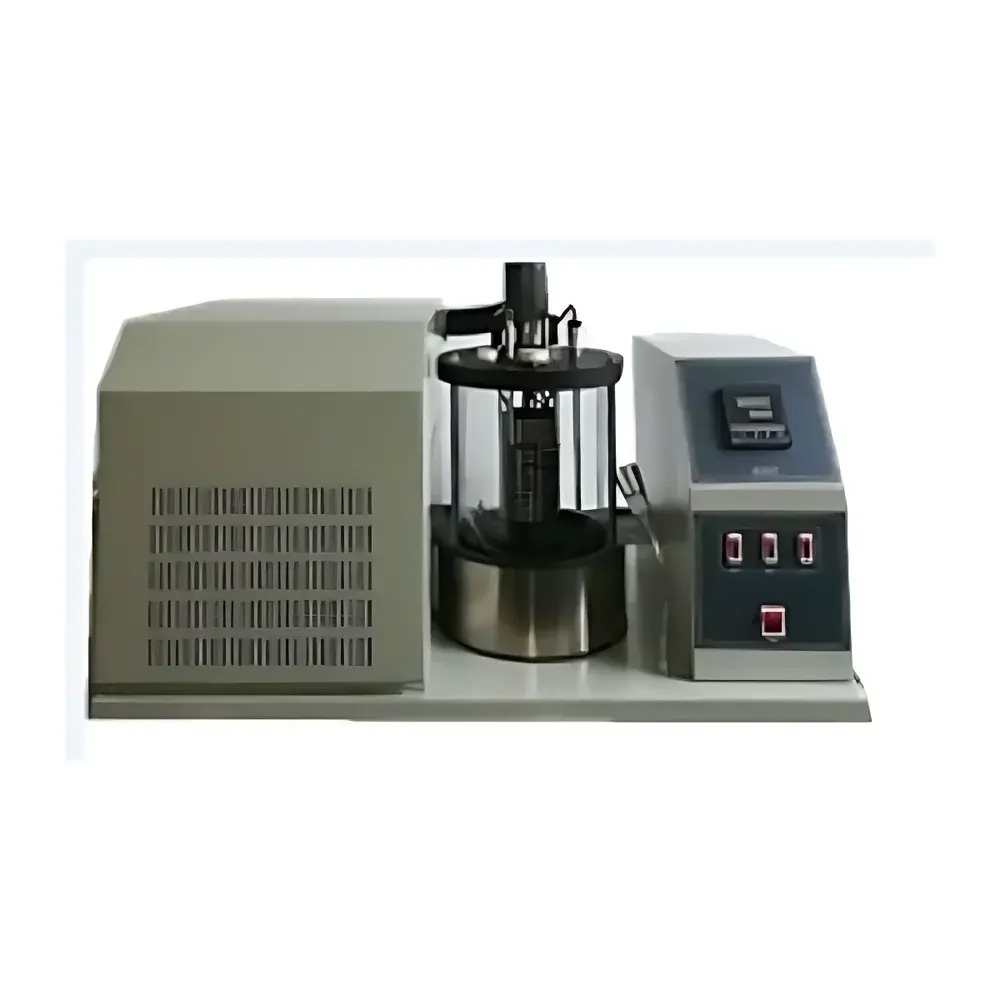
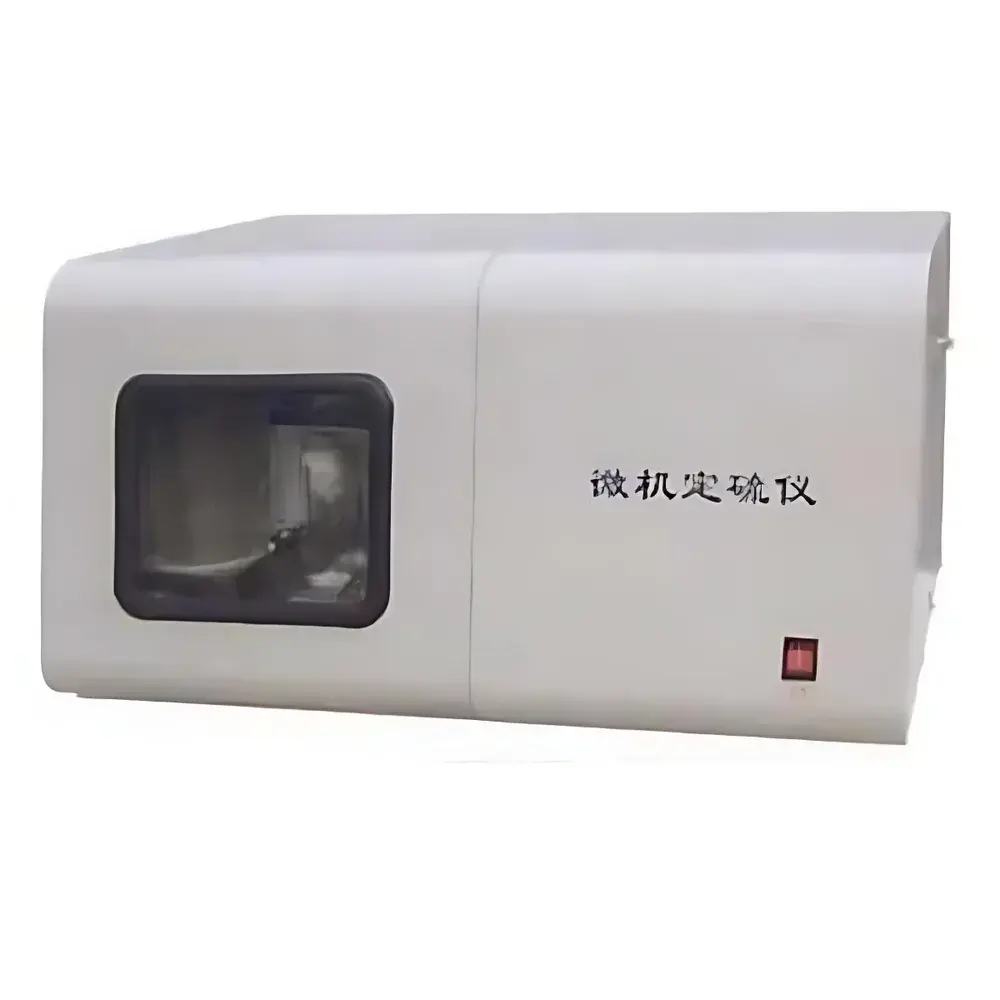
The HengaoDe HAD-L3710 is a modular laboratory instrumentation platform integrating six functionally distinct analytical subsystems into a coordinated workflow solution for quality control laboratories in coal, petrochemical, environmental monitoring, water treatment, and materials testing sectors. Its architecture is not a single instrument but a validated suite of interoperable devices—each compliant with relevant national and international standards—including GB/T 3710 (phenol crystallization point), GB/T 214–2007 (coal sulfur determination), ISO 7027 (turbidity), EPA Method 300.0 (anion analysis), and ASTM D129 (sulfur in petroleum). The phenol crystallization module employs a precisely temperature-controlled transparent glass bath with compressor-based cooling and motorized stirring to enable visual observation of phase transition onset under standardized thermal ramping protocols. The integrated microprocessor-controlled sulfur analyzer utilizes high-temperature combustion (1150°C) coupled with electrochemical detection and neural-network-based temperature regulation to ensure reproducible quantification of total sulfur across solid and liquid fuels. All subsystems share common design principles: robust mechanical construction, traceable calibration pathways, and compliance-ready data handling architecture.
Key Features
- Phenol Crystallization Module: Dual-position transparent glass bath with ±0.1°C temperature stability over 0–50°C range; 6W magnetic stirrer operating at 1200 rpm for uniform heat transfer and crystal nucleation observation.
- Sulfur Analyzer (HADL-5000): Fully automated combustion sequence with silicon carbide tube heating, multi-stage temperature ramping algorithms to extend heater lifetime, and real-time endpoint detection via coulometric titration.
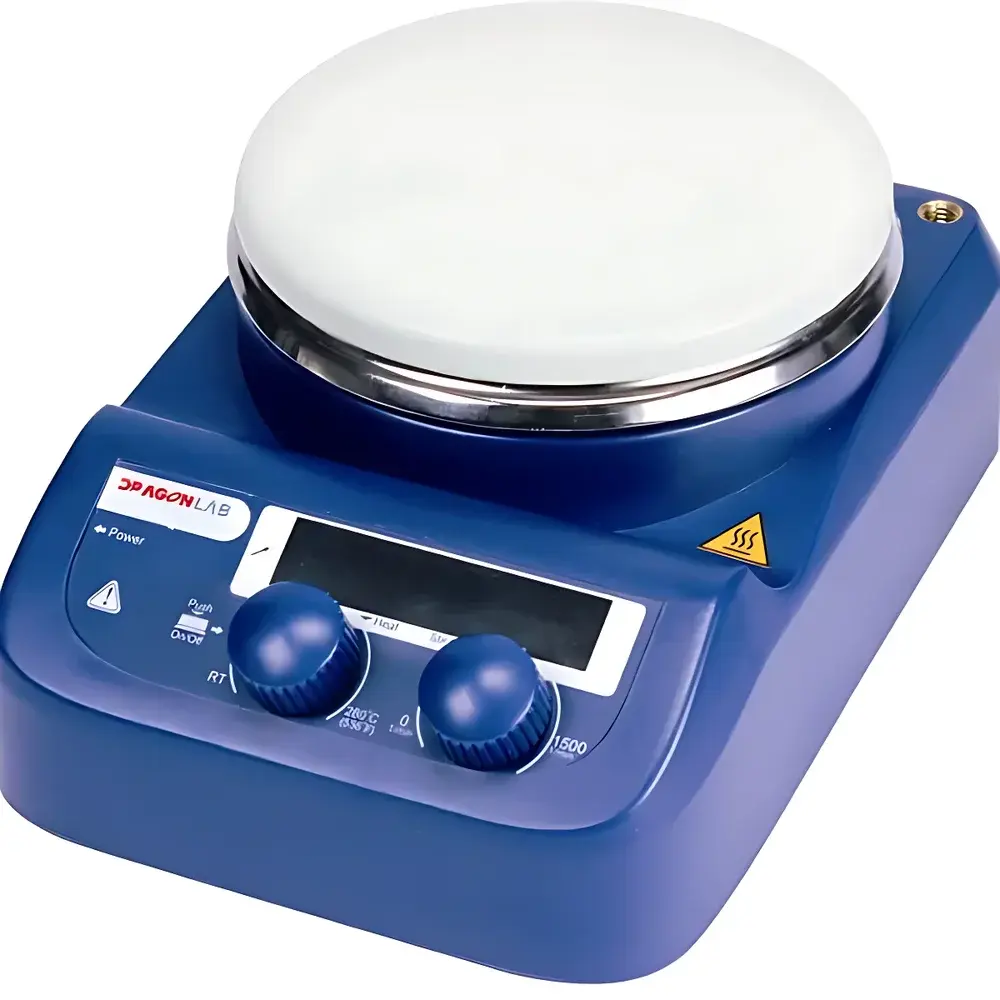
- Digital Magnetic Stirrer (HAD-H280-PRO): Ceramic-coated stainless steel heating plate (max 280°C), dual LED display for setpoint/actual temperature and target RPM, PT1000 external probe interface for sample-level temperature feedback (±0.5°C accuracy).
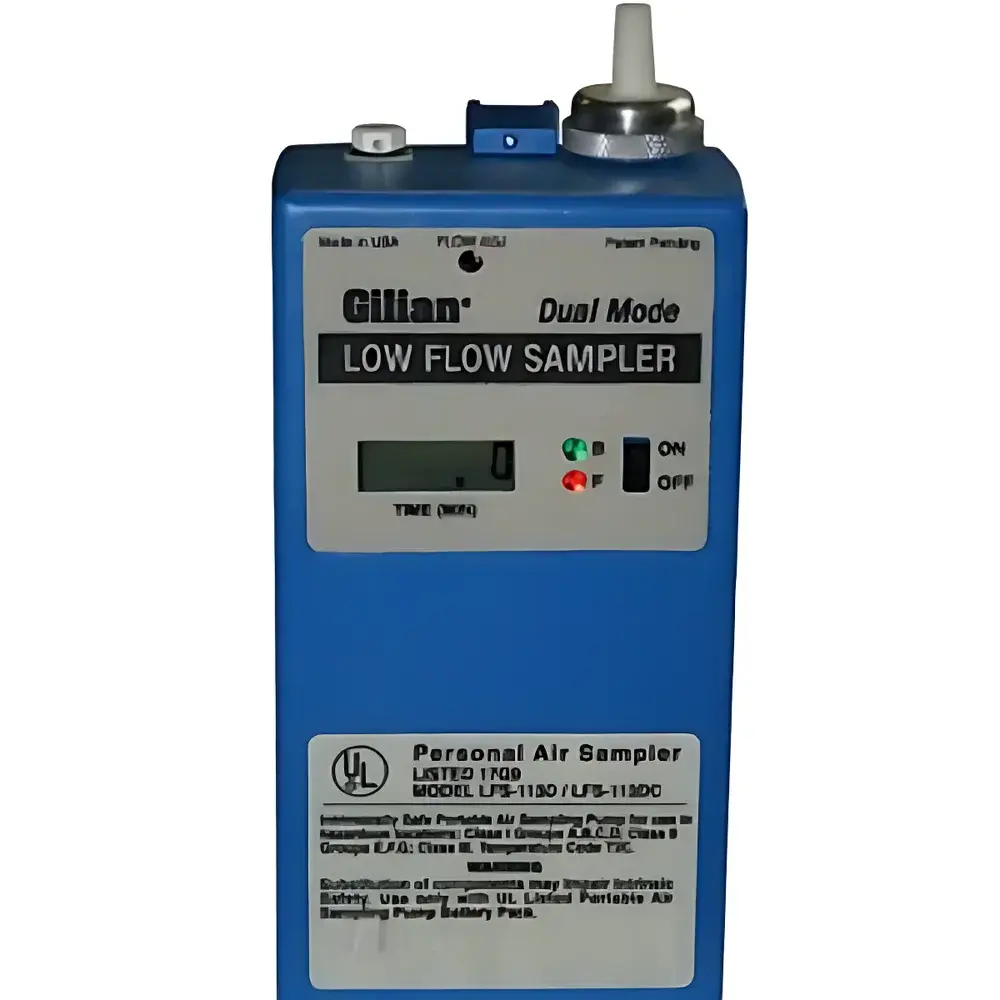
- Low-Flow Air Sampler (HAD-FS113): Precision diaphragm pump delivering stable 1–350 mL/min flow with ±5% tolerance under up to 25″ H₂O backpressure; built-in flow fault detection and automatic shutdown on battery depletion or pressure deviation.
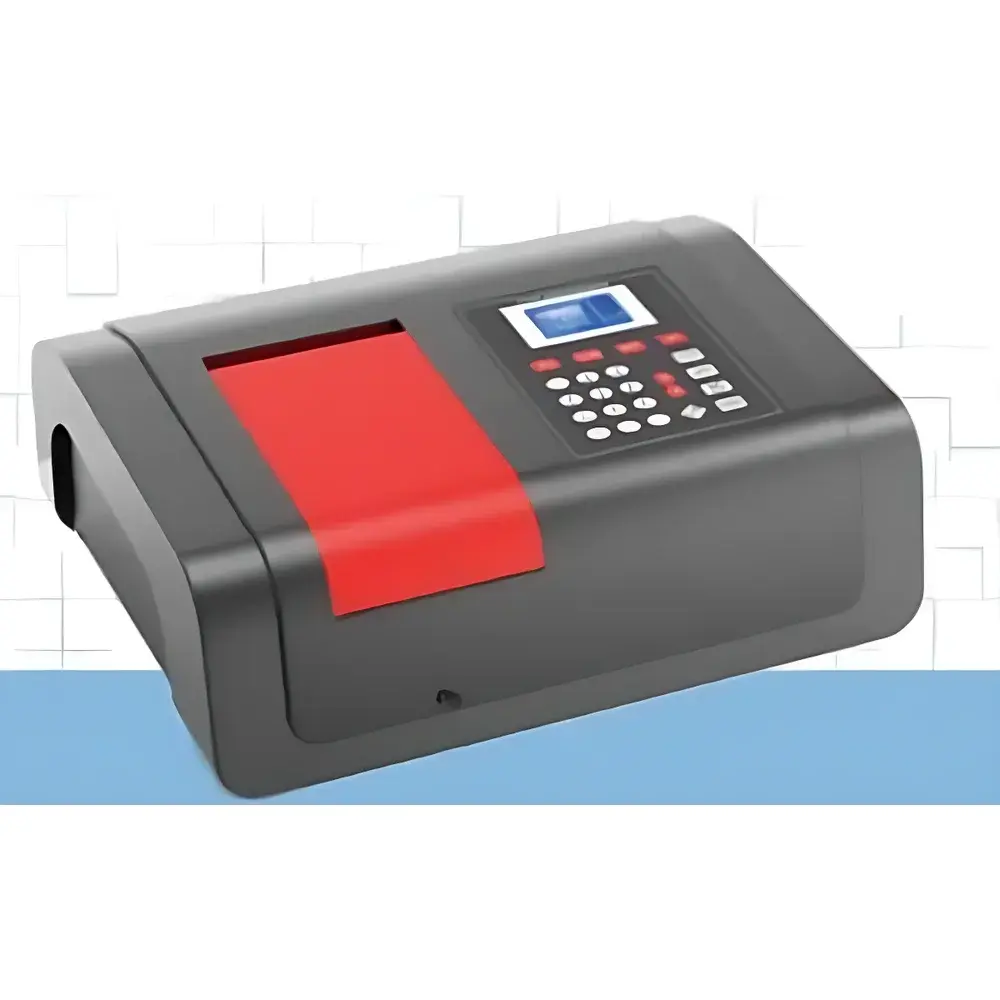
- UV-Vis Spectrophotometer (HAD-V1500PC): Czerny-Turner monochromator with imported deuterium/tungsten lamps, 2 nm spectral bandwidth, stray light <0.05% T at 220 nm (NaI), photometric linearity from –0.3 to 3.0 A.
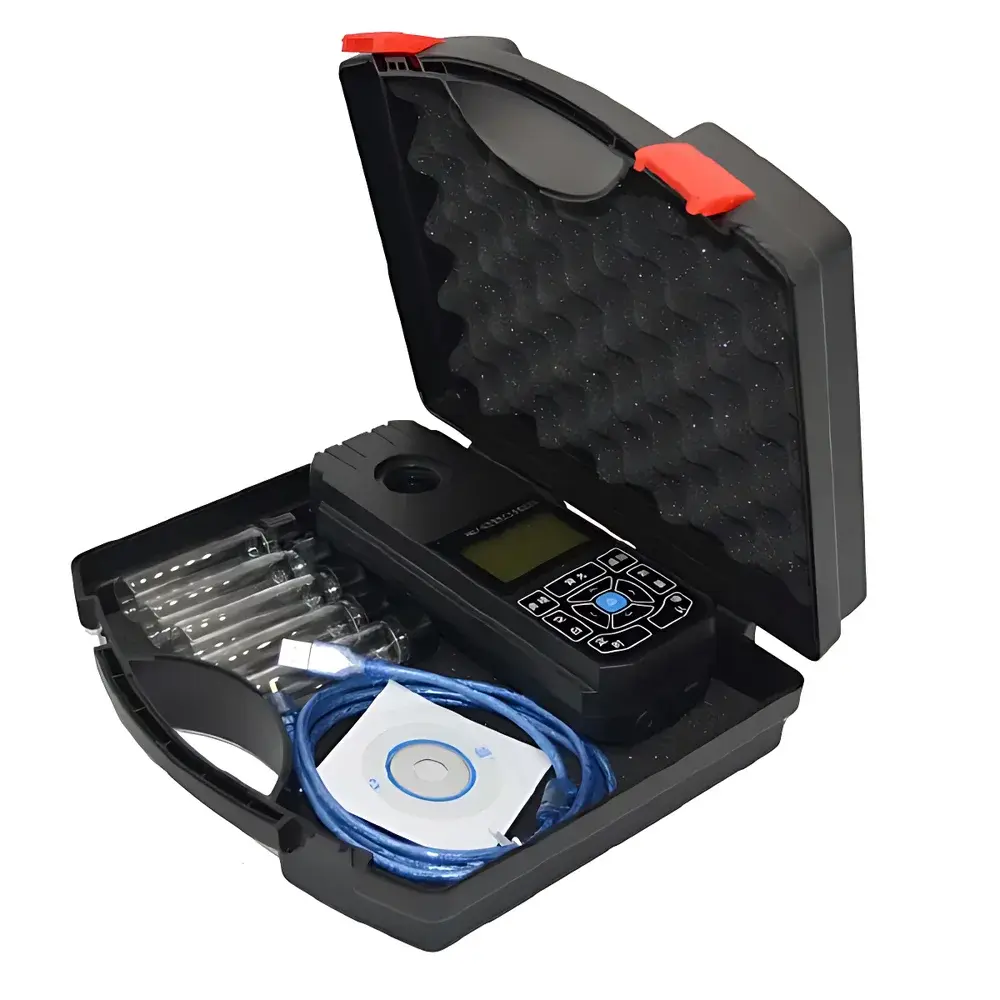
- Multiparameter Water Analyzer (HAD-LP4C): Four-channel cold-light LED system with narrow-band interference filters; 20 stored calibration curves; IP65-rated ABS housing; 199-result memory with timestamped absorbance, transmittance, and concentration values.
Sample Compatibility & Compliance
The HAD-L3710 platform accommodates diverse sample matrices without cross-contamination risk due to physically isolated modules and dedicated consumables. The phenol tester accepts crude phenol, industrial-grade phenol, and coal tar-derived fractions per GB/T 3710. The sulfur analyzer processes pulverized coal, coke, petroleum coke, and liquid distillates per GB/T 214–2007 and ASTM D3177. The water analyzer supports drinking water, surface water, wastewater, and process effluents with validated interferences for turbidity, chloride, and organic color. All instruments meet CE, FCC, and cTUVus safety certifications. Data acquisition modules support audit-trail generation, user access controls, and electronic signature capability aligned with FDA 21 CFR Part 11 requirements when operated with optional PC software. Calibration records are retained with date/time stamps, operator ID, and reference standard traceability.
Software & Data Management
Each instrument includes embedded firmware supporting USB and parallel port connectivity. The UV-Vis spectrophotometer and sulfur analyzer provide native Windows-compatible software for spectral scanning, kinetic assay setup, standard curve regression (linear, quadratic, cubic), and GLP-compliant report generation—including instrument ID, calibration history, and measurement uncertainty estimates. The water analyzer stores all results internally with time/date stamping and allows export via USB to CSV files compatible with LIMS integration. All software modules generate PDF reports containing raw data, processed concentrations, statistical summaries (mean, SD, CV%), and pass/fail status against predefined specification limits. Firmware updates are delivered via secure HTTPS download with SHA-256 hash verification to maintain integrity.
Applications
This integrated platform serves laboratories requiring routine analysis across multiple regulatory domains. Coal-fired power plants use the sulfur analyzer for fuel acceptance testing and emissions compliance reporting. Environmental agencies deploy the low-flow air sampler for occupational exposure monitoring of respirable dust and volatile organic compounds (VOCs) per NIOSH Method 0500. Municipal water utilities employ the multiparameter water analyzer for rapid field verification of disinfection byproduct precursors (nitrate, phosphate) and corrosion indicators (chloride, sulfate). Petrochemical QC labs apply the phenol crystallization tester to verify purity specifications for phenolic resins and bisphenol-A feedstocks. Research institutions utilize the UV-Vis spectrophotometer for enzyme kinetics, nanoparticle characterization, and ligand-binding assays requiring high photometric precision and long-term baseline stability.
FAQ
Does the HAD-L3710 require annual recalibration?
Yes—annual metrological verification is recommended for all modules. The crystallization bath and UV-Vis wavelength scale must be validated using NIST-traceable reference materials (e.g., SRM 2034 for wavelength, certified phenol standards for melting point).
Can the sulfur analyzer handle high-ash coal samples?
Yes—the combustion chamber geometry and ash trap design accommodate ash contents up to 40 wt%, with automatic ash removal cycles triggered after every five analyses.
Is the air sampler suitable for ISO 16000-6 formaldehyde sampling?
Yes—when paired with DNPH-coated silica gel cartridges and operated at 100 mL/min for 30 minutes, it meets the volumetric accuracy and flow stability requirements specified in ISO 16000-6.
What is the warranty coverage for the compressor cooling system?
The hermetic compressor carries a 24-month limited warranty covering parts and labor for defects in materials or workmanship under normal laboratory use conditions.
Are calibration certificates provided with shipment?
Factory calibration certificates (traceable to CNAS-accredited standards) are included for each module. Optional on-site IQ/OQ validation documentation packages are available upon request.