
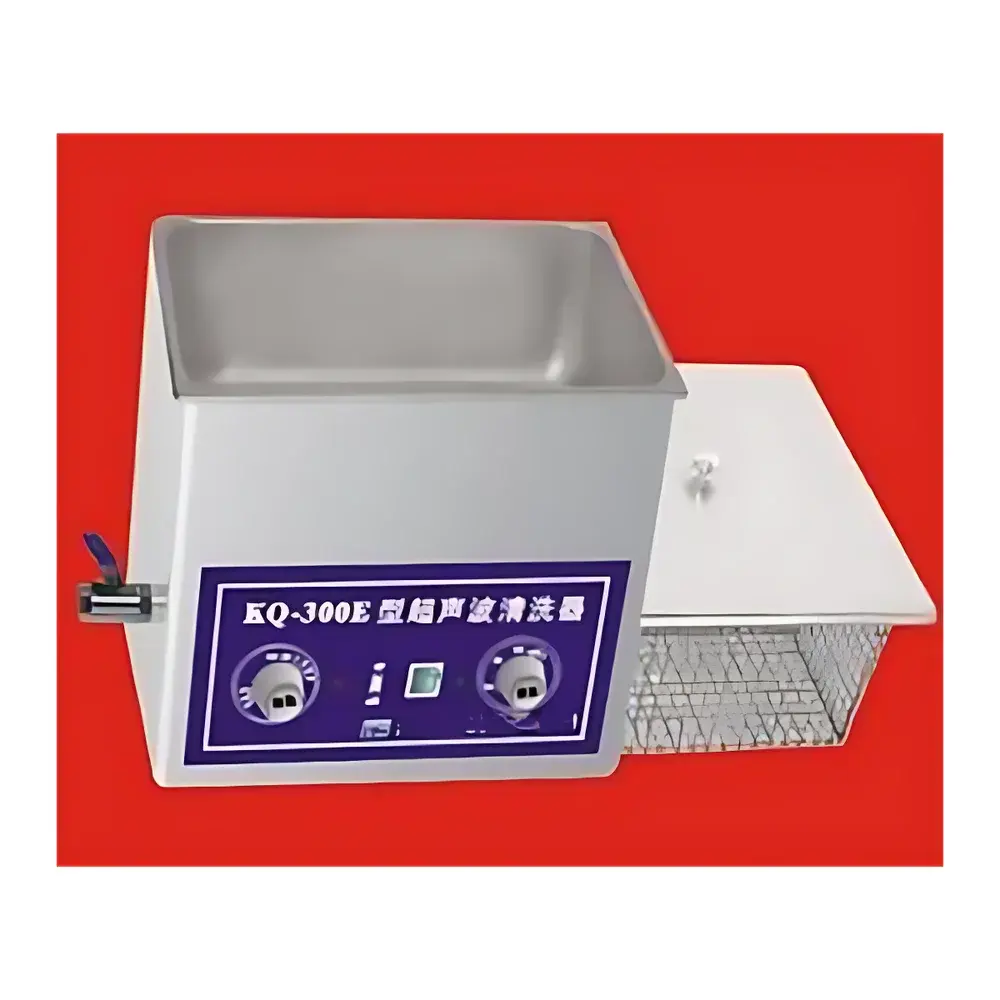
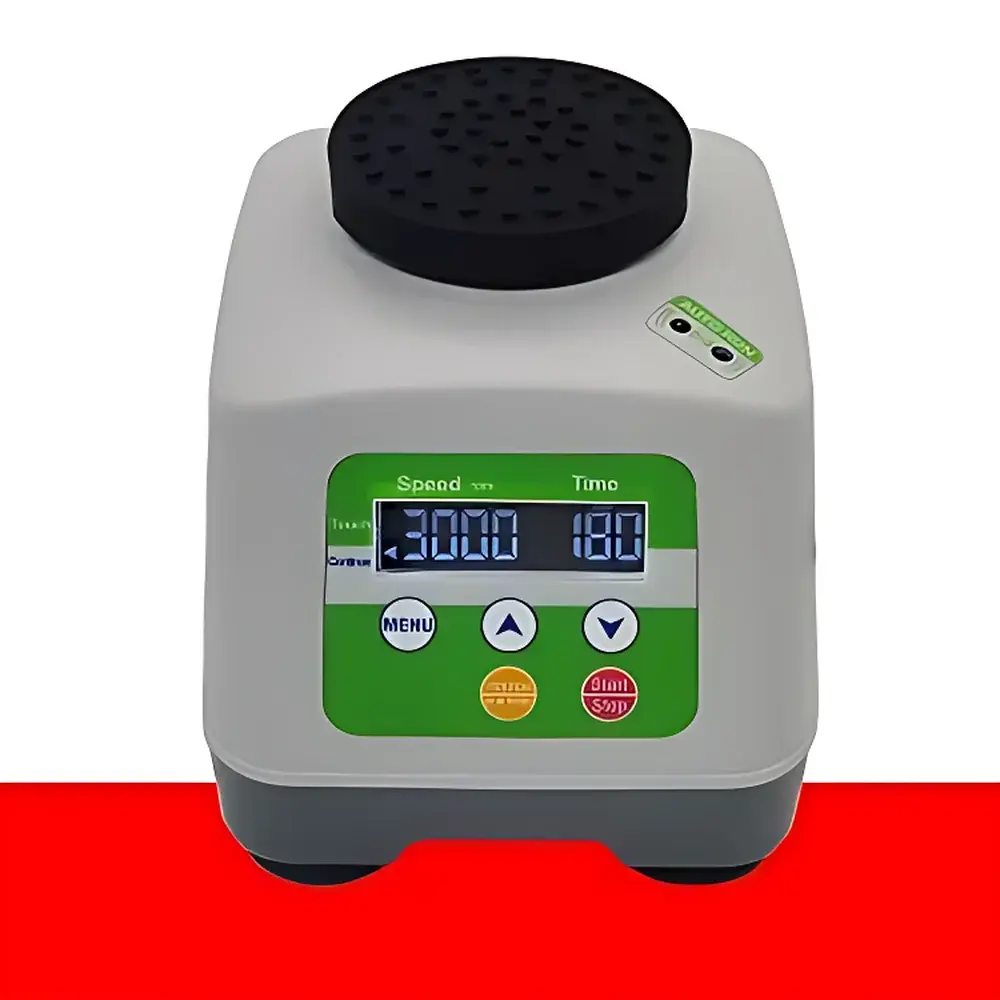
HengaoDe HAD-L0248 Cold Filter Plugging Point (CFPP) Tester for Distillate Fuels
| Brand | HengaoDe |
|---|---|
| Origin | Beijing, China |
| Manufacturer Type | Authorized Distributor |
| Country of Origin | China |
| Model | HAD-L0248 |
| Power Supply | AC 220 V ±10%, 50 Hz |
| Temperature Control Range | Ambient to –40 °C or –70 °C ±0.5 °C |
| Cooling System | High-Efficiency Compressor-Based Refrigeration |
| Test Stations | 2 Independent Isothermal Baths |
| Max. Power Consumption | ≤1000 W |
| Ambient Operating Conditions | ≤30 °C, ≤85% RH |
Overview
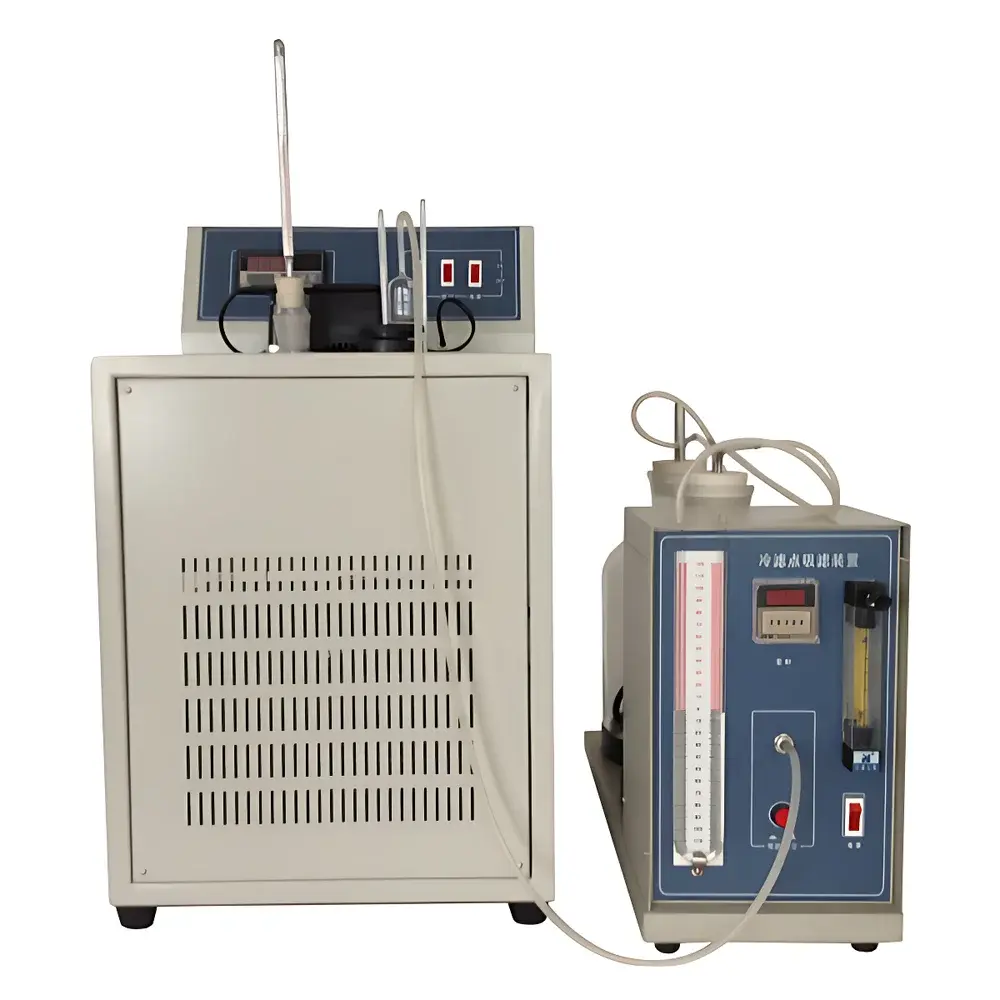
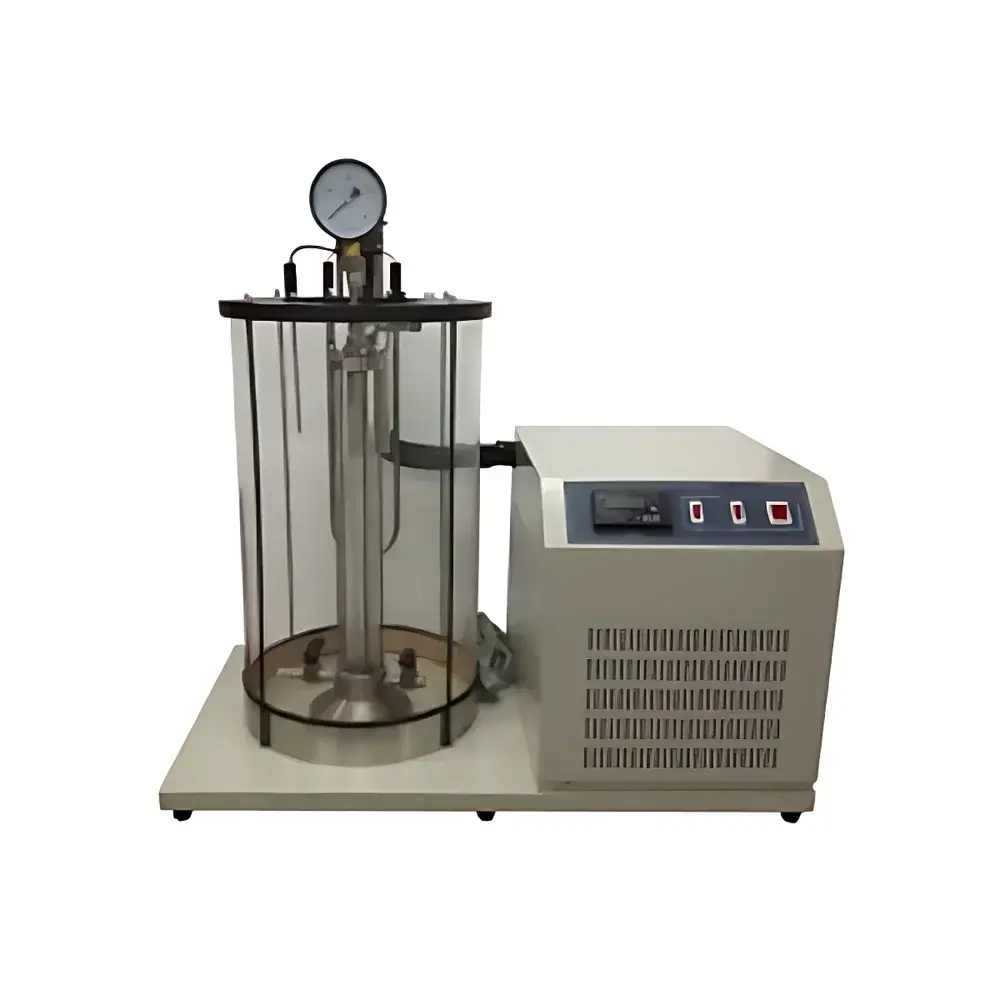
The HengaoDe HAD-L0248 Cold Filter Plugging Point (CFPP) Tester is a precision-engineered laboratory instrument designed in strict compliance with SH/T 0248—2006, the Chinese industry standard for determining the cold filter plugging point of distillate fuels including diesel, heating oil, and biodiesel blends. CFPP is a critical low-temperature performance parameter defined as the highest temperature at which a given fuel fails to pass through a standardized 45-µm stainless steel test filter within 60 seconds under specified vacuum and flow conditions. This measurement directly correlates with operability in cold climates and serves as a key specification for fuel quality control in refining, distribution, and end-user applications. The HAD-L0248 employs a dual-bath configuration with independent thermal regulation, enabling simultaneous testing of two samples under identical isothermal conditions—a feature essential for inter-laboratory reproducibility and routine QC throughput. Its compressor-based refrigeration system ensures stable, drift-free temperature maintenance across the full operational range, eliminating reliance on cryogenic consumables.
Key Features
- Dual-isothermal test baths with independent PID-controlled cooling, supporting concurrent analysis of two samples per run
- High-stability refrigeration system using a sealed, low-noise industrial compressor rated for continuous operation at –70 °C
- Calibrated temperature accuracy of ±0.5 °C across the full range (ambient to –70 °C), verified per ASTM D97 and ISO 3016 traceable protocols
- Integrated vacuum regulation module with adjustable suction pressure (typically 20 kPa absolute) and real-time pressure monitoring
- Stainless steel filtration assemblies compliant with SH/T 0248 dimensional and surface finish specifications (45 µm mesh, 47 mm diameter)
- Front-panel digital display with intuitive menu navigation; no external PC required for basic operation
- Robust aluminum-alloy chassis with insulated cold chamber housing, minimizing ambient heat ingress and thermal lag
Sample Compatibility & Compliance
The HAD-L0248 is validated for use with all petroleum-derived distillate fuels meeting the viscosity and volatility constraints of SH/T 0248, including ultra-low-sulfur diesel (ULSD), Fischer–Tropsch synthetic fuels, fatty acid methyl ester (FAME) biodiesel blends up to B20, and kerosene-type jet fuels. It is not intended for residual fuels, crude oils, or highly viscous bio-oils exceeding 5 mm²/s kinematic viscosity at 40 °C. Instrument design conforms to general safety requirements outlined in IEC 61010-1 for electrical equipment used in laboratory environments. While the method itself is harmonized with ISO 3016 (Petroleum products — Determination of cold filter plugging point), users performing accredited testing must validate instrument performance against certified reference materials (CRMs) and maintain documented calibration records per ISO/IEC 17025 requirements.
Software & Data Management
The HAD-L0248 operates as a standalone benchtop instrument with embedded firmware controlling temperature ramping, vacuum timing, and result calculation. All test parameters—including bath temperature setpoint, actual measured temperature, vacuum onset time, flow cessation time, and final CFPP value—are logged internally with timestamping and stored for up to 100 test cycles. Data export is supported via USB interface to standard CSV format for integration into LIMS or QA documentation systems. No proprietary software installation is required. For laboratories operating under GLP or GMP frameworks, the device supports manual audit trail generation through printed test reports (when paired with optional thermal printer) and enables user-defined test ID entry prior to analysis—facilitating sample traceability and electronic record retention per FDA 21 CFR Part 11 principles when used in conjunction with validated data management workflows.
Applications
- Quality assurance in refinery blending operations to verify cold-weather performance specifications before product release
- Research and development of cold-flow improver (CFI) additives, where precise CFPP depression quantification is required
- Contract testing laboratories serving fuel distributors and original equipment manufacturers (OEMs) requiring third-party certification
- Educational laboratories teaching petroleum product characterization and low-temperature rheology fundamentals
- Field-deployable testing in mobile fuel inspection units operating under controlled environmental conditions (e.g., climate-controlled trailers)
FAQ
Does the HAD-L0248 comply with international standards beyond SH/T 0248?
Yes—the instrument’s mechanical design, filtration geometry, and thermal control architecture are fully compatible with ISO 3016 and ASTM D6371 test procedures. Users should confirm method equivalence during method validation.
Can the unit be used for aviation turbine fuel (Jet A/A-1) testing?
No—SH/T 0248 explicitly excludes aviation fuels. Jet fuel cold flow properties are assessed via ASTM D5905 (Freezing Point) or ASTM D7153 (Low-Temperature Flow Test), requiring different instrumentation.
Is external calibration verification required before each test series?
Per SH/T 0248 Section 6.2, daily verification using a certified reference material (CRM) with known CFPP is recommended for QC labs. The instrument’s built-in temperature sensor is factory-calibrated and requires annual recalibration by an accredited metrology lab.
What maintenance is required for the refrigeration system?
The sealed compressor requires no routine oil changes or refrigerant servicing. Annual inspection of condenser coil cleanliness and fan operation is advised to sustain thermal efficiency.
How is sample contamination prevented between tests?
Each test uses disposable 45-µm stainless steel filter discs and single-use test tubes. The filtration assembly is manually disassembled and cleaned with analytical-grade heptane between runs to eliminate cross-contamination risk.







