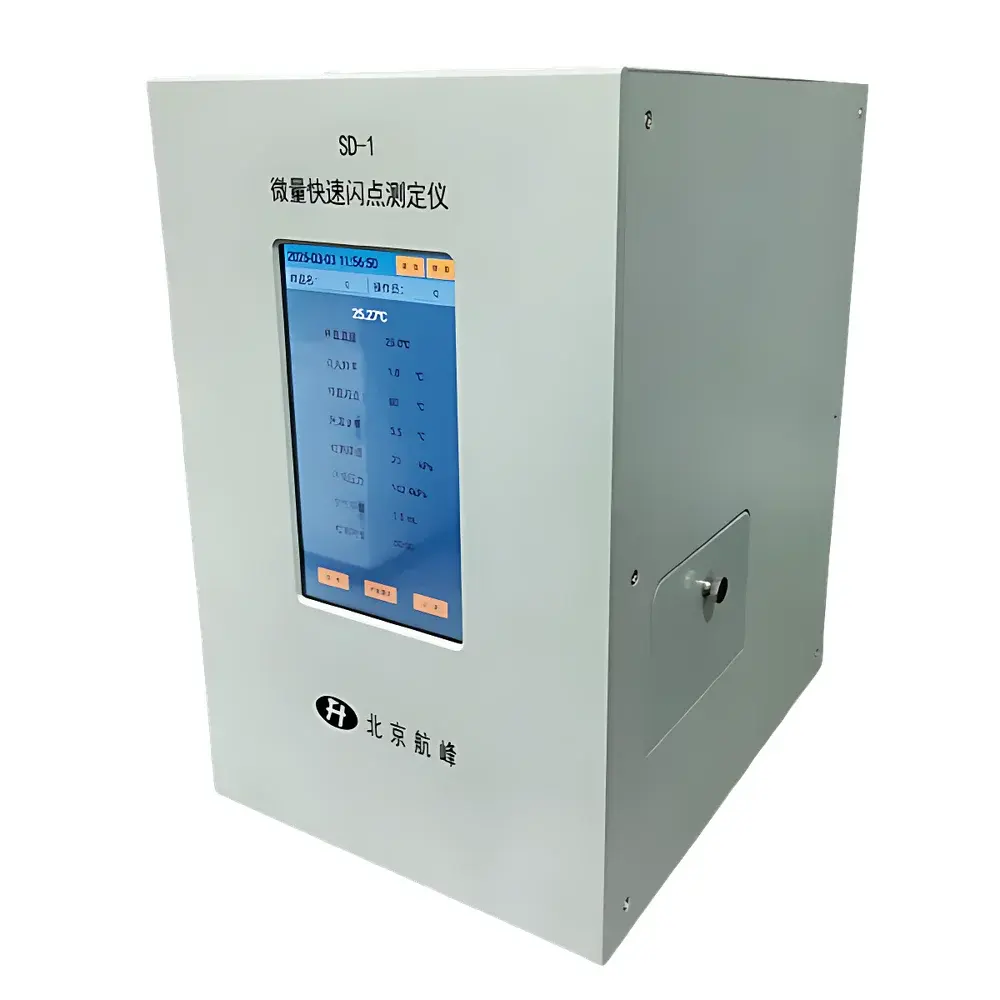
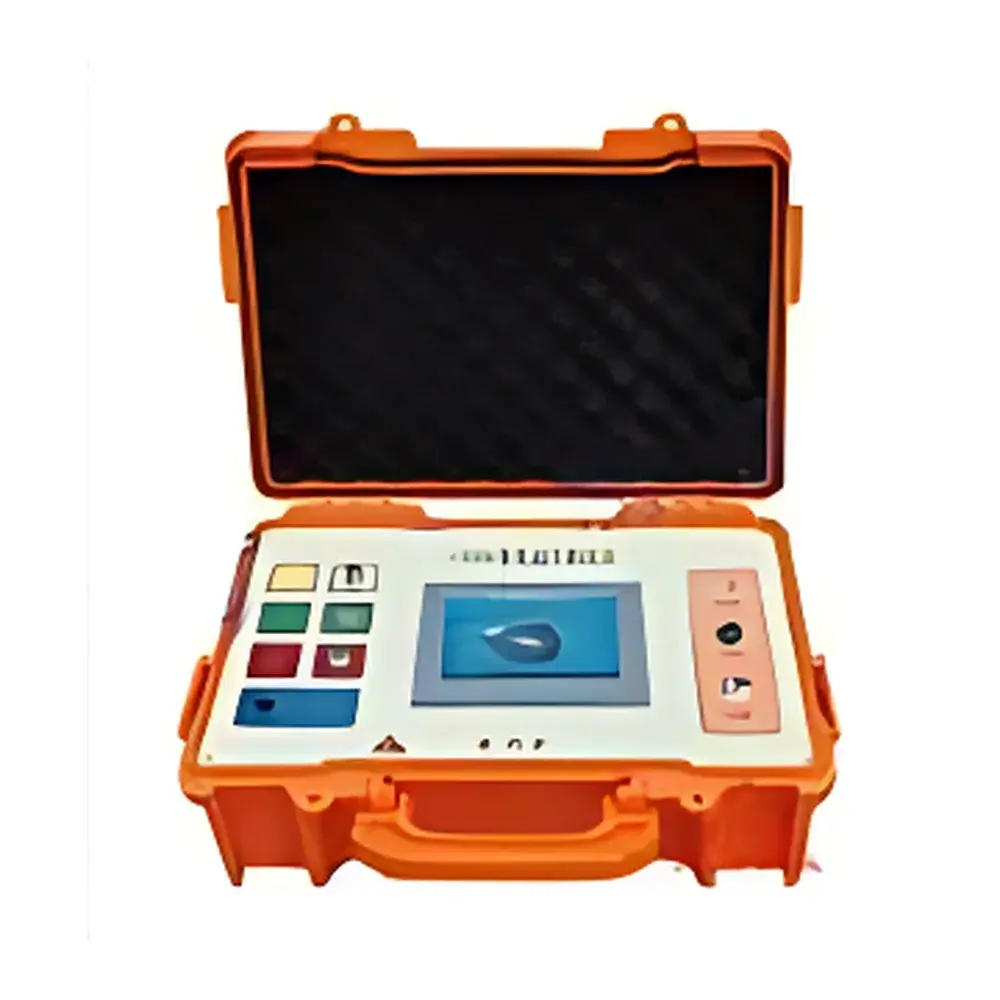
Hengaode HAD-UB402 Automated Lime Underburnt & Overburnt Rate Analyzer (Digestion-Precipitation Method)
| Brand | Hengaode |
|---|---|
| Origin | Beijing, China |
| Manufacturer Type | Authorized Distributor |
| Country of Origin | China |
| Model | HAD-UB402 |
| Power Supply | 220 V, 50 Hz |
| Rated Power | 200 W |
| Vibration Frequency | 3000 rpm |
| Dimensions (L×W×H) | 920 × 300 × 140 mm |
| Sieve Aperture Options | 2 mm, 3 mm, or 5 mm |
| Sample Capacity | 2 parallel tests per cycle |
Overview
The Hengaode HAD-UB402 Automated Lime Underburnt & Overburnt Rate Analyzer is an industrial-grade instrument engineered for precise quantification of underburnt (CaO-unreacted limestone) and overburnt (sintered, low-reactivity CaO) fractions in quicklime and hydrated lime samples. It implements the standardized digestion-precipitation method—defined in national and industry specifications including GB/T 25781–2010 (Determination of Underburnt and Overburnt Content in Quicklime)—wherein lime samples undergo controlled hydration, followed by sedimentation and particle-size-based separation. The system replaces manual stirring, repeated washing, and subjective visual assessment with a microprocessor-driven sequence: automated water dosing, high-frequency mechanical vibration (3000 rpm), timed digestion, gravity-assisted settling, and dual-sample parallel processing. This architecture ensures high reproducibility, eliminates operator-induced variability, and reduces total assay time to under 25 minutes per pair of specimens.
Key Features
- Fully automated test sequence: integrated dosing, vibration-assisted digestion, sedimentation, and residue classification—no manual stirring or rinsing required.
- Dual-channel design enables simultaneous analysis of two independent lime specimens, improving laboratory throughput without compromising inter-sample isolation.
- Re-circulating water system minimizes wastewater generation; filtered process water is reused across consecutive runs, supporting ISO 14001-aligned environmental stewardship protocols.
- High-frequency vibration module (3000 rpm) accelerates slaking kinetics and promotes uniform particle dispersion, reducing digestion time by >40% versus static methods.
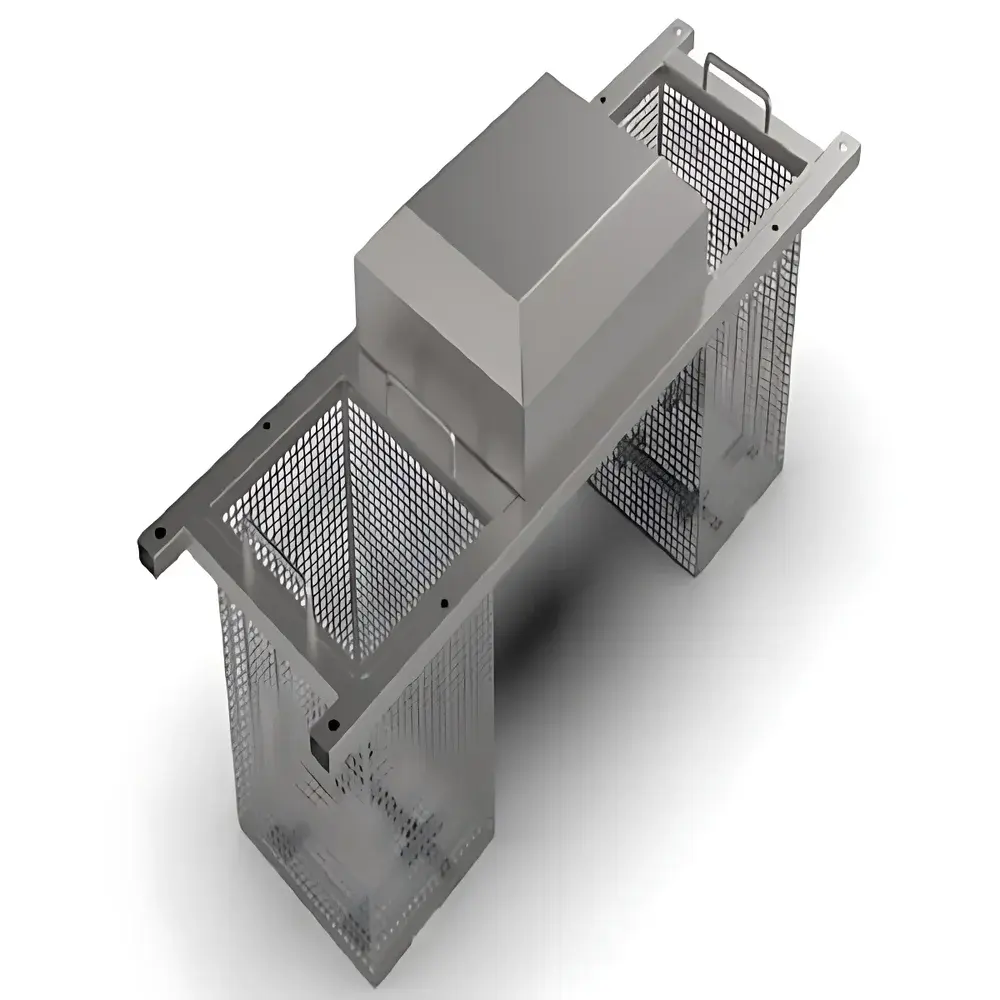
- Modular sieve assembly accepts interchangeable aperture inserts (2 mm, 3 mm, or 5 mm), allowing method adaptation to varying lime reactivity profiles and regional raw material specifications.
- Robust aluminum-alloy chassis and corrosion-resistant internal wetted surfaces ensure long-term stability in high-humidity, alkaline laboratory environments.
Sample Compatibility & Compliance
The HAD-UB402 is validated for use with commercial-grade calcitic and dolomitic limes, including those produced via rotary kiln, shaft kiln, or fluidized-bed processes. It complies with the procedural requirements of GB/T 25781–2010 and aligns with ASTM C110-22 Annex A2 (Standard Test Methods for Physical Tests of Quicklime and Hydrated Lime) for digestion-based reactivity assessment. While not a regulatory compliance device per se, its output supports quality control documentation under ISO 9001:2015 Clause 8.5.1 (Control of Production and Service Provision) and GLP-relevant record-keeping when paired with traceable calibration logs and operator training records. The instrument does not require external certification for routine QC use in cement, steel slag treatment, flue gas desulfurization (FGD), or municipal wastewater lime softening applications.
Software & Data Management
The HAD-UB402 operates via embedded firmware with a tactile membrane keypad and LED status indicators—no external PC or proprietary software is required for core operation. All process parameters (digestion duration, vibration interval, rest period) are factory-preset but field-adjustable via service mode. Timestamped run logs—including start time, sample ID (manually entered), aperture size used, and pass/fail flag based on residue mass thresholds—are stored in non-volatile memory for up to 500 test cycles. Data export is not supported via USB or network interface; however, results are compatible with manual transcription into LIMS or Excel-based QA/QC spreadsheets. For laboratories operating under FDA 21 CFR Part 11 or EU Annex 11 requirements, supplementary procedural controls (e.g., logbook entries, dual-operator verification, periodic performance checks against reference lime standards) must be implemented externally.
Applications
- Quality assurance in lime manufacturing plants: real-time feedback for kiln temperature and residence time optimization.
- Raw material acceptance testing at steel mills and power plants utilizing lime for desulfurization.
- Technical support for lime suppliers during contractual disputes involving CaO reactivity claims.
- Educational laboratories teaching cement chemistry and industrial mineral processing principles.
- Environmental engineering firms assessing lime dosage efficiency in soil stabilization and heavy metal immobilization projects.
FAQ
Does the HAD-UB402 require consumables beyond standard laboratory-grade deionized water and calibrated weighing equipment?
No. The system uses no proprietary reagents, filters, or disposable cartridges. Sieve inserts are reusable stainless-steel components subject only to mechanical wear inspection every 200 cycles.
Can the instrument be integrated into a centralized laboratory automation system?
Not natively. It lacks RS-232, Ethernet, or Modbus interfaces. Integration requires external PLC-level signal bridging for start/stop triggers and status monitoring.
What maintenance intervals are recommended for sustained accuracy?
Vibration motor lubrication every 12 months; annual verification of timing accuracy using a digital stopwatch and visual confirmation of water volume delivery tolerance (±2 mL per 100 mL setpoint).
Is validation support provided for ISO/IEC 17025 accreditation?
Hengaode supplies a basic IQ/OQ checklist and factory calibration certificate. Full method validation (including precision, intermediate precision, and ruggedness studies) must be performed in-house per ISO/IEC 17025:2017 Clause 7.2.2.
How is residue mass quantified after sedimentation?
Users manually collect settled solids using pre-tared filter paper or crucibles, dry at 105 °C for 2 hours, and weigh on an analytical balance (0.1 mg readability recommended). The HAD-UB402 automates only the pre-weighing steps.