
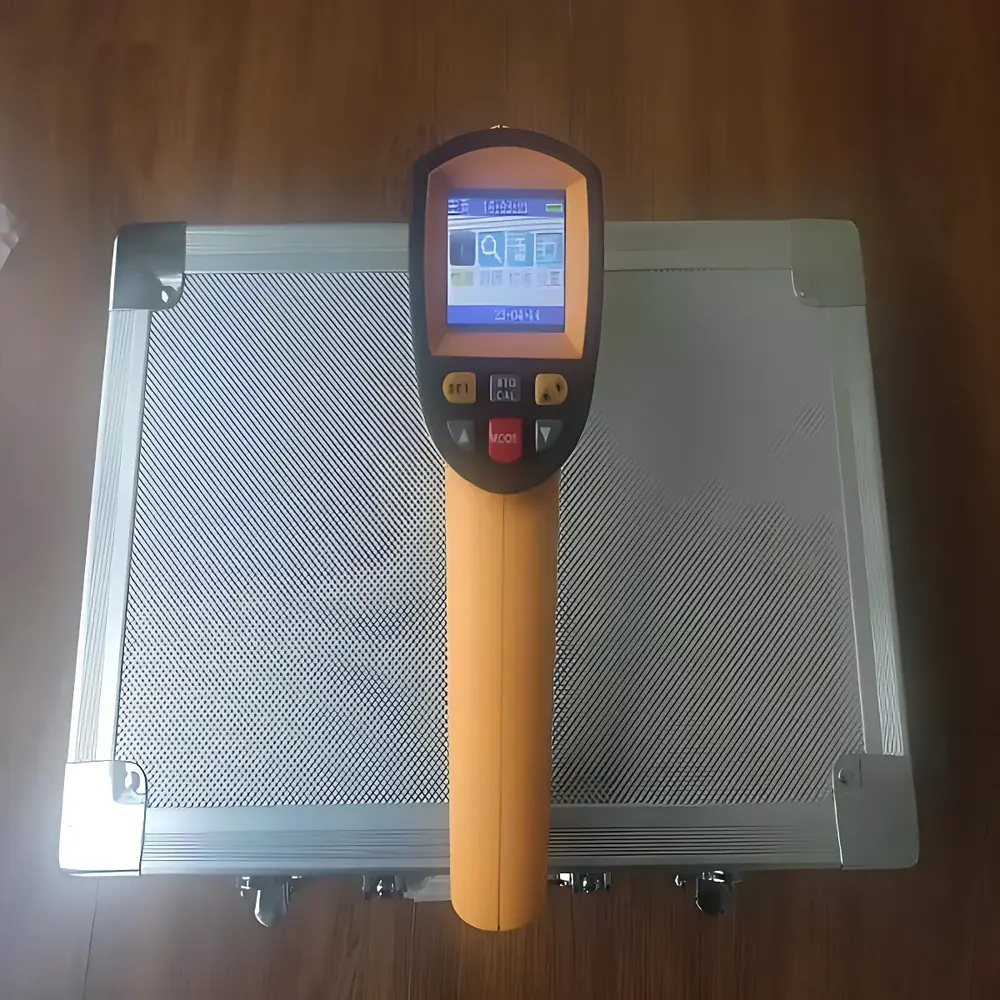
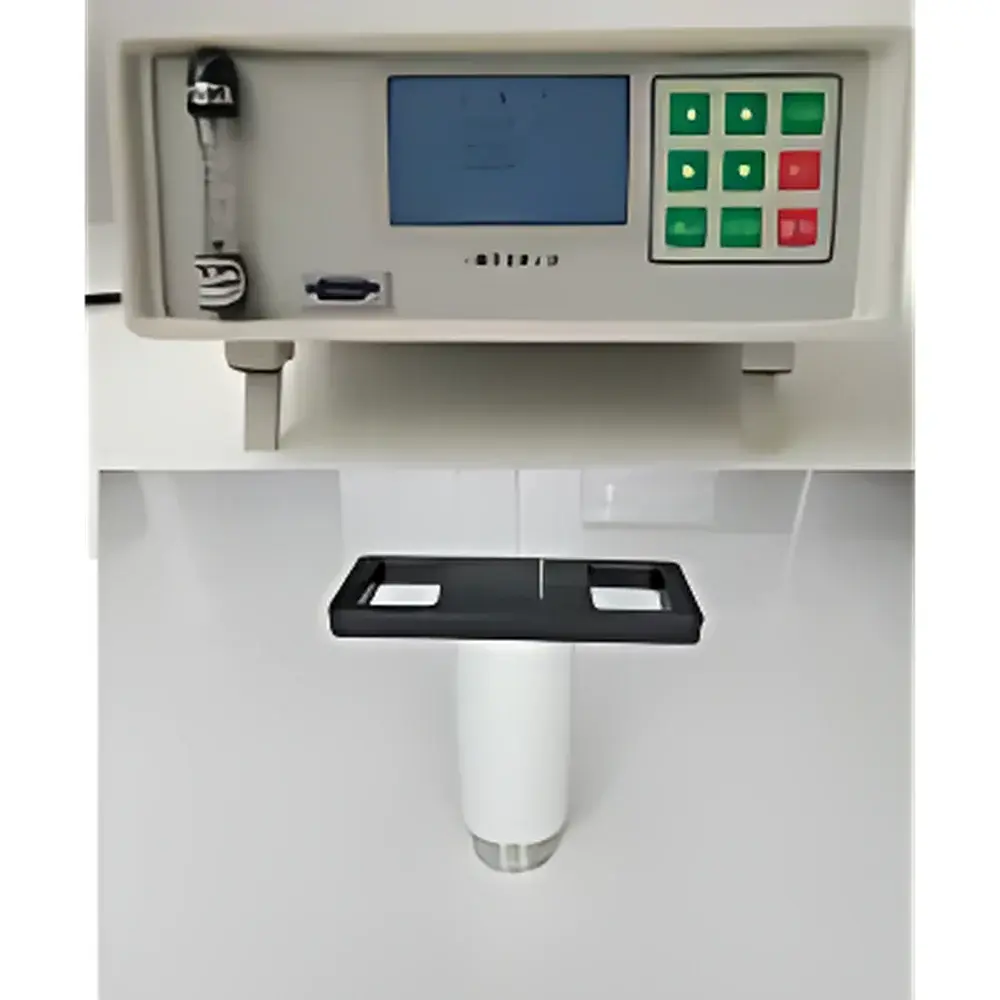
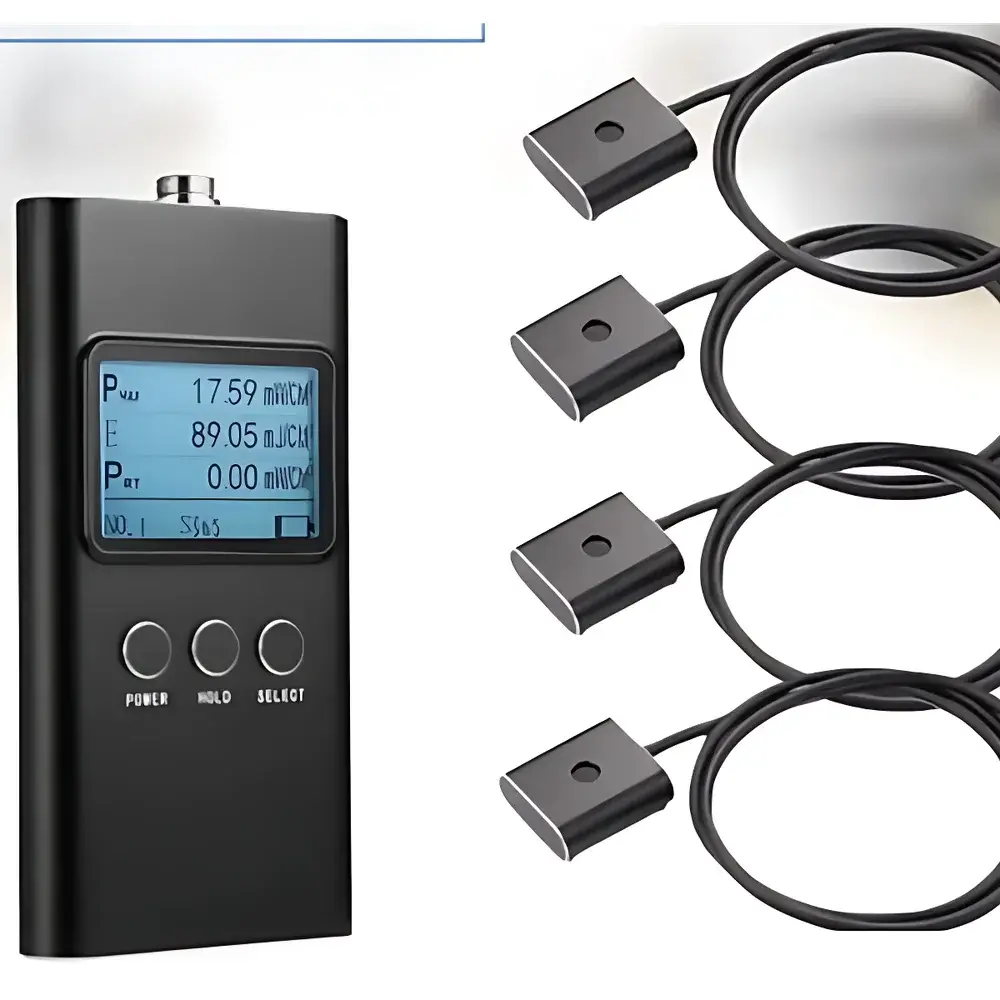
HengaoDe H18169 Portable Retroreflectometer for Road Safety Signage and Vehicle Conspicuity Materials
| Brand | HengaoDe |
|---|---|
| Origin | Beijing, China |
| Manufacturer Type | Authorized Distributor |
| Country of Manufacture | China |
| Model | H18169 |
| Price | USD 24.50 (FOB) |
| Observation Angle (α) | 0.2° |
| Incidence Angle (β) | −4° |
| Light Source | 2860 K Tungsten-Halogen Lamp |
| Detector | Silicon Photodiode Compliant with CIE V(λ) Luminous Efficiency Function |
| Retroreflectance Range | 0–1999 cd·lx⁻¹·m⁻² |
| Measurement Uncertainty | < ±5% |
| Battery Life | > 4 h |
| Weight | ≤ 2 kg |
| Operating Temperature | −10 °C to +50 °C |
| Relative Humidity | ≤ 80% RH |
Overview
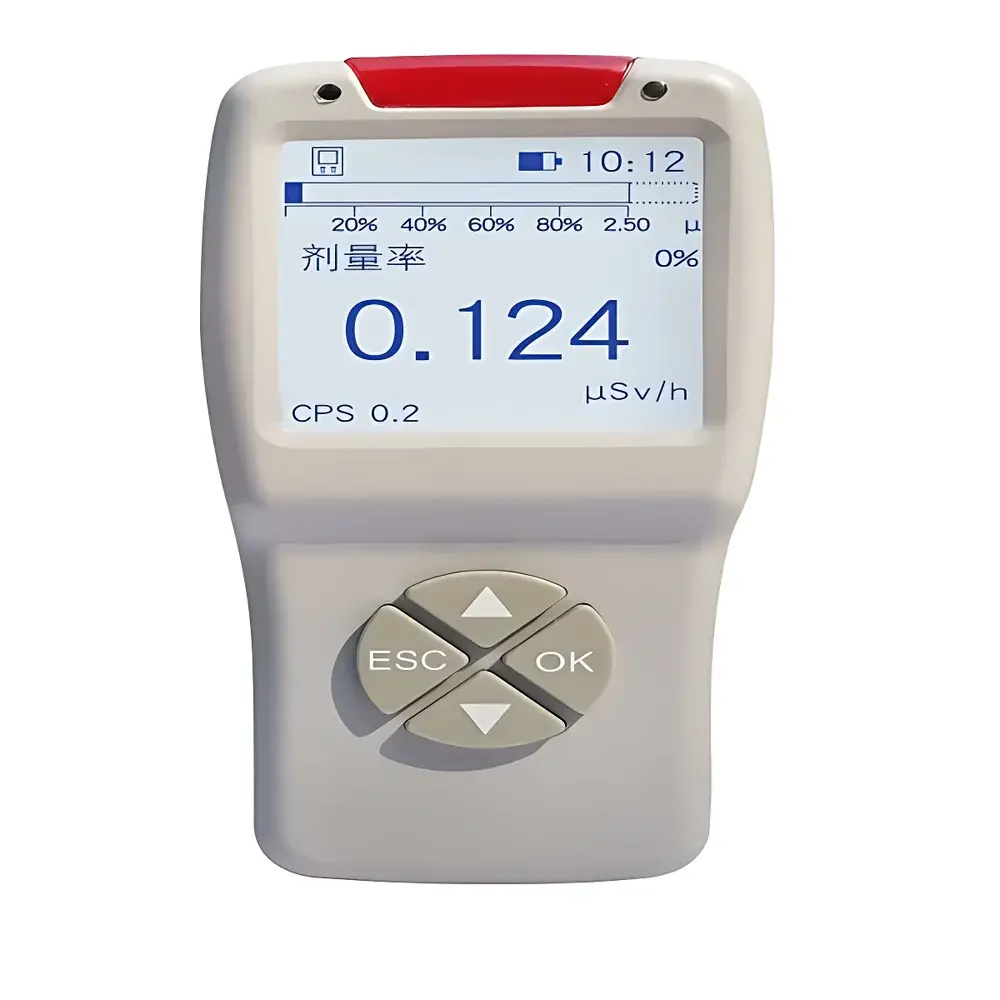
The HengaoDe H18169 Portable Retroreflectometer is an optoelectronic field measurement instrument engineered for quantitative assessment of retroreflective performance in traffic control devices and vehicle conspicuity materials. It operates on the principle of geometrically defined retroreflection—measuring luminous intensity returned along the incident light path under standardized observation and entrance angles per ISO 3864-1, EN 12899-1, and GB/T 18833–2012. Designed for compliance-driven applications in road safety inspection, this handheld device delivers traceable photometric data essential for regulatory verification of retroreflective sheeting, pavement markings, and Class I/II/III vehicle reflective tape per JT/T 612–2004. Its embedded 32-bit microcontroller and real-time operating system ensure deterministic response timing, stable signal acquisition, and immunity to ambient light interference during outdoor deployment.
Key Features
- Compact, ergonomic handheld form factor (< 2 kg) optimized for field technicians conducting roadside audits or fleet compliance checks.
- Calibrated optical geometry: fixed observation angle (α = 0.2°) and incidence angle (β = −4°), aligned with national and international retroreflection test protocols.
- CIE-standardized silicon photodetector with spectral responsivity matching the photopic luminosity function V(λ), eliminating need for post-measurement spectral correction.
- Integrated tungsten-halogen light source (2860 K color temperature) providing stable, repeatable illumination across measurement cycles.
- On-device LCD display with backlight support for low-light environments; real-time numeric readout in cd·lx⁻¹·m⁻² units.
- Rechargeable lithium-ion battery enabling >4 hours of continuous operation without external power—critical for multi-site inspections.
- Robust mechanical housing rated for industrial field use, including IP54-level ingress protection against dust and water splashes.
Sample Compatibility & Compliance
The H18169 is validated for direct measurement of retroreflective materials used in transportation infrastructure and commercial vehicles, including prismatic sheeting (e.g., 3M Diamond Grade™), microprismatic films, glass-bead-based tapes, and painted road markings. It meets the metrological requirements of GB/T 18833–2012 “Retroreflective Sheeting for Traffic Control Devices”, JT/T 612–2004 “Technical Requirements for Reflective Markings on Motor Vehicles”, and ASTM E808–22 “Standard Practice for Describing Retroreflected Light”. While not certified to ISO/IEC 17025 as a standalone calibration laboratory, the instrument supports traceability through factory calibration certificates referencing NIM (National Institute of Metrology, China) standards. Data outputs are compatible with QC documentation workflows required under ISO 9001:2015 and GB/T 19001–2016 quality management systems.
Software & Data Management
The H18169 operates as a stand-alone measurement tool with no onboard data logging or PC connectivity. All measurements are displayed in real time and require manual transcription into inspection reports or digital QA forms. For integration into enterprise quality management platforms, users may pair the instrument with third-party mobile data capture apps (e.g., Fulcrum, GoSpotCheck) via visual readout photography or voice annotation. Though lacking USB/Bluetooth interfaces, its consistent unit output (cd·lx⁻¹·m⁻²) ensures seamless compatibility with spreadsheet-based statistical process control (SPC) templates used in highway maintenance departments and vehicle safety certification bodies. No proprietary software is required; raw values conform directly to reporting fields in GB/T 22753–2008 and EN 13422:2021 documentation frameworks.
Applications
- Routine inspection of truck and trailer retroreflective conspicuity tape prior to annual DOT/FMCSA compliance audits.
- Verification of roadside signage retroreflectivity during highway asset condition surveys per AASHTO R18–22 guidelines.
- Pre-deployment validation of emergency vehicle markings (ambulances, fire trucks, utility crews) under EN 1789:2021.
- Quality assurance sampling in reflective material manufacturing facilities adhering to ISO 13698:2016.
- Field assessment of pavement marking degradation following winter de-icing chemical exposure or UV aging.
- Training and competency evaluation for traffic engineering technicians enrolled in IRWA or ITE certification programs.
FAQ
Does the H18169 comply with U.S. FHWA or European ECE R104 requirements?
The instrument satisfies the geometric and photometric parameters specified in FHWA’s “Manual on Uniform Traffic Control Devices (MUTCD) Part 3” for field verification, and its angular configuration aligns with ECE R104 Annex 3 test conditions. However, formal type-approval requires independent testing by an EU Notified Body.
Can it measure wet-retroreflectivity per EN 1436:2019?
No. The H18169 is configured for dry-condition measurements only. Wet-retroreflectivity requires a separate calibrated water film delivery system and dynamic lighting setup not integrated into this model.
What is the calibration interval recommendation?
Per GB/T 18833–2012 Annex B, recalibration is advised every 12 months or after 500 field measurements—whichever occurs first—using NIM-traceable reference standards.
Is the detector sensitivity affected by ambient temperature fluctuations?
The silicon photodiode incorporates thermal compensation circuitry; measurement drift remains within ±0.3% over the full operating range (−10 °C to +50 °C), verified per JJG 893–2019 calibration procedures.
How does it handle glare from direct sunlight during daytime roadside testing?
The optical aperture includes a baffle and narrow field-of-view collimator that limits stray light contribution to < 0.8% of full-scale signal, ensuring robustness in unshaded environments.
Related Products






