
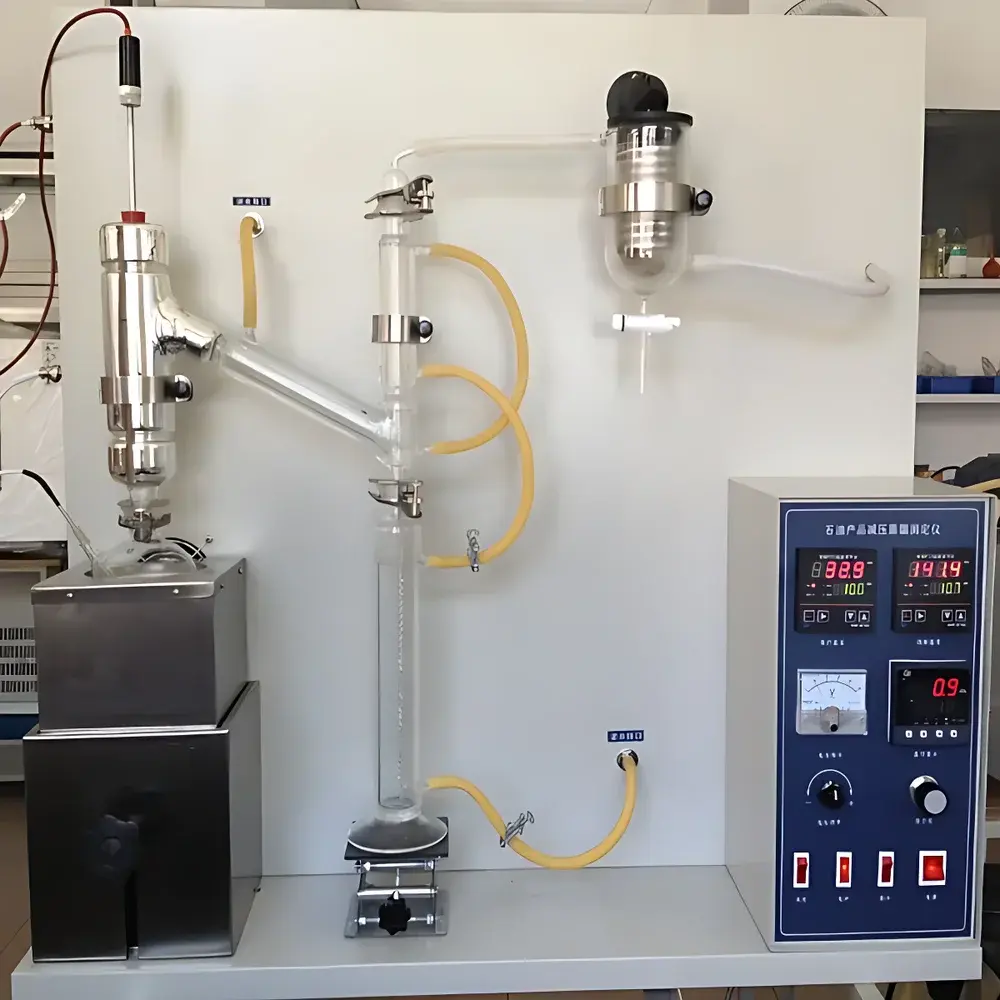
Hengaode HAD-NOD Portable Ammonia Water Concentration Analyzer with Graphite Hotplate, Kjeldahl Protein Analyzer, and Fuel Intermediate Crystallization Point Tester
| Brand | Hengaode |
|---|---|
| Origin | Beijing, China |
| Manufacturer Type | Distributor |
| Country of Origin | China |
| Model | HAD-NOD |
| Price | USD 65 |
| Measurement Principle | Electromagnetic Wave Absorption (Dielectric Sensing) |
| Concentration Range | 0–100% |
| Accuracy | ±0.1–±1% |
| Resolution | <0.01% |
| Operating Temperature (Sensor) | 0–78°C |
| Insertion Depth | 280 mm (customizable) |
| Weight | 2 kg |
| Graphite Hotplate Power | 4000 W |
| Temperature Control Range | Ambient to 450°C |
| Kjeldahl Analyzer Capacity | 40 samples/batch |
| Digestion Temp Range | Ambient to 600°C |
| Crystallization Point Tester Compliance | GB/T 2385–2007 |
| Bath Temp Range | Ambient to 150°C |
| Display Resolution | ±0.1°C |
| Stirring Speeds | 1200 rpm (bath), 60 rpm (sample tube) |
Overview
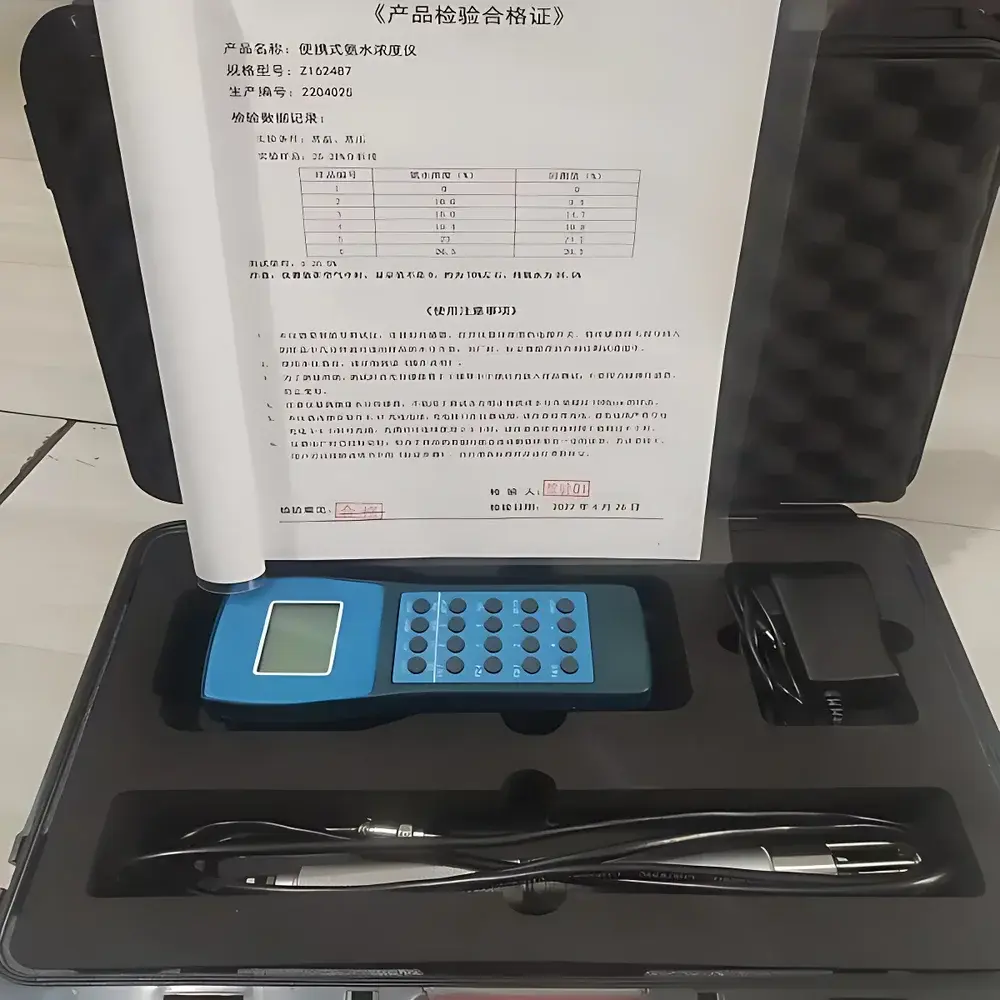
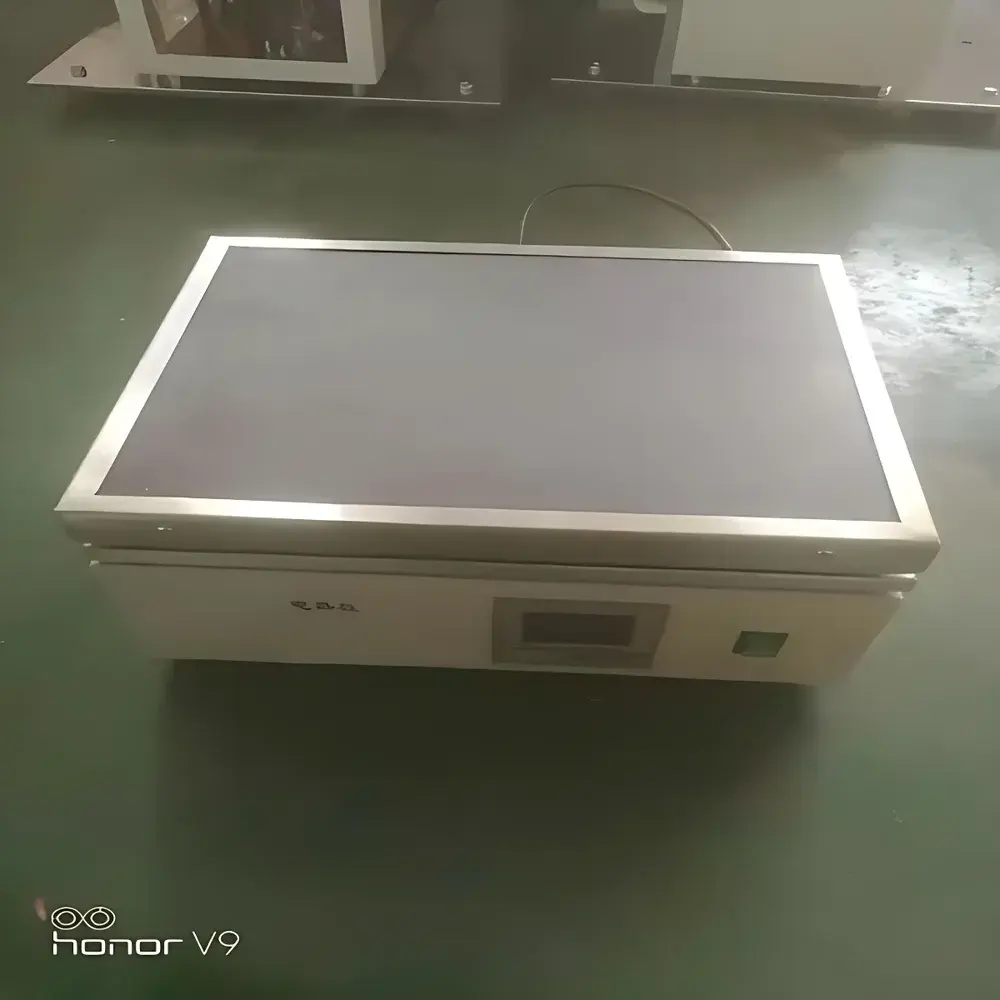
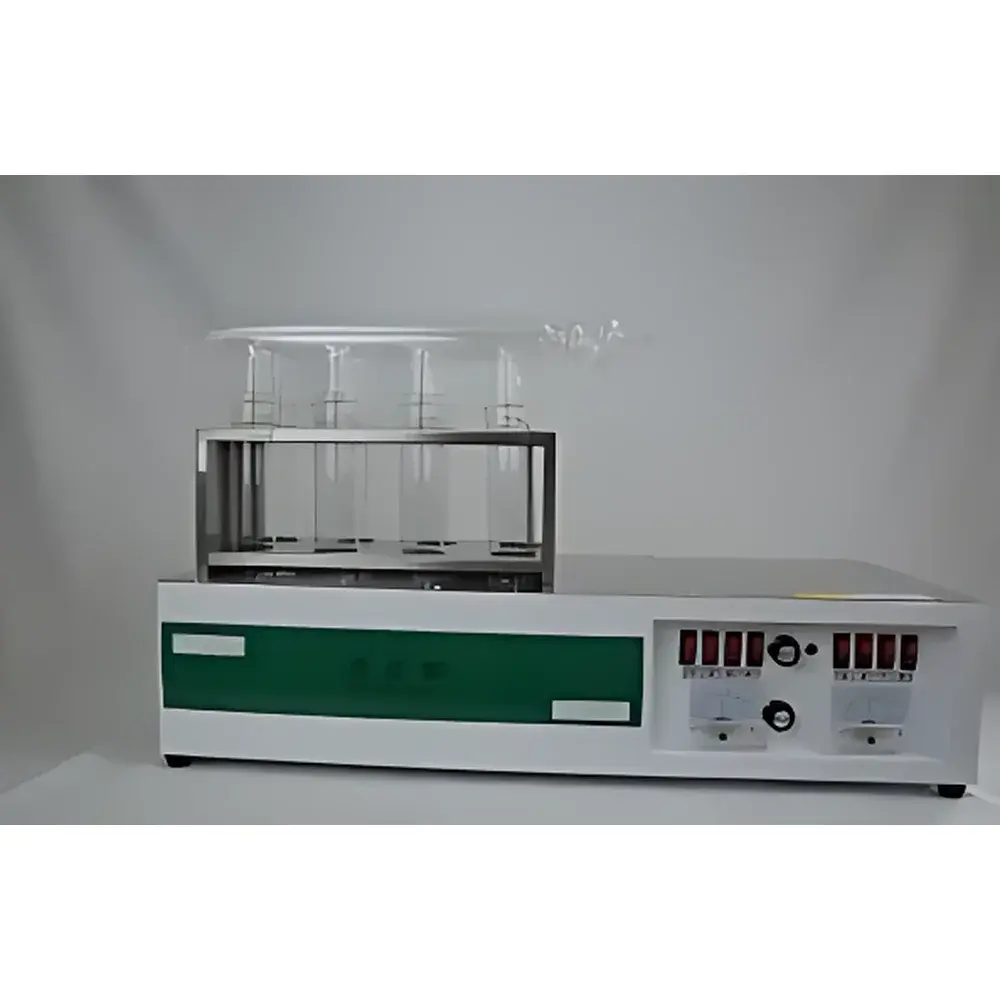
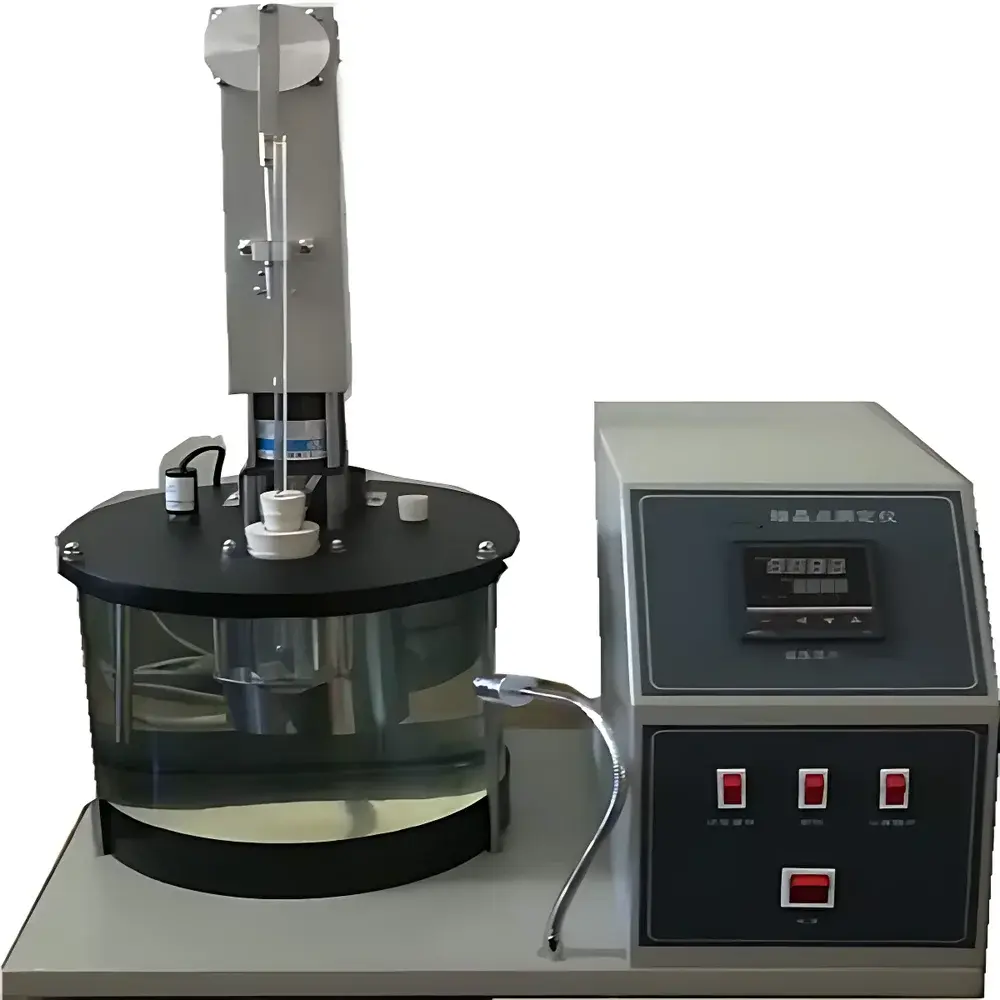
The Hengaode HAD-NOD Integrated Analytical Platform is a multi-instrument system designed for routine and regulatory-compliant water quality and industrial process analysis. It comprises four core modules: (1) a portable dielectric-based ammonia water concentration analyzer; (2) a graphite hotplate for controlled sample heating and digestion support; (3) a 40-position Kjeldahl protein analyzer for total nitrogen quantification in food, feed, and agricultural products; and (4) a crystallization point tester compliant with GB/T 2385–2007 for fuel intermediates. The concentration analyzer operates on electromagnetic wave absorption principles—measuring phase and amplitude shifts induced by dielectric permittivity differences between aqueous ammonia solutions and reference media. This non-contact, calibration-stable method enables real-time, in-line or at-line monitoring across dynamic ranges from 0.1% to 100% w/w, with resolution better than 0.01% and accuracy within ±0.1–±1%, depending on matrix composition and temperature stability. All instruments are engineered for precision, reproducibility, and long-term operational integrity under laboratory and pilot-plant conditions.
Key Features
- Concentration Analyzer: Dielectric sensing module with intelligent signal conditioning, analog-to-digital conversion, and embedded temperature compensation (0–78°C operating range); insertion depth of 280 mm (customizable for immersion or flow-cell configurations).
- Graphite Hotplate (HAD-450): 4000 W heating capacity, microprocessor-controlled PID regulation with Pt100 feedback, LCD display, and programmable timer (1–9999 min); working surface dimensions 600 × 400 × 230 mm.
- Kjeldahl Protein Analyzer (HAD-40L): 40-hole ceramic-heated digestion block with silicon carbide elements; steam distillation unit with automatic titration, conductivity-adaptive steam generation, and nitrogen recovery capability; temperature control ±1°C over 0–600°C range.
- Crystallization Point Tester (HAD-2385): Dual-speed stirring system (1200 rpm bath, 60 rpm sample tube), transparent borosilicate glass bath (Φ220 × 250 mm), Pt100 sensor, and intelligent PID controller with self-tuning; meets GB/T 2385–2007 requirements for intermediates with crystallization points from ambient to 150°C.
Sample Compatibility & Compliance
The HAD-NOD platform supports diverse sample matrices across regulated industries. The concentration analyzer is validated for aqueous ammonia, ethylene glycol, and ethanol solutions used in pharmaceutical synthesis, chemical manufacturing, and wastewater treatment. The Kjeldahl module complies with AOAC 984.13, ISO 8968–1, and GB/T 6432–2018 for nitrogen determination in cereals, dairy, meat, and feedstuffs. The crystallization point tester adheres strictly to GB/T 2385–2007, with traceable calibration using certified reference thermometers (50–100°C, 0.1°C division). All units meet CE-marked electrical safety standards (IEC 61010–1) and operate within environmental specifications of 5–35°C ambient temperature and ≤85% RH (non-condensing). No instrument incorporates proprietary consumables—standard ASTM/ISO-compliant digestion tubes, crystallization tubes, and conductivity cells are fully compatible.
Software & Data Management
While the base HAD-NOD configuration operates via dedicated front-panel controls and analog outputs, optional RS485 and HART communication interfaces enable integration into SCADA, DCS, or LIMS environments. The Kjeldahl analyzer logs digestion time, distillation duration, titrant volume, and calculated %N per sample with timestamp and operator ID—data exportable via USB to CSV or Excel. The concentration analyzer provides 4–20 mA output scaled to user-defined concentration ranges, supporting audit-ready traceability. All firmware supports GLP-compliant data integrity: electronic signatures, password-protected parameter modification, and tamper-evident event logging (e.g., calibration events, sensor disconnects). Firmware updates are performed via secure USB drive with SHA-256 checksum verification—no cloud dependency or remote access required.
Applications
This platform serves as a consolidated solution for QC/QA labs in chemical manufacturing, food & beverage processing, environmental testing, and petroleum refining. Specific use cases include: continuous monitoring of ammonia concentration in scrubber effluents; rapid validation of urea-formaldehyde resin batches; nitrogen content verification in soy protein isolates prior to spray drying; crystallization onset detection in nitrobenzene derivatives during solvent recovery; and standardized COD analysis in high-chloride refinery wastewaters (when paired with optional TC-100F chlorine interference eliminator). The graphite hotplate also functions independently as a digestion support unit for EPA Method 3010A and ISO 11885 metal extractions.
FAQ
Is the concentration analyzer suitable for corrosive ammonia solutions above 30% w/w?
Yes—the sensor housing is constructed from PTFE-coated 316 stainless steel, rated for continuous exposure to 35% ammonia at ≤70°C.
Can the Kjeldahl analyzer be validated per USP ?
Yes—its automated titration, temperature ramp profiling, and digital data capture meet USP requirements for system suitability and method verification.
Does the crystallization point tester support ASTM D1387?
No—this unit implements GB/T 2385–2007 exclusively; ASTM D1387 requires different cooling rate control and manual observation protocols.
What is the expected service life of the graphite hotplate’s heating element?
Under normal operation (≤400°C, intermittent use), the graphite plate maintains ≥95% thermal efficiency for >10,000 hours.
Are calibration certificates provided with purchase?
Each instrument ships with a factory calibration report traceable to NIM (National Institute of Metrology, China); ISO/IEC 17025-accredited calibration is available upon request.
Related Products







