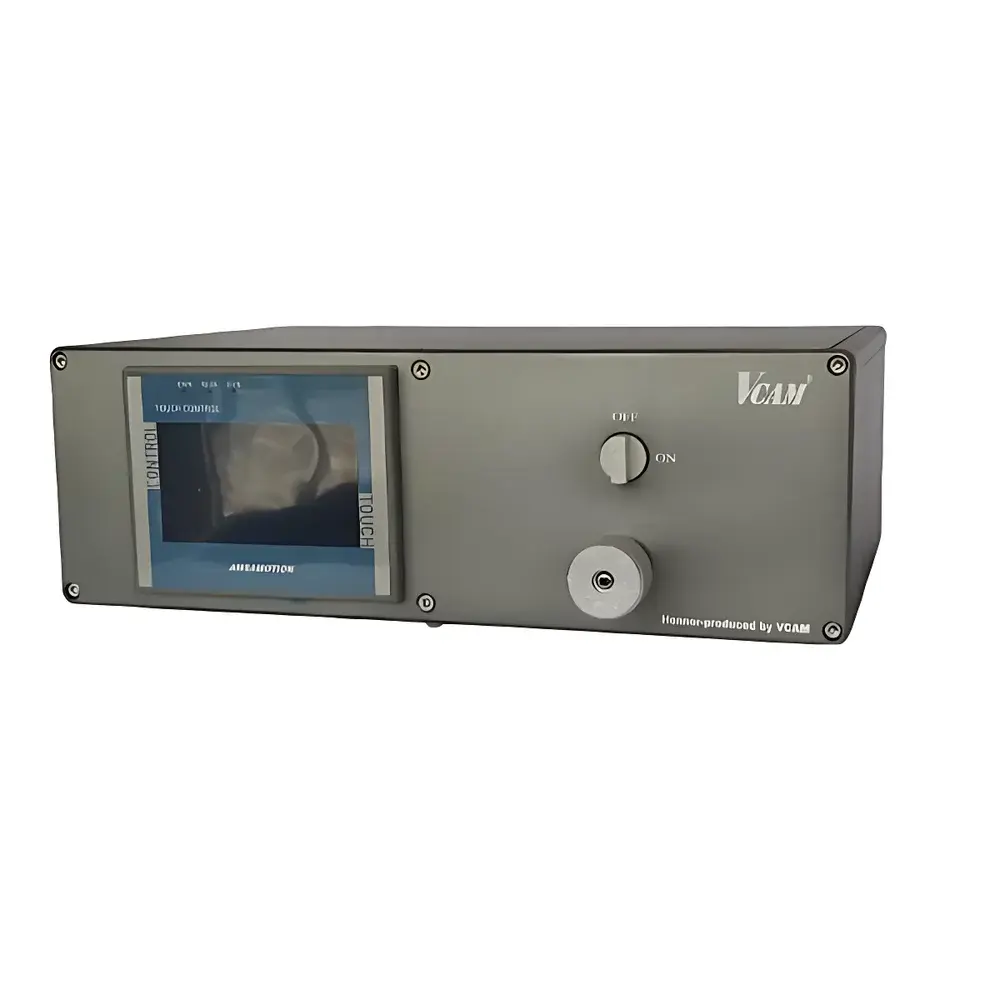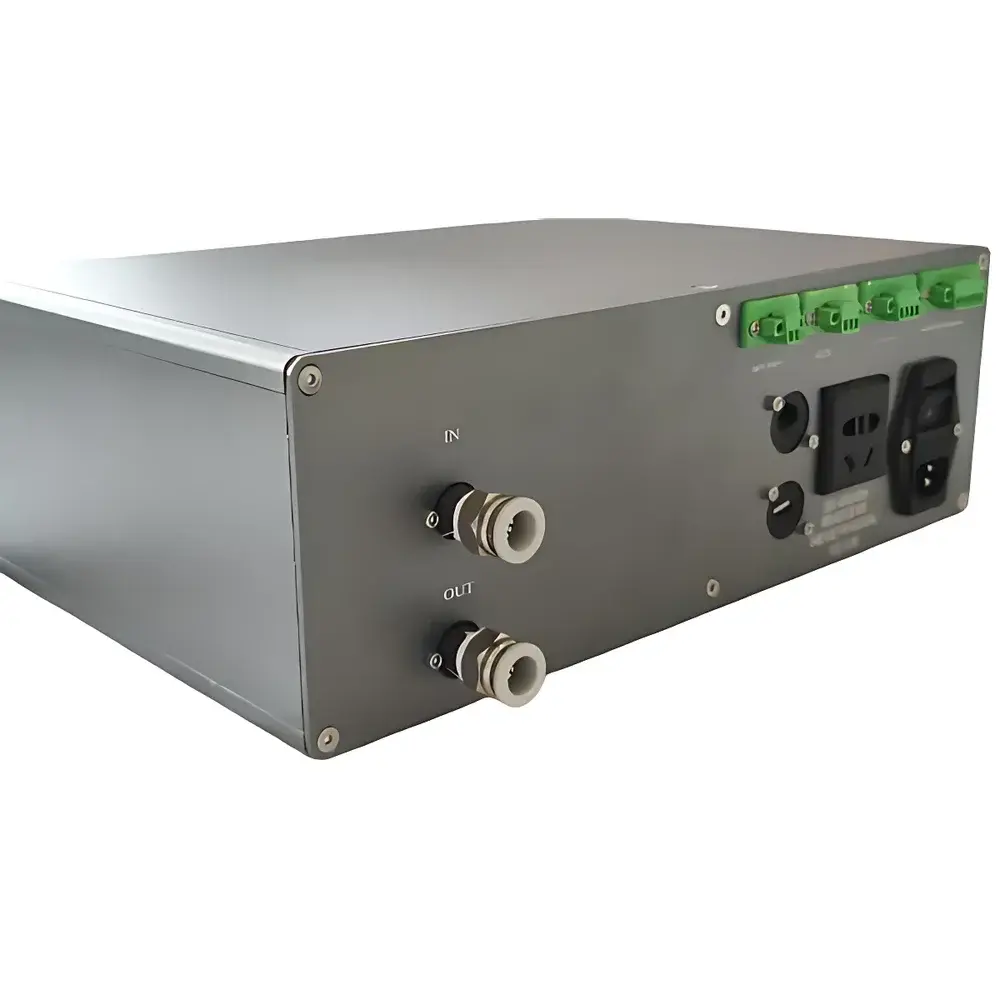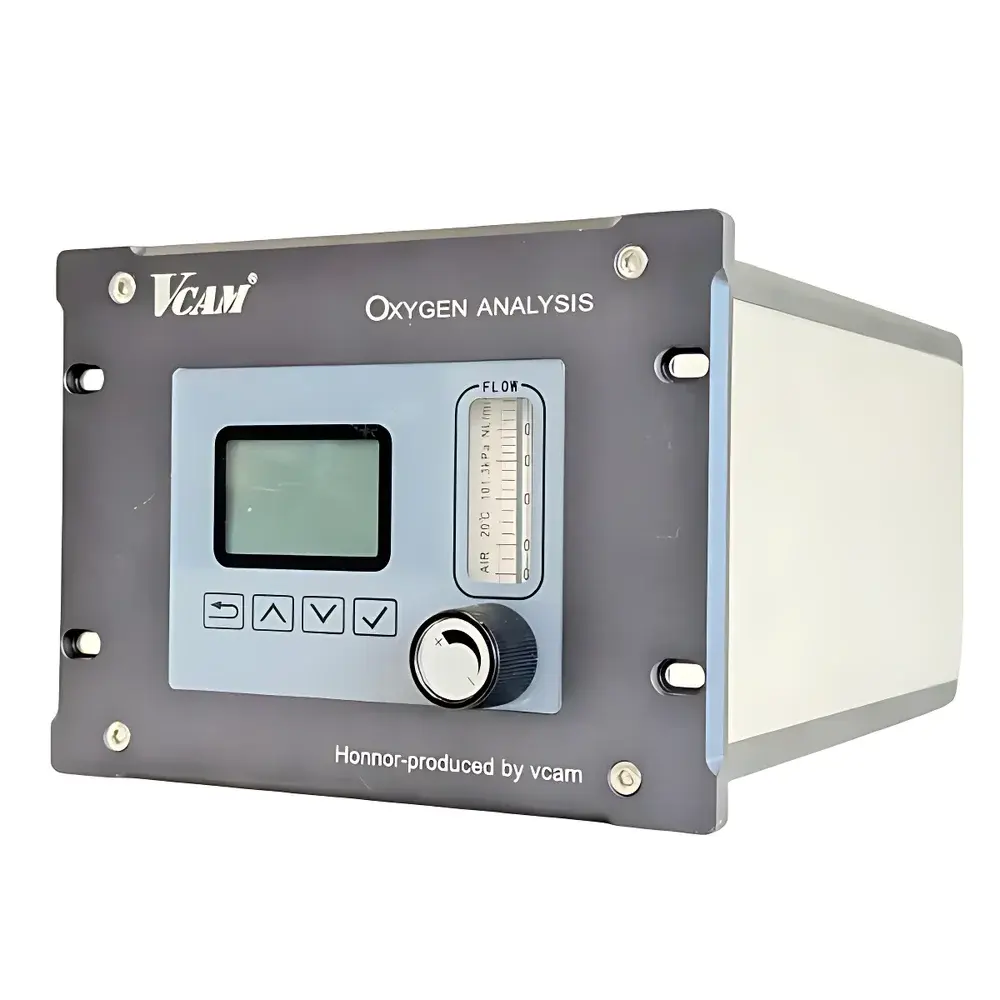
PSS AccuSizer A7000 Online Automatic Dilution Particle Counter
| Brand | Particle Sizing Systems (PSS) |
|---|---|
| Origin | USA |
| Model | FMS AccuSizer A7000 |
| Detection Principle | Single Particle Optical Sensing (SPOS) |
| Size Range | 0.5–400 µm (standard), optional 0.15–20 µm |
| Dilution Capability | Fully automated, programmable on-the-fly dilution |
| Compliance | Designed for GLP/GMP environments |
| Interface | Ethernet/IP, Modbus TCP, OPC UA ready |
| Sample Flow Path | Stainless steel 316L or PTFE-wetted materials |
| Operating Pressure | Up to 10 bar (customizable) |
| Temperature Range | 5–40 °C |
| Power | 100–240 VAC, 50/60 Hz |
Overview
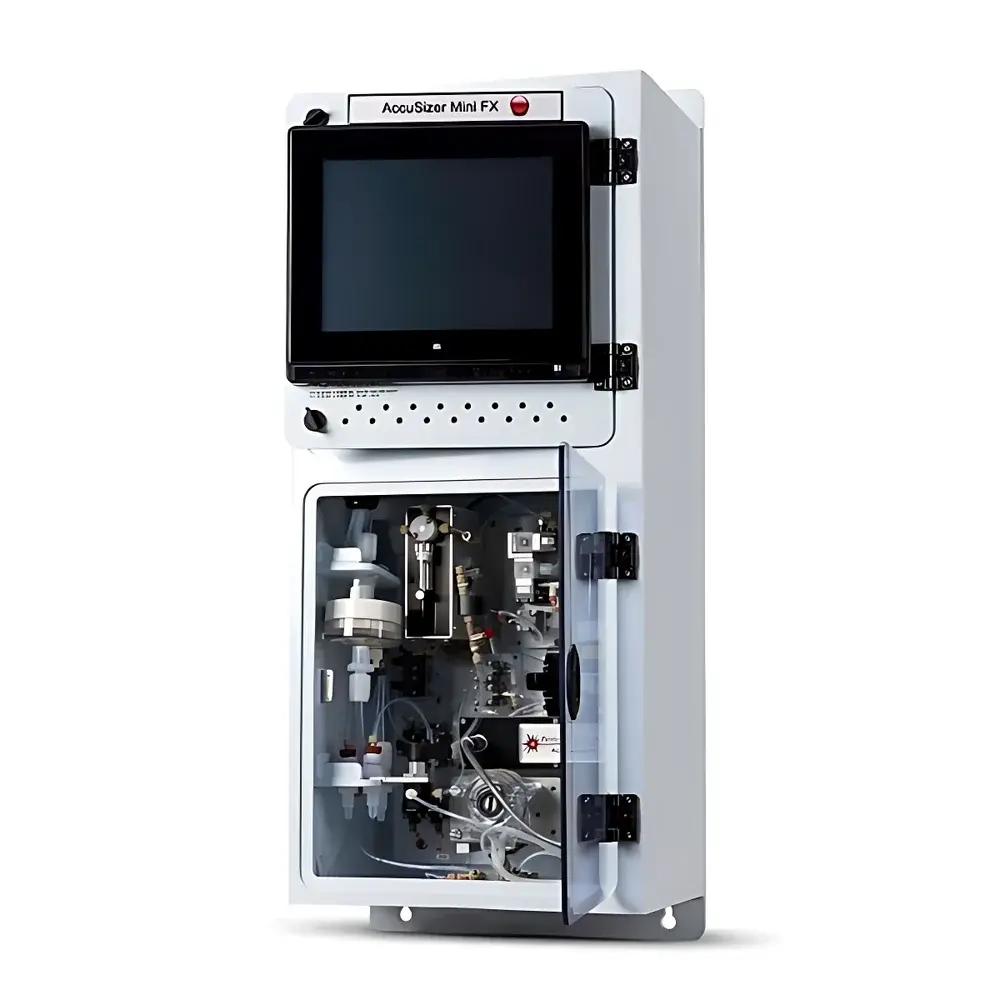
The PSS AccuSizer A7000 Online Automatic Dilution Particle Counter is an industrial-grade, real-time particle sizing and counting instrument engineered for continuous in-process monitoring of colloidal dispersions, slurries, injectables, and other heterogeneous liquid systems. It employs Single Particle Optical Sensing (SPOS) — a light extinction-based detection method where each particle passing through a precisely defined optical sensing zone generates a pulse proportional to its cross-sectional area. Unlike ensemble techniques such as laser diffraction, SPOS resolves individual particles with high resolution in the 0.5–400 µm range (with optional sub-0.2 µm capability), delivering both particle size distribution (PSD) and absolute particle count per unit volume. The A7000 integrates fully automated dilution and sampling control, enabling direct interfacing with production lines without manual intervention. Its architecture eliminates the need for offline lab analysis while preserving metrological traceability to benchtop AccuSizer systems — ensuring consistency across R&D, QC, and manufacturing stages.
Key Features
- Real-time, continuous particle counting and sizing with single-particle resolution across two calibrated ranges: standard 0.5–400 µm and high-sensitivity 0.15–20 µm.
- Fully automated, programmable dilution module that dynamically adjusts sample concentration to maintain sensor linearity — critical for high-concentration slurries (e.g., CMP polishing fluids) and biopharmaceutical suspensions.
- Integrated auto-sampler with configurable timing, flow rate, and trigger logic (e.g., batch start/end, pressure threshold, or PLC handshake).
- Robust wetted-path design using 316L stainless steel or chemically inert PTFE components, compliant with USP Class VI and ISO 13485 process fluid contact standards.
- Embedded data acquisition engine supporting time-stamped PSD histograms, cumulative counts, and event-based alarms (e.g., >X particles/mL above Y µm).
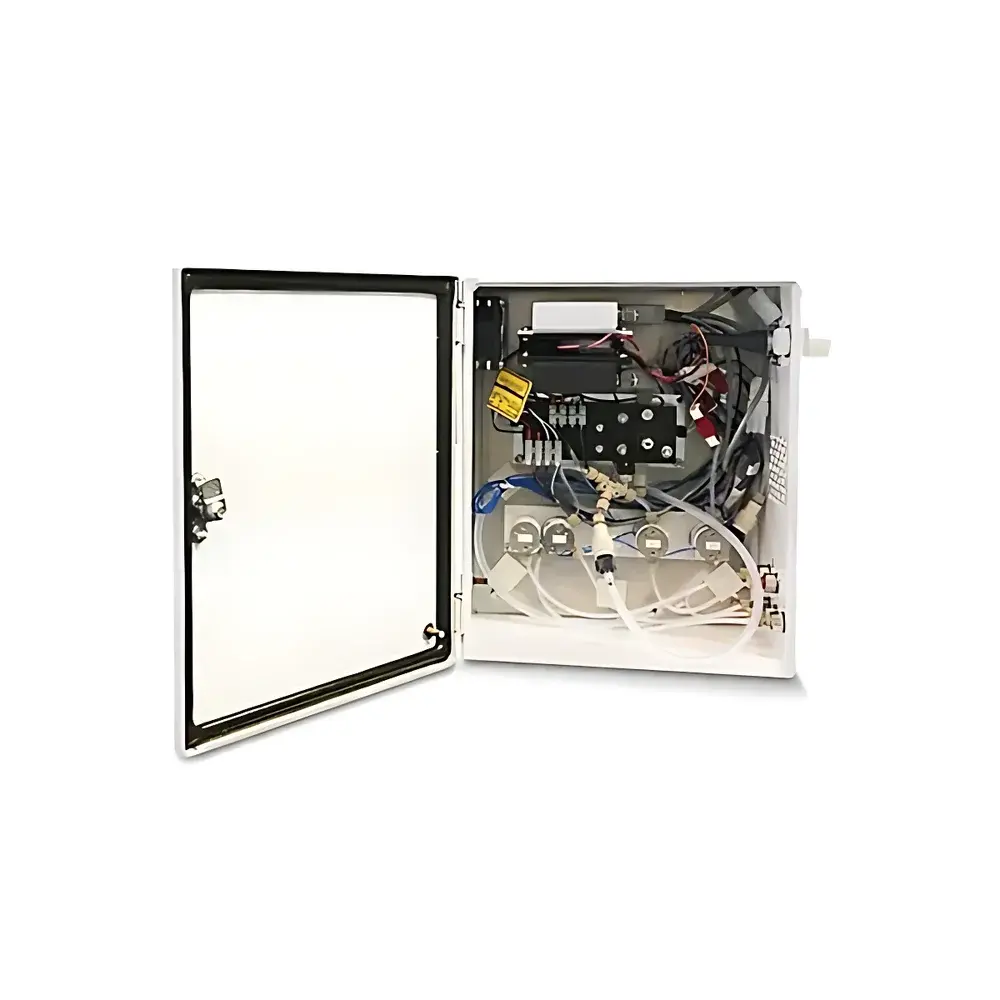
- Modular hardware architecture allowing field-upgradable sensors, pumps, and communication interfaces without system downtime.
Sample Compatibility & Compliance
The AccuSizer A7000 is validated for use with aqueous and non-aqueous suspensions, including abrasive slurries (SiO₂, CeO₂), protein aggregates in monoclonal antibody formulations, lipid nanoparticles (LNPs), vaccine emulsions, and ceramic dispersions. It meets key regulatory expectations for process analytical technology (PAT) deployment: raw data are stored with immutable timestamps, user access logs, and full audit trail functionality aligned with FDA 21 CFR Part 11 and EU Annex 11. Instrument qualification documentation (IQ/OQ/PQ protocols) is available. All calibration procedures reference NIST-traceable polystyrene latex (PSL) and silica standards per ISO 21501-4 and USP Chapter 788 for particulate matter in injections.
Software & Data Management
The system runs PSS’s proprietary AccuSizer Control Suite, a Windows-based SCADA-integrated platform supporting local HMI operation and remote supervisory control via Ethernet/IP or Modbus TCP. Data export formats include CSV, XML, and HDF5; real-time dashboards display moving-window PSDs, trend charts of key metrics (e.g., >5 µm count/mL), and deviation alerts. Historical datasets are indexed by batch ID, timestamp, and operator credentials. Optional 21 CFR Part 11-compliant electronic signature and role-based permission tiers ensure data governance in regulated environments. Integration with MES/ERP systems (e.g., Siemens Opcenter, Rockwell FactoryTalk) is supported through standardized API endpoints.
Applications
- CMP Slurry Monitoring: Real-time tracking of abrasive particle degradation and agglomeration during semiconductor wafer polishing — preventing defect generation and extending slurry bath life.
- Injectable Drug Manufacturing: In-line verification of subvisible particle levels in final fill batches per USP Chapter 788 and Chapter 789, reducing reliance on destructive end-product testing.
- Nanomedicine Production: Continuous characterization of LNP size stability during microfluidic mixing and post-dilution steps.
- Chemical Catalyst Dispersion: Monitoring of metal oxide nanoparticle homogeneity in catalytic suspension reactors.
- Paint & Coating Formulation: Detection of early-stage flocculation or pigment settling in inline recirculation loops.
FAQ
How does the automatic dilution system preserve measurement accuracy?
The dilution module uses precision metering pumps and gravimetric feedback to deliver repeatable dilution ratios (1:10 to 1:1000). Raw counts are mathematically back-calculated to original concentration using validated dilution factor compensation algorithms — traceable to NIST SRM 1963.
Can the A7000 replace offline lab instruments for release testing?
Yes — when qualified per ICH Q5A and USP Chapter 1059, it serves as a primary PAT tool for real-time release testing (RTRT) under FDA guidance, provided correlation studies demonstrate equivalence to compendial methods.
What maintenance intervals are recommended?
Optical sensor cleaning every 72 operational hours; pump tubing replacement every 6 months; annual recalibration with PSL standards and system performance verification.
Is hazardous area certification available?
ATEX Zone 2 and Class I Div 2 configurations are available upon request, including explosion-proof enclosures and intrinsically safe signal conditioning.
Does the system support multi-stream monitoring?
Yes — up to four independent sample loops can be multiplexed using optional valve manifolds and synchronized acquisition firmware.