
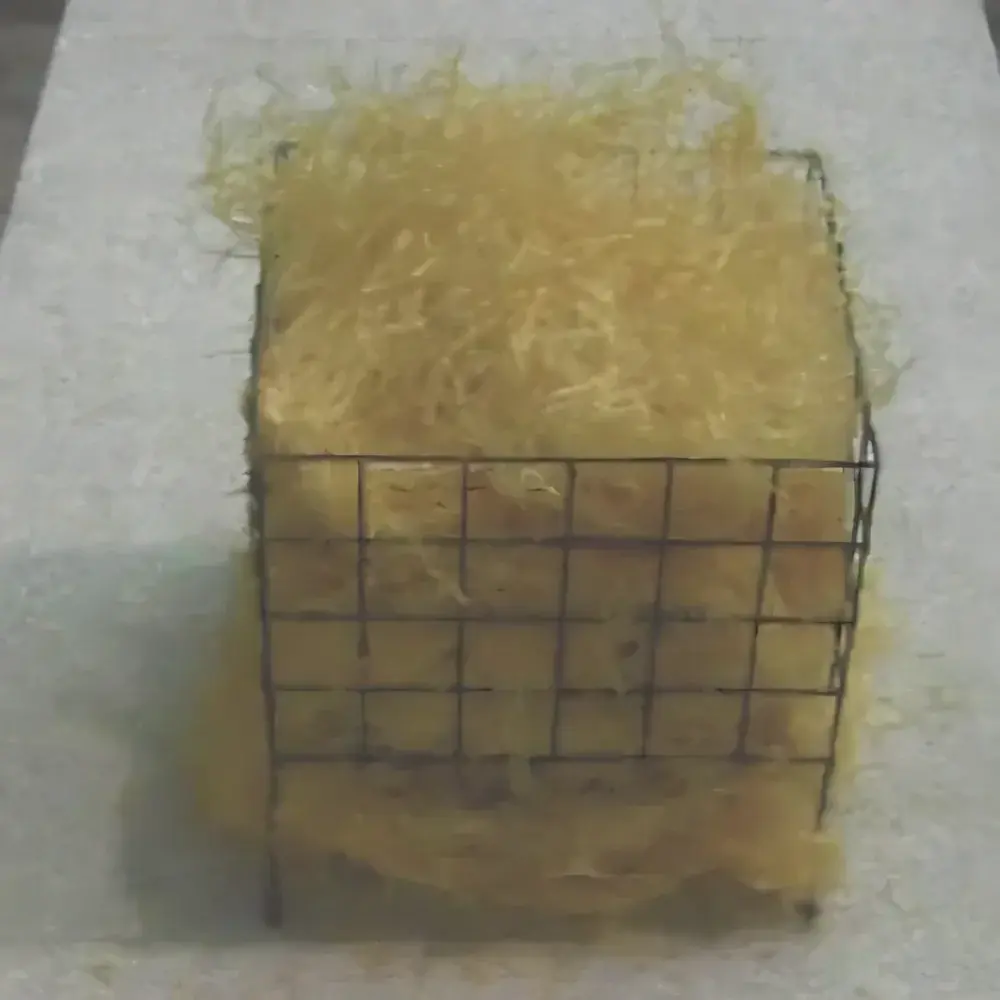
Roofing Product External Fire Reaction Test Apparatus – Method A (TTech-GBT30735-A)
| Brand | TESTech |
|---|---|
| Model | TTech-GBT30735-A |
| Standard Compliance | GB/T 30735, BS EN 13501-5, ENV 1187 |
| Test Methods | Four-tier external fire exposure protocols (Method A: Wood Shavings Ignition Source) |
| Sample Support | Motorized adjustable-angle stainless steel test frame (W ≥ 1.2 m, L ≥ 2.1 m) |
| Ignition Assembly | 300 × 300 × 200 mm open-top steel wire basket (3 mm diameter low-carbon steel, 50 × 50 mm mesh, 650 ± 50 g mass, four 10 mm support feet) |
| Consumable Specification | Softwood shavings (spruce/pine/fir), ~2 mm width, 0.2–0.3 mm thickness |
| Origin | Jiangsu, China |
| Manufacturer Type | Domestic OEM |
Overview
The TTech-GBT30735-A Roofing Product External Fire Reaction Test Apparatus is a precision-engineered combustion test system designed to evaluate the performance of roofing materials when subjected to simulated external fire exposure. It operates in strict accordance with three internationally recognized standards: GB/T 30735–2014 Test Method for External Fire Exposure Resistance of Roof Assemblies, BS EN 13501-5:2016 Fire Classification of Construction Products and Building Elements – Part 5: Classification Using Data from External Fire Exposure Tests, and ENV 1187:2002 Test Methods for External Fire Exposure to Roofs. The apparatus implements Method A — the wood shavings ignition source method — which replicates realistic ember and flame impingement conditions encountered during wildland-urban interface (WUI) fires. Unlike interior flammability tests, this system assesses roof assembly integrity under dynamic external thermal stress, including convective heat transfer, forced airflow, and optional radiant heat supplementation. Its modular architecture supports all four standardized test configurations: Test 1 (burner only), Test 2 (burner + wind), Test 3 (burner + wind + auxiliary radiation), and Test 4 (two-stage heating with burner, wind, and radiation). This enables comprehensive classification per EN 13501-5’s BROOF(t4), CROOF(t4), DROOF(t4), and FROOF categories.
Key Features
- Modular combustion chamber with integrated propane-fired burner and calibrated air blower (0–10 m/s adjustable, traceable to ISO 5167)
- Motorized, programmable sample support frame fabricated from AISI 304 stainless steel; tilt angle adjustable from 0° to 45° in 0.1° increments for precise slope simulation
- Dedicated Method A ignition assembly: 300 × 300 × 200 mm open-top wire basket (low-carbon steel, 3 mm diameter, 50 × 50 mm mesh), mass-controlled at 650 ± 50 g, with four 10 mm protruding feet for stable placement
- Large-format test platform (≥1200 mm wide × ≥2100 mm long) accommodating full-scale roof assemblies, including membrane layers, insulation, decking, and edge details
- Integrated digital timer with start/stop triggers synchronized to burner ignition, airflow activation, and radiation onset
- Thermocouple array (Type K, Class 1, 0.5 °C accuracy) mounted per standard positioning requirements for surface temperature monitoring
- Compliance-ready documentation package including calibration certificates, installation qualification (IQ), and operational qualification (OQ) templates aligned with GLP and ISO/IEC 17025 laboratory accreditation requirements
Sample Compatibility & Compliance
The TTech-GBT30735-A accommodates rigid, semi-rigid, and flexible roofing systems — including bituminous membranes, single-ply polymers (TPO, PVC, EPDM), metal panels, photovoltaic-integrated roofs, green roof assemblies, and composite sandwich panels. Sample preparation follows Clause 6 of GB/T 30735 and Annex A of BS EN 13501-5, requiring representative field-installed configurations with all fasteners, adhesives, and termination details. The system supports testing of both new and aged specimens, with optional UV pre-conditioning modules available. All test procedures are fully traceable to national and European regulatory frameworks governing building product fire safety, including China’s CCC certification pathway, EU Construction Products Regulation (CPR) CE marking, and U.S. International Building Code (IBC) Appendix Chapter 15 references to ASTM E108 and FM 4470. Data outputs satisfy audit requirements for ISO 9001, ISO 14001, and ISO 45001 integrated management systems.
Software & Data Management
The apparatus integrates with TESTech’s FireLab™ Control Suite v3.2 — a Windows-based application compliant with FDA 21 CFR Part 11 for electronic records and signatures. The software provides real-time acquisition of thermocouple readings, airflow velocity, burner pressure, and elapsed time. It auto-generates test reports conforming to EN 13501-5 Annex B templates, including pass/fail determination against flame spread, penetration, and sustained flaming criteria. Audit trails record user actions, parameter changes, and calibration events with time stamps and operator IDs. Export formats include PDF/A-1b (archival), CSV (for statistical analysis), and XML (for integration into LIMS platforms such as LabWare or Thermo Fisher SampleManager). All firmware and software updates undergo regression testing per IEC 62304 Class B medical device software standards to ensure deterministic behavior during critical test phases.
Applications
- Classification of roofing products for compliance with national building codes (e.g., GB 50016, DBJ 01-62, NFPA 256)
- Development and validation of fire-retardant coatings and intumescent underlayments for photovoltaic roof installations
- Third-party certification testing for CE marking under CPR Article 9(2) and Declaration of Performance (DoP) generation
- Fire risk assessment of rooftop-mounted solar arrays, battery enclosures, and HVAC units
- Research on thermal degradation kinetics of polymer-modified bitumen and bio-based roofing substrates
- Support for insurance underwriting evaluations and wildland-urban interface (WUI) mitigation program submissions to state fire marshal offices
FAQ
What distinguishes Method A (wood shavings) from Methods B and C in EN 13501-5?
Method A uses a controlled biomass ignition source to simulate wind-driven embers and spot fires; Method B employs a gas burner for direct flame impingement; Method C applies radiant heat flux only. Each method addresses distinct fire exposure scenarios and yields non-interchangeable classification outcomes.
Can the TTech-GBT30735-A be used for testing photovoltaic (PV) roof systems?
Yes — the large test platform and configurable airflow/radiation modules enable full-system evaluation of PV-integrated roofs, including junction box integrity, cable routing fire propagation, and module frame melting behavior under external flame exposure.
Is calibration traceable to national metrology institutes?
All critical sensors (thermocouples, anemometers, pressure transducers) are calibrated annually against NIM (China National Institute of Metrology) or UKAS-accredited reference standards, with certificates provided upon delivery.
Does the system support automated reporting for certification bodies?
Yes — FireLab™ generates EN 13501-5–compliant reports with embedded digital signatures, revision control, and tamper-evident PDF seals meeting ILAC P10 requirements for accredited testing laboratories.
What maintenance intervals are recommended for sustained compliance?
Burner nozzle inspection every 50 test cycles; wire basket replacement after 200 ignitions or visible deformation; annual full-system verification per ISO/IEC 17025 Clause 6.4.10.



