
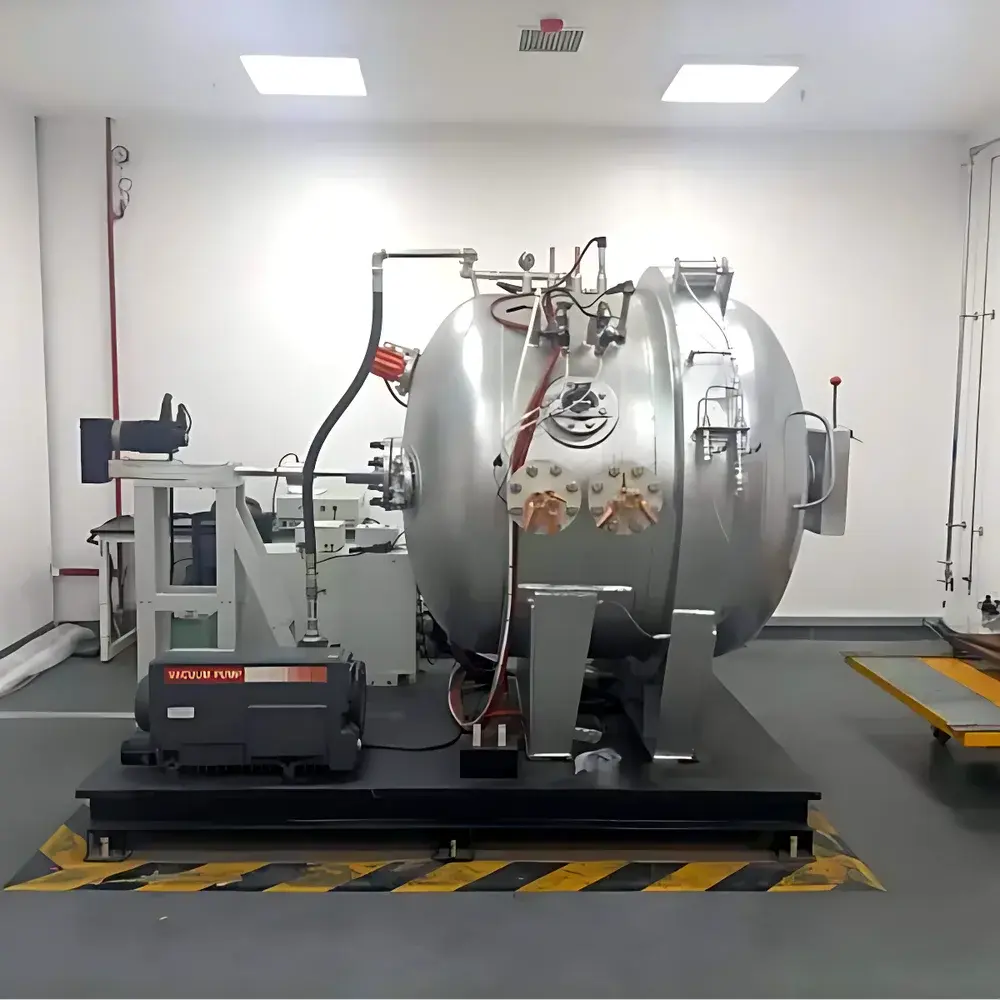
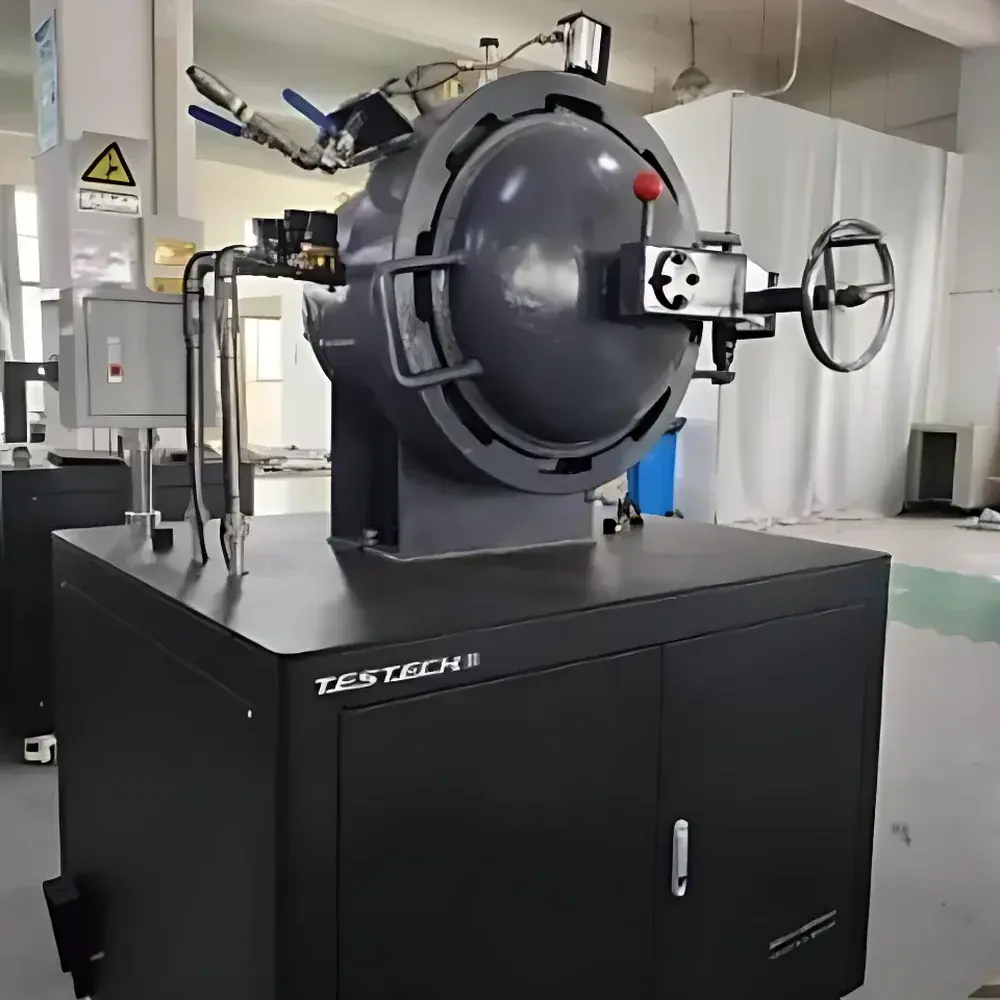
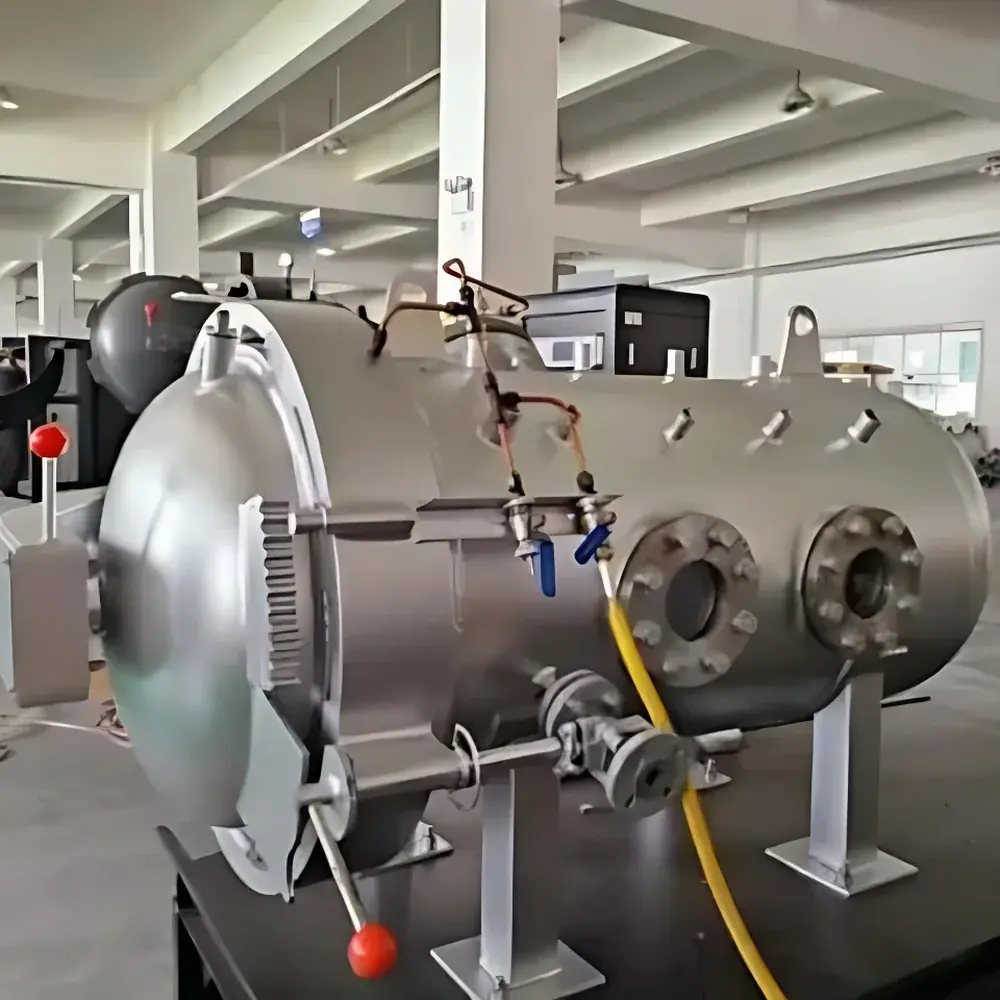
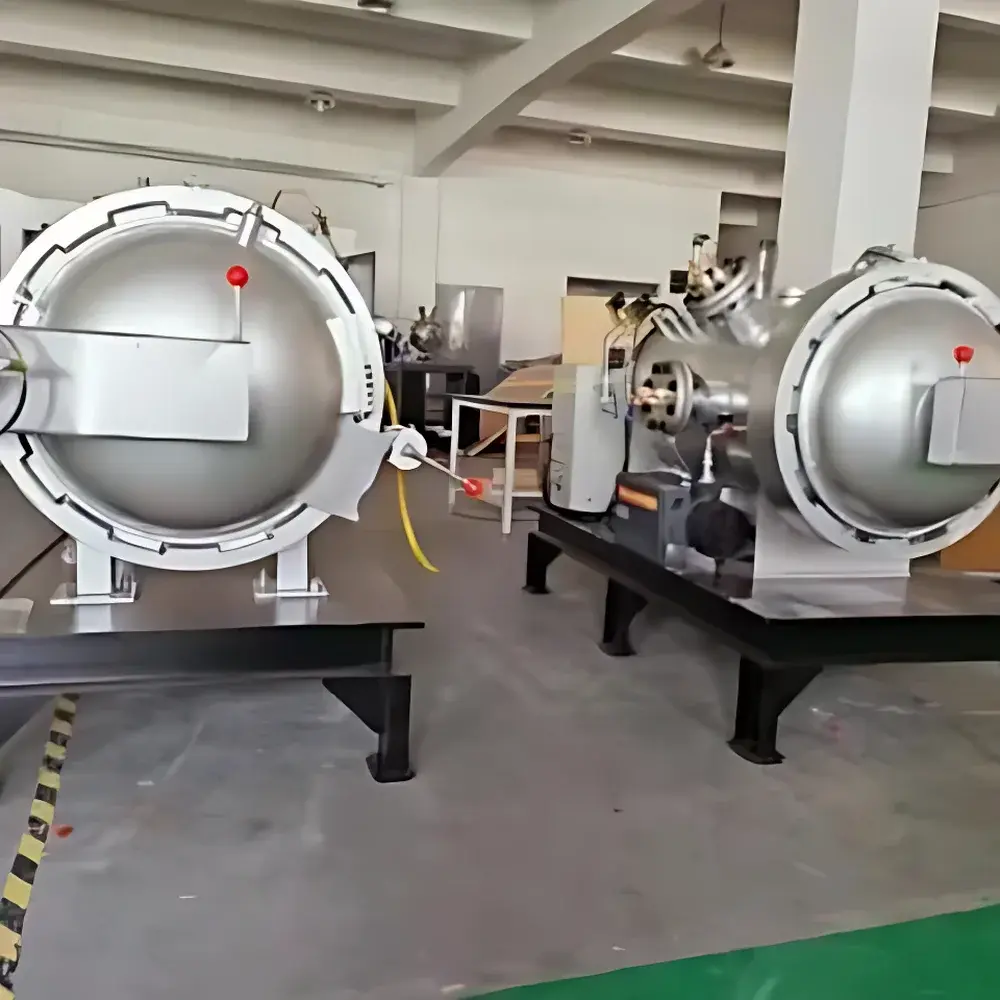
TESTech TTech-Exp Battery Cell Thermal Runaway Gas Generation Test Chamber
| Brand | TESTech |
|---|---|
| Origin | Jiangsu, China |
| Manufacturer Type | Direct Manufacturer |
| Country of Origin | China |
| Model | TTech-Exp |
| Price Range | USD 150–300 (FOB) |
| Volume Options | 82 L, 160 L, 280 L, 320 L, 600 L, 800 L, 1500 L |
| Construction Material | 304 Stainless Steel or Carbon Steel |
| Pressure Rating | Up to 10 MPa (customizable) |
| Temperature Range | Ambient to 300 °C (integrated heating) |
| Vacuum Capability | ≤10 Pa (optional) |
| Gas Compatibility | N₂ (99.99%), inert atmosphere operation |
| Safety Features | Explosion-proof design, pressure relief valve, interlocked safety door, leak-proof electrical enclosure, real-time pressure/temperature/voltage monitoring |
| Data Acquisition | Synchronized logging of T, P, V, I, time-stamped gas sampling trigger, video recording with timestamp overlay |
| Compliance Support | Designed for alignment with UN GTR 20, GB/T 38031–2020, ISO 12405-4, and internal OEM thermal runaway validation protocols |
Overview
The TESTech TTech-Exp Battery Cell Thermal Runaway Gas Generation Test Chamber is an engineered pressure containment system designed specifically for controlled simulation and quantitative analysis of gas evolution during lithium-ion battery cell thermal runaway. Based on ASTM E2993–22 and aligned with ISO 12405-4 Annex D requirements for cell-level abuse testing, the chamber operates on a sealed, instrumented vessel principle where electrochemical failure is induced under reproducible thermal, electrical, or mechanical stimuli—such as external heating, overcharge, nail penetration, or laser irradiation—while continuously monitoring thermodynamic and electrical parameters. Its primary purpose is to support quantitative gas volume measurement, real-time pressure rise kinetics, compositional sampling (via integrated gas-tight syringe ports or online GC coupling), and failure mode correlation. The system does not perform chemical analysis in situ but provides standardized, metrologically traceable environmental conditions required for downstream gas chromatography (GC), FTIR, or mass spectrometry (MS) analysis.
Key Features
- Modular pressure vessel architecture available in seven standard volumes (82 L to 1500 L), enabling scalability from single pouch/prismatic cells to small battery modules.
- Multi-stimulus abuse capability: programmable external heating, constant-current overcharge, calibrated mechanical penetration (nail/screw), and optional laser-induced thermal ramping.
- Integrated data acquisition system synchronizing temperature (K-type thermocouples, ±0.5 °C), pressure (0–10 MPa, ±0.25% FS), voltage (±0.1% RDG), current (±0.5% RDG), and time-stamped event triggers for gas sampling.
- Active atmosphere control: vacuum evacuation down to ≤10 Pa; inert gas purging (N₂ ≥99.99%) with mass flow regulation and O₂ residual monitoring (<100 ppm).
- Explosion-resistant construction: ASME BPVC Section VIII Div. 1–compliant vessel design (upon request); reinforced 304 stainless steel or certified carbon steel body; dual-stage pressure relief valves with rupture disc backup.
- Full-spectrum operational safety: interlocked access door with force-limited opening mechanism; ground-fault circuit interrupter (GFCI)-protected power distribution; IP54-rated electrical enclosures; continuous smoke detection interface.
Sample Compatibility & Compliance
The TTech-Exp accommodates cylindrical (18650, 21700, 4680), prismatic, and pouch cells up to 1000 mm × 1000 mm × 500 mm (1500 L configuration). All chambers are manufactured per Chinese national standard GB/T 150.1–2011 (Pressure Vessels) and may be supplied with third-party inspection certification (e.g., CCC, CE Machinery Directive 2006/42/EC upon customer-specified configuration). While not inherently certified to UL 1642 or IEC 62619, the system supports test execution compliant with those standards’ procedural requirements when operated within defined stimulus limits and documented SOPs. It is routinely deployed in GLP-regulated environments for battery safety qualification, supporting audit-ready data logs with user authentication, electronic signatures, and 21 CFR Part 11–compatible software options (add-on module).
Software & Data Management
The embedded control interface provides real-time visualization of all monitored parameters with configurable alarm thresholds (e.g., pressure > 5 MPa → automatic vent sequence initiation). Raw data is exported in CSV and MATLAB (.mat) formats, including metadata headers for traceability (test ID, operator, timestamp, calibration IDs). Optional TESTech DataVault™ software adds role-based access control, automated report generation (PDF/Excel), trend analysis across multiple test runs, and integration with LIMS via RESTful API. All data files include cryptographic hash verification to ensure integrity during transfer or archival—critical for regulatory submission packages.
Applications
- Quantitative gas yield assessment (mL/g of active material) during thermal runaway propagation studies.
- Correlation of gas evolution rate (dV/dt) with voltage collapse and surface temperature gradients.
- Validation of flame-retardant electrolyte formulations under standardized abuse conditions.
- Development and verification of battery management system (BMS) thermal runaway detection algorithms.
- Supporting UN 38.3 T.5 (thermal abuse) and T.6 (external short circuit) test preparation with integrated diagnostics.
- Pre-normative research for evolving standards such as ISO/NP 19787 (Electric vehicle battery safety) and SAE J2464 revision updates.
FAQ
What safety certifications does the TTech-Exp chamber hold?
Standard units comply with GB/T 150.1–2011 and are manufactured under ISO 9001:2015 quality management systems. Optional third-party pressure vessel certification (ASME, PED 2014/68/EU) is available upon order specification.
Can the chamber interface with external gas analyzers?
Yes—standardized 1/4″ Swagelok® sampling ports with septum-sealed valves enable direct connection to GC, FTIR, or portable NDIR sensors. Custom flange adapters (CF, KF) are supported.
Is vacuum capability standard or optional?
Vacuum evacuation (≤10 Pa) is an optional add-on configured with dual-stage rotary vane pump and digital vacuum gauge; included in most 600 L and larger configurations.
What maintenance is required for long-term reliability?
Annual recalibration of pressure transducers and thermocouples is recommended; O-ring replacement every 12 months or after 50 test cycles; full vessel hydrostatic test every 5 years per GB/T 150.4.
Does the system support remote operation and monitoring?
Ethernet-enabled controllers allow secure remote access via VPN; video feed and live parameter streaming are supported using RTSP protocol with TLS encryption.






