
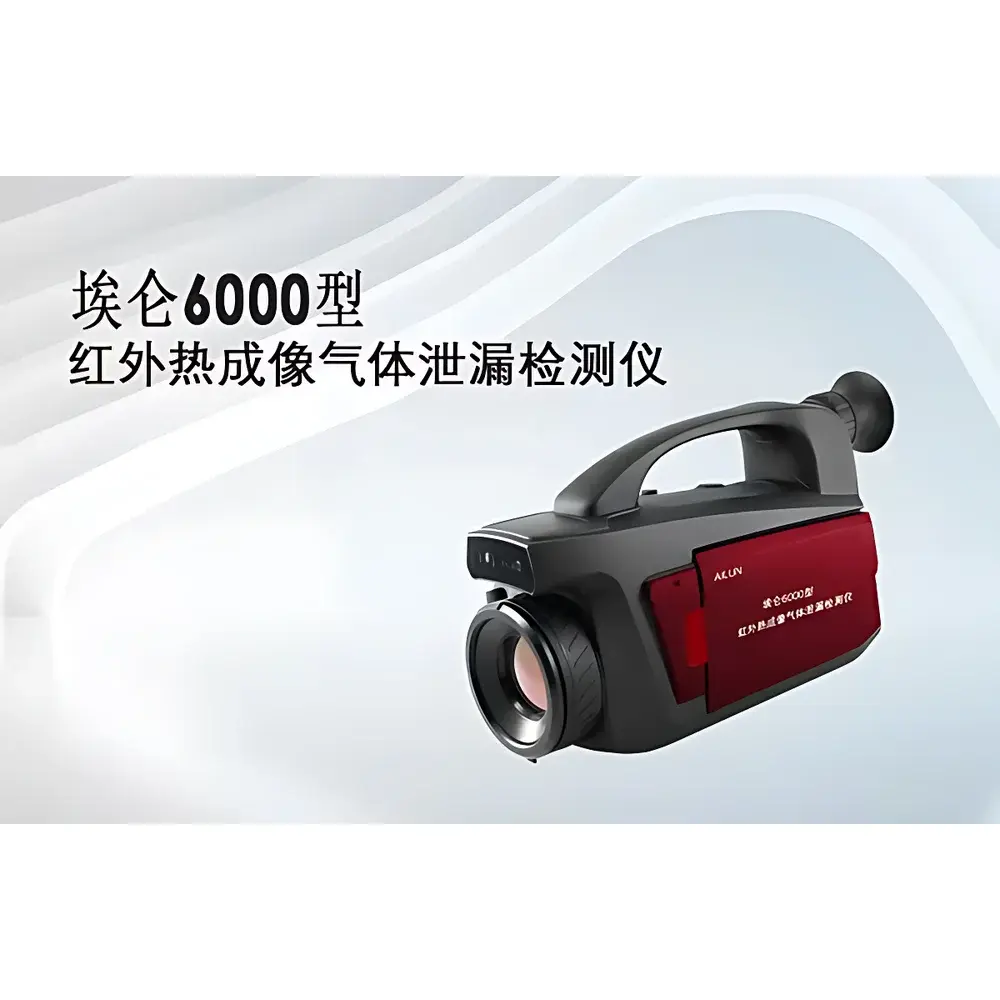
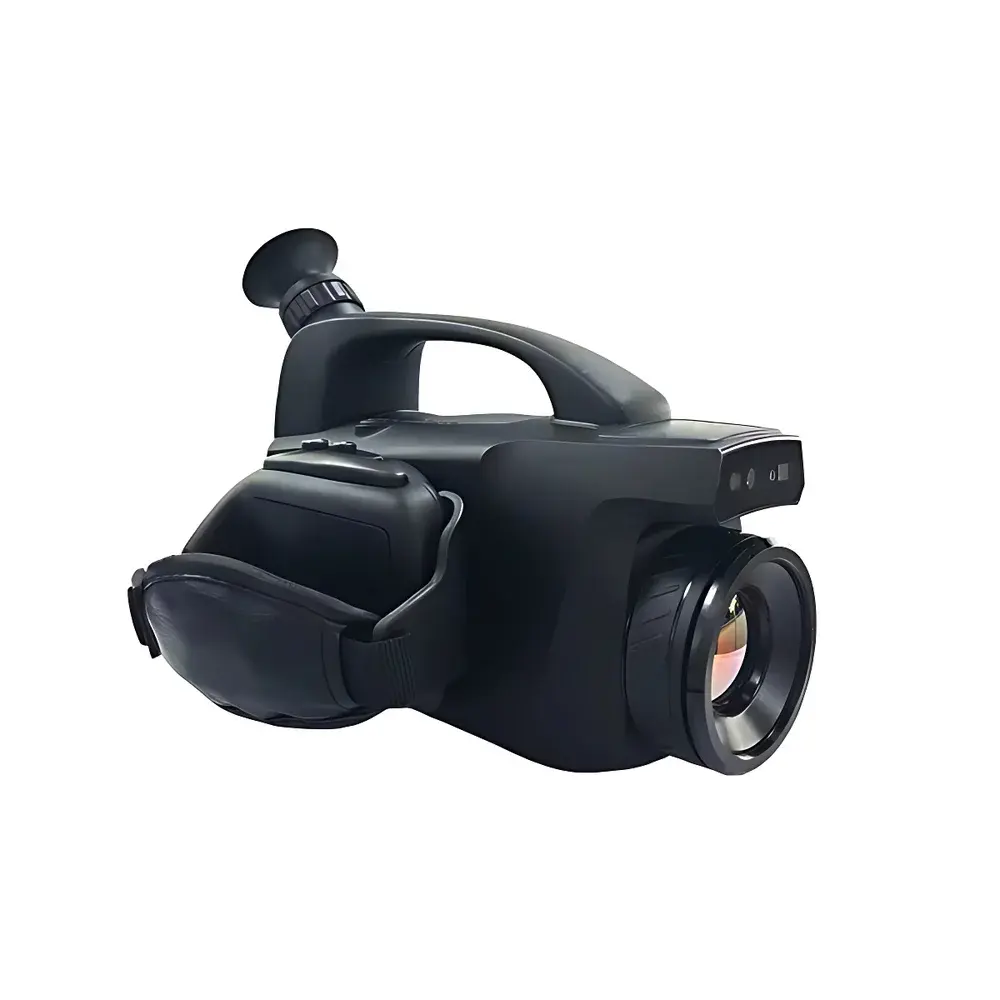
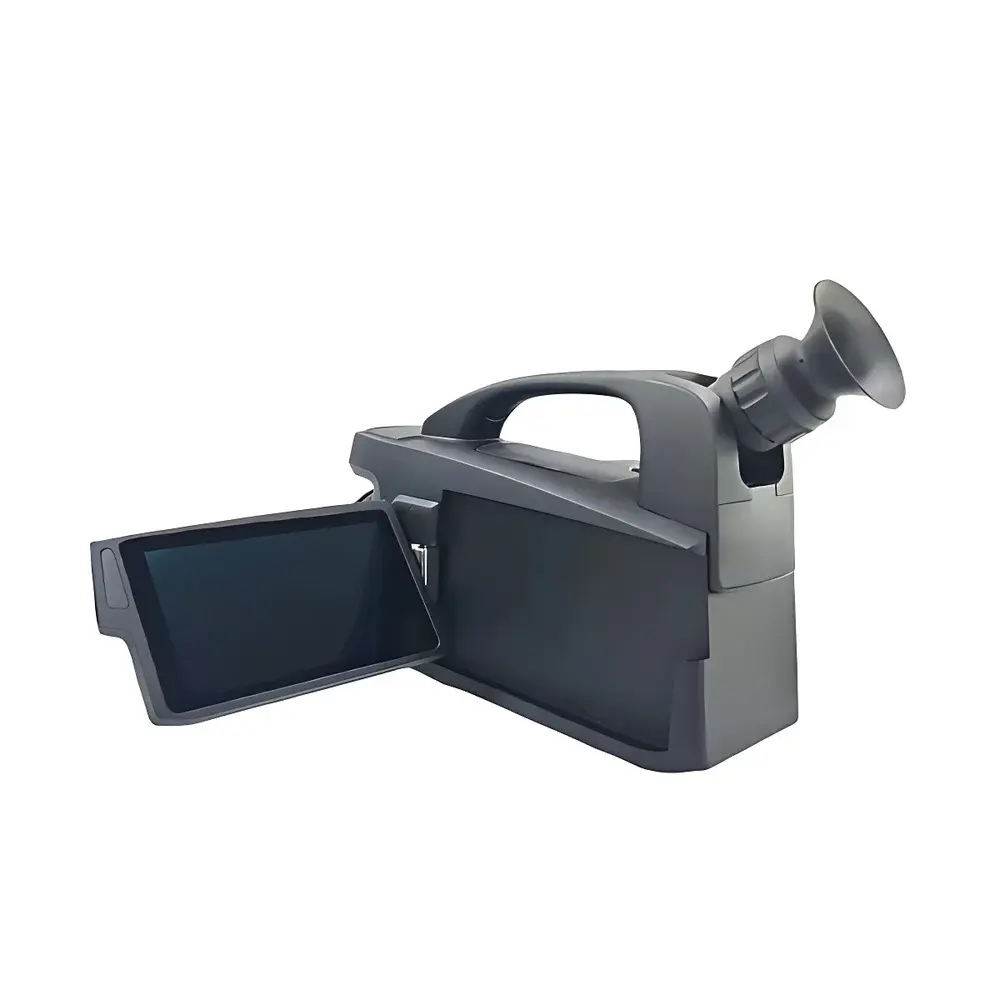
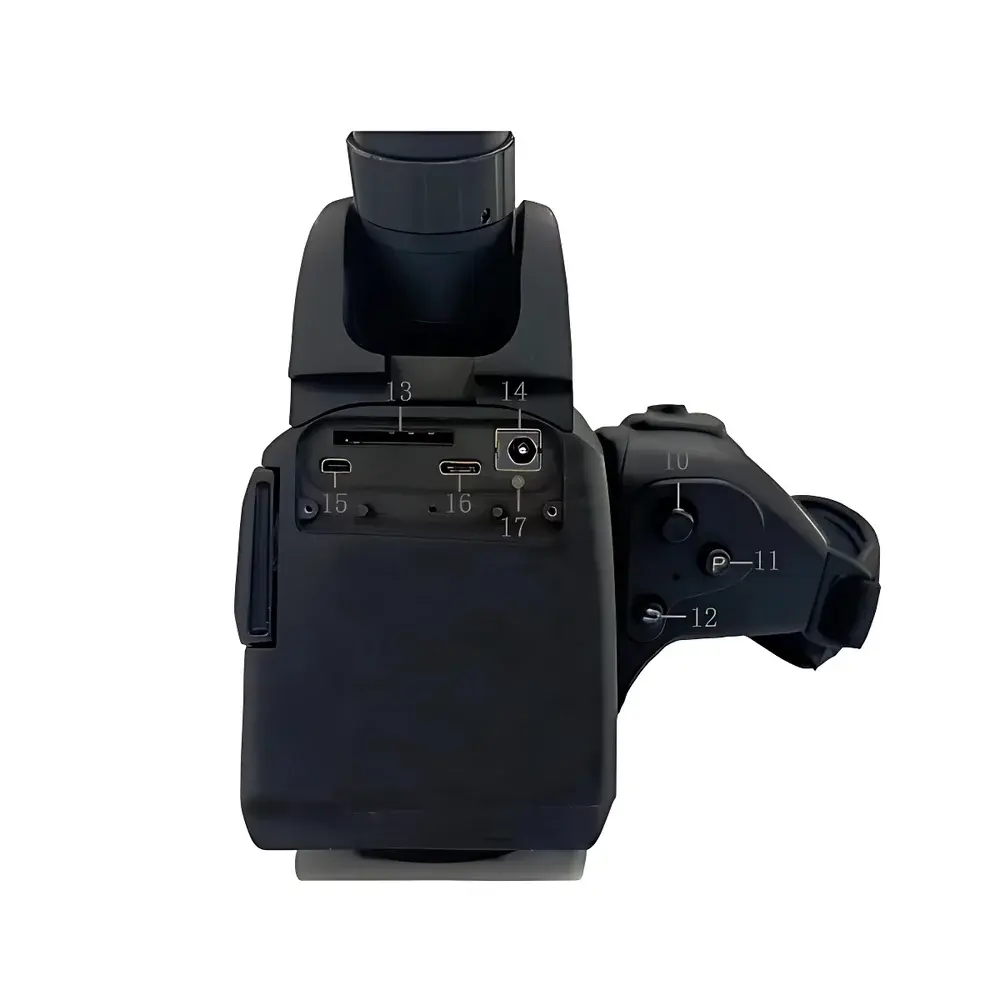
Ailun AL6000 Infrared Thermal Imaging VOC Leak Detection Camera
| Brand | Ailun General / Qingdao Ailun |
|---|---|
| Origin | Shandong, China |
| Manufacturer Type | Authorized Distributor |
| Country of Origin | China |
| Model | AL6000 |
| Detection Principle | Passive Infrared Absorption Imaging (Mid-Wave IR, 3.2–3.5 µm spectral band optimized for hydrocarbon VOCs) |
| Instrument Type | Portable Handheld Thermal Imaging Gas Detector |
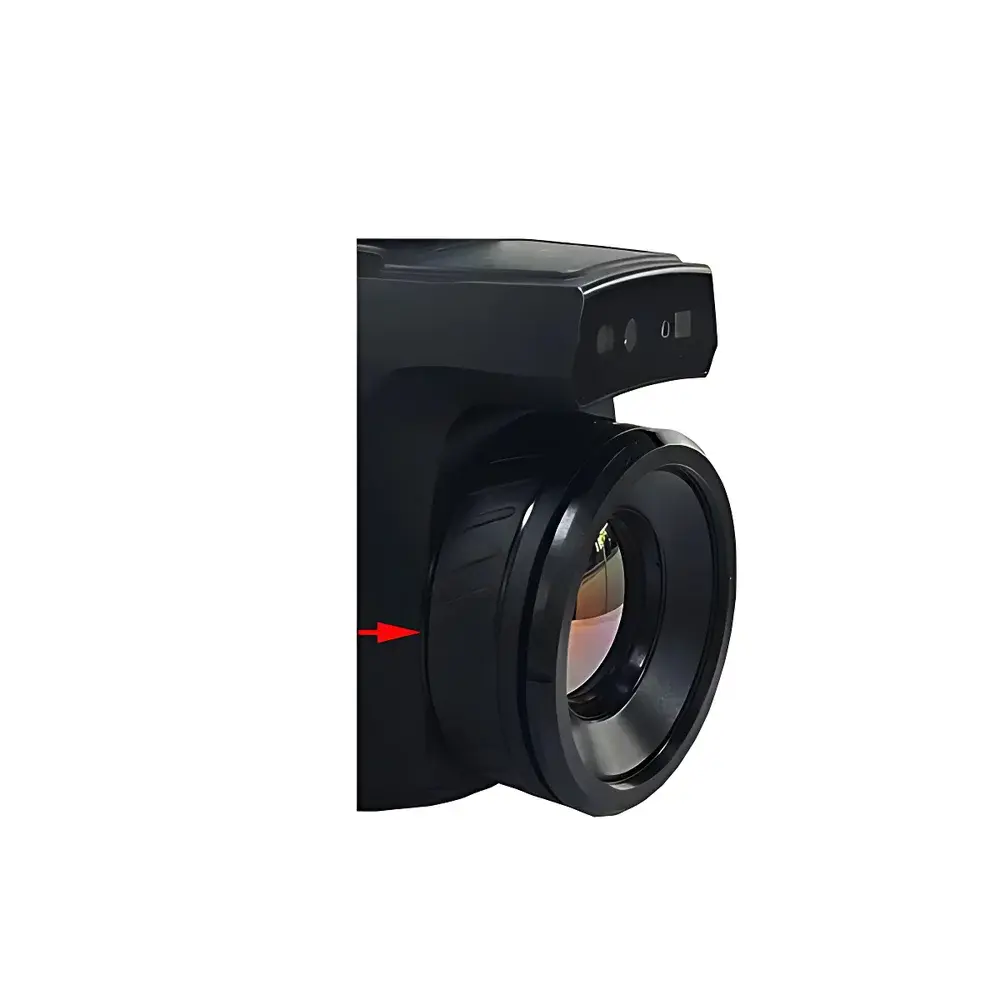
| Configuration | Integrated Dual-Sensor System (Uncooled VOx Microbolometer + Spectrally Filtered IR Detector Array) |
| Temperature Resolution | ≤0.05 °C @ 30 °C |
| Spatial Resolution | 320 × 240 pixels (native IR detector) |
| Thermal Sensitivity (NETD) | <40 mK |
| Minimum Detectable Leak Rate | ~0.1 g/hr (methane equivalent, 10 m distance, 1 m/s wind) |
| Response Time | 1–5 minutes (per localized scan area, dependent on plume concentration, background contrast, and integration time) |
| Accuracy | ±1% of reading (gas concentration estimation via calibrated radiometric back-calculation) |
| Detection Limit | Sub-ppm·m path-integrated concentration (dependent on compound-specific absorption cross-section) |
Overview
The Ailun AL6000 Infrared Thermal Imaging VOC Leak Detection Camera is an engineered solution for non-contact, real-time visualization and localization of volatile organic compound (VOC) and hydrocarbon gas emissions—particularly methane, propane, butane, ethylene, benzene, toluene, and other mid-infrared–absorbing species. It operates on the principle of passive infrared absorption imaging within a narrow spectral band (3.2–3.5 µm), where many VOCs exhibit strong fundamental vibrational absorption features. Unlike point-sampling or open-path FTIR systems, the AL6000 captures spatially resolved thermal contrast between ambient background radiation and gas-phase absorption signatures—rendering invisible plumes as high-contrast anomalies in real time. Its handheld, battery-powered architecture enables rapid walkdown surveys across complex industrial infrastructure without requiring physical access or process interruption. Designed for regulatory-grade field use, it supports quantitative leak assessment through radiometric calibration traceable to NIST-traceable blackbody references and compound-specific spectral response libraries.
Key Features
- Integrated dual-sensor optical design: Uncooled VOx microbolometer (320 × 240 resolution) coupled with a spectrally selective IR filter optimized for hydrocarbon absorption bands (3.2–3.5 µm)
- Real-time thermal video output at 30 Hz frame rate with embedded radiometric temperature measurement (±1 °C accuracy from –20 °C to +150 °C)
- On-device leak quantification engine using path-integrated concentration (ppm·m) estimation based on calibrated emissivity-absorption models
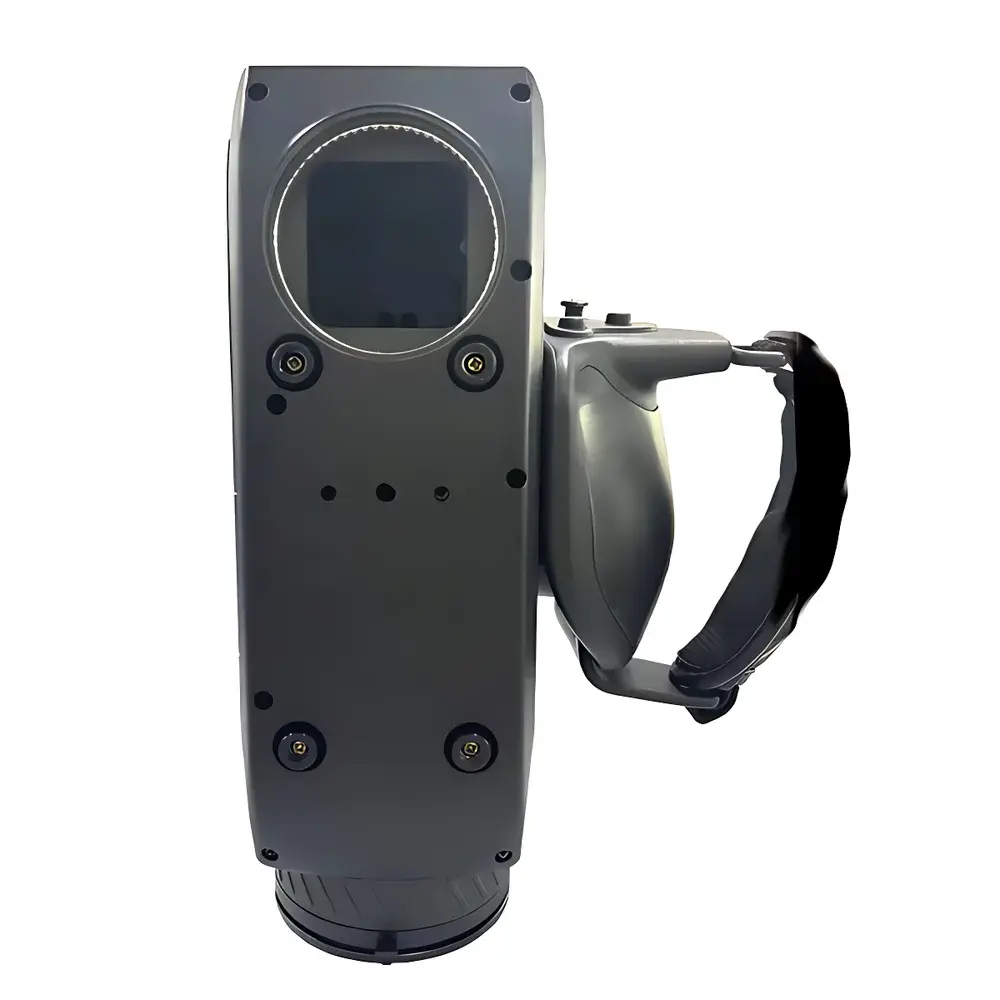
- Ruggedized IP54-rated magnesium alloy housing with ergonomic grip, integrated laser pointer for spatial referencing, and OLED touchscreen interface
- Hot-swappable dual-battery system supporting >4 hours continuous operation under typical field conditions
- Built-in GPS, digital compass, and IMU for georeferenced leak tagging and GIS-compatible reporting
Sample Compatibility & Compliance
The AL6000 detects gaseous VOCs and light hydrocarbons that absorb strongly in the mid-wave infrared region—including aliphatic and aromatic compounds commonly encountered in petrochemical, refining, LNG, and biogas operations. It is validated for use in accordance with EPA Method 21 (VOC Leak Detection and Repair), ASTM D7525-22 (Standard Practice for Optical Gas Imaging), and ISO 19880-3:2020 (Hydrogen fueling stations — Part 3: Leak detection). The instrument meets IEC 60079-0 and IEC 60079-11 requirements for non-incendive operation in Zone 2 hazardous locations when used with approved accessories. All firmware and data logging modules comply with GLP/GMP audit trail requirements per FDA 21 CFR Part 11 (electronic records and signatures), including user authentication, immutable timestamps, and revision-controlled configuration logs.
Software & Data Management
The AL6000 interfaces with Ailun’s proprietary AilunView Desktop Suite (v3.2+), a Windows-based application supporting post-processing, spectral validation, multi-frame plume tracking, and automated report generation compliant with LDAR program templates (e.g., EPA OOOOa, California CARB). Raw thermal video (.seq), metadata-rich .csv export, and geotagged JPEG/PNG snapshots are natively supported. Cloud synchronization via secure TLS 1.3 API enables centralized fleet management, remote calibration status monitoring, and role-based access control for QA/QC supervisors. All exported reports include embedded digital signatures, chain-of-custody metadata, and traceable calibration certificates valid for 12 months from date of issue.
Applications
- Regulatory LDAR inspections for refineries, chemical plants, and natural gas transmission facilities
- Pre-commissioning and turnaround leak verification in offshore platforms and FPSOs
- Emergency response by fire departments and HAZMAT teams for rapid plume mapping during VOC releases
- Environmental compliance auditing by municipal ecological enforcement agencies and provincial MEE offices
- Continuous emission monitoring support for biogas upgrading units and landfill gas recovery systems
- Pharmaceutical and agrochemical manufacturing site integrity assessments (API synthesis lines, solvent storage, loading racks)
FAQ
What VOC compounds can the AL6000 reliably detect?
The AL6000 is optimized for hydrocarbons and oxygenated VOCs with strong absorption in the 3.2–3.5 µm band—including methane, ethane, propane, butane, ethylene, propylene, benzene, toluene, xylene, acetone, and methanol. Detection sensitivity varies by molecular absorption cross-section and environmental conditions.
Does the AL6000 require periodic calibration?
Yes. Radiometric calibration is recommended every 12 months or after 500 operational hours, using an NIST-traceable blackbody source. Spectral response verification should be performed before each survey day using built-in reference targets.
Can the AL6000 be used indoors or in low-light conditions?
Yes. As a passive thermal imager, it requires no external illumination and functions equally well in total darkness, fog, or daylight—provided there is sufficient thermal contrast between plume and background.
Is the device certified for use in classified hazardous areas?
The base unit is rated for non-incendive use in Zone 2 per IEC 60079 standards. Optional ATEX/IECEx-certified enclosures and intrinsically safe battery packs are available for Zone 1 deployment.
How is measurement uncertainty reported in compliance documentation?
Uncertainty budgets include contributions from thermal drift (±0.05 °C), spectral filter tolerance (±2 nm), distance-to-target error (±5%), and compound-specific absorption model variance (typically ±15–25% for path-integrated concentration estimates). Full uncertainty statements accompany all EPA Method 21–aligned reports.







