
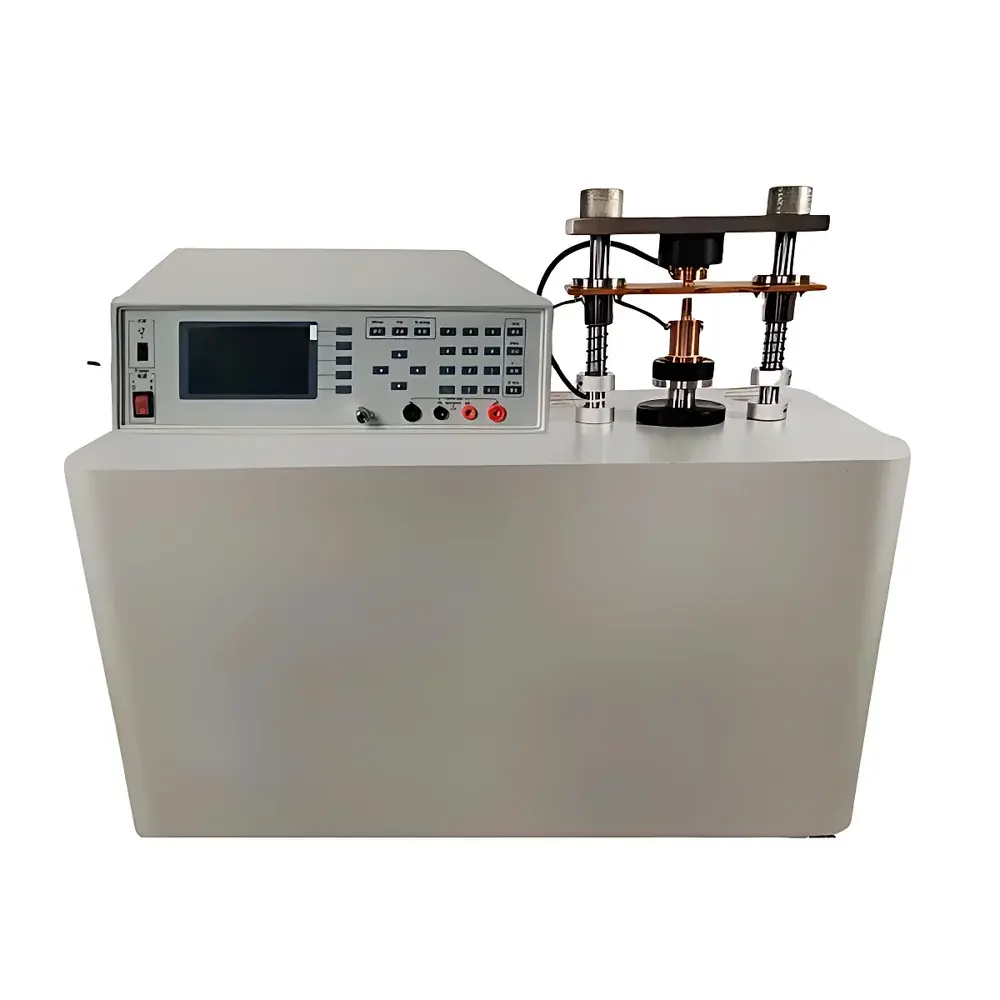
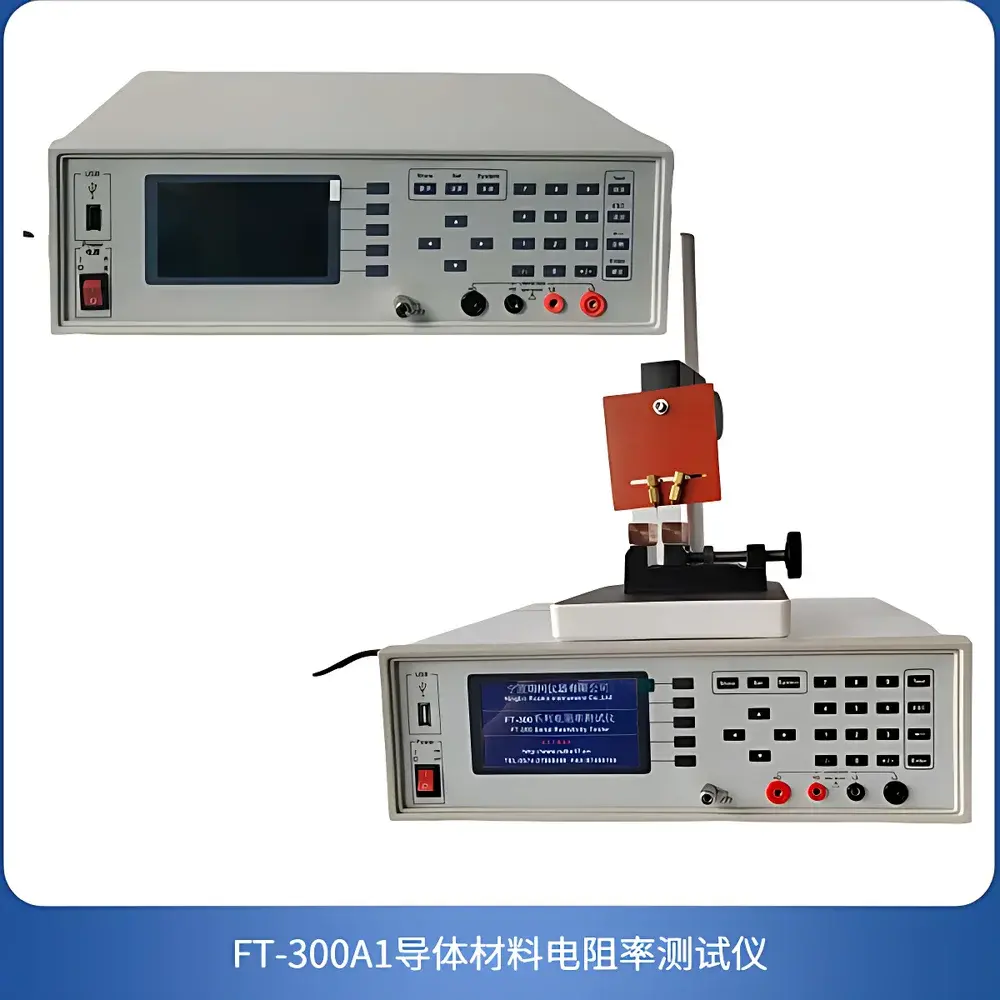
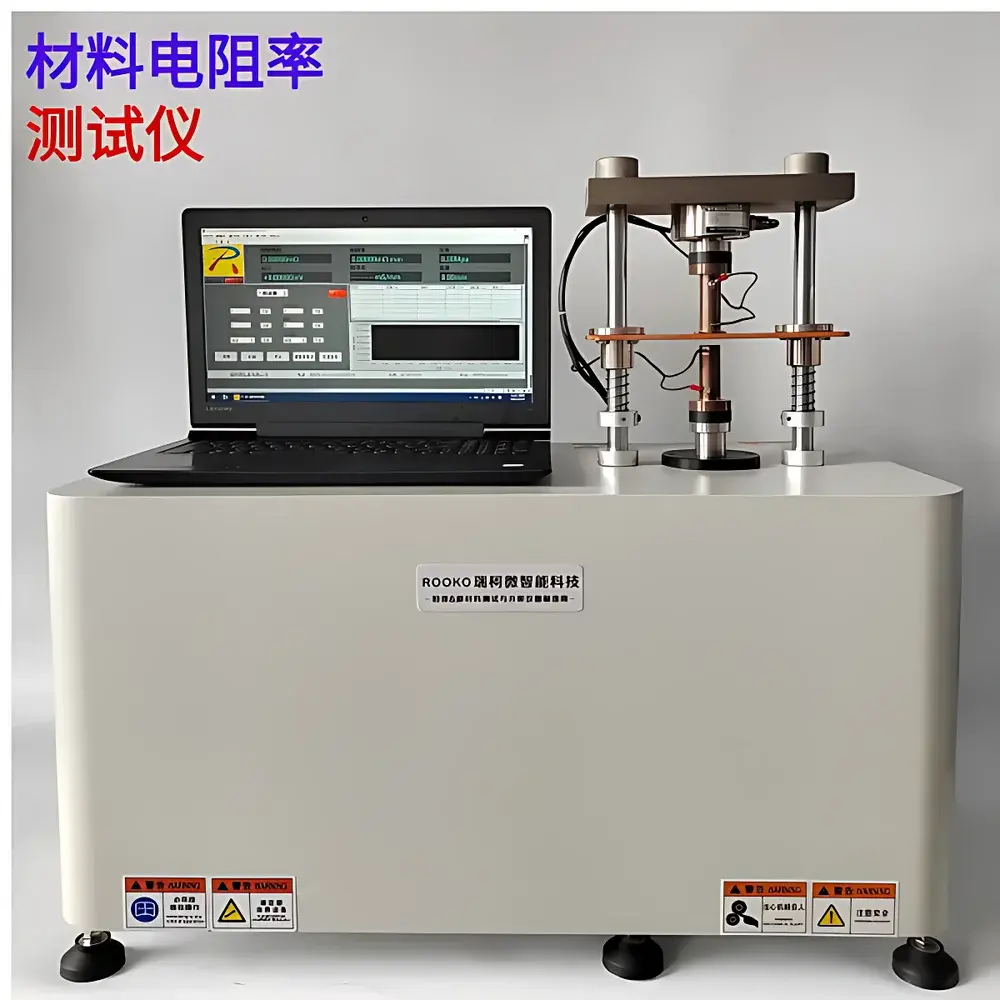
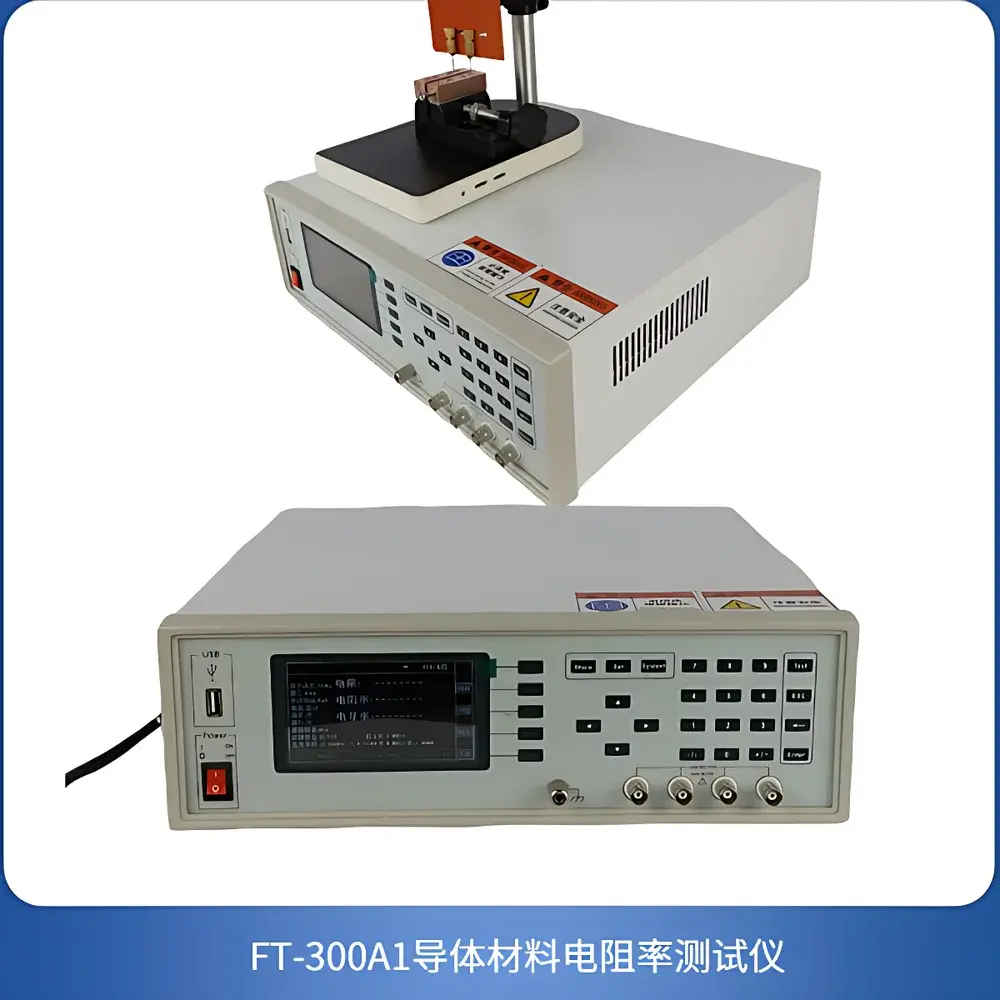
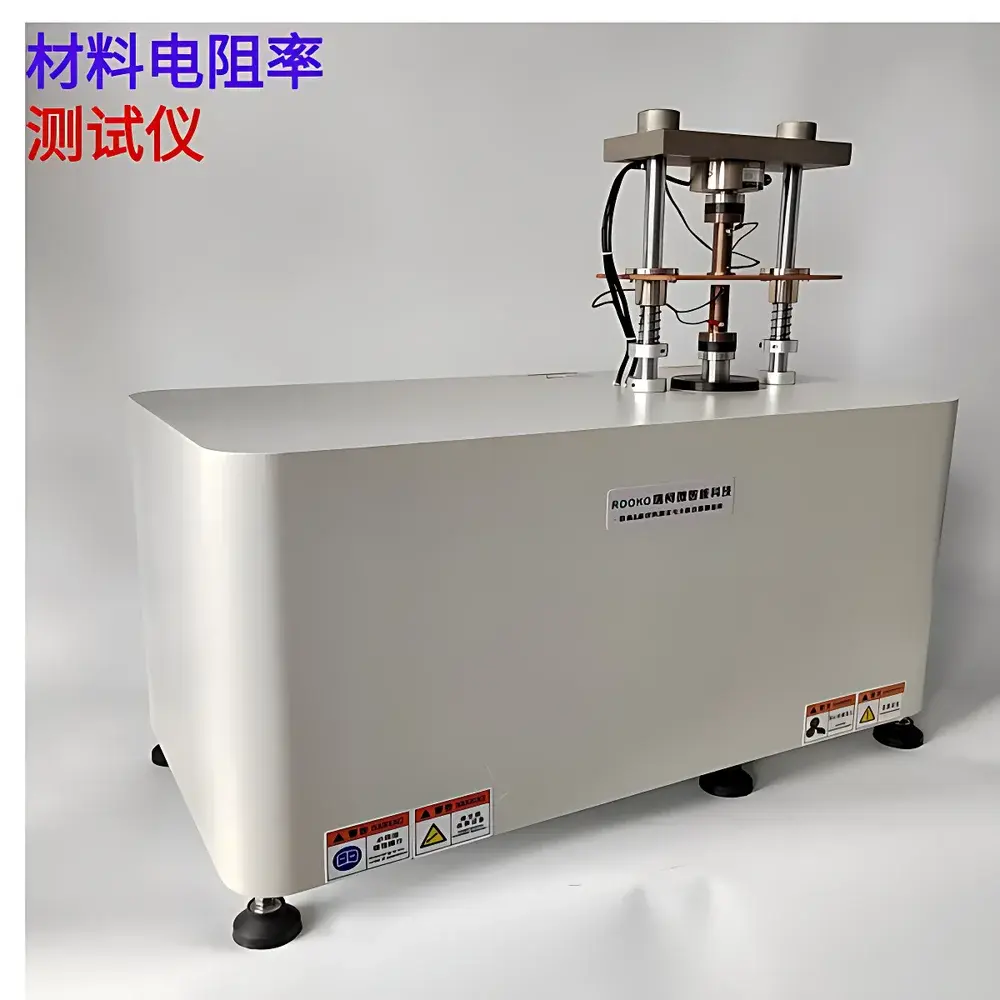
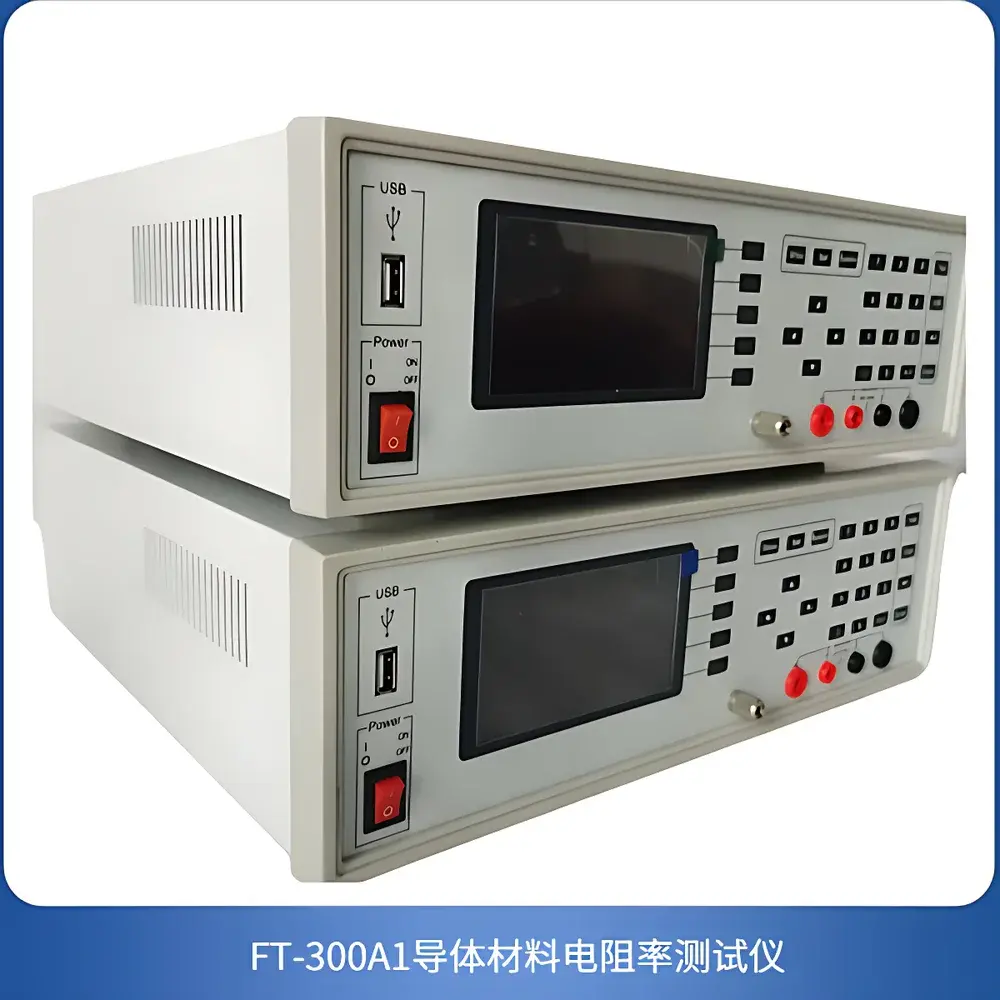
ROOKO FT-551 Series Automatic Electrode Sheet Resistivity Tester
| Brand | ROOKO |
|---|---|
| Origin | Zhejiang, China |
| Manufacturer Type | Authorized Distributor |
| Country of Origin | China |
| Model | FT-551 Series |
| Pricing | Available Upon Request |
Overview
The ROOKO FT-551 Series Automatic Electrode Sheet Resistivity Tester is an engineered metrology system designed specifically for quantitative electrical resistance characterization of lithium-ion battery electrode sheets during R&D and production quality control. It operates on the two-point probe (two-terminal) direct current method, enabling simultaneous measurement of total sheet resistance—including contributions from the current collector, active material coating, interfacial layers (coating–collector and probe–coating), and surface contact resistance—under controlled mechanical compression. This architecture reflects real-world cell assembly conditions, where electrode resistivity is pressure-dependent and critically influences ionic/electronic transport efficiency, polarization behavior, and ultimately, cell-level performance metrics such as rate capability and cycle life. The system integrates precision electromechanical actuation with high-stability DC sourcing and nanovolt-level voltage sensing to deliver traceable, reproducible measurements aligned with internal battery development protocols and industry benchmarking practices.
Key Features
- Automated hydraulic or servo-driven compression system with programmable load range from 0 to 1000 kg (±0.5% full-scale accuracy), enabling systematic study of pressure-resistivity relationships.
- Four-quadrant DC source capable of bidirectional current output (±1 mA to ±100 mA, adjustable in 0.1 mA steps) with synchronized voltage acquisition (±100 mV to ±2 V range, 1 µV resolution).
- Integrated high-resolution thickness gauge with ±0.001 mm repeatability, co-registered with resistance measurement to compute area-normalized resistivity (Ω·cm) and conductivity (S/cm).
- Replaceable planar copper electrodes with customizable surface geometry (flat, micro-textured, or patterned) to accommodate diverse coating morphologies (e.g., LFP, NMC, graphite, silicon composites, carbon-coated foils).
- Real-time calculation and plotting of compressive stress (MPa) vs. sheet resistance (mΩ), resistivity (Ω·cm), conductivity (S/cm), and压实 density (g/cm³) — all synchronized and timestamped.
- Dual safety architecture: hardware-based over-pressure cutoff (mechanical relief valve + digital load limiter) and software-enforced interlock logic with audible/visual fault alerts and automatic test abort.
Sample Compatibility & Compliance
The FT-551 Series accommodates standard electrode formats up to 150 mm × 150 mm, including slurry-coated copper/aluminum foils, dry electrode films, and freestanding cathode/anode sheets. It supports both single-layer and multi-layer stacked configurations under uniform pressure distribution. Measurement methodology aligns with foundational principles outlined in ASTM D257 (Standard Test Methods for DC Resistance or Conductance of Insulating Materials) and ISO 3915 (Electrical Resistance of Conductive Plastics), adapted for thin-film composite electrodes. Data integrity meets GLP-compliant audit requirements through embedded electronic signatures, time-stamped raw data logging, and configurable user access levels. Optional 21 CFR Part 11 compliance package available for regulated pharmaceutical or medical battery applications.
Software & Data Management
ROOKO ElectrodeTest Suite v3.x (Windows-based) provides full instrument orchestration via USB or Ethernet interface. The software enables scriptable test sequences (e.g., ramp-hold-step compression profiles), real-time visualization of resistance drift, temperature-compensated calculations (with optional external thermocouple input), and automated report generation in PDF/XLSX formats compliant with internal QA documentation standards. All measurement metadata—including load history, environmental timestamps, operator ID, calibration certificate IDs, and instrument firmware version—are embedded in exported files. Raw binary data (.bin) is retained with header metadata for third-party analysis in MATLAB, Python (NumPy/Pandas), or JMP.
Applications
- Quantitative evaluation of conductive additive dispersion homogeneity in cathode/anode slurries.
- Process validation of calendering parameters (roll gap, line speed, temperature) via resistance-density correlation mapping.
- Comparative assessment of novel current collector treatments (e.g., carbon coating, etching, laser ablation) on interfacial charge transfer resistance.
- Screening of binder systems (e.g., SBR/CMC vs. PVDF) for their impact on percolation threshold and mechanical-electrical coupling.
- Supporting DOE studies for next-generation electrodes incorporating Si, Li-metal, or solid-state composite architectures.
- Incoming material qualification for foil suppliers and slurry vendors under supplier quality agreements (SQAs).
FAQ
What electrode thickness ranges are supported?
The integrated thickness sensor is optimized for coated foils between 40 µm and 300 µm total thickness (including collector), with ±0.001 mm resolution across the full range.
Can the system measure anisotropic resistivity (in-plane vs. through-plane)?
The FT-551 Series measures total sheet resistance under uniaxial compression; through-plane resistivity requires complementary four-point probe or micro-four-point probe setups. In-plane resistance may be inferred using standardized sample strip geometries and correction factors.
Is calibration traceable to national standards?
Yes—electrical calibration is performed using NIST-traceable shunt resistors (±0.01% tolerance), and force calibration follows ISO 376 procedures with accredited load cells.
Does the software support automated pass/fail criteria based on specification limits?
Yes—user-defined upper/lower control limits can be applied per test step, triggering visual alerts and flagging nonconforming results in summary reports.
What maintenance intervals are recommended?
Preventive maintenance is scheduled every 12 months or after 5,000 compression cycles, including electrode surface inspection, load cell verification, and pneumatic/hydraulic system leak testing.






