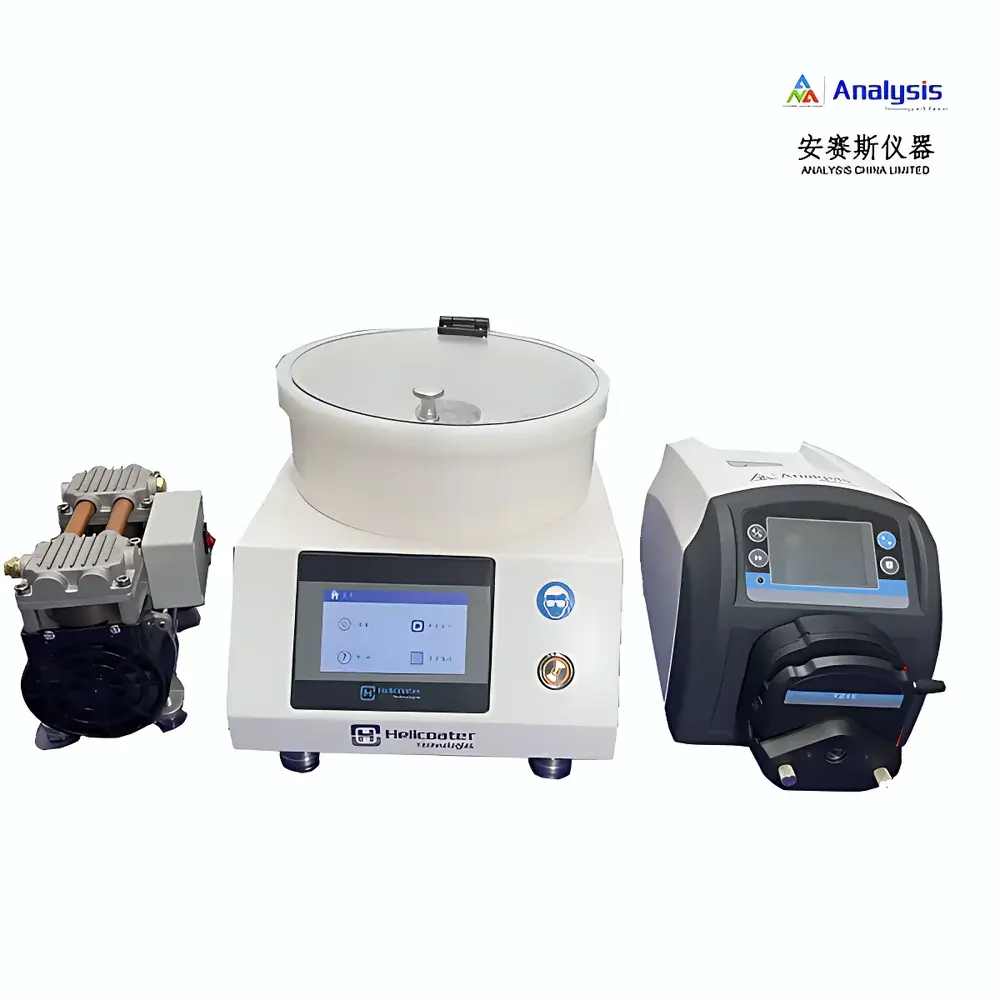
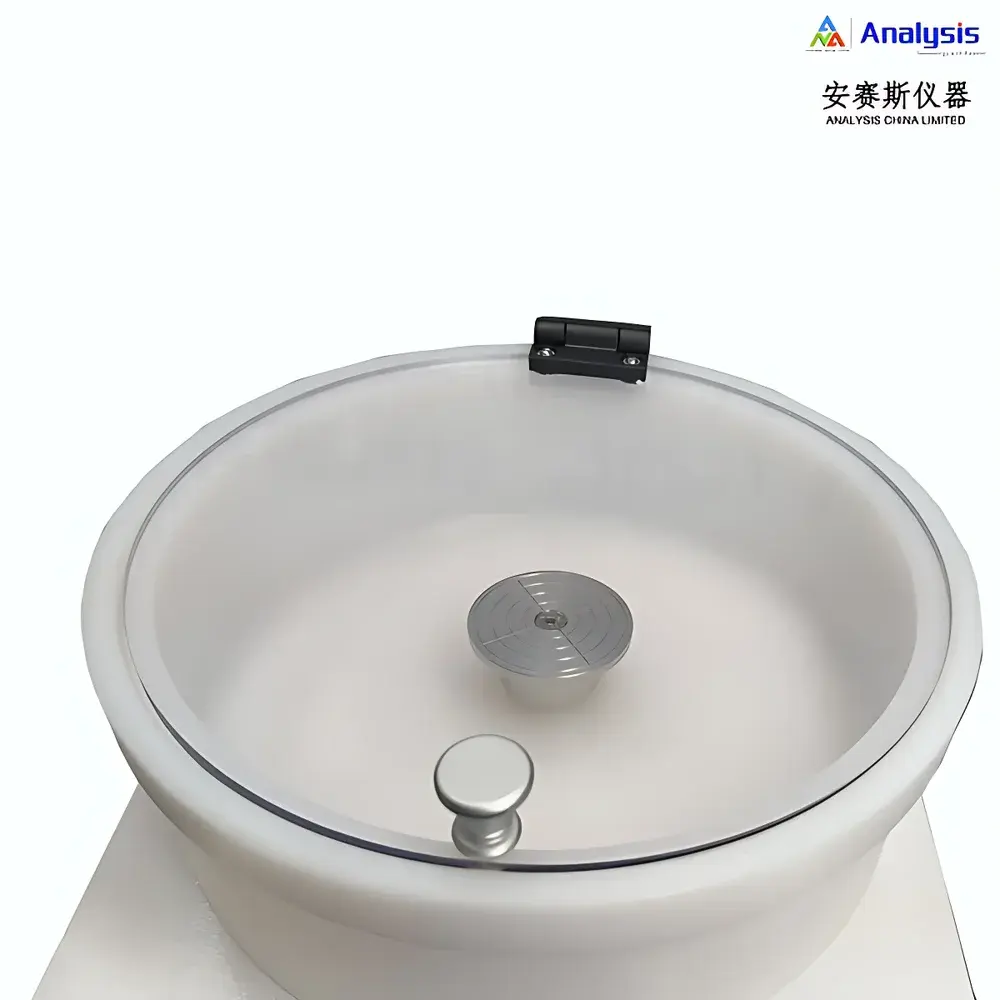
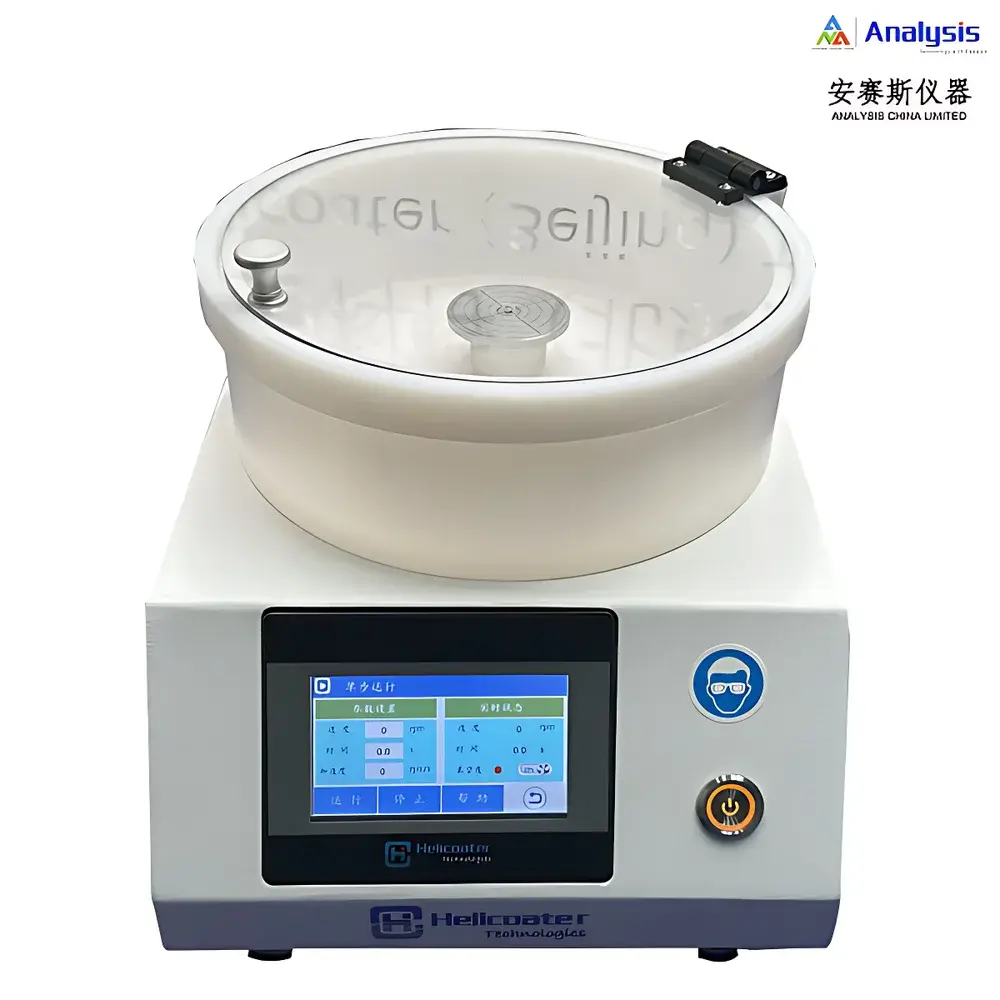
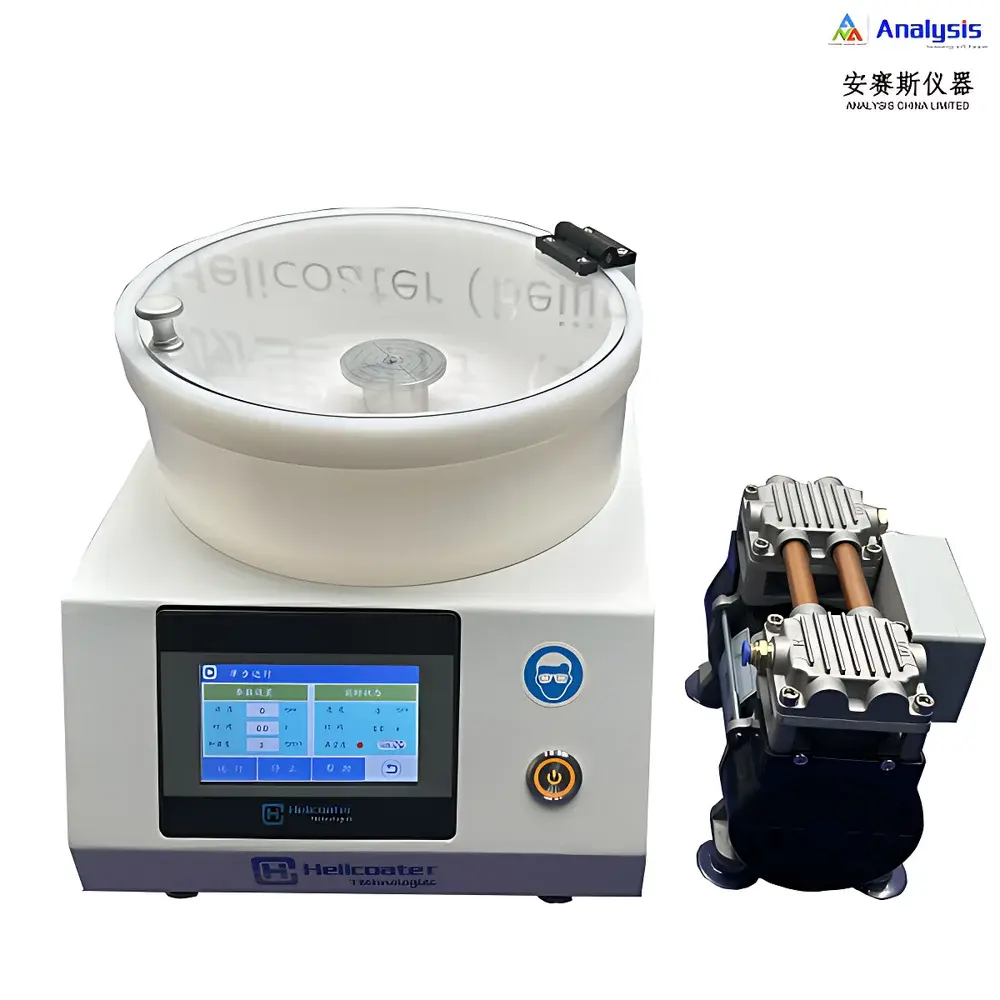
Analysis HC150PE Programmable Spin Coater
| Brand | Analysis |
|---|---|
| Origin | Beijing, China |
| Model | HC150PE |
| Max. Rotation Speed | 12000 rpm |
| Speed Resolution | 1 rpm |
| Max. Acceleration | 30000 rpm/s |
| Wafer Diameter Capacity | 150 mm |
| Chamber Diameter | 212 mm |
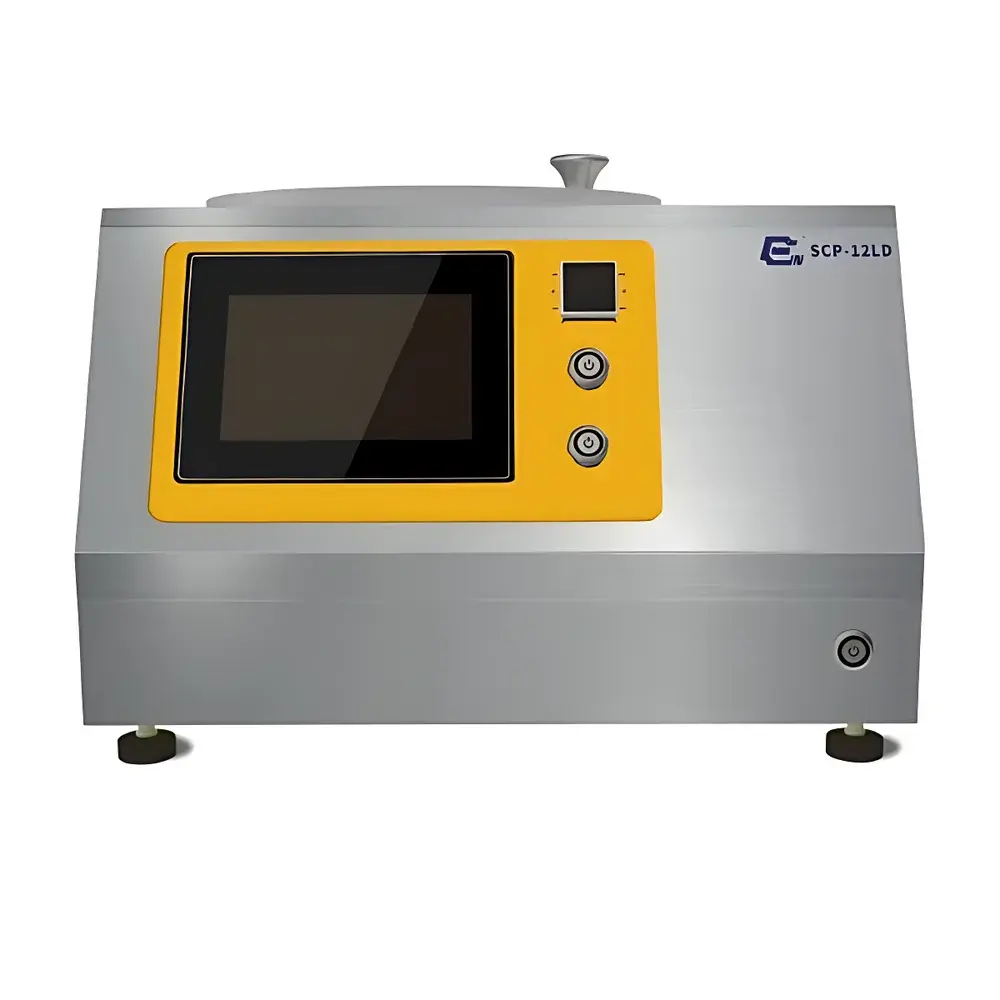
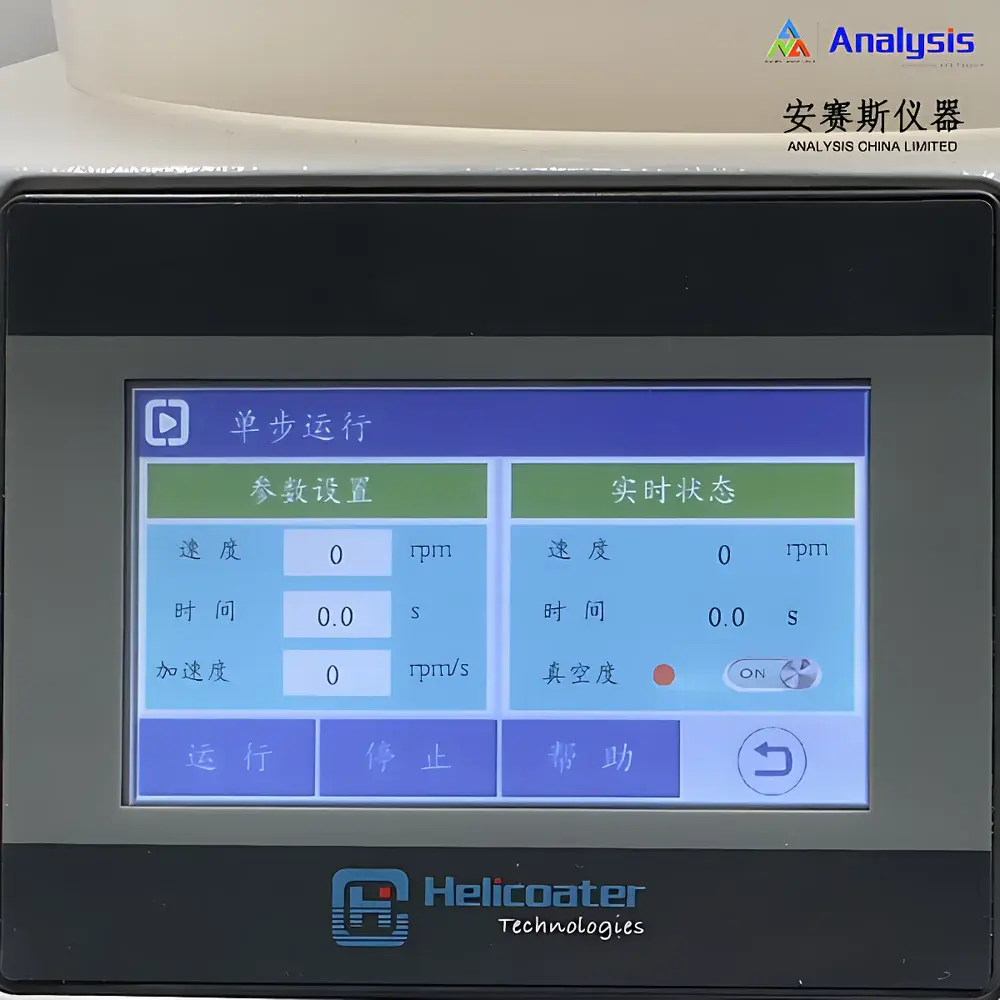
| Touchscreen Interface | 4.3-inch Color LCD |
| Programmable Steps | 100 Programs × 10 Steps Each |
| Spin Time Range | 0.1–3000 s |
| Time Resolution | 0.1 s |
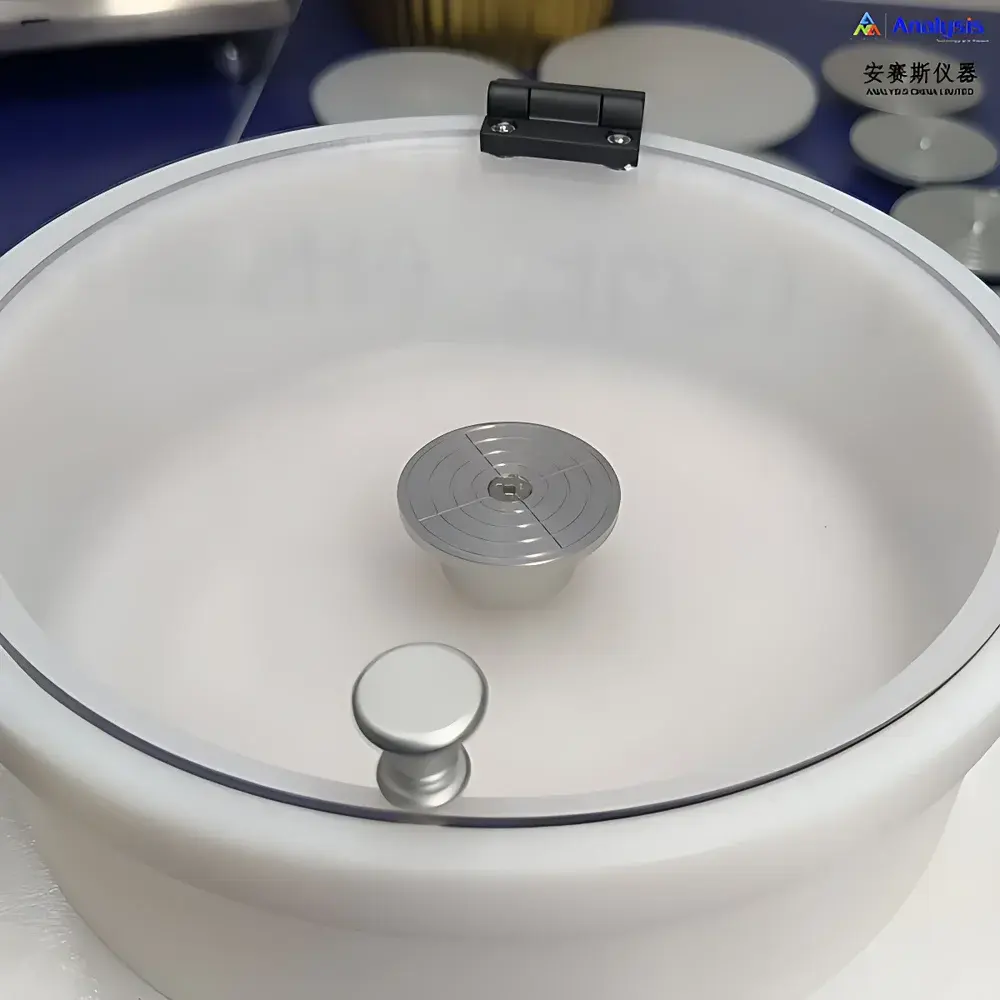
| Chamber Material | CNC-Machined HDPE |
| Lid Material | Transparent Polycarbonate |
| Vacuum Interlock | Yes |
| User Password Protection | Yes |
| Leveling Adjustable Base | Yes |
| Auto-Dispense Interface | 1 Channel |
| Dimensions (L×W×H) | 310 × 254 × 250 mm |
| Power Input | AC 200–230 V |
Overview
The Analysis HC150PE Programmable Spin Coater is an engineered solution for high-precision thin-film deposition in cleanroom and glovebox environments. Based on the principle of centrifugal force-driven fluid dispersion, the system uniformly distributes liquid photoresists, polymer solutions, sol-gels, or functional nanomaterial dispersions across rotating substrates—enabling reproducible film thickness control via precise regulation of rotational speed, acceleration, time, and dispensing dynamics. Designed specifically for semiconductor R&D, microelectronics fabrication, photovoltaic device prototyping, and advanced material science laboratories, the HC150PE delivers deterministic process control at wafer diameters up to 150 mm (6-inch), with full compatibility for smaller substrates down to 10 mm. Its compact footprint (310 × 254 × 250 mm) and modular chamber architecture allow seamless integration into inert-atmosphere gloveboxes—a critical requirement for oxygen- or moisture-sensitive processes such as perovskite solar cell fabrication or lithium-ion battery electrode coating.
Key Features
- High-resolution programmable control: 100 user-defined programs, each supporting up to 10 sequential steps with independent settings for speed (100–12000 rpm), acceleration (100–30000 rpm/s), duration (0.1–3000 s), and pause intervals.
- Advanced motion control architecture: Industrial-grade PLC ensures sub-rpm speed stability and <±1 rpm repeatability over extended operation cycles—essential for GLP-compliant process validation.
- Glovebox-compatible design: Fully separable HDPE chamber and stainless-steel chassis enable decontamination without disassembly; integrated vacuum interlock prevents motor activation unless chamber seal integrity is confirmed.
- Ergonomic human-machine interface: 4.3-inch color touchscreen with real-time graphical display of rotational profile, vacuum status, program progress, and error diagnostics.
- Corrosion-resistant process chamber: CNC-machined high-density polyethylene (HDPE) interior with optimized concave wall geometry minimizes edge splashing and facilitates complete solvent recovery during spin-drying.
- Modular expandability: Standardized single-channel auto-dispense interface supports integration with third-party syringe pumps or piezoelectric dispensers for closed-loop volume-controlled coating.
- Security and traceability: Configurable user password protection, audit-ready parameter logging, and non-volatile memory retention for all programs—even during power interruption.
Sample Compatibility & Compliance
The HC150PE accommodates rigid planar substrates including silicon wafers (10–150 mm), glass slides, quartz plates, metal foils, and flexible polymer films—provided surface flatness deviation remains within ±5 µm over the active area. The HDPE chamber exhibits chemical resistance to common photoresist solvents (e.g., PGMEA, IPA, acetone), developer solutions (TMAH), and low-polarity organic media used in OLED and perovskite processing. While not certified to ISO 14644-1 Class 3 or SEMI S2/S8 standards out-of-the-box, the instrument’s construction, grounding design, and EMI shielding meet baseline requirements for Class 1000 cleanroom deployment. Optional documentation packages support alignment with internal SOPs referencing ASTM F392 (coating uniformity assessment) and IEC 61000-6-2/6-3 for electromagnetic compatibility.
Software & Data Management
All operational parameters—including speed ramps, dwell times, vacuum thresholds, and error logs—are stored in non-volatile flash memory and timestamped with millisecond precision. The embedded firmware supports CSV export via USB-A port for post-processing in MATLAB, Python (Pandas), or JMP. No proprietary software installation is required; configuration and monitoring occur exclusively through the onboard HMI. For enterprise integration, optional RS-485 Modbus RTU communication enables remote start/stop commands and real-time parameter polling from central lab management systems—facilitating compliance with FDA 21 CFR Part 11 when paired with validated electronic signature workflows and audit trail configurations.
Applications
- Semiconductor photolithography: Uniform spin-coating of g-line/i-line resists (e.g., AZ® series, SU-8) for mask aligner and stepper-based patterning.
- Microelectromechanical systems (MEMS): Deposition of sacrificial layers (e.g., polyimide, SiO₂ precursors) and structural polymers with thickness control ±3% CV across 150 mm wafers.
- Perovskite photovoltaics: Controlled anti-solvent dripping synchronized with deceleration ramping to nucleate crystalline domains with reduced pinhole density.
- Biofunctional coatings: Layer-by-layer assembly of chitosan, hyaluronic acid, or peptide-conjugated polymers on biosensor substrates under sterile laminar flow conditions.
- Nanomaterial thin films: Graphene oxide, MXene, or quantum dot dispersions processed at low shear rates (<500 rpm) to preserve colloidal stability prior to thermal annealing.
FAQ
What substrate sizes does the HC150PE support?
The system accepts circular or square substrates ranging from Ø10 mm to Ø150 mm (6-inch wafers), with manual chuck adaptors available for non-standard geometries.
Is the chamber compatible with aggressive solvents like chlorobenzene or DMF?
Yes—the CNC-machined HDPE chamber demonstrates long-term resistance to chlorinated aromatics, amides, and polar aprotic solvents; however, prolonged exposure to concentrated nitric acid or hot chromic acid is not recommended.
Can the HC150PE be operated inside a nitrogen-purged glovebox?
Absolutely. Its sealed electronics housing, absence of internal fans, and vacuum interlock make it fully compatible with inert-atmosphere gloveboxes rated to <0.1 ppm O₂/H₂O.
Does the system include data export functionality for quality audits?
Yes—each run generates a timestamped log file (.csv) containing all setpoints, actual speed profiles, vacuum status, and fault codes, supporting ISO/IEC 17025 traceability requirements.
What maintenance is required to ensure long-term rotational accuracy?
Annual verification of encoder calibration and bearing preload is recommended; no routine lubrication is needed due to the brushless DC motor’s sealed construction and ceramic shaft bearings.