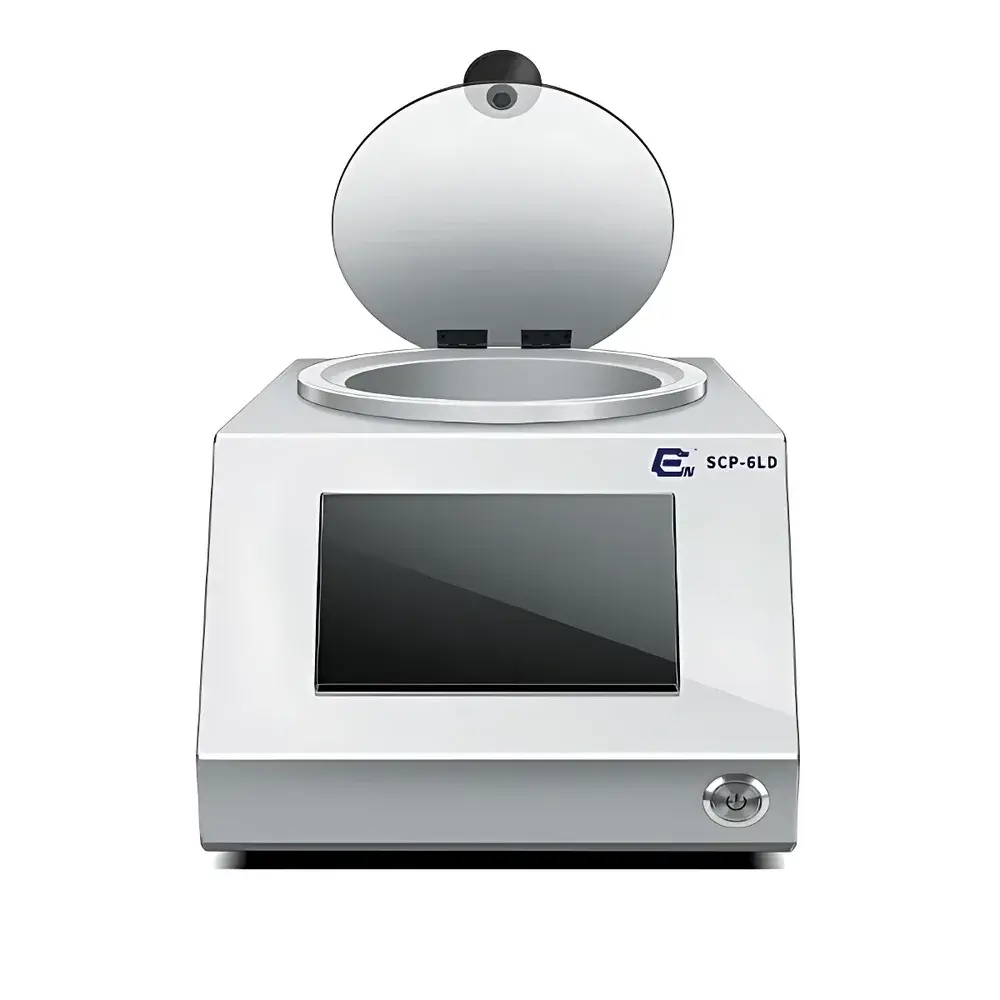
Analysis HC160SE Programmable Spin Coater
| Brand | Analysis |
|---|---|
| Origin | Beijing, China |
| Model | HC160SE |
| Rotation Speed | 100–12,000 rpm |
| Rotation Time Resolution | 0.1 s |
| Max Acceleration | 30,000 rpm/s |
| Substrate Diameter Range | 5–160 mm |
| Chamber Diameter | 220 mm |
| Speed Resolution | 1 rpm |
| Max Spin Duration | 3000 s |
| Programmable Steps | 10 programs × 10 steps each |
| Vacuum Interlock | Yes |
| Lid Safety Interlock | Yes |
| Motorized Dispense Protection | Yes |
| Waste Exhaust Port | Yes |
| User Password Protection | Yes |
| Adjustable Leveling Base | Yes |
Overview
The Analysis HC160SE Programmable Spin Coater is an engineered solution for precision photoresist, polymer, and functional thin-film deposition in semiconductor fabrication, MEMS development, and academic microfabrication laboratories. Based on centrifugal force-driven fluid dynamics—governed by the balance of viscous drag, surface tension, and rotational inertia—the HC160SE delivers repeatable, uniform film thicknesses across substrates ranging from 5 mm wafers to full 160 mm (6″) diameter discs. Its compact footprint and glovebox-compatible design enable integration into inert-atmosphere processing lines, supporting spin-coating under nitrogen or argon environments required for oxygen-sensitive materials such as perovskites, conductive polymers, and certain metal-organic precursors.
Key Features
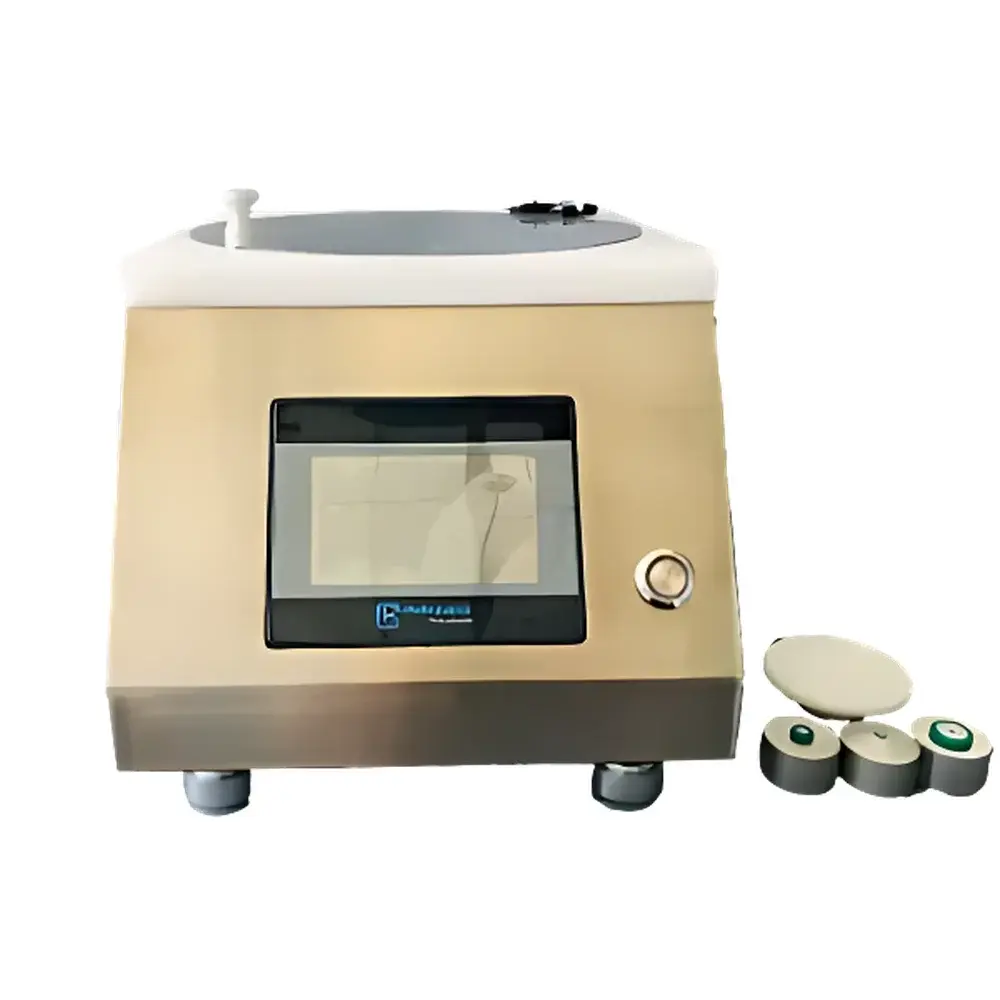
- Compact, low-profile chassis optimized for installation inside standard nitrogen-purged gloveboxes (internal dimensions ≥ 300 × 300 × 300 mm)
- 4.3-inch high-brightness color TFT touchscreen with intuitive graphical interface; supports multi-language UI (English, Chinese, Korean) via firmware update
- Monolithic HDPE chamber machined via CNC for dimensional stability, chemical resistance to common solvents (e.g., acetone, PGMEA, IPA, chlorobenzene), and seamless cleanability
- Patented concave inner wall geometry minimizes droplet rebound and edge bead formation, reducing post-spin developer defects and improving edge uniformity
- Industrial-grade PLC controller with real-time PID-regulated motor feedback ensures speed stability ≤ ±0.2% over full 100–12,000 rpm range
- Dual safety interlocks: vacuum pressure sensor (threshold: ≥ −75 kPa) and mechanical lid switch prevent operation unless chamber is sealed and evacuated
- Integrated dispense motor protection logic prevents syringe pump activation during non-rotating or decelerating states, eliminating nozzle clogging and solvent pooling
- Automatic parameter retention after power interruption (non-volatile memory retains all 100 program steps and system settings)
Sample Compatibility & Compliance
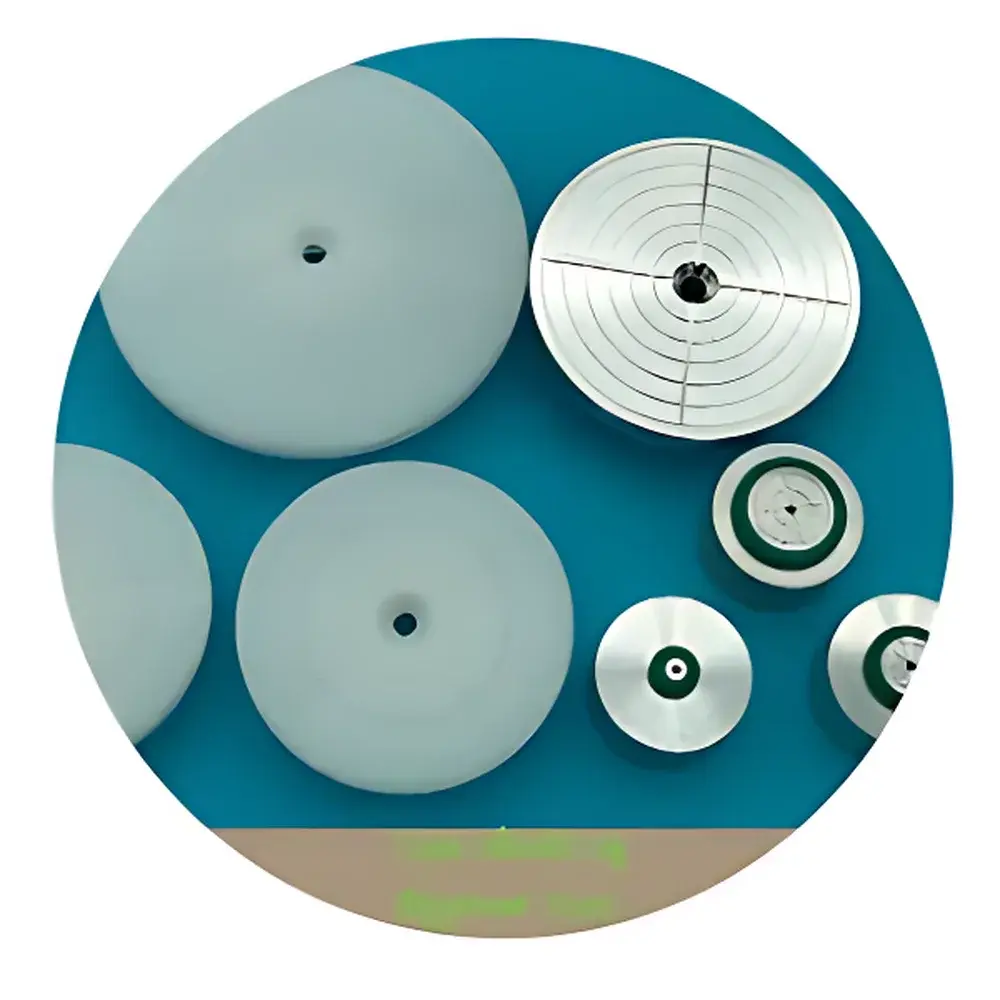
The HC160SE accommodates rigid, flat substrates including silicon, glass, quartz, sapphire, and flexible polyimide or PET foils (with optional vacuum chuck adaptation). It complies with ISO 9001 manufacturing protocols and meets electromagnetic compatibility requirements per IEC 61326-1:2023 for laboratory equipment. While not certified for Class 100 cleanroom use out-of-box, its smooth HDPE chamber and absence of internal fasteners or crevices support ISO Class 5-compatible cleaning procedures. All firmware logic adheres to GLP-aligned audit trail principles—user logins, program edits, and execution timestamps are locally recorded and exportable via USB.
Software & Data Management
No external PC dependency is required for routine operation; however, optional USB-C data export enables transfer of spin logs (timestamp, program ID, actual RPM profile, vacuum status, error codes) to CSV or XML formats. Firmware supports user-level access control: administrator accounts manage password policies and program deletion rights, while operator accounts execute only pre-approved protocols. Audit-ready metadata includes date/time stamps, operator ID (if enabled), and version-stamped firmware revision. The system does not implement FDA 21 CFR Part 11 electronic signature functionality but provides traceable manual record-keeping support through structured log templates.
Applications
- Photolithography: Uniform application of g-line, i-line, and deep-UV resists (e.g., AZ® series, Shipley S1800, Tokyo Ohka TSMR-LX) on Si/SiO₂ wafers
- Perovskite solar cell R&D: Controlled deposition of MAPbI₃, CsPbBr₃, and mixed-cation precursor solutions under inert atmosphere
- Flexible electronics: Spin-coating of PEDOT:PSS, P3HT:PCBM, and Ag nanowire dispersions onto PET and PEN substrates
- Nanomaterials: Fabrication of graphene oxide, MoS₂, and MXene thin films with thickness tunability from ~5 nm to >500 nm via speed/solvent/viscosity calibration
- MEMS packaging: Conformal passivation layers using siloxane-based spin-on glasses (SOGs) and BCB resins
FAQ
What substrate sizes does the HC160SE support?
It accepts circular substrates from Ø5 mm to Ø160 mm, including standard wafer sizes (50 mm, 76.2 mm, 100 mm, 150 mm, and 160 mm), with vacuum chuck adaptability for non-standard geometries.
Is remote monitoring or Ethernet connectivity available?
No native Ethernet or Wi-Fi interface is included; communication is limited to local touchscreen and USB data export. Third-party RS-485 or Modbus RTU integration requires custom OEM firmware licensing.
Can the HC160SE be used with corrosive solvents like HF or piranha?
HDPE resists most organic solvents and dilute acids, but concentrated HF, hot piranha (H₂SO₄:H₂O₂), and molten alkalis will degrade the chamber. Consult the Chemical Compatibility Guide before exposure.
Does it support automated dispense synchronization with rotation start/stop?
Yes—dispense initiation, duration, and retraction are fully programmable within each spin step and synchronized to motor acceleration/deceleration profiles.
What maintenance intervals are recommended?
Vacuum pump oil replacement every 500 hours; chamber cleaning after every 200 spins using IPA-rinsed lint-free wipes; annual calibration verification of speed and time accuracy using NIST-traceable tachometer and timer standards.