
Metrohm 946 Portable Heavy Metal Analyzer
| Brand | Metrohm |
|---|---|
| Origin | Switzerland |
| Manufacturer | Metrohm AG |
| Type | Imported |
| Model | 946 |
| Pricing | Upon Request |
Overview
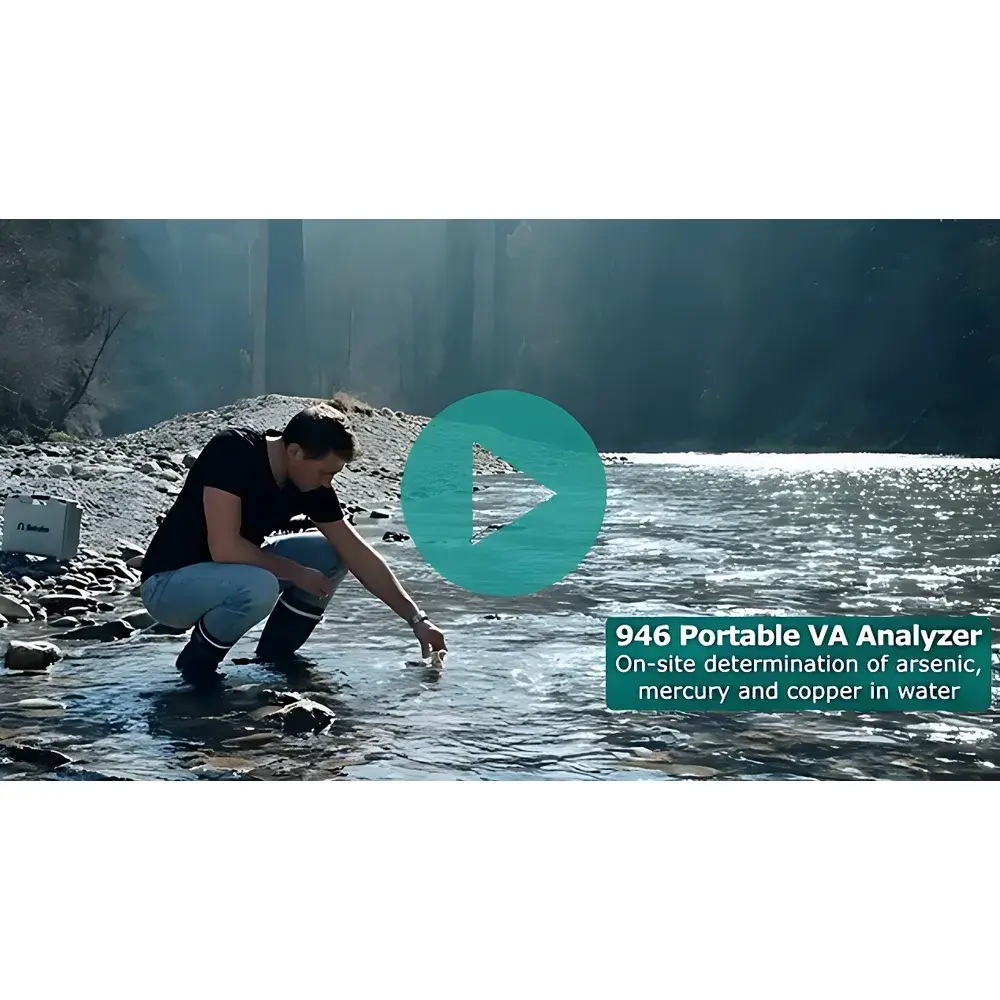
The Metrohm 946 Portable Heavy Metal Analyzer is a field-deployable, battery-powered voltammetric polarograph engineered for on-site quantification of trace-level heavy metals—including arsenic (As), mercury (Hg), and copper (Cu)—in aqueous environmental samples. It operates on the principle of anodic stripping voltammetry (ASV) with scTRACE Gold screen-printed electrodes, enabling rapid electrochemical preconcentration and sensitive detection of target analytes directly in the field. Unlike conventional laboratory-based ICP-MS or AAS systems requiring sample preservation, transport, and centralized instrumentation, the 946 eliminates logistical delays by integrating sampling, reagent addition, measurement, and data evaluation into a single workflow—delivering regulatory-grade results in under 10 minutes per analysis. Its design targets compliance-driven applications in drinking water monitoring, groundwater screening, wastewater surveillance, and emergency response scenarios where real-time decision-making is critical.
Key Features
- Battery-operated portable platform with integrated touchscreen interface and embedded method library for As, Hg, and Cu
- scTRACE Gold disposable screen-printed working electrodes: gold-modified carbon ink, optimized for ASV sensitivity and stability
- Pre-configured, validated analytical methods aligned with WHO Guidelines for Drinking-water Quality (4th ed., 2017)
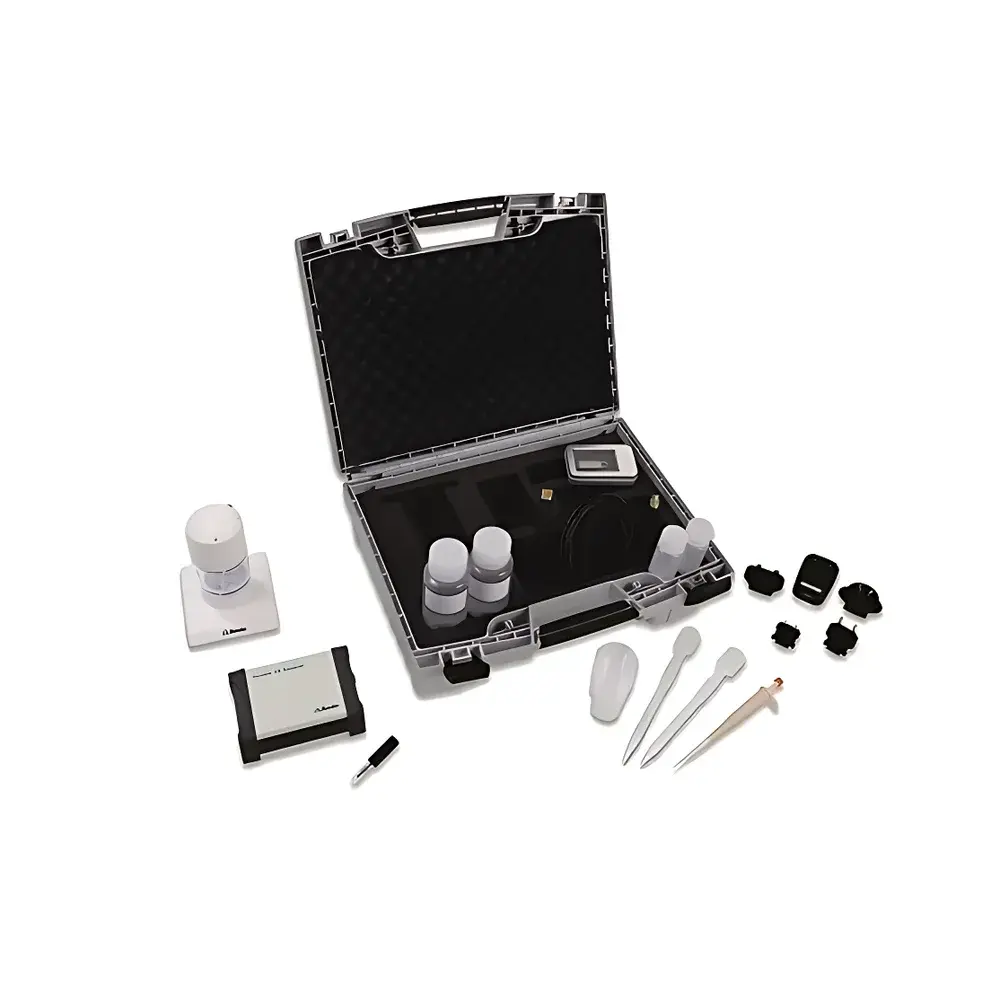
- Robust, shock-resistant carrying case containing all essential components: instrument, electrode holders, electrolyte vials, calibrated pipettes, sample cells, and USB-C charging kit
- No external gas supply, vacuum system, or liquid nitrogen required—fully self-contained operation
- Low-maintenance architecture: electrodes require no polishing or regeneration; minimal consumables per analysis
Sample Compatibility & Compliance
The 946 analyzer accepts raw, unfiltered water samples (e.g., surface water, well water, treated drinking water) with minimal pretreatment—typically only pH adjustment and addition of supporting electrolyte (e.g., 0.1 M HCl or acetate buffer). It complies with method performance criteria outlined in ISO 17294-2:2016 (water quality — elemental specifications by ICP-MS) and supports GLP/GMP-aligned workflows through built-in audit trail functionality. While not a certified reference method per se, its detection capabilities meet or exceed the practical quantitation limits specified in WHO provisional guideline values: As ≤ 10 µg/L, Hg ≤ 6 µg/L, Cu ≤ 2000 µg/L. Method validation data—including spike recovery (85–115%), repeatability (RSD < 8% at 3× LOD), and inter-laboratory comparability—are documented in Metrohm Application Note AN-946-01.
Software & Data Management
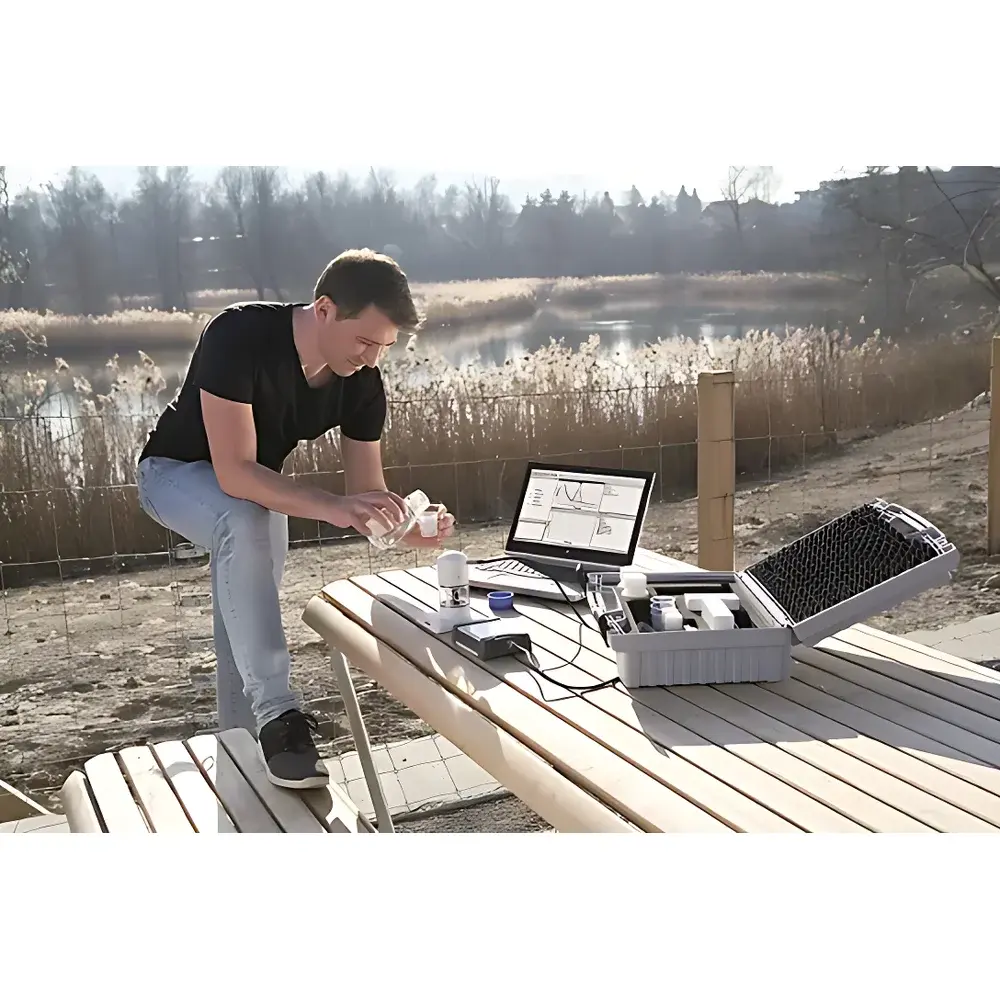
Data acquisition and processing are managed via the included NOVA software (v3.0+), which runs on Windows-based laptops connected via USB. The software provides full method parameter control (deposition time, scan rate, pulse amplitude), real-time voltammogram visualization, automatic peak identification, and calibration curve generation using standard additions or external calibration. All measurement metadata—including timestamp, GPS coordinates (if enabled via external Bluetooth module), operator ID, electrode lot number, and reagent batch—are automatically logged. Export formats include CSV, PDF reports, and XML for LIMS integration. The system supports 21 CFR Part 11-compliant user authentication, electronic signatures, and immutable audit trails when configured with appropriate IT infrastructure.
Applications
- Rapid screening of arsenic contamination in rural groundwater wells across South/Southeast Asia
- Field verification of mercury levels downstream from artisanal gold mining sites
- Regulatory compliance checks for copper leaching from plumbing systems in municipal distribution networks
- Emergency response during industrial spill incidents involving heavy metal release into surface water bodies
- Educational fieldwork and student laboratories requiring hands-on electroanalytical training with real-world relevance
FAQ
What is the typical detection limit for arsenic using the 946 analyzer?
The practical detection limit for arsenic is 1 µg/L under optimized field conditions, consistent with WHO’s health-based guidance value.
Can the instrument analyze multiple metals simultaneously in one run?
No—it performs sequential single-element analysis per sample aliquot to ensure optimal deposition potential and minimize intermetallic interference.
Is electrode calibration required before each measurement?
No—electrodes are factory-calibrated and validated; users perform only routine blank and standard checks as part of QC protocol.
How long does a single scTRACE Gold sensor last?
Each sensor supports approximately 20–30 analyses depending on matrix complexity and cleaning protocol; replacement is performed manually without tools.
Does the system support data export to laboratory information management systems (LIMS)?
Yes—CSV and XML exports are natively supported; custom API integration is available upon request for enterprise LIMS environments.






