
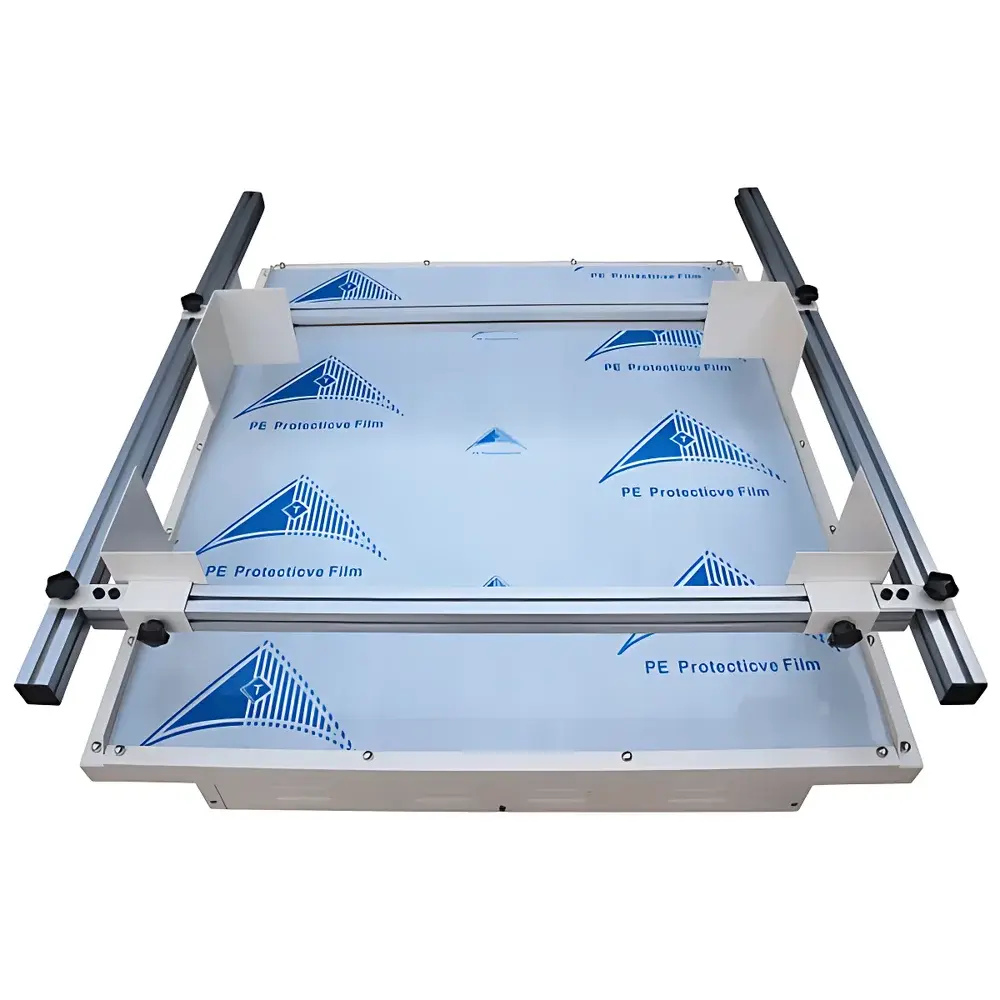
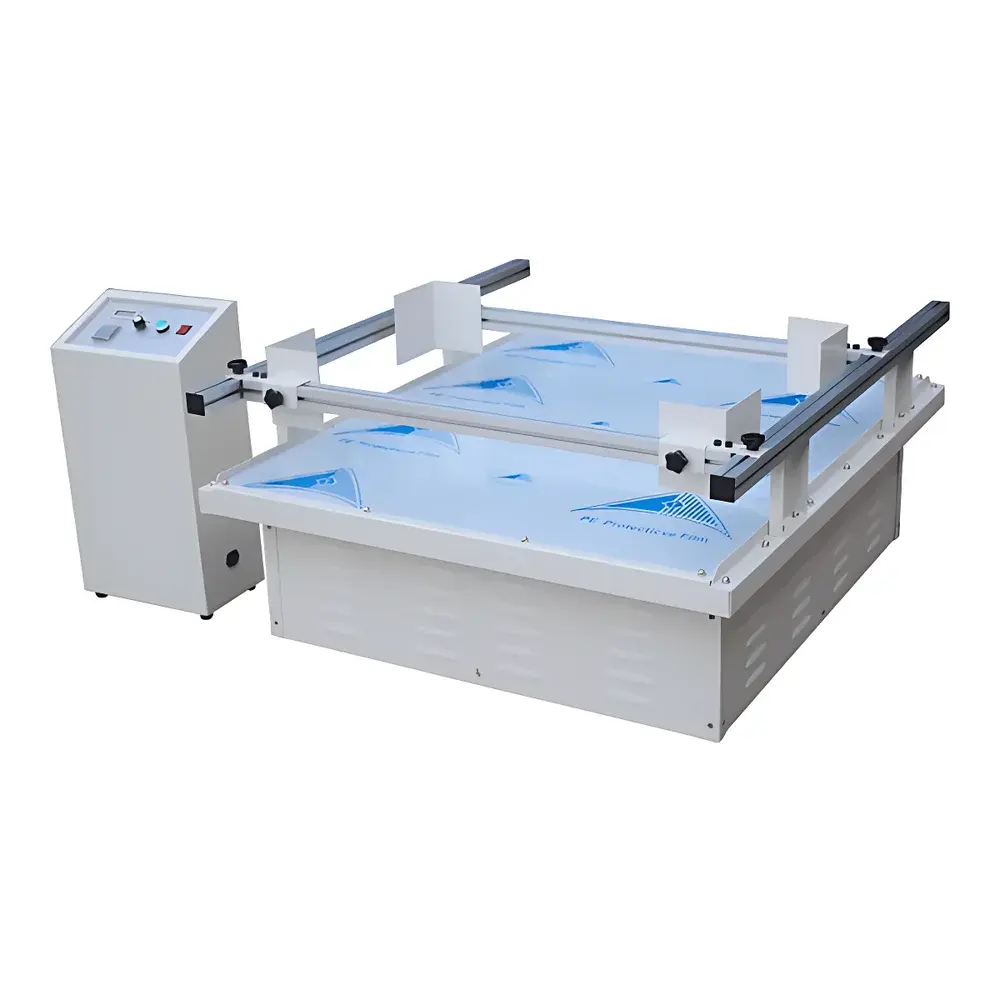
OK-100 Automotive Transport Vibration Tester
| Brand | OEM |
|---|---|
| Origin | Imported |
| Manufacturer Type | Authorized Distributor |
| Model | OK-100 |
| Price | USD 5,200 (FOB) |
| Load Capacity | 100 kg |
| Test Table Dimensions (L × W) | 120 × 100 cm |
| Vibration Mode | Reciprocating (Linear Oscillation) |
| Speed Range | 60–300 rpm |
| Peak-to-Peak Amplitude | 25.4 mm |
| Frequency Range | 1.0–5.0 Hz |
| Timer Range | 0.1 s – 999.99 h |
| Drive System | AC Variable-Frequency Motor |
| Power Supply | 220 V, 50/60 Hz |
| Compliance | ISTA 3A, ISTA 3E, ASTM D999, EN 71-1, ISO 8766 |
Overview
The OK-100 Automotive Transport Vibration Tester is an electromechanically engineered simulation platform designed to replicate the dynamic mechanical stresses experienced by packaged goods during over-the-road transportation—particularly in automotive logistics chains. It operates on the principle of controlled linear reciprocating oscillation, generating repeatable sinusoidal displacement profiles at defined amplitude (25.4 mm p-p) and frequency (1.0–5.0 Hz), aligned with internationally recognized transport simulation protocols. Unlike random vibration systems, this unit delivers deterministic, programmable motion optimized for evaluating package integrity under sustained low-frequency road-induced excitations—including suspension resonance, chassis flex, and trailer bounce. Its robust cast-iron base frame, precision-ground linear guide rails, and dynamically balanced drive assembly ensure minimal harmonic distortion and long-term dimensional stability—critical for GLP-compliant validation studies and comparative packaging qualification.
Key Features
- Reciprocating linear vibration mechanism with ±12.7 mm displacement (25.4 mm peak-to-peak), mechanically fixed amplitude per ISTA/ASTM requirements
- AC variable-frequency drive enabling precise speed control from 60 to 300 rpm (1.0–5.0 Hz), with <±0.2% speed stability under full load
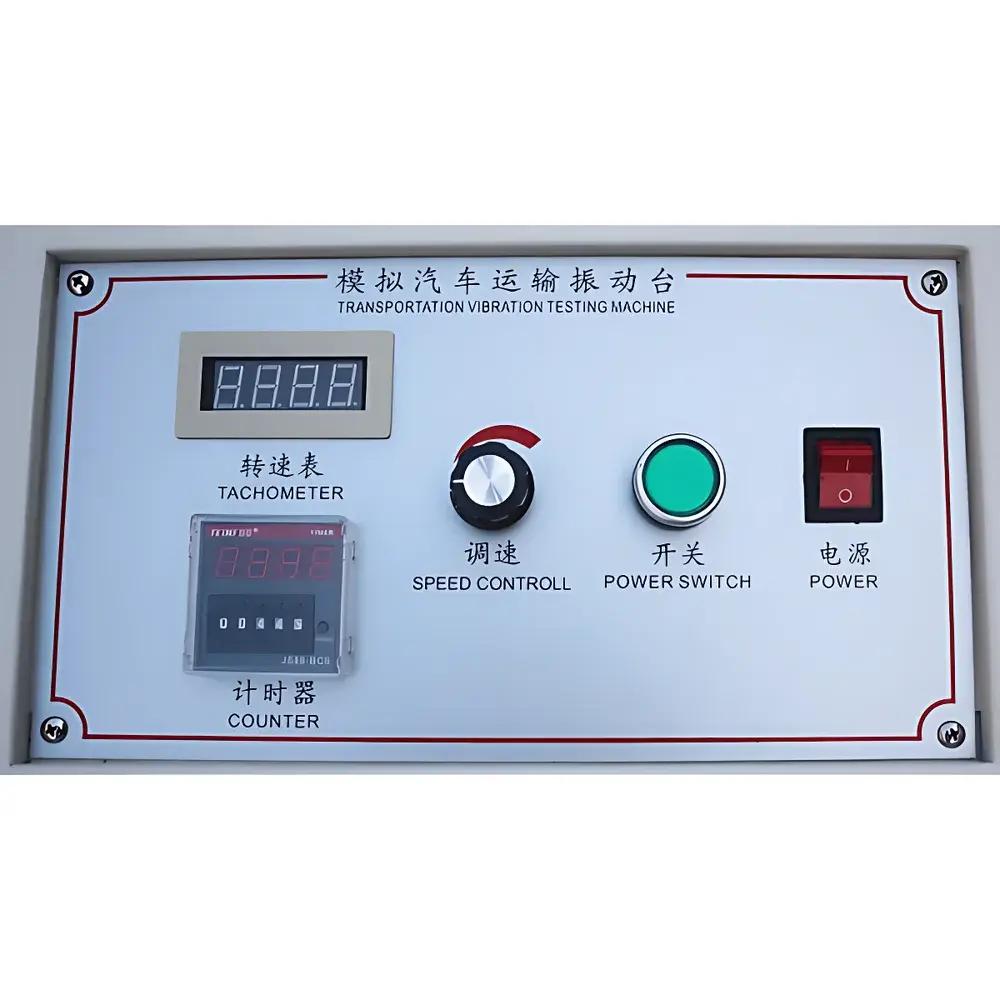
- Integrated digital controller featuring real-time RPM display, elapsed time tracking, and programmable test duration up to 999.99 hours in 0.1-second increments
- Low-noise operation (<62 dB(A) at 1 m), achieved via sealed gear reduction, vibration-damped motor mounting, and precision-machined linear guides—suitable for shared laboratory or office environments
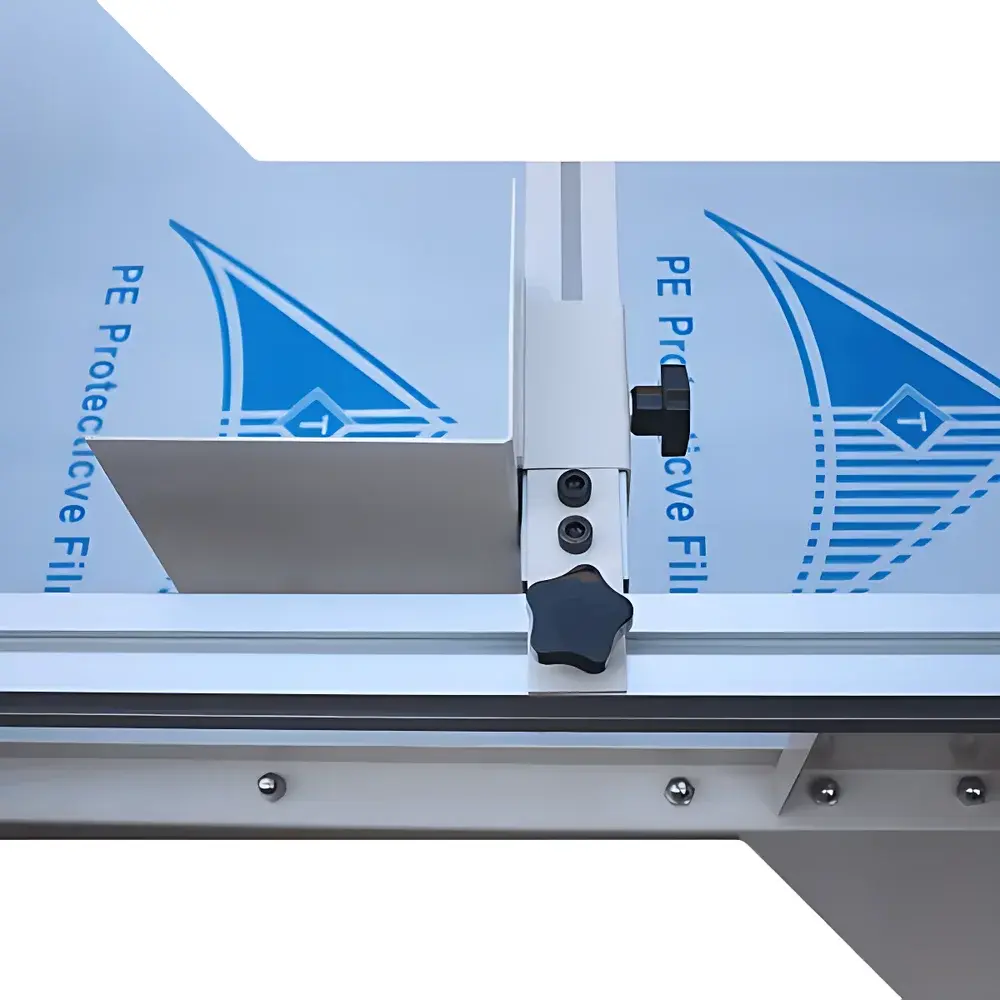
- Modular table interface with T-slot grooves and adjustable clamping fixtures accommodating irregularly shaped packages up to 120 × 100 cm footprint
- Compliance-ready architecture: preconfigured test profiles for ISTA 3A (individual shipments), ISTA 3E (unitized loads), and ASTM D999 (vibration resistance of shipping containers)
Sample Compatibility & Compliance
The OK-100 accommodates packaged units weighing up to 100 kg, including assembled electronics, automotive interior components, consumer durables, ceramic ware, and toy shipments. Its rigid aluminum-alloy test surface supports both direct placement and palletized loading configurations. The system meets functional equivalence requirements of multiple international standards: ISTA 3-series protocols (including 3A, 3E, and 3H), ASTM D999–22 (Standard Test Method for Vibration Testing of Shipping Containers), EN 71-1:2014+A1:2018 (Safety of Toys – Mechanical and Physical Properties), and ISO 8766:2022 (Packaging – Complete, filled transport packages – Vertical vibration testing). All firmware logic adheres to ISO/IEC 17025 traceability principles; calibration certificates (NIST-traceable accelerometer verification) are available upon request.
Software & Data Management
While the OK-100 operates as a standalone hardware platform, optional RS-485/Modbus RTU interface enables integration into centralized lab management systems (LIMS) or MES environments. Time-stamped test logs—including start/stop timestamps, actual RPM history, and cumulative cycle count—are exportable via USB flash drive in CSV format. For regulated industries (e.g., automotive Tier-1 suppliers subject to IATF 16949), optional audit trail firmware provides electronic record retention compliant with FDA 21 CFR Part 11 requirements—including user authentication, event logging, and immutable data archiving. No proprietary software installation is required for basic operation.
Applications
- Validation of corrugated box compression strength and corner support integrity under simulated highway vibration
- Assessment of internal product shifting, foam cushion degradation, and fastener loosening in automotive component shipments
- Comparative evaluation of alternative packaging designs (e.g., molded pulp vs. expanded polypropylene) for shock absorption efficiency
- Pre-shipment qualification testing for OEMs requiring PPAP documentation per AIAG standards
- Root-cause analysis of field failure reports linked to transport-induced damage (e.g., LCD screen cracking, PCB solder joint fatigue)
- Supporting ISTA-certified packaging certification labs seeking accredited test equipment for third-party validation services
FAQ
Does the OK-100 support random vibration profiles?
No. It is purpose-built for deterministic, sinusoidal reciprocating motion per ISTA/ASTM low-frequency transport simulation requirements. Random vibration capability requires separate electrodynamic shaker systems.
Can the test table be customized for non-standard package dimensions?
Yes. Optional extended tables (up to 150 × 130 cm) and reinforced support brackets are available under OEM engineering service agreement.
Is calibration documentation included with shipment?
A factory performance verification report is supplied standard. NIST-traceable accelerometer calibration certificates are available as a value-added service.
What safety certifications does the unit carry?
CE marking (EMC Directive 2014/30/EU and Low Voltage Directive 2014/35/EU), RoHS 2011/65/EU compliance, and IP20 enclosure rating.
How is maintenance performed on the linear motion system?
The hardened steel guide rails require only periodic inspection and light lubrication with ISO VG 68 mineral oil every 500 operational hours. Drive belt tension is factory-set and non-adjustable.



