
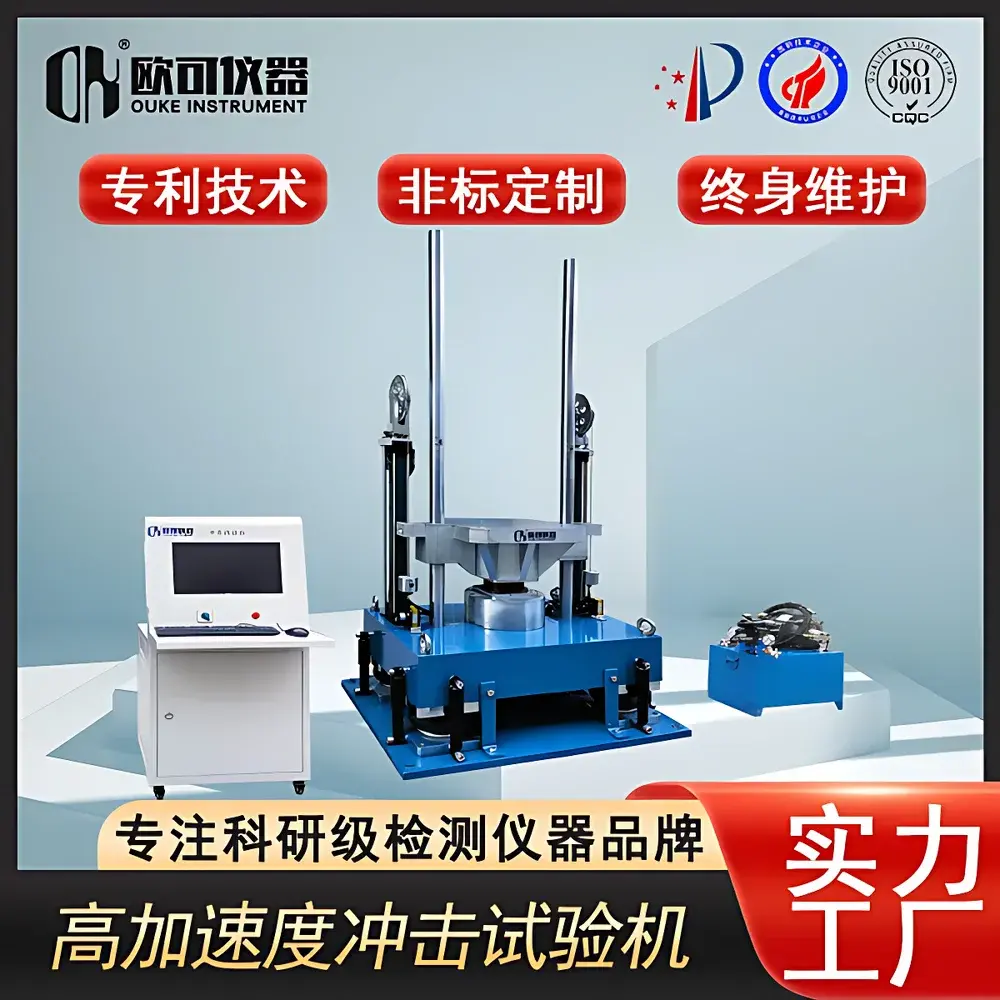
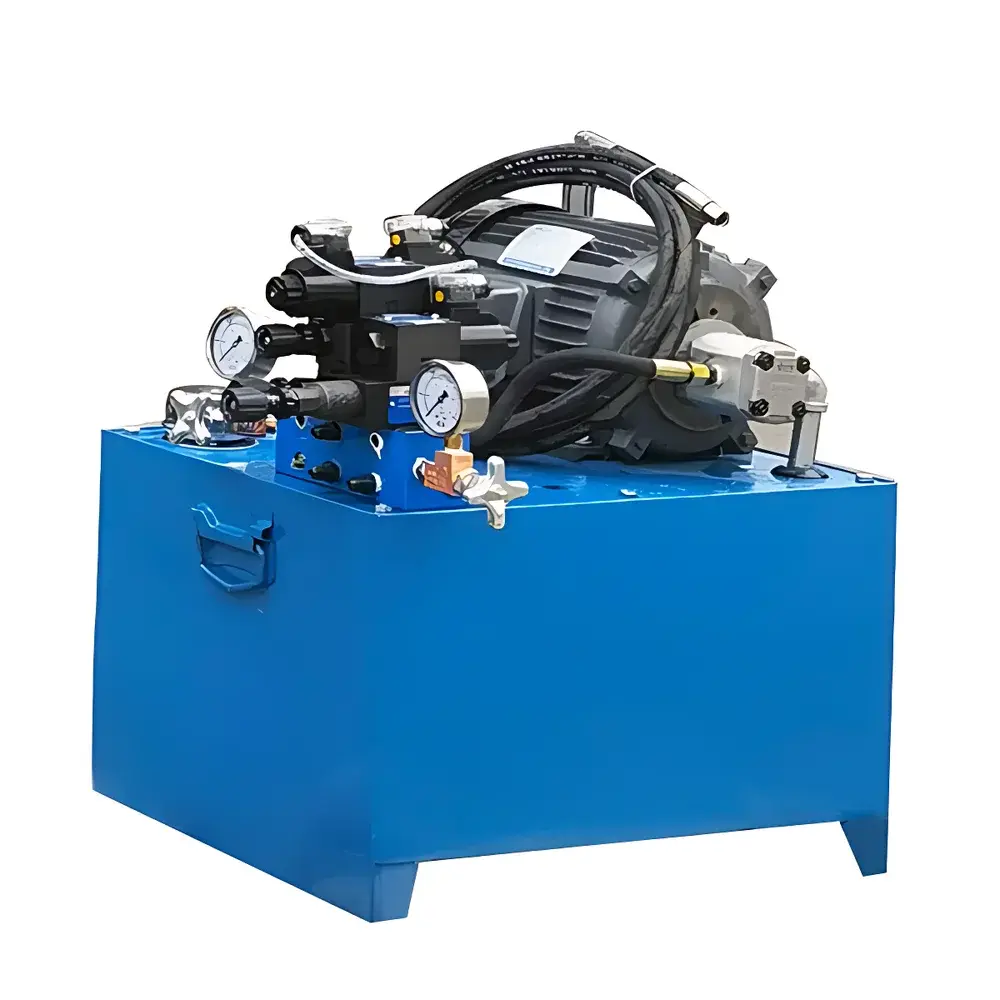
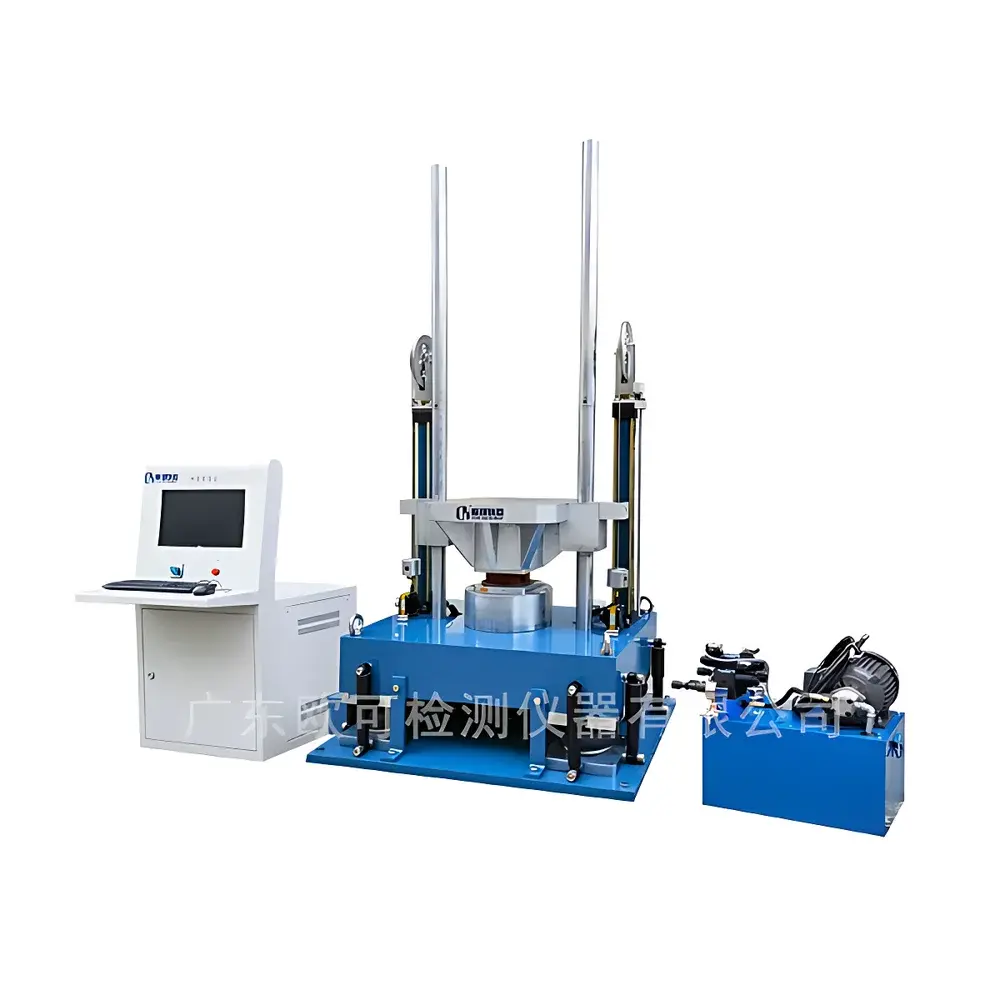
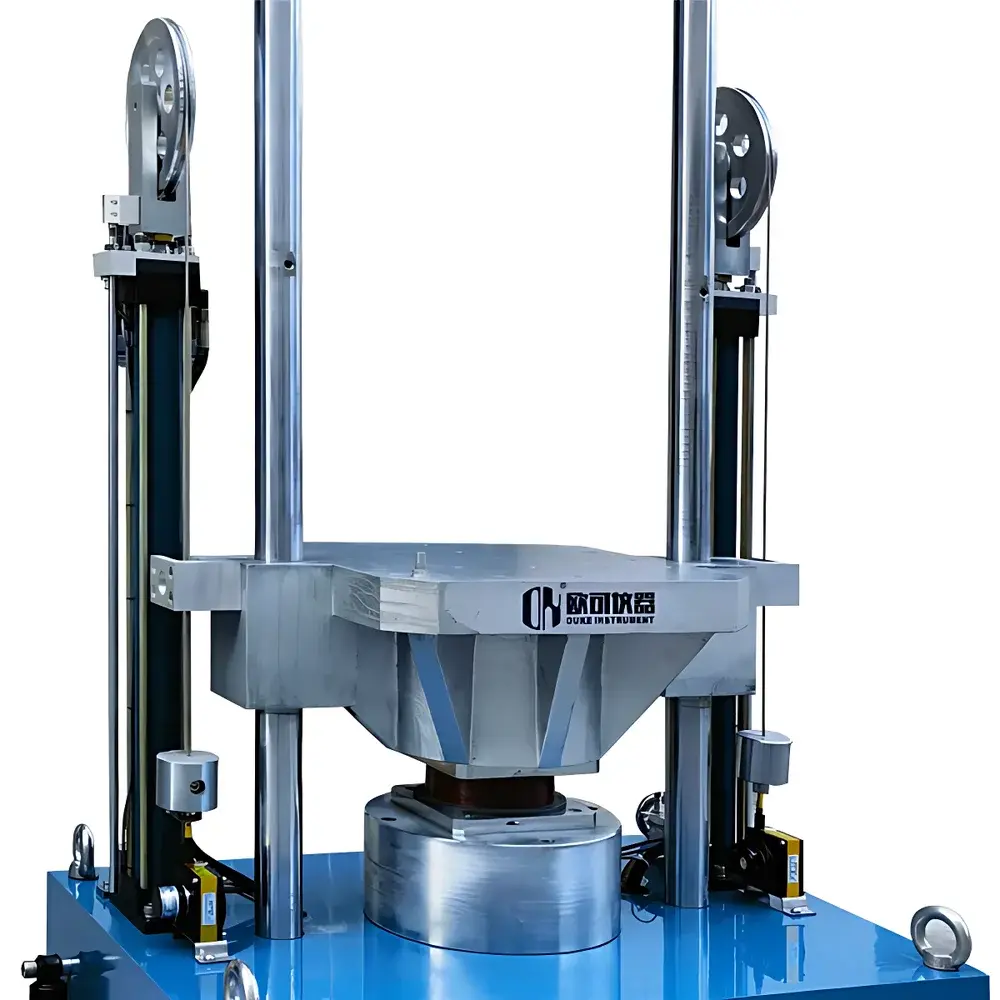
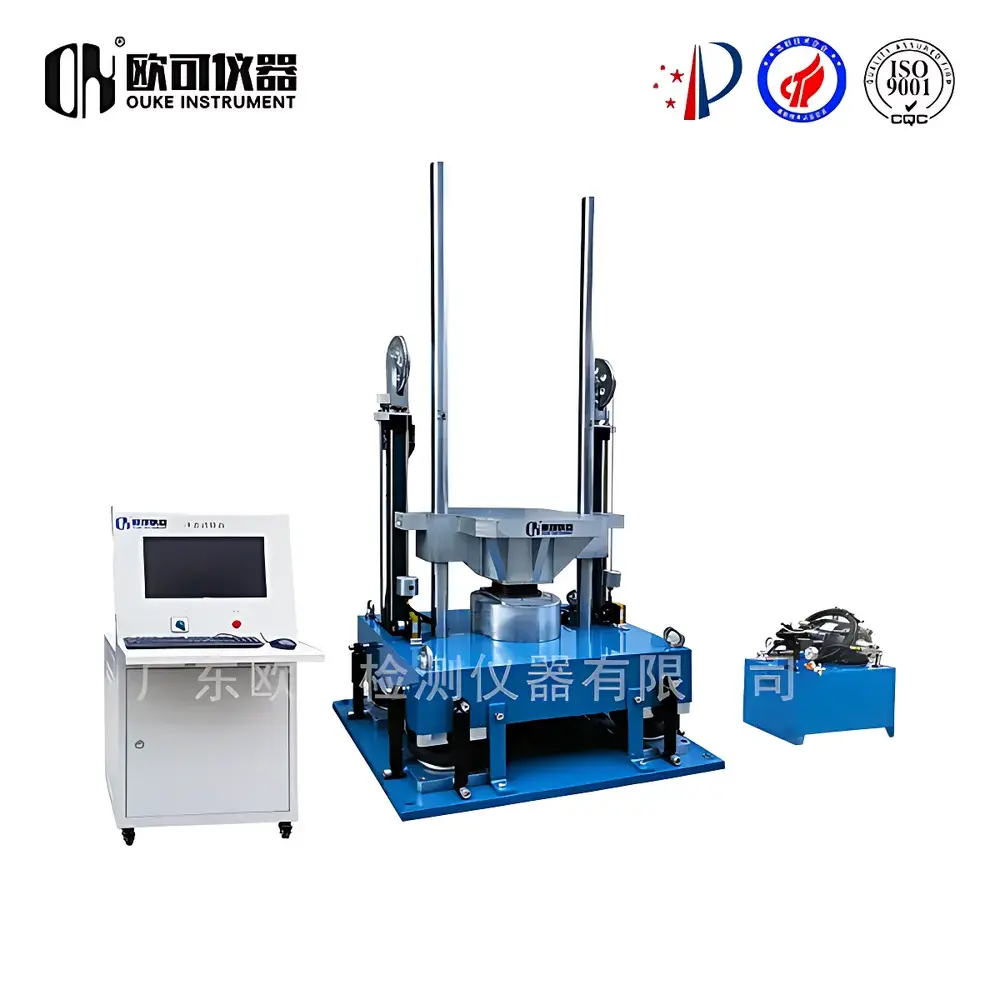
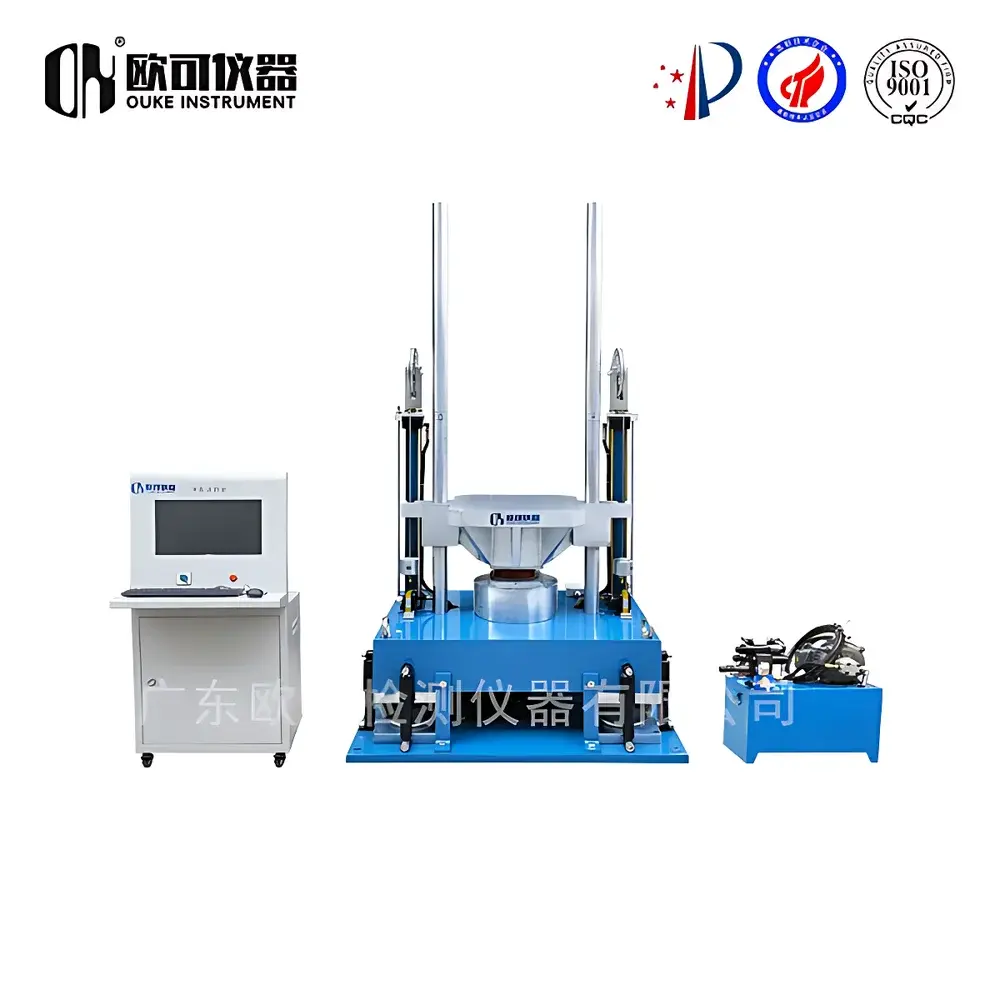
OK-S-11 Acceleration Shock Test System
| Brand | OK Instruments |
|---|---|
| Origin | Guangdong, China |
| Manufacturer Type | OEM/ODM Manufacturer |
| Country of Origin | China |
| Model | OK-S-11 |
| Instrument Category | Specialized Shock Testing Machine |
| Peak Shock Acceleration | 1000 G |
| Impact Velocity Change (Δv) | 4.5 m/s |
| Pendulum Moment (Shock Constant) | 500 N·m |
| Load Cell Range | 55 kN |
| Maximum Lifting Height | 600 mm |
Overview
The OK-S-11 Acceleration Shock Test System is an electromechanically engineered shock testing platform designed to replicate high-intensity, transient mechanical shocks encountered during transportation, handling, launch, or accidental drop events. It operates on the principle of controlled deceleration: a rigid test table—mounted with the specimen—is accelerated to a defined velocity and then abruptly arrested by a calibrated stop mechanism, generating a well-defined acceleration pulse across the specimen. This method conforms to the fundamental physics of mechanical shock as defined in ISO 2041 and IEC 60068-2-27, where shock is characterized by its peak acceleration (G), pulse duration (ms), and waveform shape—parameters directly linked to structural response and failure modes.
Unlike broadband vibration systems, the OK-S-11 delivers discrete, repeatable shock events with deterministic energy transfer. Its design prioritizes mechanical rigidity, minimal parasitic resonance, and traceable calibration—critical for compliance-driven testing environments such as automotive Tier-1 validation labs, aerospace component qualification, and medical device reliability programs subject to ISO 13485 and FDA 21 CFR Part 820.
Key Features
- High-fidelity semi-sinusoidal and terminal-peak sawtooth pulse generation via programmable impact interface and replaceable waveform shapers (e.g., aluminum, rubber, lead, and elastomeric pads)
- Electro-pneumatic actuation system delivering precise velocity control up to 4.5 m/s and repeatable deceleration profiles with <±2% amplitude deviation across 100+ consecutive shocks
- Rigid steel frame construction with reinforced base plate and low-inertia moving mass, minimizing secondary oscillations and ensuring clean pulse definition
- Dual-mode operation: free-fall mode (for drop-simulation per ISTA 3A/ASTM D5276) and powered impact mode (for high-G, short-duration pulses per MIL-STD-883 Method 2002)
- Integrated digital controller with touchscreen HMI, supporting preloaded test standards, user-defined pulse templates, and real-time parameter logging (time, velocity, G-peak, pulse width)
- Modular mounting interface accommodating specimens up to 50 kg, with optional fixture kits for PCBs, ECUs, enclosures, and packaged goods
Sample Compatibility & Compliance
The OK-S-11 accommodates a broad range of physical configurations—from bare printed circuit assemblies (PCBAs) mounted on custom fixtures to fully assembled consumer electronics housed in shipping cartons. Its 600 mm maximum lift height enables full-height drop simulation of medium-sized packages (up to 400 × 400 × 300 mm), while the 55 kN load cell supports high-force impact measurement without signal saturation.
This system is configured and validated to support compliance with internationally recognized shock test standards including:
- IEC 60068-2-27 (Ed. 4.0, 2021): Environmental testing – Tests Ea and Eb – Shock
- MIL-STD-883 Method 2002.4: Mechanical Shock
- MIL-STD-202G Method 213B: Shock, Specified Pulse
- JESD22-B104F: Board Level Drop Test
- ASTM D999: Standard Test Methods for Vibration Testing of Shipping Containers
- ISTA 3A: General Simulation Performance Tests for Parcel Delivery System Shipment
All calibration procedures follow ISO/IEC 17025 principles, with traceability to national metrology institutes (NIM, CNAS-accredited labs).
Software & Data Management
The OK-S-11 is operated via OK-TestControl v3.2—a Windows-based application compliant with FDA 21 CFR Part 11 requirements. It provides electronic signatures, audit trail logging, role-based access control, and encrypted data storage. The software imports raw accelerometer time-history files (IEEE 1451.4 TEDS-compatible), overlays reference waveforms, calculates key metrics (e.g., shock response spectrum, SRS; pseudo-velocity, PV), and auto-generates PDF test reports with pass/fail annotations against user-defined tolerances.
Data export options include CSV, MATLAB (.mat), and universal UFF58 formats for integration into FEA post-processing workflows (e.g., ANSYS LS-DYNA, Siemens Simcenter). Optional API support enables direct linkage to enterprise PLM and QMS platforms (e.g., Arena, ETQ Reliance).
Applications
- Consumer electronics: Structural integrity assessment of smartphones, wearables, and IoT devices under drop conditions; solder joint fatigue evaluation per IPC-9708
- Automotive electronics: Qualification of ADAS sensors, infotainment modules, and battery management systems per LV-124 and GMW3172
- Aerospace components: Shock survivability testing of avionics boxes, flight control actuators, and satellite payload interfaces per DO-160 Section 7
- Industrial equipment: Verification of ruggedized tablets, handheld scanners, and communication terminals deployed in military or field-service environments
- Packaging engineering: Validation of corrugated box performance, cushioning material efficacy, and pallet stability per ASTM D4169
- Reliability screening: High-acceleration stress screening (HASS) of electromechanical relays, switches, and connector assemblies prior to burn-in
FAQ
What shock waveforms can the OK-S-11 generate?
The system natively produces semi-sinusoidal, terminal-peak sawtooth, and trapezoidal pulses. Custom waveforms—including user-imported transient data—are reproducible using electromagnetic actuation add-ons (optional upgrade).
Is the system suitable for GLP/GMP-regulated testing?
Yes. With OK-TestControl v3.2, full 21 CFR Part 11 compliance is achieved—including electronic signatures, immutable audit trails, and secure user authentication.
Can it be integrated with existing vibration test systems?
Yes. The OK-S-11 features Ethernet/IP and Modbus TCP interfaces, enabling synchronized operation with electrodynamic shakers (e.g., LDS V875, TIRA SV 5100) to perform combined vibration + shock profiles per MIL-STD-810H Method 516.7.
What is the typical calibration interval?
Annual calibration is recommended per ISO/IEC 17025 guidelines. OK Instruments provides certified calibration certificates with uncertainty budgets and traceability documentation.
Does the system support remote monitoring and diagnostics?
Standard Ethernet connectivity allows for secure remote access via VPN. Real-time status, error logs, and live waveform previews are accessible through the web-enabled diagnostic portal.



