
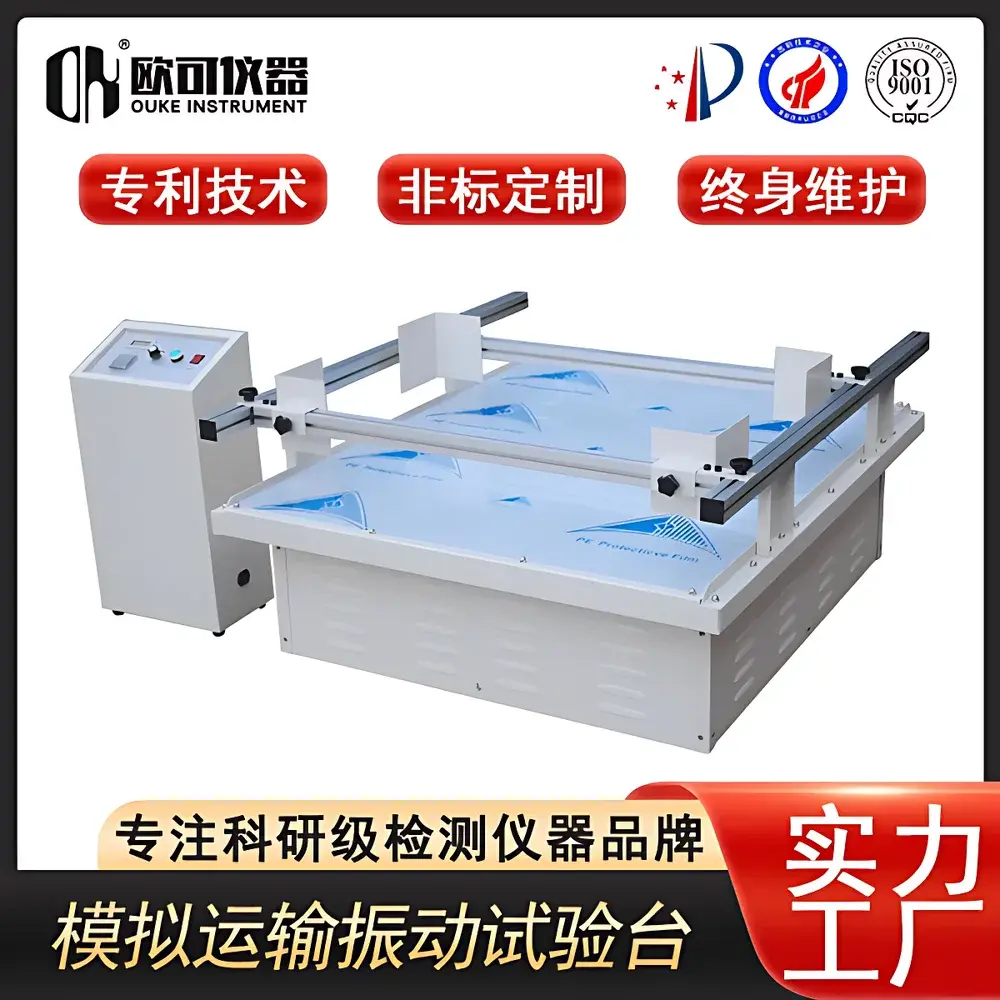
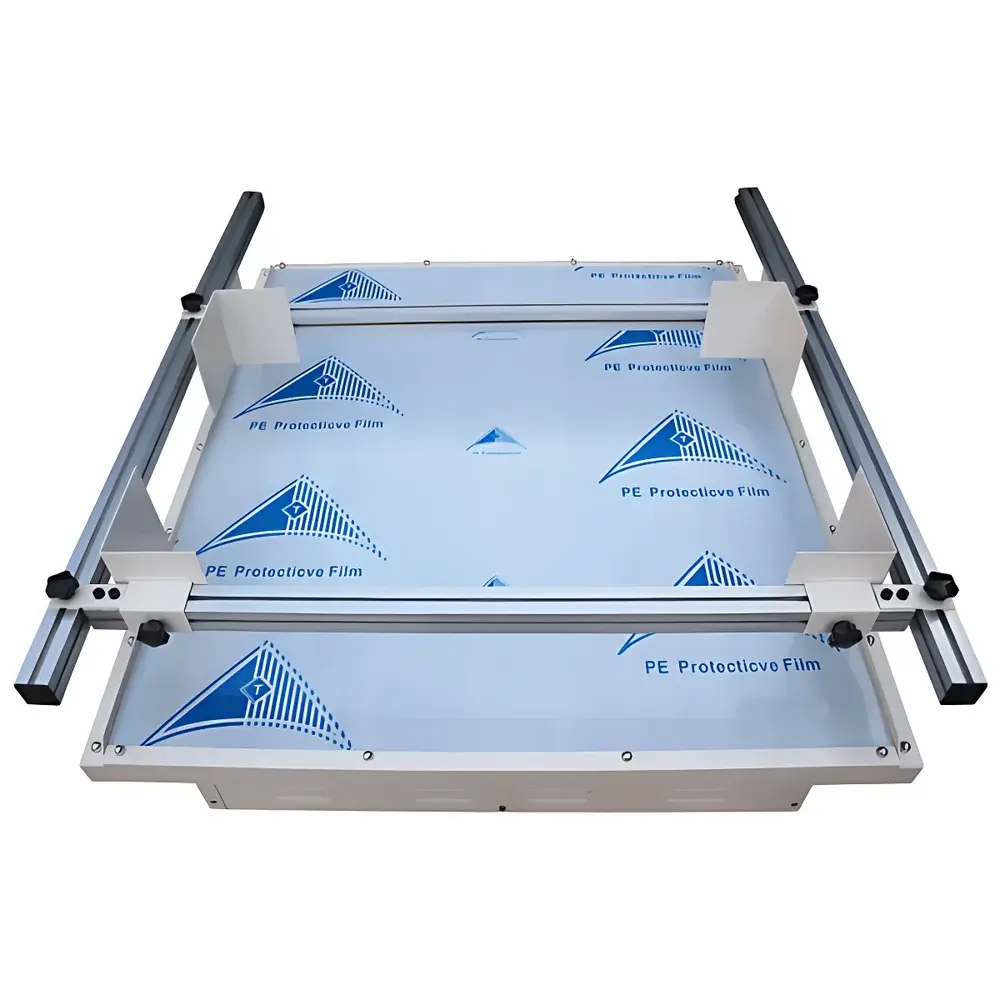
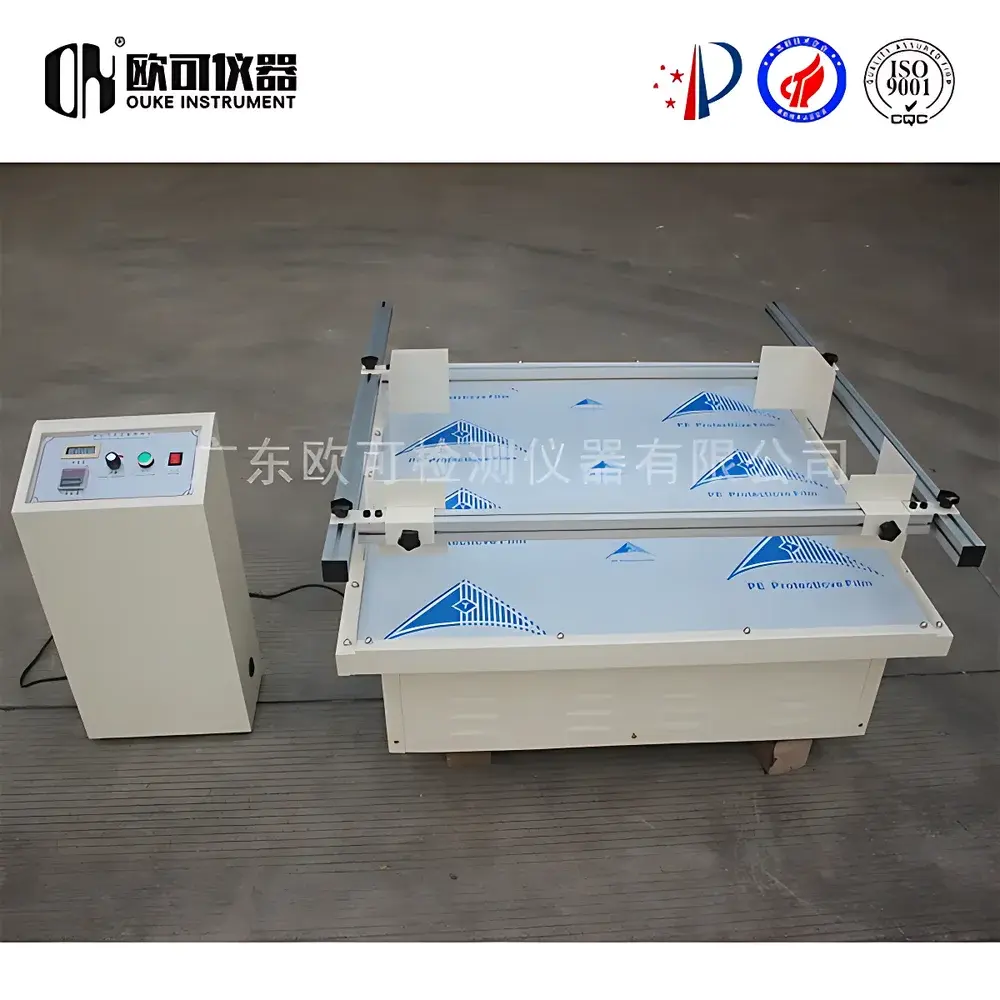
OK-200 Electromagnetic Transport Simulation Vibration Shaker
| Brand | OK Instruments |
|---|---|
| Origin | Guangdong, China |
| Manufacturer Type | Direct Manufacturer |
| Product Origin | Domestic (China) |
| Model | OK-200 |
| Instrument Type | Transport Simulation Vibration Test System |
| Rated Thrust | 1.98 kN |
| Rated Frequency Range | 5–5000 Hz |
| Maximum Test Load | 70 kg |
| Tabletop Dimensions | 1200 × 1000 mm |
| Maximum Acceleration | 10 g |
Overview
The OK-200 Electromagnetic Transport Simulation Vibration Shaker is a high-fidelity electrodynamic vibration test system engineered for laboratory-based replication of real-world transportation-induced mechanical stress. It operates on the principle of Lorentz force actuation: a voice-coil armature (mounted to the tabletop) resides within a high-intensity magnetic field; when driven by a controlled alternating current from the power amplifier, it generates precise, broadband inertial excitation. Unlike mechanically limited cam or eccentric-shaft shakers, the OK-200 delivers programmable sinusoidal, random, and transient shock waveforms across a continuous 5–5000 Hz frequency spectrum—enabling faithful emulation of road, rail, air, and maritime transport environments. Its design targets early-stage reliability validation in product development, specifically addressing packaging integrity, structural resonance, fastener retention, solder joint fatigue, and interconnect robustness prior to field deployment.
Key Features
- Electrodynamic actuation architecture with closed-loop acceleration control, ensuring traceable waveform fidelity and repeatability per ISO 16750-3, ASTM D4728, and ISTA 3-series protocols.
- 1.98 kN rated thrust capacity supports dynamic testing of payloads up to 70 kg—including fixture mass—while maintaining linearity and minimal harmonic distortion below 5% THD across the operational bandwidth.
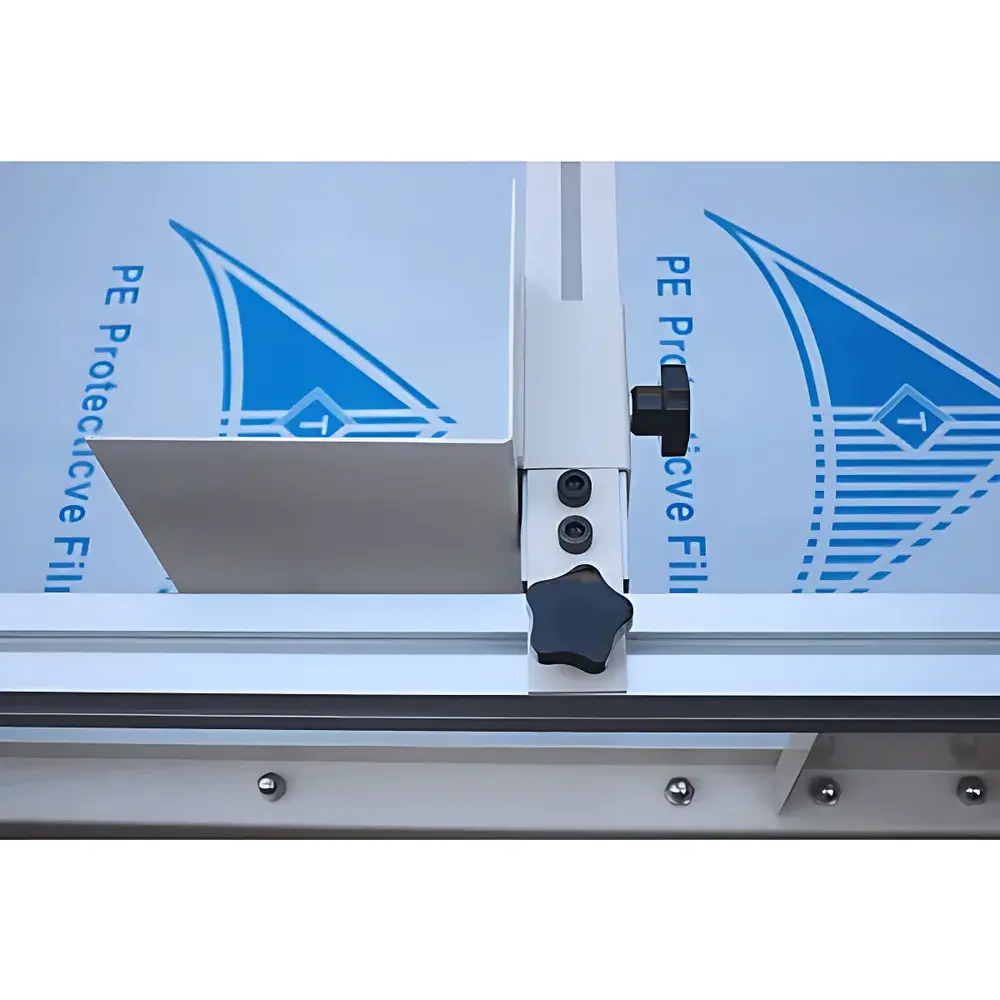
- 1200 × 1000 mm rigid aluminum tabletop with standardized T-slots (M6/M8) for secure, low-resonance fixture mounting; surface flatness ≤ ±0.05 mm over full area.
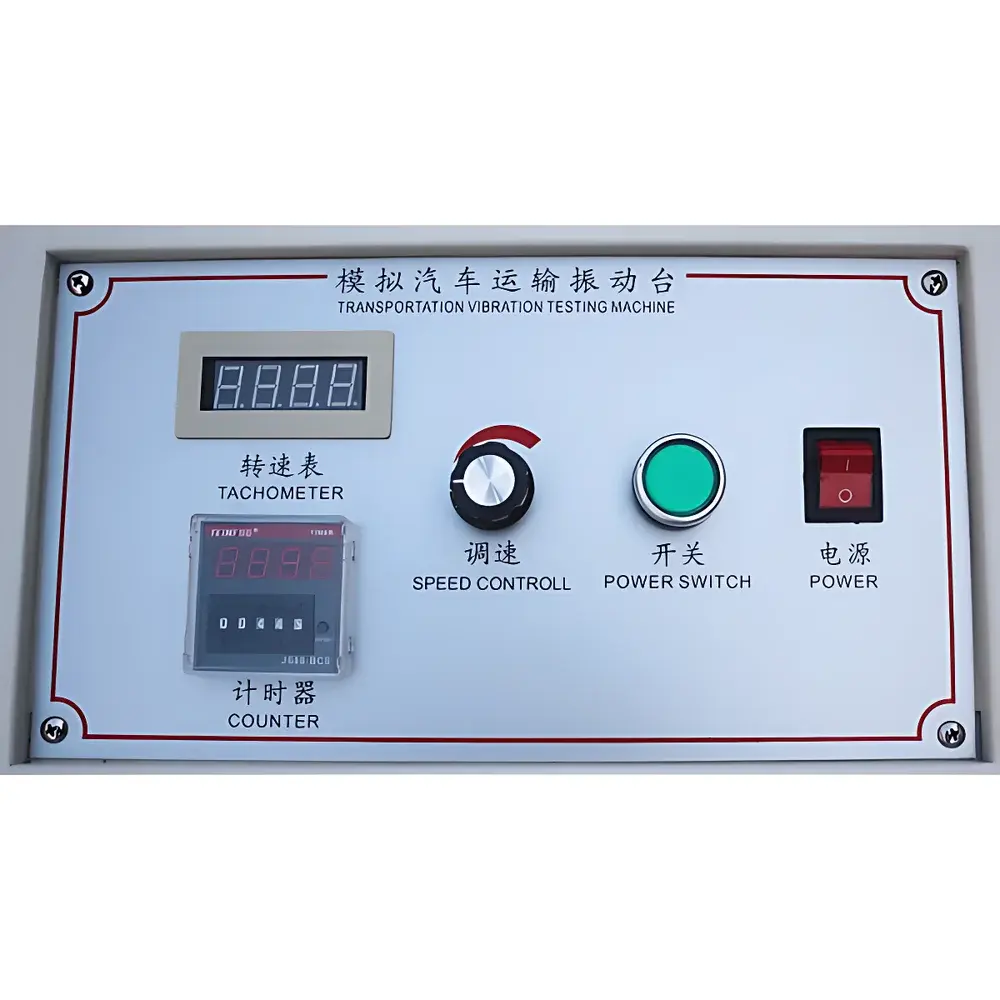
- Real-time digital controller with integrated 4-channel data acquisition, supporting pre-loaded test profiles (e.g., ISTA 3A, ASTM D999), user-defined PSD spectra, and time-history replay of measured road profiles.
- Integrated thermal management system comprising forced-air cooling for the power amplifier and dual-stage liquid-to-air heat exchange for the shaker armature, enabling sustained operation at maximum acceleration (10 g RMS).
Sample Compatibility & Compliance
The OK-200 accommodates a broad range of industrial specimens—from consumer electronics enclosures and automotive ECUs to medical device housings and industrial control panels—provided dimensional and mass constraints are observed. Fixture design must maintain center-of-gravity alignment within ±25 mm of the tabletop’s geometric center to prevent overturning moments. The system complies with electromagnetic compatibility (EMC) requirements per EN 61326-1 and meets mechanical safety standards under ISO 12100. Test reports generated via its controller support audit readiness for GLP, GMP, and ISO/IEC 17025-accredited laboratories. It satisfies functional requirements for ISTA 2A, 3E, and 3H; ASTM D999 (random), D3580 (sinusoidal), and D4169 (distribution cycle simulation); and GB/T 4857.7, GB/T 4857.10, and GB/T 4857.23.
Software & Data Management
The OK-200 is operated via OK-VibControl™ v3.2—a Windows-based deterministic control platform featuring dual-mode operation: open-loop waveform generation and closed-loop acceleration feedback using integrated IEPE accelerometers. Software capabilities include real-time FFT spectral monitoring, PSD editing with breakpoint interpolation, SRS (Shock Response Spectrum) synthesis, and automated pass/fail evaluation against user-defined acceptance thresholds. All test parameters, raw time-history data (sampled at ≥51.2 kHz), and post-processed metrics (RMS acceleration, kurtosis, crest factor, resonance detection) are stored in vendor-neutral HDF5 format. Audit trails comply with FDA 21 CFR Part 11 requirements, including electronic signatures, immutable session logs, and role-based access control.
Applications
- Package performance validation: quantifying cushioning efficiency of corrugated boxes, molded pulp, foam inserts, and palletized unit loads under multi-axis vibratory stress.
- Structural durability assessment: identifying resonant modes, evaluating weld integrity, detecting micro-crack initiation in plastic housings, and verifying screw retention torque stability.
- Electronics reliability screening: exposing solder joint fractures, connector fretting corrosion, flex-circuit delamination, and display module detachment risks.
- Regulatory conformance testing: fulfilling mandatory vibration qualification for CE marking (EN 60068-2-64), UL 62368-1 Annex M, and IEC 60068-2-6.
- Supply chain quality gate: implementing incoming inspection protocols for Tier-1 automotive suppliers (e.g., VDA 238-101), medical OEMs (ISO 14971 risk analysis), and aerospace subcontractors (SAE ARP4754A).
FAQ
What standards does the OK-200 support out-of-the-box?
Preconfigured test templates include ISTA 3A, 3E, and 3H; ASTM D999, D3580, and D4169; and GB/T 4857.7, 4857.10, and 4857.23. Custom PSDs and time histories can be imported via CSV or MATLAB .mat files.
Can the OK-200 perform multi-axis vibration testing?
The standard configuration is single-axis (vertical). For tri-axial testing, OK Instruments offers synchronized multi-shaker systems (OK-200 ×3) with phase-coherent controller integration and orthogonal fixture tooling.
Is remote operation and data export supported?
Yes—via Ethernet TCP/IP interface, the system supports SCPI command set for LabVIEW, Python, or custom automation scripts. All measurement data exports to HDF5, CSV, or UFF 58 formats without proprietary codec dependencies.
What maintenance intervals are recommended?
Annual calibration verification against NIST-traceable reference accelerometers is advised. Air filter replacement every 6 months and coolant flush every 24 months ensure thermal stability and long-term thrust consistency.
Does the OK-200 meet environmental compliance for export?
Yes—the system carries CE marking (EMC Directive 2014/30/EU, Machinery Directive 2006/42/EC), RoHS 2011/65/EU compliance documentation, and REACH SVHC declaration per Article 33.



