
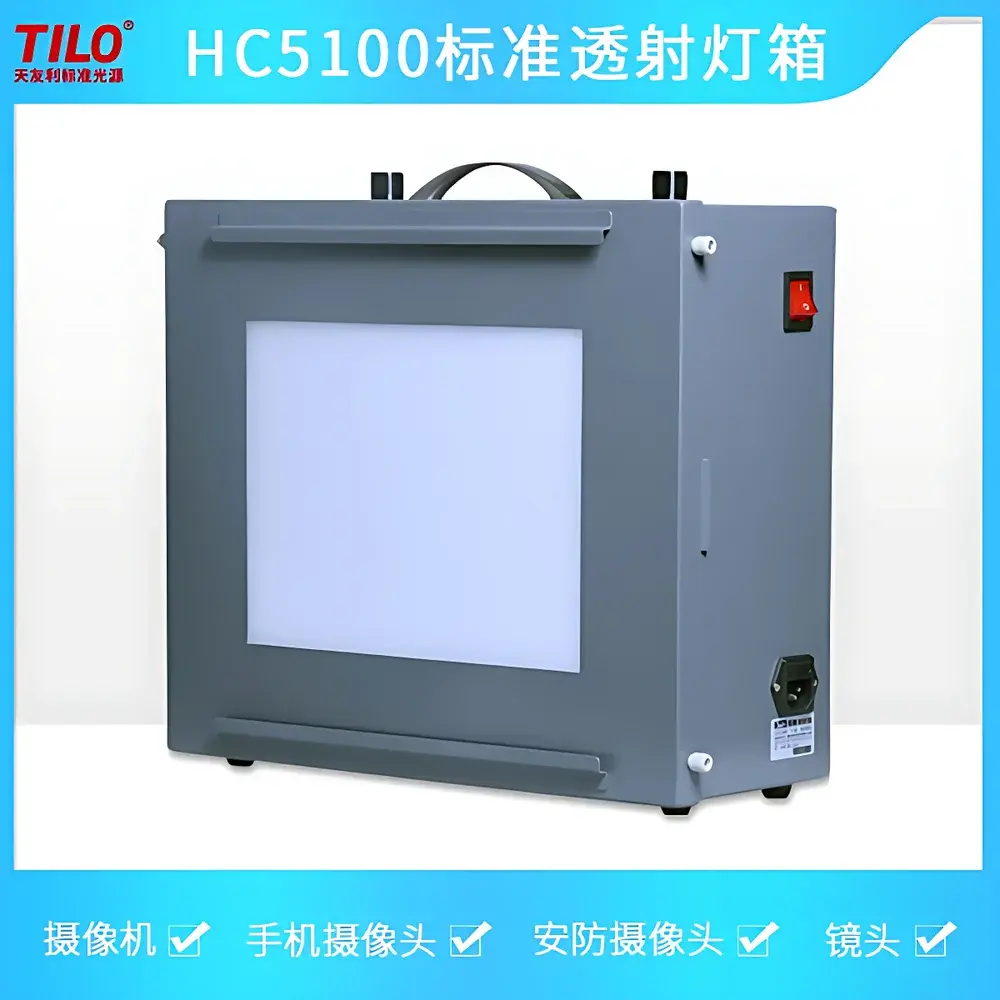
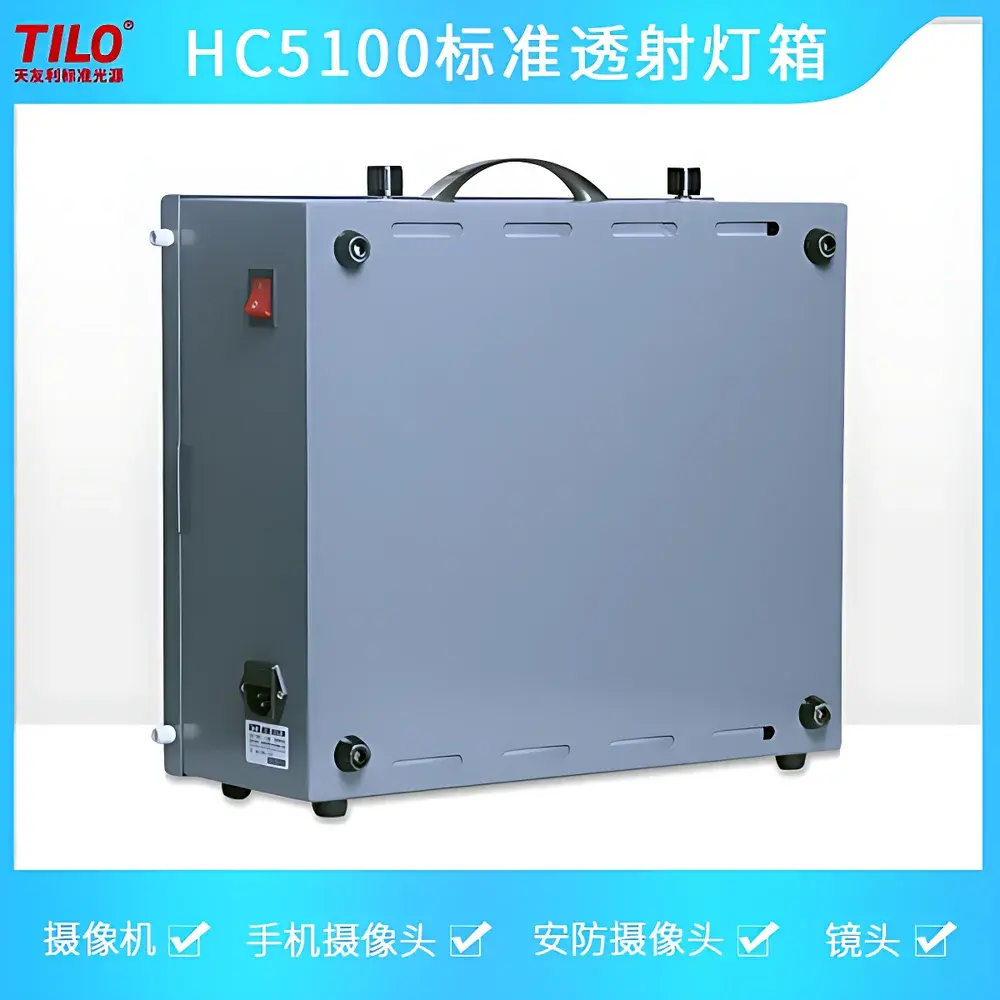
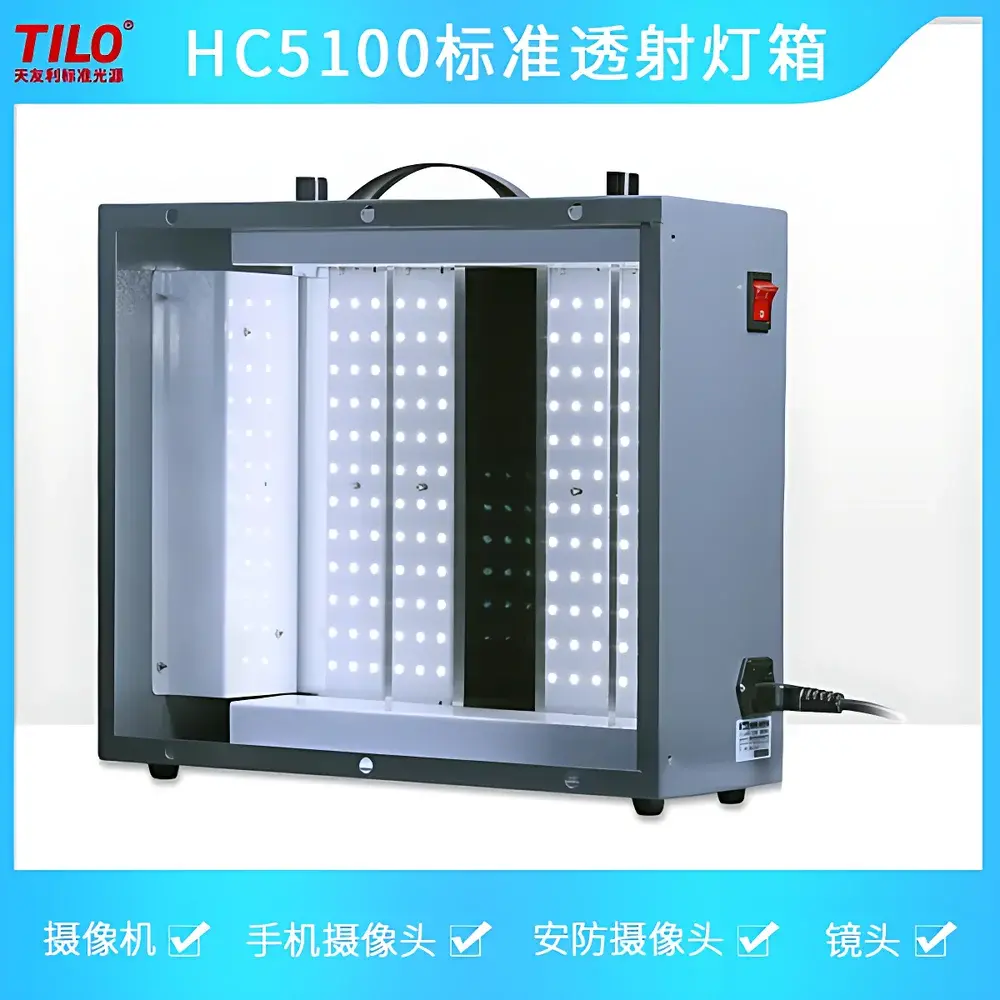
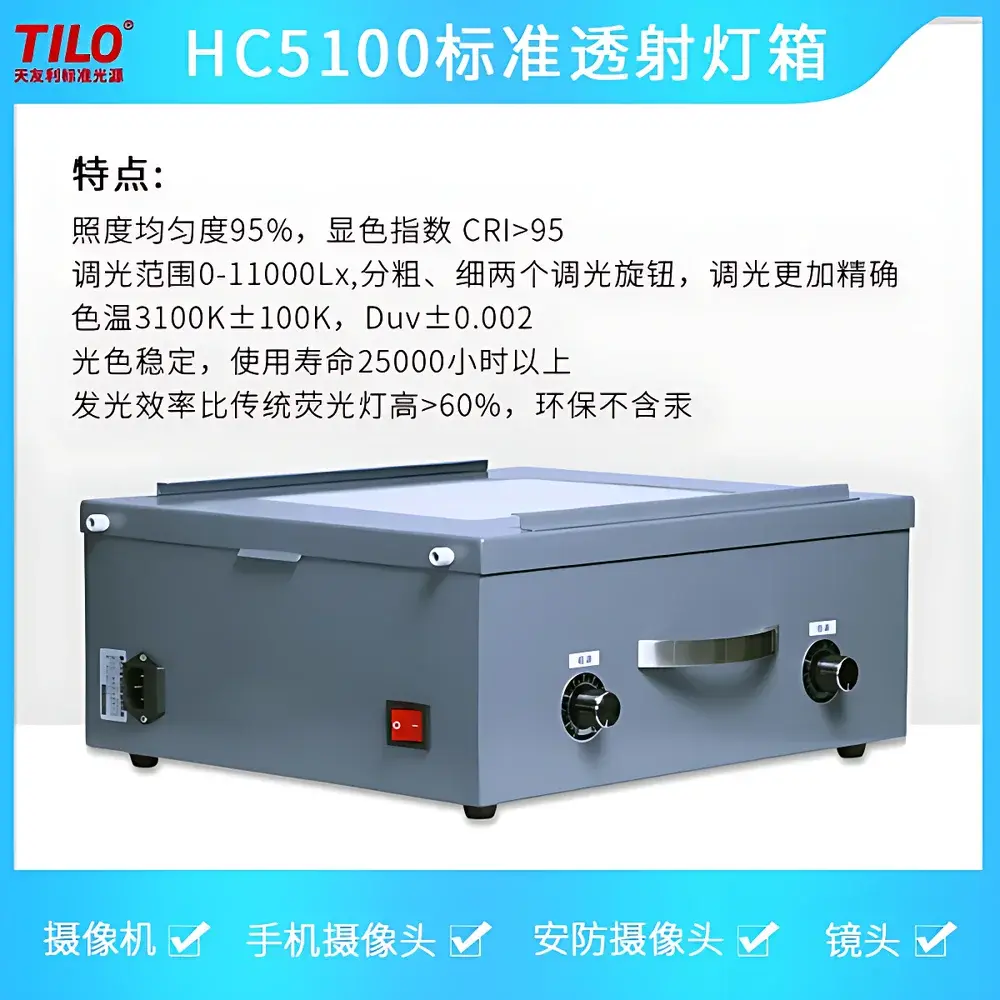
3nh HC3100 LED Transmittance Color Matching Light Booth
| Brand | 3nh |
|---|---|
| Origin | Guangdong, China |
| Manufacturer Type | OEM/ODM Manufacturer |
| Country of Origin | China |
| Model | HC3100 |
| Price | Upon Request |
| Illuminance Uniformity | ≥95% |
| CRI (Ra) | >95 |
| Illuminance Range | 0–11,000 lx (dual-stage precision dimming) |
| Correlated Color Temperature (CCT) | 3100 ±100 K and 5100 ±100 K |
| Duv | ±0.002 |
| LED Lifetime | >25,000 h |
| Luminous Efficacy | >60% higher than fluorescent tubes |
| Power Input | AC 100–240 V, 50/60 Hz |
| Power Consumption | 50 W |
| Transmittance Aperture | 250 × 190 mm |
| Dimensions (W×D×H) | 370 × 325 × 165 mm |
| Net Weight | 6 kg |
| Operating Temperature | 10–40 °C |
| Relative Humidity | ≤80% RH (non-condensing) |
| Environmental Compliance | RoHS-compliant, mercury-free |
Overview
The 3nh HC3100 LED Transmittance Color Matching Light Booth is an engineered solution for high-fidelity visual evaluation of translucent and transparent materials under standardized illumination conditions. Designed specifically for transmittance-based color assessment, it employs a proprietary array of professional-grade, narrow-spectrum white LEDs with precisely calculated spatial distribution to ensure uniform photon flux across the viewing aperture. Unlike legacy fluorescent or halogen-based booths, the HC3100 utilizes constant-current DC drive circuitry to eliminate flicker—critical for consistent human visual perception and digital imaging workflows in quality control environments. Its dual-CCT capability (3100 K and 5100 K) aligns with common industry reference illuminants used in film stock calibration, optical filter validation, and medical device transparency grading. The booth conforms to fundamental requirements of ISO 3664:2009 for graphic technology and ISO 9001-compliant lighting validation protocols, supporting traceable, repeatable assessments in production and R&D laboratories.
Key Features
- Optical uniformity ≥95% across the 250 × 190 mm transmittance aperture, verified per ISO/CIE measurement guidelines.
- High-fidelity illumination with average CRI (Ra) >95 and spectral fidelity confirmed via spectroradiometric characterization at factory calibration.
- Dual-stage dimming system: coarse knob (0–100%) and fine-tuning knob (0–10% increments), enabling precise luminance control from 0 to 11,000 lx.
- Stable CCT output with deviation ≤±100 K and chromaticity shift (Duv) maintained within ±0.002 over rated lifetime—ensuring long-term repeatability in color-critical tasks.
- LED light engine rated for >25,000 hours at L70 (70% lumen maintenance), significantly reducing maintenance intervals versus fluorescent alternatives.
- Energy-efficient design: 50 W nominal power draw with luminous efficacy exceeding traditional fluorescent sources by >60%, compliant with RoHS Directive 2011/65/EU and free of mercury and hazardous phosphors.
Sample Compatibility & Compliance
The HC3100 accommodates standard transmittance samples including photographic film strips, optical filters, polymer sheets, glass substrates, medical packaging films, and liquid-filled cuvettes placed directly on the illuminated aperture. Its geometry supports both visual comparison against Munsell or Pantone TCX transmittance standards and integration with spectrophotometers equipped with transmittance accessories (e.g., integrating spheres with transmission ports). The unit meets mechanical and electrical safety requirements per IEC 61000-6-3 (EMI) and IEC 61000-6-1 (immunity), and its stable photometric output supports audit readiness for GLP and ISO/IEC 17025-accredited laboratories. While not certified to ASTM D1729 or ISO 13655 per se, its spectral and geometric specifications are aligned with the performance thresholds referenced in those standards for critical color evaluation.
Software & Data Management
The HC3100 operates as a standalone hardware platform without embedded firmware or cloud connectivity. However, its stable, flicker-free output enables reliable synchronization with external imaging systems—including industrial cameras, DSLRs, and multispectral scanners—for automated transmittance image capture and analysis. When paired with 3nh’s TS7700 series spectrophotometers or third-party devices supporting USB/HID communication, users may log illumination metadata (CCT, lux, Duv) alongside spectral measurements using custom LabVIEW or Python-based acquisition scripts. Audit trails, calibration history, and environmental logs must be maintained externally in accordance with FDA 21 CFR Part 11 or EU Annex 11 requirements if deployed in regulated manufacturing settings.
Applications
- Film and cinematography: Evaluation of raw stock density, filter transmission curves, and lens flare characterization under controlled D50/D30-equivalent spectra.
- Medical device manufacturing: Visual inspection of IV bag clarity, syringe barrel transparency, and diagnostic film base consistency.
- Automotive and aerospace: Grading of laminated windshield interlayers, head-up display (HUD) combiner films, and sensor window optical homogeneity.
- Graphic arts and packaging: Verification of backlit signage film opacity, holographic laminate transmission, and label substrate translucency.
- Academic research: Controlled illumination source for psychophysical experiments on human transmittance perception and spectral sensitivity modeling.
FAQ
Is the HC3100 suitable for reflective color evaluation?
No—it is optimized exclusively for transmittance applications. For reflective color matching, refer to the 3nh NH310 or YS3060 series standard light booths.
Can the HC3100 be calibrated traceably to NIST standards?
The unit does not include built-in calibration; however, its output may be characterized using a NIST-traceable spectroradiometer (e.g., Konica Minolta CS-2000 or Instrument Systems CAS 140D) following ISO/CIE JIS Z 8722 procedures.
Does it support programmable CCT switching via external signal?
No—CCT selection is manual via front-panel toggle switch. No RS-232, USB, or Ethernet interface is provided.
What is the recommended recalibration interval?
Annual photometric verification is advised under continuous operation (8 h/day); more frequent checks are recommended in environments with elevated ambient temperature or dust exposure.
Is the aperture size compatible with ISO 5-3 transmittance test charts?
Yes—the 250 × 190 mm active area fully accommodates standard ISO 5-3 transmittance charts and ASTM D1729-compatible chart holders.




