
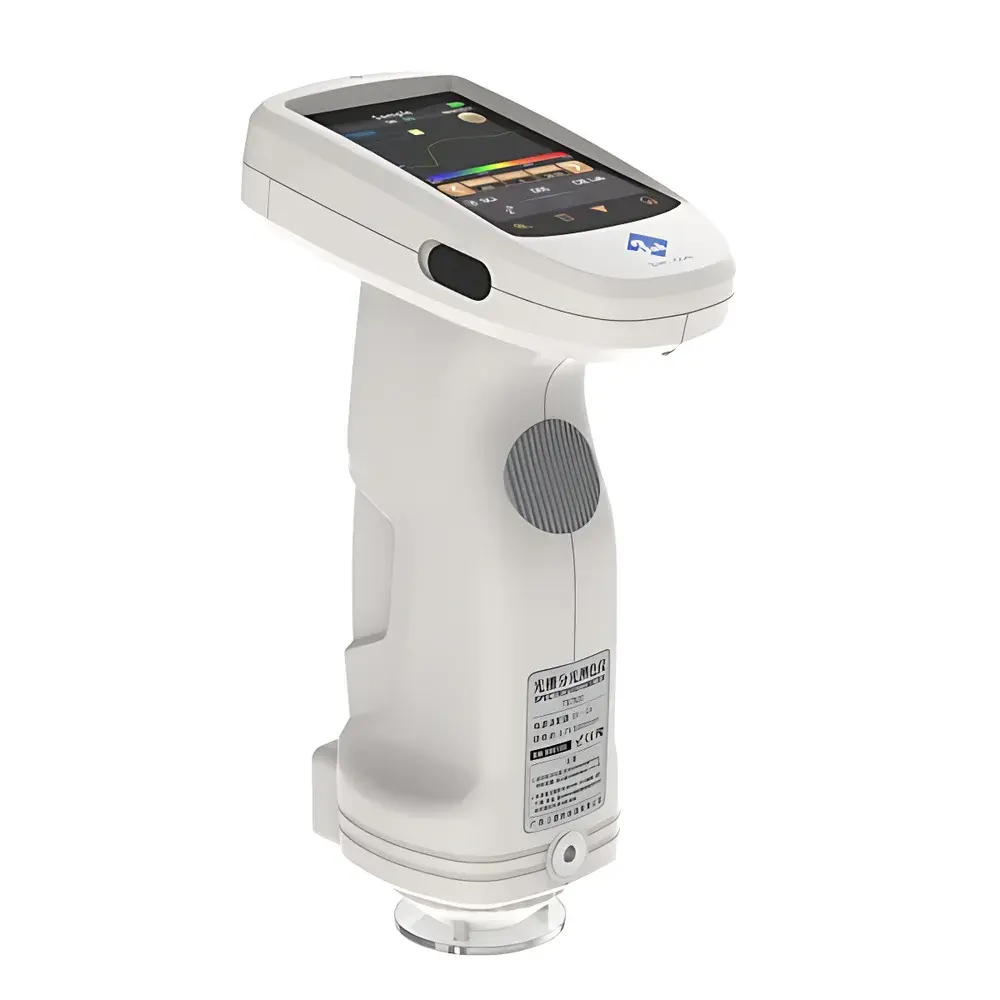
3nh TS7820 Portable Spectrophotometer
| Brand | 3nh |
|---|---|
| Origin | Guangdong, China |
| Manufacturer Type | Manufacturer |
| Product Category | Color Difference Meter |
| Instrument Type | Portable |
| Optical Geometry | d/8° integrating sphere |
| Light Source | Full-spectrum LED + UV LED |
| Spectral Range | 400–700 nm |
| Repeatability | Spectral Reflectance (MAV/SCI): σ ≤ 0.08% |
| Colorimetric Value (ΔE*ab, MAV/SCI) | ≤ 0.02 |
Overview
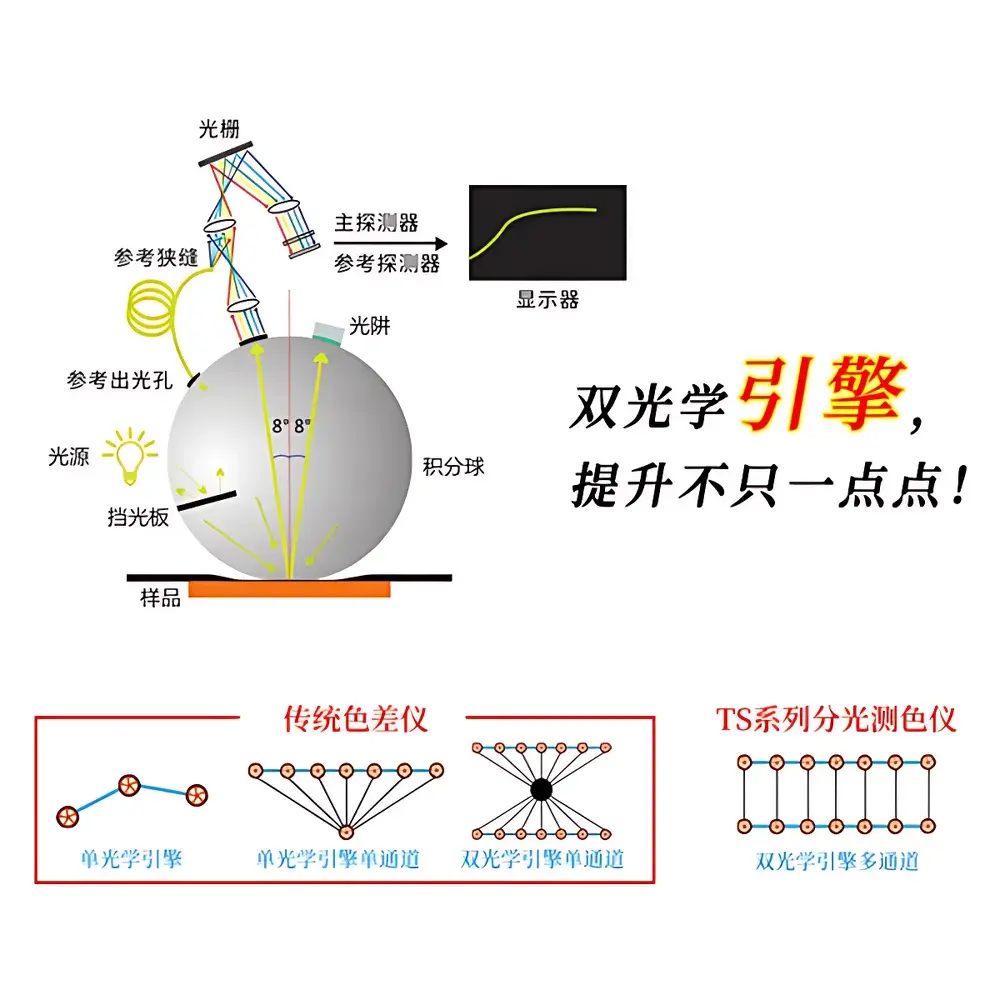
The 3nh TS7820 Portable Spectrophotometer is a high-precision, field-deployable color measurement instrument engineered for traceable color evaluation across industrial and laboratory environments. Based on the CIE standard d/8° geometry with integrated sphere optics, it employs a dual-beam optical architecture and proprietary spectral reconstruction algorithms to minimize stray light influence and enhance signal stability. Its core measurement principle relies on diffuse illumination and hemispherical collection, enabling robust quantification of surface reflectance spectra from 400 nm to 700 nm at 10 nm resolution. Designed for compliance with ISO 13655:2017 (spectral measurement of reflective materials), ASTM E308 (conversion of spectral data to tristimulus values), and CIE Publication No. 15 (colorimetry), the TS7820 delivers metrologically sound colorimetric outputs—including CIE XYZ, L*a*b*, L*C*h, ΔE*ab, ΔE00, and user-defined tolerances—under both SCI (Specular Component Included) and SCE (Specular Component Excluded) modes.
Key Features
- Dual-aperture configuration (8 mm and 4 mm) supports flexible sampling of macro- and micro-scale surfaces without hardware recalibration.
- High-density dual 40-element silicon photodiode array sensor ensures linear response across low- and high-reflectance regions, eliminating saturation under intense illumination and improving signal-to-noise ratio in dark-sample measurements.
- Integrated full-spectrum LED source combined with a stabilized UV-emitting diode enables consistent spectral power distribution (SPD) across the visible and near-UV range, critical for evaluating fluorescent whitening agents (FWAs), optical brighteners, and UV-reactive pigments.
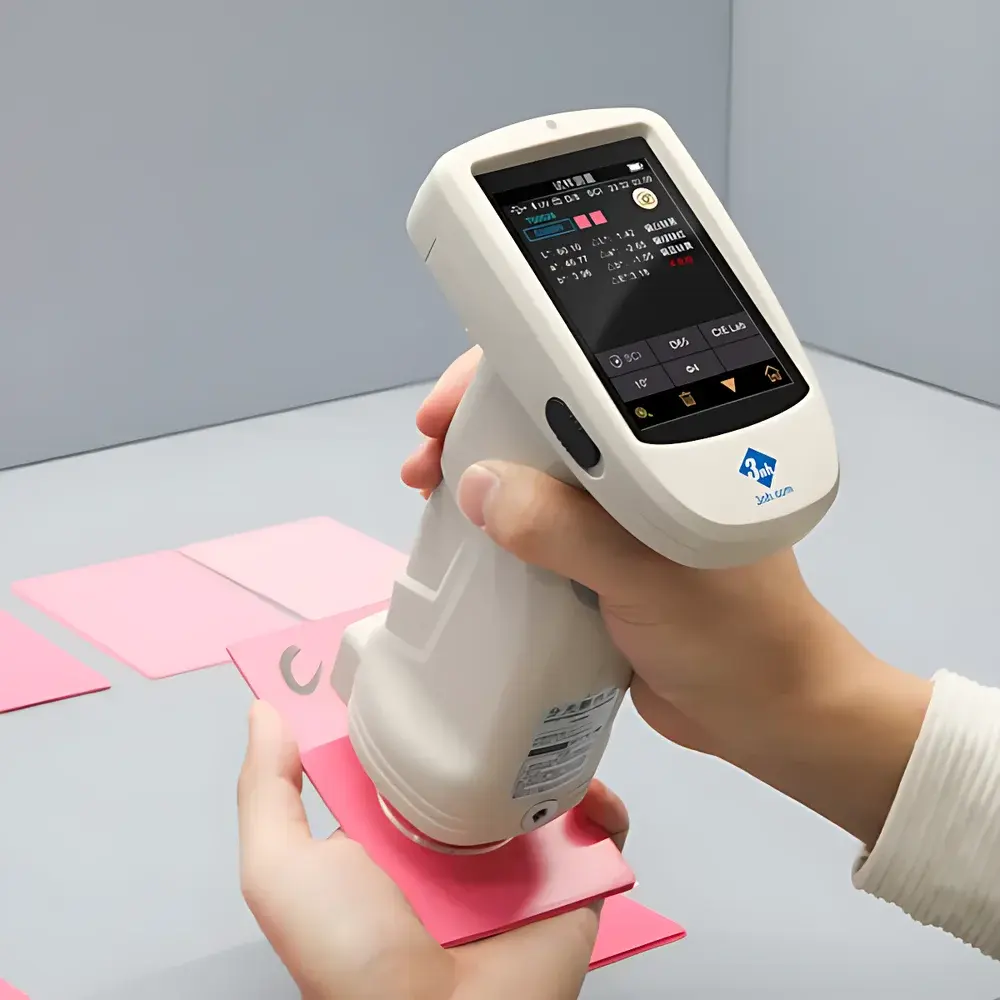
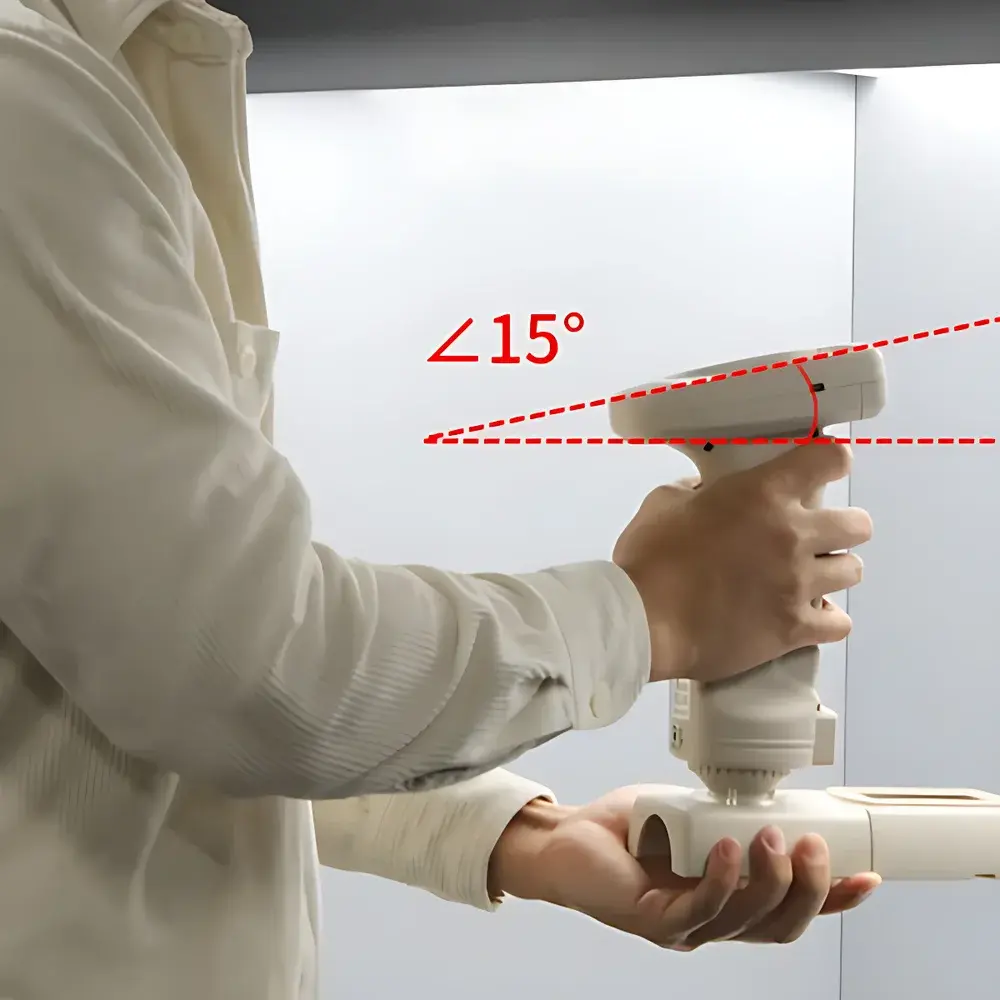
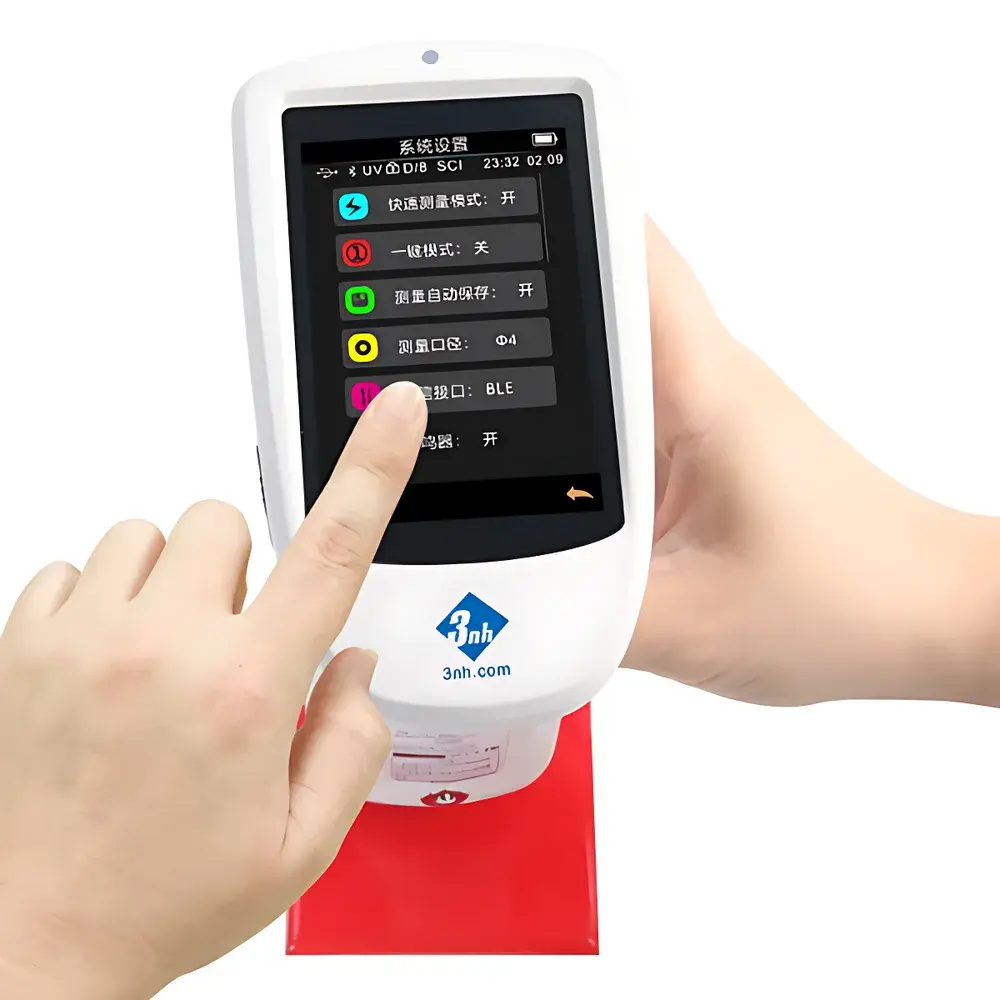
- Onboard 3.5-inch capacitive touchscreen with ergonomic tilt design facilitates intuitive navigation, real-time spectral visualization, and immediate pass/fail assessment against stored standards.
- Integrated 2-megapixel coaxial camera provides live preview and precise targeting of measurement areas, reducing positional uncertainty and enhancing inter-operator reproducibility.
- Optimized dual-optical-path design—combined with firmware-level compensation for thermal drift and lamp aging—achieves inter-instrument agreement (inter-instrument agreement, IIa) of ΔE*ab ≤ 0.12 (BCRA III tile set, MAV/SCI), supporting multi-site color matching and centralized color database management.
Sample Compatibility & Compliance
The TS7820 accommodates flat, curved, textured, and translucent samples—including injection-molded plastics, coated metal panels, woven fabrics, printed substrates, pharmaceutical tablets, cosmetic compacts, and food packaging films. Its non-contact measurement mode (minimum sample distance: 1.5 mm) prevents surface contamination or mechanical deformation. All color calculations conform to CIE 1931 2° standard observer and D65/illuminant A illuminants, with optional F2, F7, and F11 support. Data output complies with ISO 11664-4 (CIE colorimetric observers), ISO 11664-6 (CIELAB), and ISO 12647-2 (process control in graphic arts). The instrument meets CE marking requirements and operates within IEC 61326-1 (EMC for laboratory equipment) and IEC 61010-1 (safety).
Software & Data Management
The TS7820 interfaces seamlessly with 3nh’s SQCX Quality Control Software—a Windows-based application validated for GLP/GMP environments. SQCX supports audit trail logging (per FDA 21 CFR Part 11), customizable report templates (PDF/Excel), statistical process control (SPC) charting (X-bar/R, Cp/Cpk), spectral comparison overlays, and batch-wise deviation analysis. It enables secure user role assignment (administrator/operator/auditor), encrypted database storage, and automated synchronization with enterprise resource planning (ERP) or laboratory information management systems (LIMS) via CSV or ODBC export. Raw spectral data (.spc) and processed colorimetric files (.csv, .xml) are fully traceable and timestamped.
Applications
The TS7820 serves as a primary color verification tool in QC laboratories and production lines across regulated and non-regulated sectors. In automotive OEM supply chains, it validates paint film consistency against master standards per SAE J1545. In textile dye houses, it quantifies colorfastness metrics (AATCC 16, ISO 105-B02) including color change and staining grades. In pharmaceutical manufacturing, it monitors tablet coating uniformity per USP visual appearance guidelines. Additional use cases include R&D color formulation in cosmetics, batch release testing in food packaging, and quality gate checks in electronics housing assembly—where rapid, operator-independent color decisions directly impact yield and customer acceptance.
FAQ
What is the recommended calibration frequency for the TS7820?
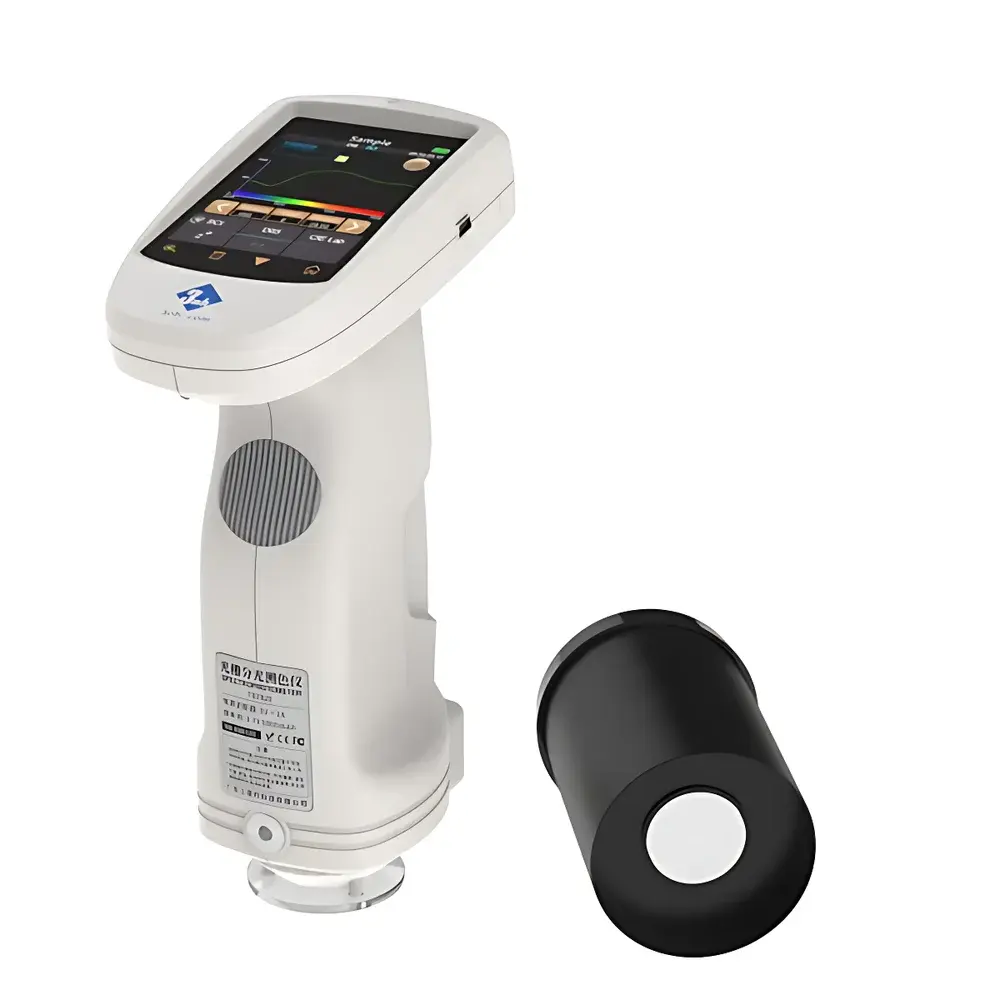
We recommend daily zero calibration using the included black trap and weekly white calibration using the certified ceramic tile (certified per ISO 13655), especially when operating in variable ambient temperature or humidity conditions.
Does the TS7820 support measurement of transparent or translucent samples?
Yes—the instrument includes a dedicated transmission mode accessory (sold separately) compatible with the 8 mm aperture, enabling CIE transmittance measurements (Tvis, YI E313) for clear films, liquids, and gels.
Can spectral data be exported for third-party analysis?
Yes—raw reflectance spectra (31 points from 400–700 nm, 10 nm intervals) are exportable in ASCII format for import into MATLAB, Python (NumPy/Pandas), or commercial chemometric software.
Is the TS7820 suitable for outdoor field use?
It is rated IP52 for dust and drip resistance and features an anti-glare screen; however, direct sunlight exposure during measurement is discouraged. For outdoor applications, we recommend using the optional遮光罩 (light shield hood) to maintain measurement repeatability.
How does the TS7820 ensure long-term measurement stability?
The instrument incorporates real-time LED intensity monitoring, automatic gain adjustment, and firmware-based spectral correction routines that compensate for component aging—verified through annual NIST-traceable verification services offered by 3nh authorized service centers.



