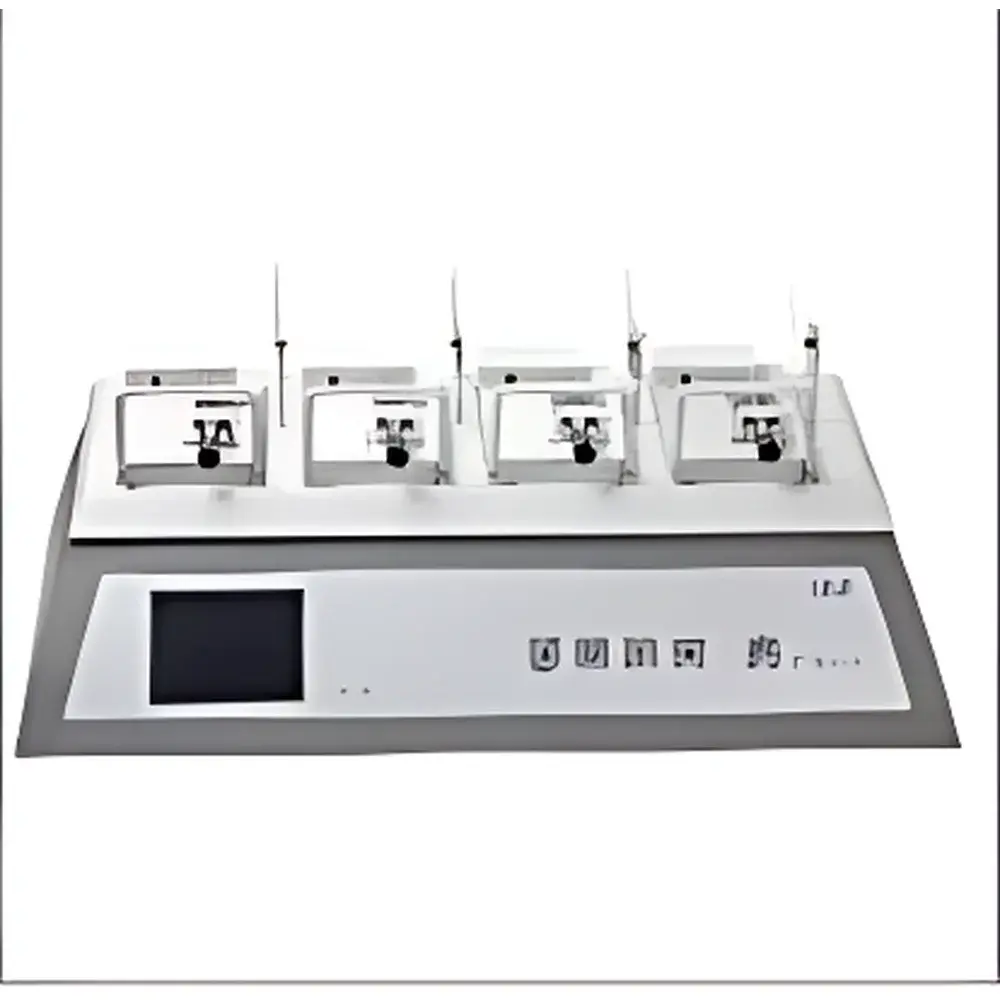
820MS Four-Channel Isometric Muscle Force Measurement System
| Origin | USA |
|---|---|
| Manufacturer Type | Authorized Distributor |
| Origin Category | Imported |
| Model | 820MS |
| Pricing | Available Upon Request |
Overview
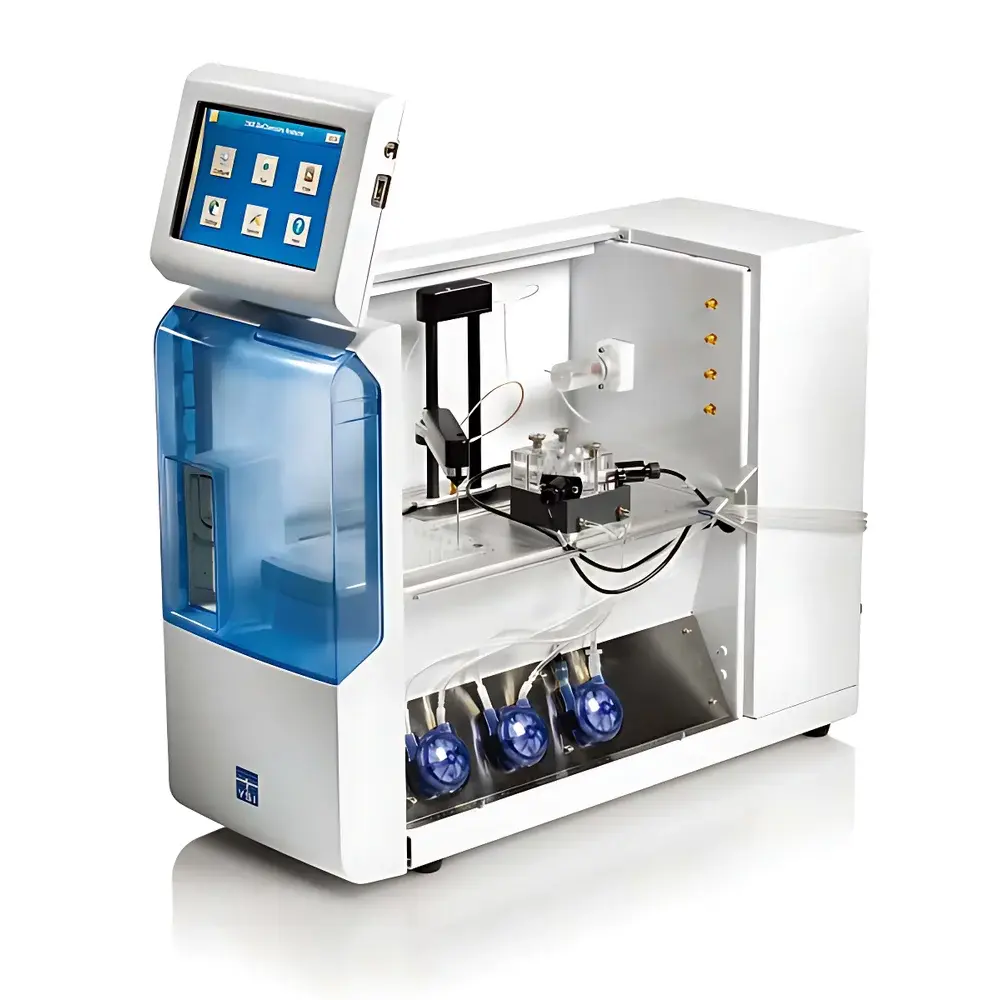
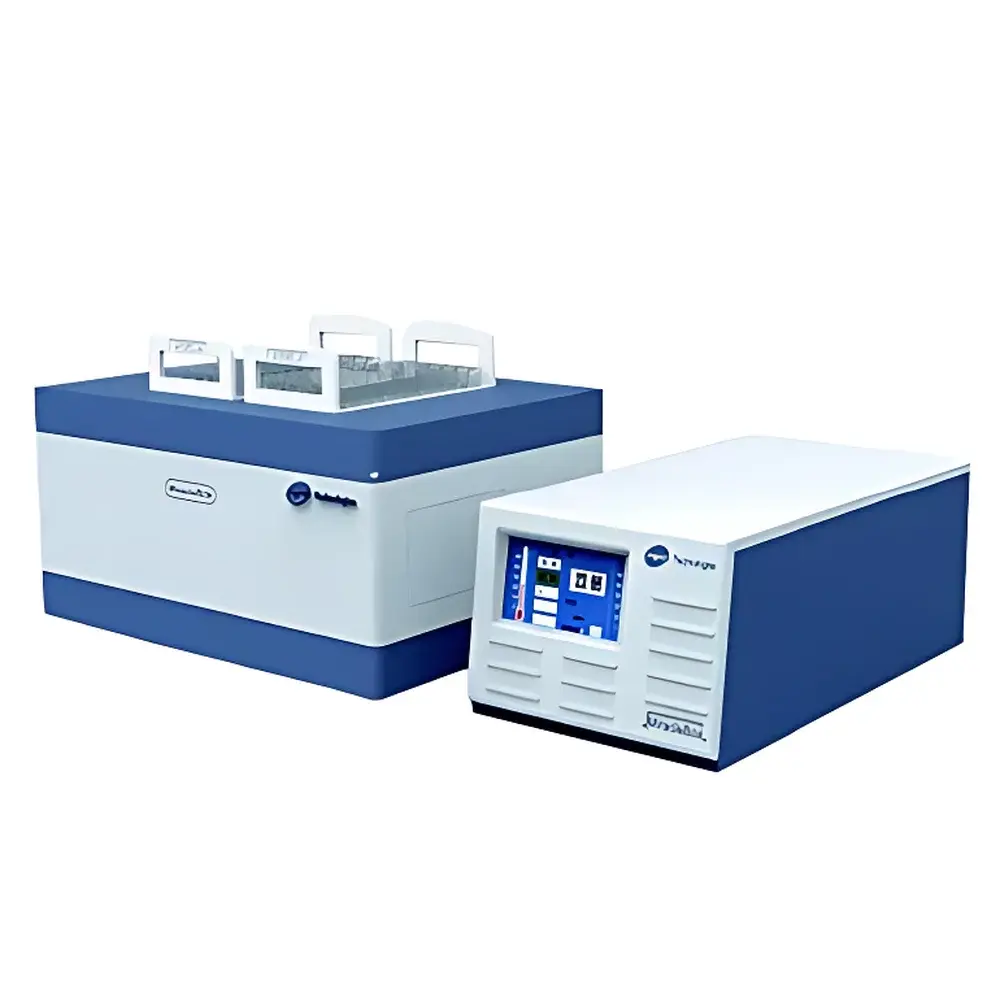
The 820MS Four-Channel Isometric Muscle Force Measurement System is an engineered platform for quantitative assessment of contractile force generation in isolated muscle preparations under isometric conditions. Based on the principle of strain-gauge transduction, the system measures minute changes in mechanical tension (in mN or g-force) produced by excised skeletal, cardiac, or smooth muscle strips in response to pharmacological, electrical, or thermal stimuli. Designed specifically for academic physiology laboratories and preclinical pharmacology research, the 820MS supports standardized ex vivo experimental protocols aligned with established guidelines including AHA/ACC recommendations for isolated tissue studies and NIH-supported muscle physiology best practices. Its modular architecture enables reproducible, parallel acquisition across four independent tissue chambers—critical for dose-response characterization, inter-group comparisons, and longitudinal fatigue profiling.
Key Features
- Four-channel isometric configuration enabling simultaneous, synchronized force recording from up to four isolated muscle strips (e.g., rat diaphragm, mouse EDL, guinea pig ileum, or human saphenous vein segments)
- Rectangular organ bath design accommodating muscle strips up to 19 mm in length and ≥2 mm in cross-sectional width—optimized for large-diameter smooth muscle preparations and intact skeletal muscle fascicles
- Integrated bath temperature control via precision-heated water jacket (range: 25–40 °C, ±0.1 °C stability), with dedicated O2/CO2 gas inlet ports and gravity-fed waste drainage
- Analog output interface (±10 V, 0–5 kHz bandwidth) compatible with standard data acquisition systems (e.g., PowerLab, ADInstruments; Digidata, Molecular Devices; Spike2, CED)
- Native integration with the CS200 Electrical Stimulator for controlled field stimulation (pulse width: 0.1–10 ms; amplitude: 0–100 V; frequency: 0.1–100 Hz), supporting tetanic, twitch, and paired-pulse protocols
- Optional 625FS Automated Buffer Delivery System for sequential or concurrent perfusion of all four baths—reducing manual handling error and improving inter-bath solution uniformity during multi-step washout or cumulative agonist addition
Sample Compatibility & Compliance
The 820MS accommodates a broad spectrum of excised mammalian muscle tissues, including but not limited to rodent fast-twitch (EDL), slow-twitch (soleus), diaphragm, mesenteric artery, urinary bladder detrusor, and colonic longitudinal smooth muscle. Tissue mounting employs standard stainless-steel or tungsten wire hooks with adjustable tensioning mechanisms calibrated to initial resting tension (L0) determination per Hill-type modeling conventions. The system conforms to ISO 13485–aligned quality management practices for research instrumentation and supports GLP-compliant documentation workflows when used with validated DAQ software featuring audit trail, electronic signature, and 21 CFR Part 11–ready metadata tagging (e.g., LabChart 8 with Compliance Pack). All wetted components are autoclavable or chemically sterilizable per institutional biosafety protocols.
Software & Data Management
While the 820MS itself operates as a hardware transduction platform without embedded firmware, it delivers high-fidelity analog signals suitable for real-time digitization at sampling rates ≥2 kHz. When paired with compliant acquisition software, users can perform automated L0 optimization, peak force normalization, time-to-peak/t½-relaxation quantification, and fatigue index calculation. Export formats include CSV, MATLAB (.mat), and HDF5—enabling downstream statistical analysis in R, Python (SciPy/Pandas), or commercial packages such as GraphPad Prism. Data provenance is preserved through timestamped channel labeling, stimulus event markers, and metadata embedding (bath ID, tissue origin, drug concentration, temperature log).
Applications
- Characterization of contractile dysfunction in genetically modified murine models of muscular dystrophy or myotonia
- Evaluation of vasoreactivity in resistance arteries under hypertension or diabetes-related endothelial impairment
- Screening of novel smooth muscle relaxants or spasmolytics using gastrointestinal or urogenital tissue bioassays
- Mechanistic studies of excitation-contraction coupling involving SERCA, RyR, or myosin light chain kinase modulation
- Toxicology assessments of drug-induced myotoxicity (e.g., statin-associated rhabdomyolysis models)
- Validation of tissue-engineered skeletal muscle constructs prior to in vivo implantation
FAQ
What types of muscle tissues are validated for use with the 820MS?
Skeletal (e.g., mouse EDL, rat soleus), smooth (e.g., guinea pig ileum, porcine coronary artery), and cardiac (e.g., rat papillary muscle) preparations have been routinely employed in peer-reviewed publications using this platform.
Is the system compatible with third-party stimulators beyond the CS200?
Yes—any stimulator providing TTL-compatible trigger outputs and isolated constant-current or constant-voltage output can be interfaced via standard BNC or DB9 connections.
Can the 820MS support length-tension or force-velocity measurements?
No—the 820MS is strictly isometric. For isotonic or work-loop analyses, complementary servo-motor–based systems (e.g., Aurora Scientific 1500A) are recommended.
Are replacement transducers and bath components available separately?
Yes—strain-gauge transducers (full-scale ranges: 0.5 g, 5 g, 50 g), custom bath inserts, and O-rings are stocked and supplied with NIST-traceable calibration certificates.