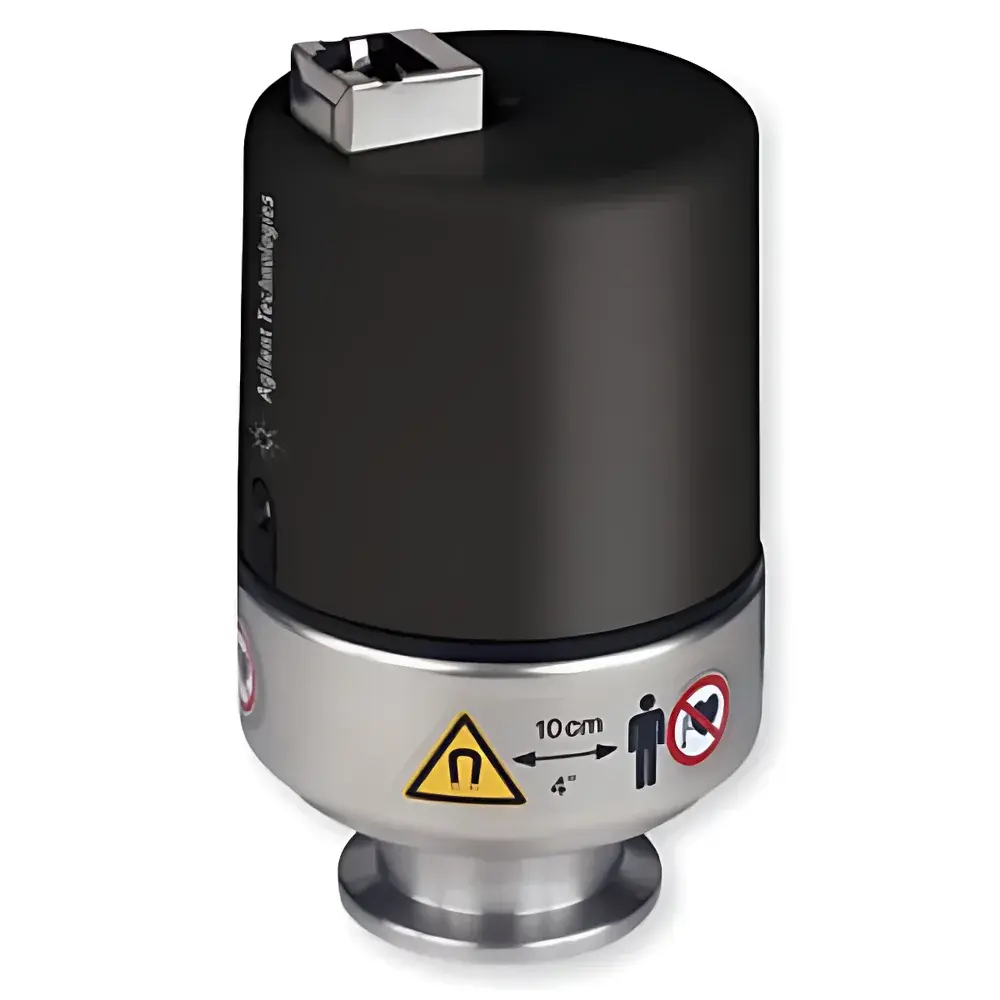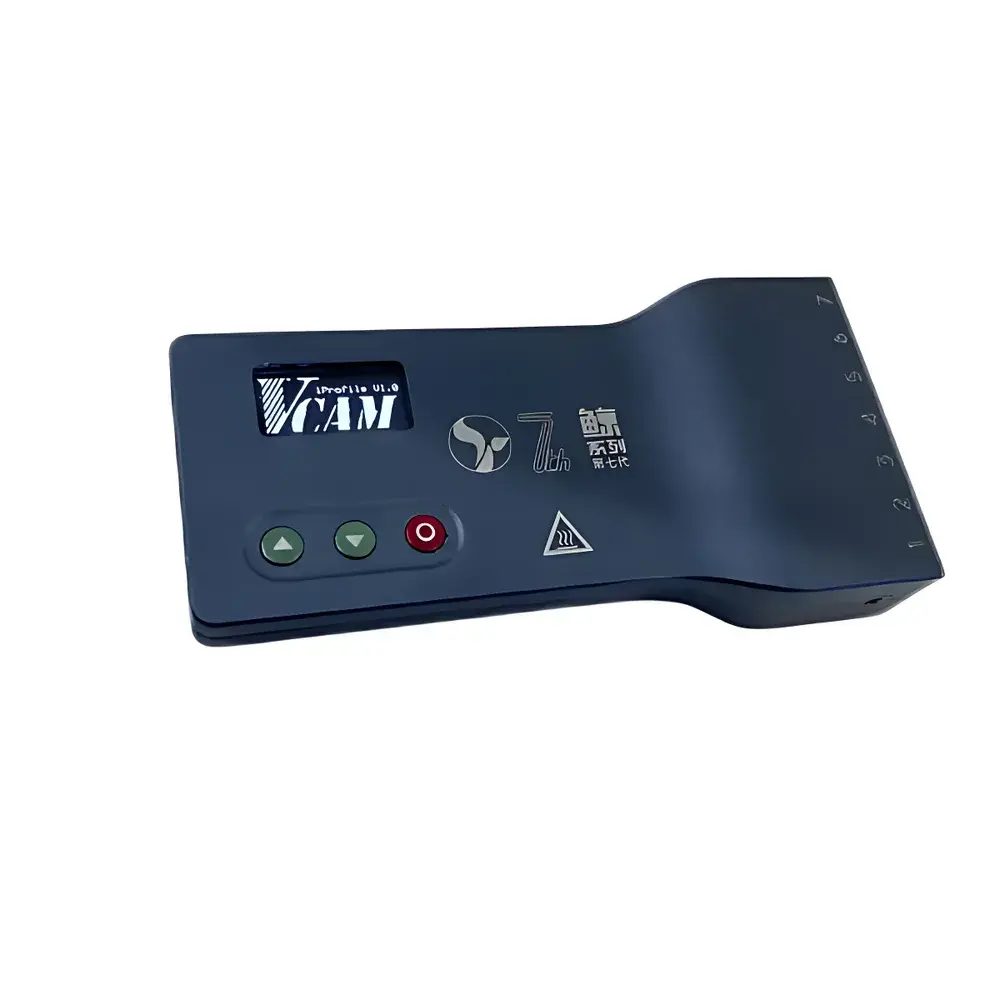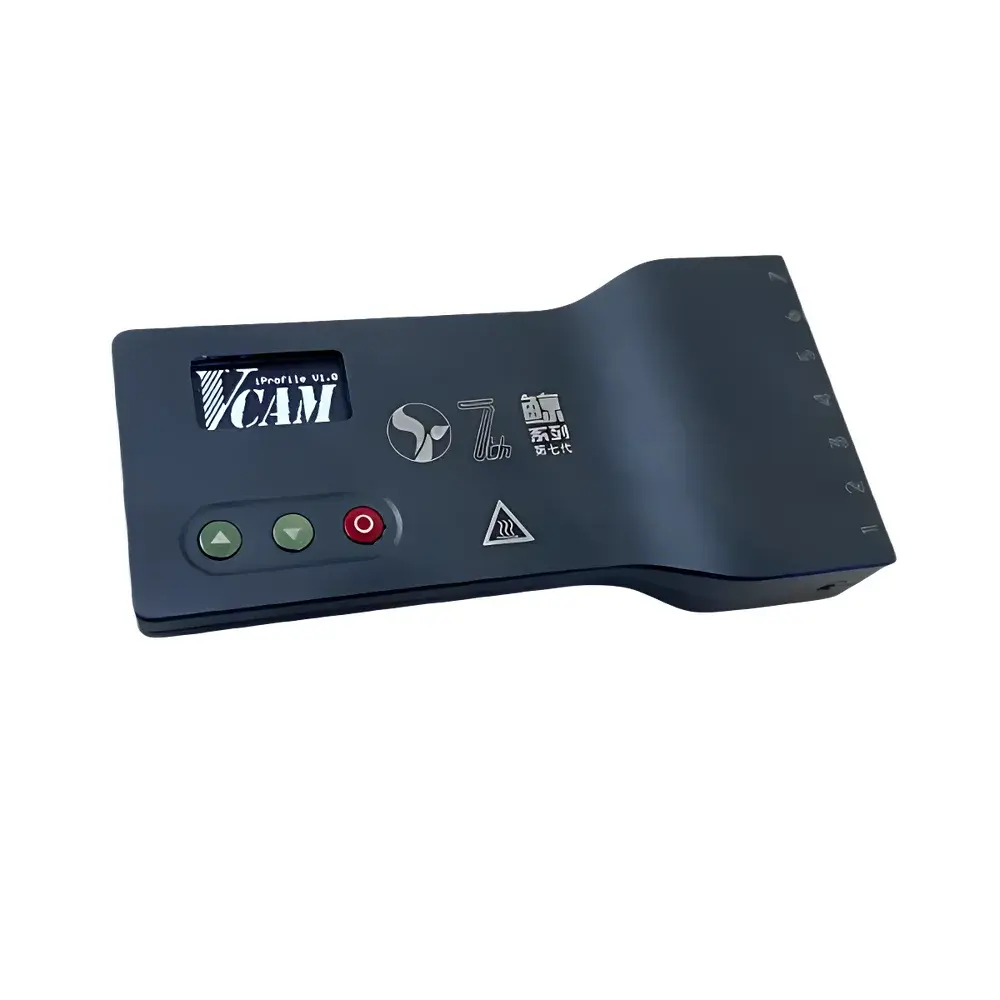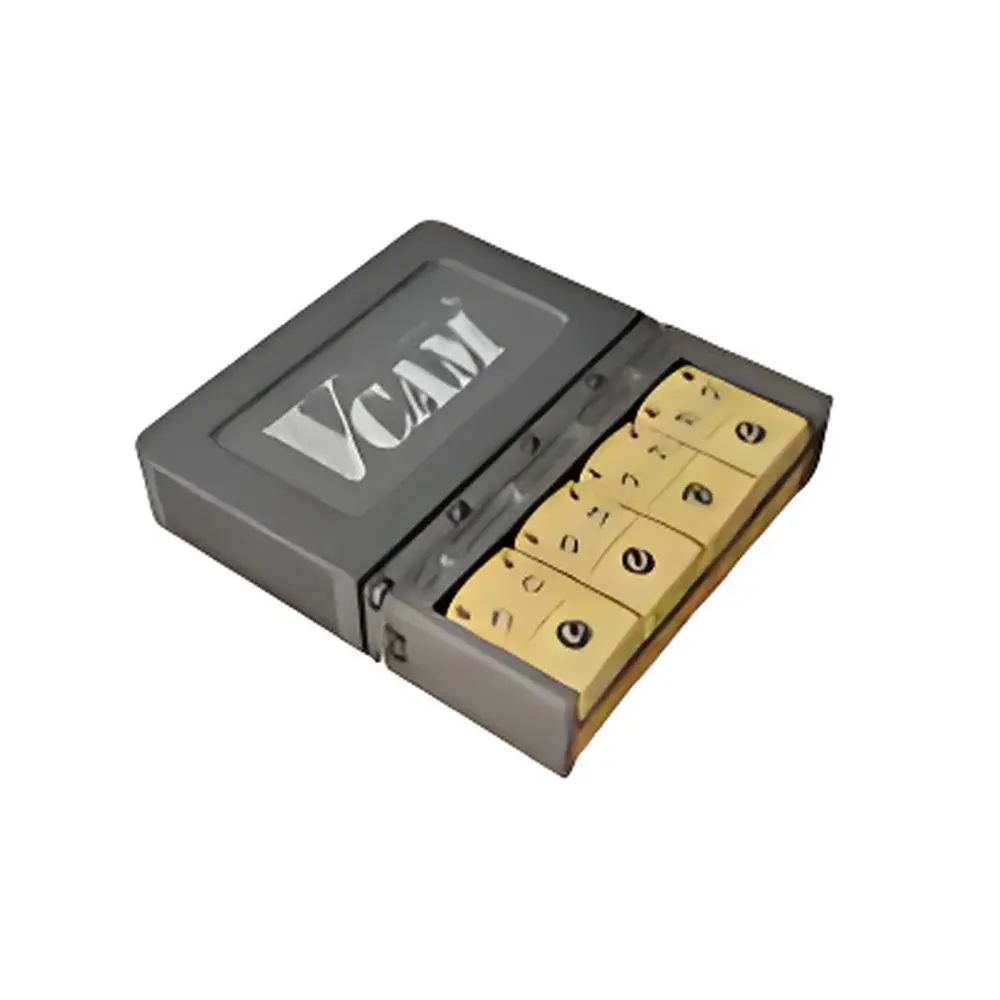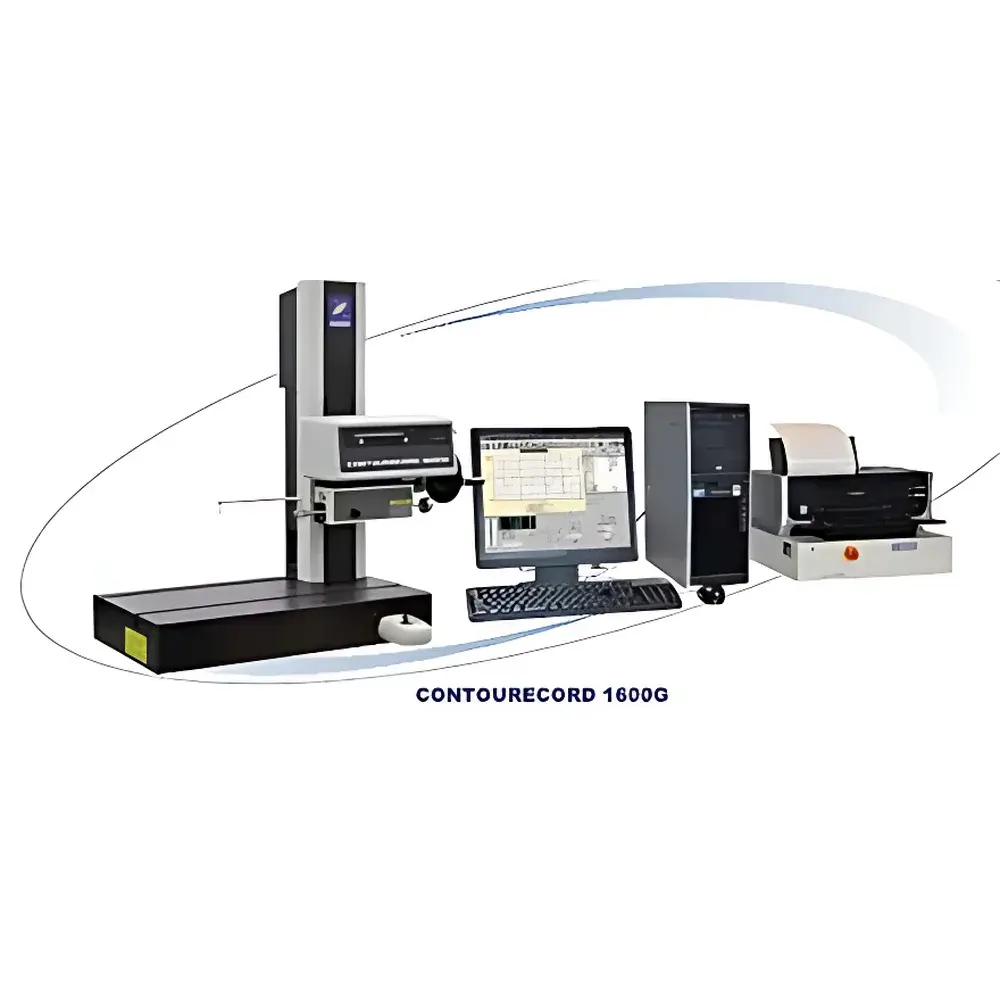
Accretech Tokyo Seimitsu Profilometer Series 1600G / S1400G / 1800G
| Brand | Accretech Tokyo Seimitsu |
|---|---|
| Origin | Japan |
| Product Type | Contact Profilometer / Surface Roughness Tester |
| Operating Principle | Stylus-Based Profilometry |
| Model Variants | 1600G, S1400G, 1800G |
| Distribution Status | Authorized Distributor Supply |
| Compliance Context | Designed for ISO 4287, ISO 4288, ISO 25178-2, and JIS B 0601-compliant surface metrology |
Overview
The Accretech Tokyo Seimitsu Profilometer Series (1600G, S1400G, and 1800G) is a high-precision contact-based surface metrology platform engineered for deterministic quantification of surface topography, profile geometry, and micro-geometric deviations. Utilizing a diamond-tipped stylus operating under controlled normal force (typically 0.7–4 mN, configurable per application), the system traces surfaces in accordance with the fundamental principles of stylus profilometry—measuring vertical displacement of the probe as it traverses the sample along a defined scan path. Each model integrates a thermally stable granite base, air-bearing linear stage, and high-resolution capacitive or LVDT-based vertical displacement sensor (sub-nanometer resolution), enabling traceable measurement of form errors, waviness, roughness parameters (Ra, Rz, Rq, Rsk, Rku), and contour features such as radius, angle, step height, and slope. The 1600G serves as the standard benchtop configuration optimized for general-purpose profiling; the S1400G emphasizes compact footprint and enhanced vibration immunity for cleanroom-integrated QC labs; and the 1800G extends vertical range and lateral travel for large-diameter optics, turbine blades, and precision molds requiring full-profile characterization across extended spans.
Key Features
- Modular mechanical architecture with motorized Z-axis lift, programmable scanning speed (0.1–5 mm/s), and auto-calibrating stylus approach sequence
- Multi-sensor compatibility: interchangeable stylus tips (2 µm, 5 µm, and 12.5 µm radius diamond probes) and optional integrated optical interferometric module for hybrid verification
- Thermal drift compensation via embedded temperature sensors and real-time correction algorithms aligned with ISO 25178-700 guidelines
- Motorized tilt table (±10°) and rotary stage (360°, 0.001° resolution) for multi-angle profile acquisition and cylindrical surface evaluation
- Ruggedized enclosure rated IP42, compatible with Class 1000 cleanroom environments and industrial metrology labs subject to ambient thermal fluctuations
- Compliance-ready firmware supporting audit trails, user access levels (admin/operator/guest), and electronic signature workflows per FDA 21 CFR Part 11 requirements
Sample Compatibility & Compliance
The 1600G/S1400G/1800G series accommodates samples ranging from semiconductor wafers (up to 300 mm diameter) and medical implant substrates to hardened tool steels, ceramic bearings, and injection-molded polymer components. Sample mounting utilizes vacuum chucks, kinematic fixtures, or custom-machined holders—ensuring repeatable positioning without deformation-induced artifacts. All models are validated against international surface metrology standards including ISO 4287 (surface roughness), ISO 4288 (evaluation procedures), ISO 1101 (geometrical tolerancing), and JIS B 0601 (Japanese industrial standard for surface texture). Measurement uncertainty budgets are documented per ISO/IEC 17025 and support GLP/GMP laboratory accreditation protocols.
Software & Data Management
Operation is managed through Accretech’s proprietary SURFPAK-V software suite, a Windows-based application offering ISO-compliant parameter calculation, cross-sectional analysis, 2D/3D visualization, and automated report generation in PDF, CSV, and XML formats. The software includes built-in statistical process control (SPC) tools, GD&T overlay functionality (true position, flatness, cylindricity), and batch measurement scripting for unattended operation. Raw data files are stored in vendor-neutral ASCII format with embedded metadata (timestamp, operator ID, calibration certificate ID, environmental conditions), ensuring long-term archival integrity and third-party interoperability. Optional integration with MES/QMS platforms (e.g., Siemens Opcenter, ETQ Reliance) supports closed-loop quality feedback in regulated manufacturing environments.
Applications
These profilometers serve critical roles in R&D validation and production metrology across aerospace (blade leading-edge radius verification), automotive (cylinder bore honing analysis), medical device manufacturing (stent strut edge definition, orthopedic implant surface finish), semiconductor packaging (die attach flatness, solder bump coplanarity), and precision optics (lens surface irregularity mapping). They are routinely deployed for incoming material inspection, in-process verification, and final release testing where quantitative correlation between surface geometry and functional performance—such as sealing efficiency, wear resistance, or optical scatter—is required.
FAQ
What stylus tip radii are supported, and how are they selected?
Standard diamond stylus tips include 2 µm, 5 µm, and 12.5 µm nominal radii. Selection depends on feature wavelength, surface hardness, and required lateral resolution—governed by ISO 25178-2 Annex A recommendations.
Can the system measure steep sidewalls or undercuts?
No—contact profilometry is limited to accessible surfaces with probe approach angles ≥70° relative to the local surface normal. For undercut or high-aspect-ratio features, non-contact alternatives (e.g., confocal microscopy or white-light interferometry) are recommended.
Is NIST-traceable calibration available?
Yes—Accretech-certified calibration kits (step-height standards, roughness reference specimens, radius artifacts) are supplied with NIST-traceable certificates compliant with ISO/IEC 17025.
How is thermal drift mitigated during long-duration scans?
Real-time temperature monitoring at the granite base and column, combined with dynamic zero-tracking and polynomial drift compensation algorithms, reduces thermal-induced error to <0.5 nm/°C over 4-hour continuous operation.
Does the software support automated pass/fail decision logic?
Yes—SURFPAK-V allows configurable tolerance limits per parameter, with visual flagging, audible alerts, and exportable judgment logs synchronized to enterprise quality databases.