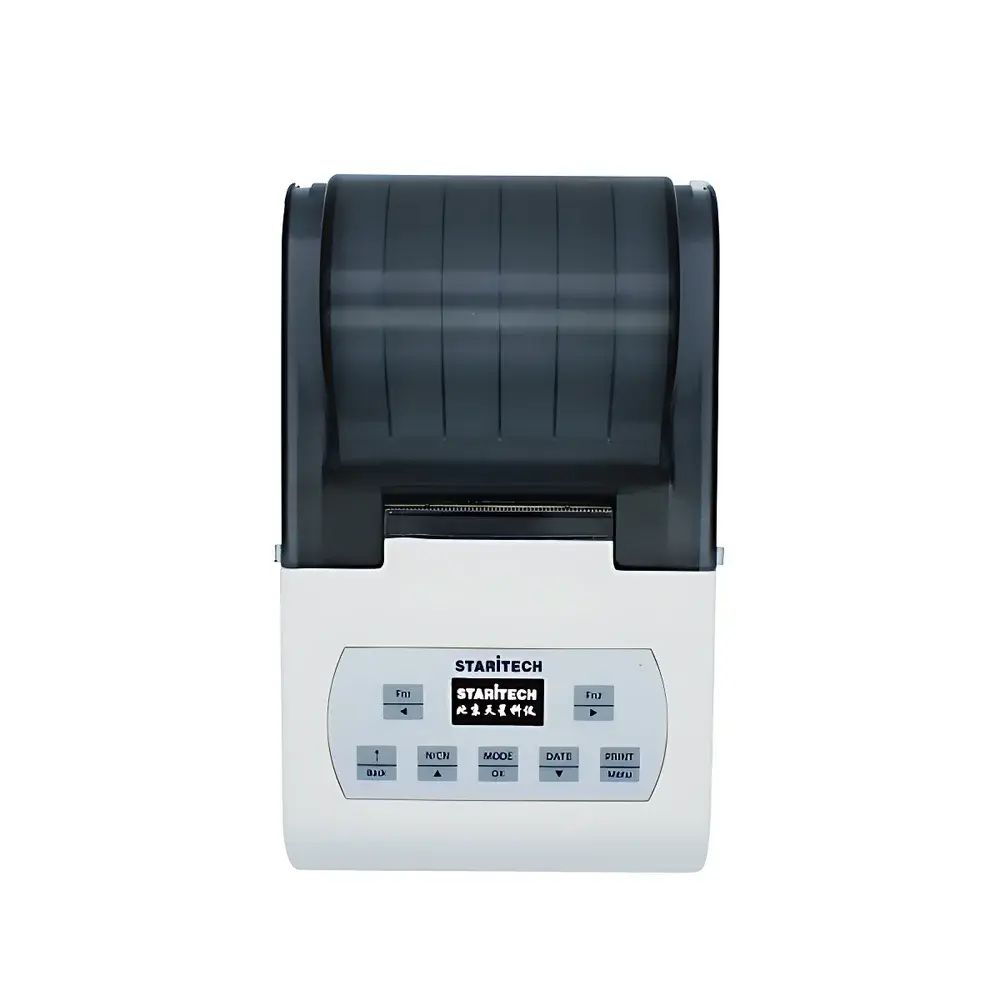
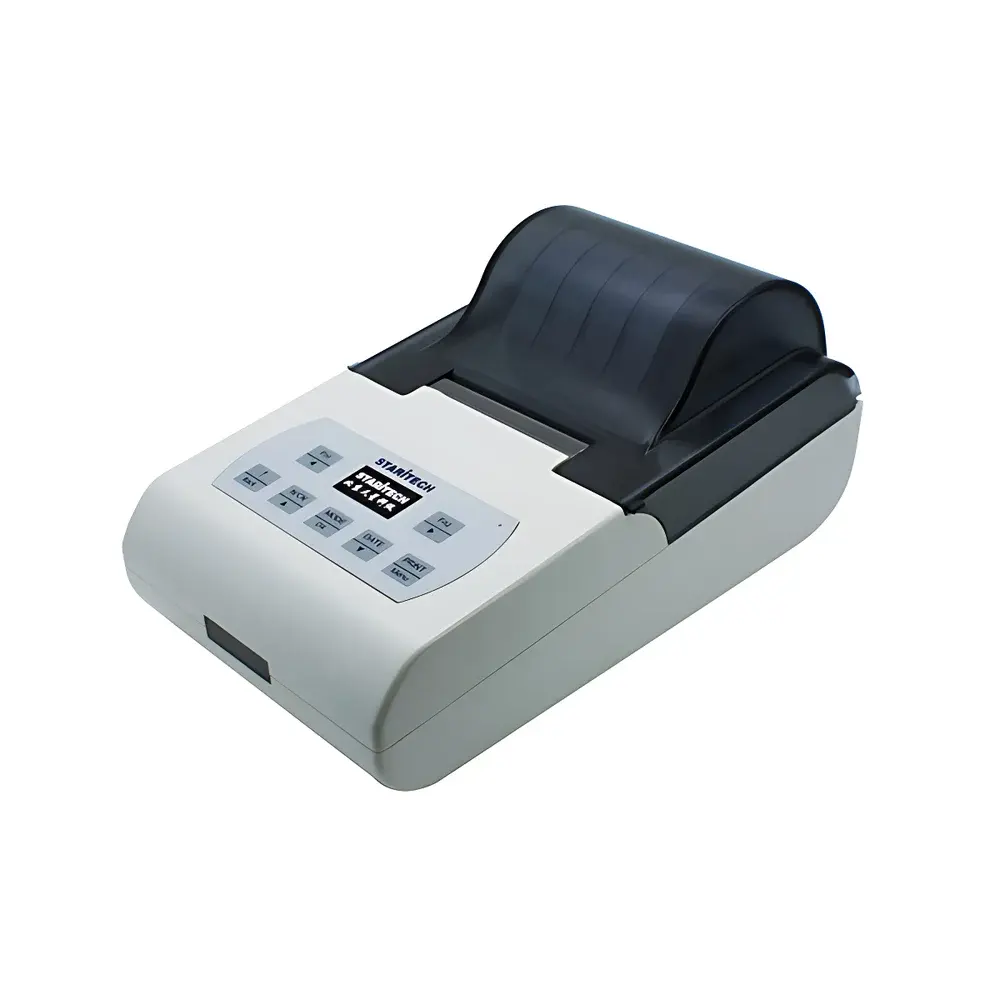
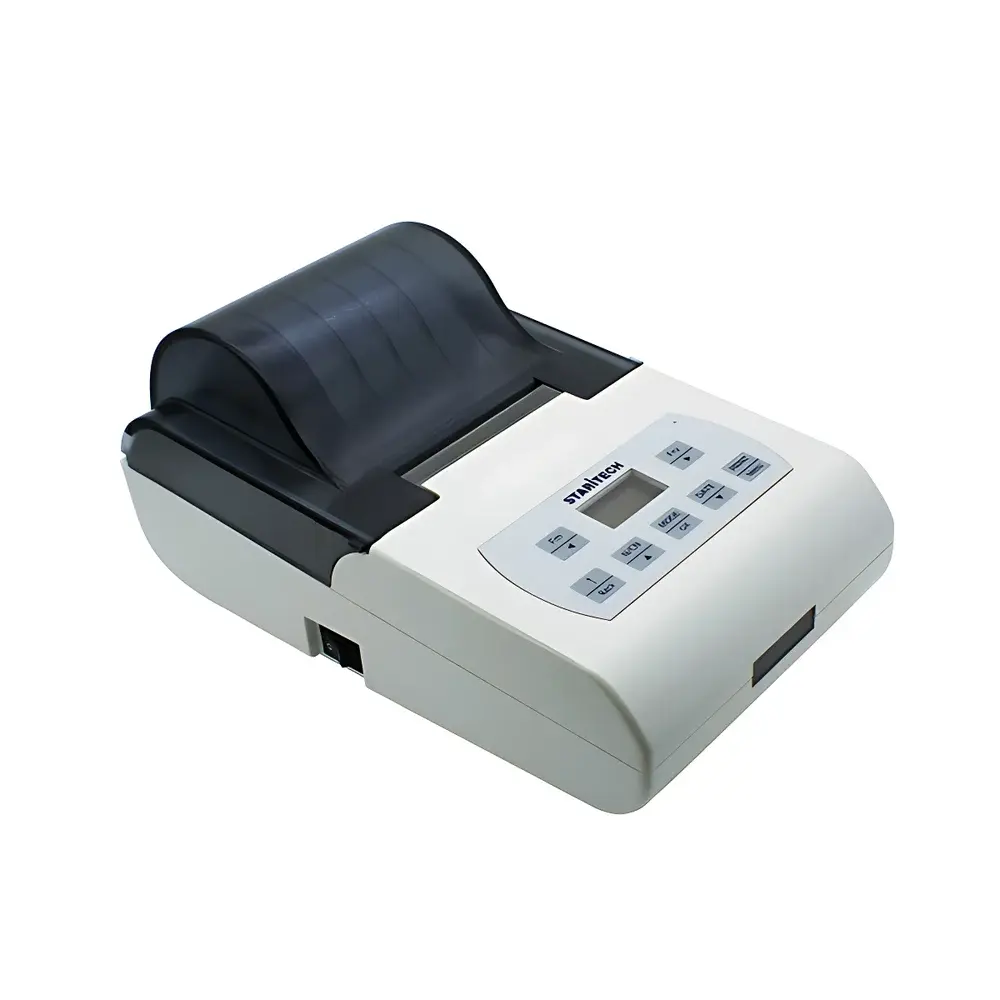
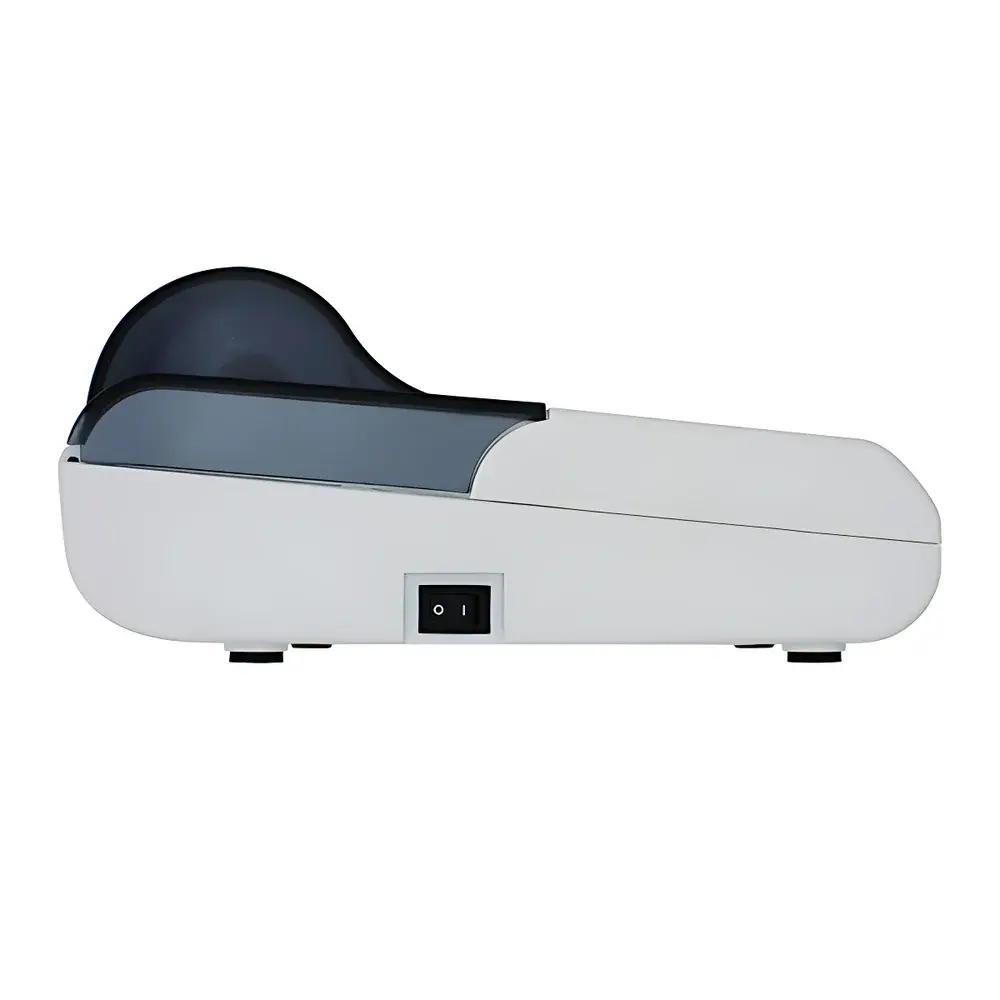
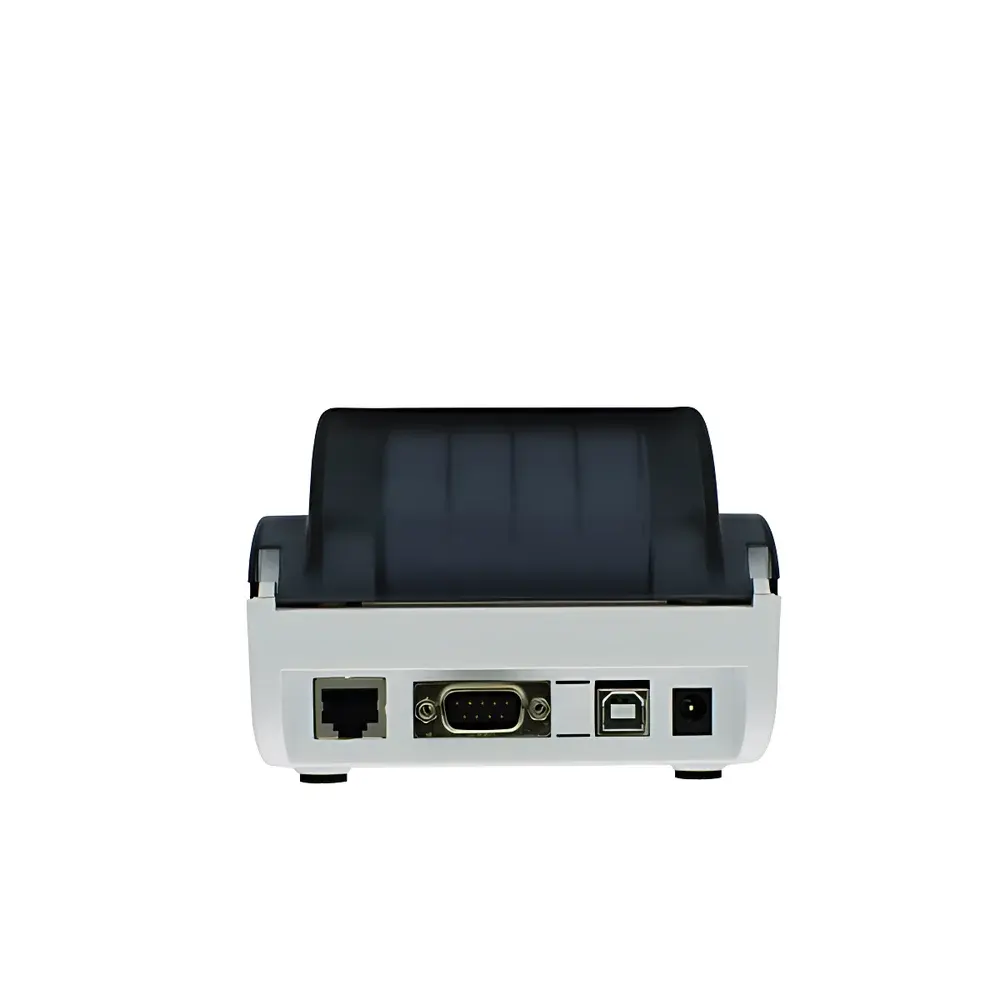
Adam TX-110AM Balance Data Printer for ADAM Balances
| Brand | STARiTECH |
|---|---|
| Origin | Beijing, China |
| Manufacturer Type | Authorized Distributor |
| Country of Origin | China |
| Model | TX-110AM |
| Price Range | USD 140–420 (est.) |
| Printing Method | 8-pin impact dot matrix & thermal (dual-mode) |
| Data Interfaces | RS-232, USB, RS-485 |
| Supported Applications | Weighing, Statistical Analysis, Formulation, Tare/Net Weight Management, Pipette & Volumetric Flask Calibration |
| Characters per Line | 24 or 40 (configurable) |
| Paper Width | 57 mm |
| Media Type | Plain paper (non-thermal), ribbon-based |
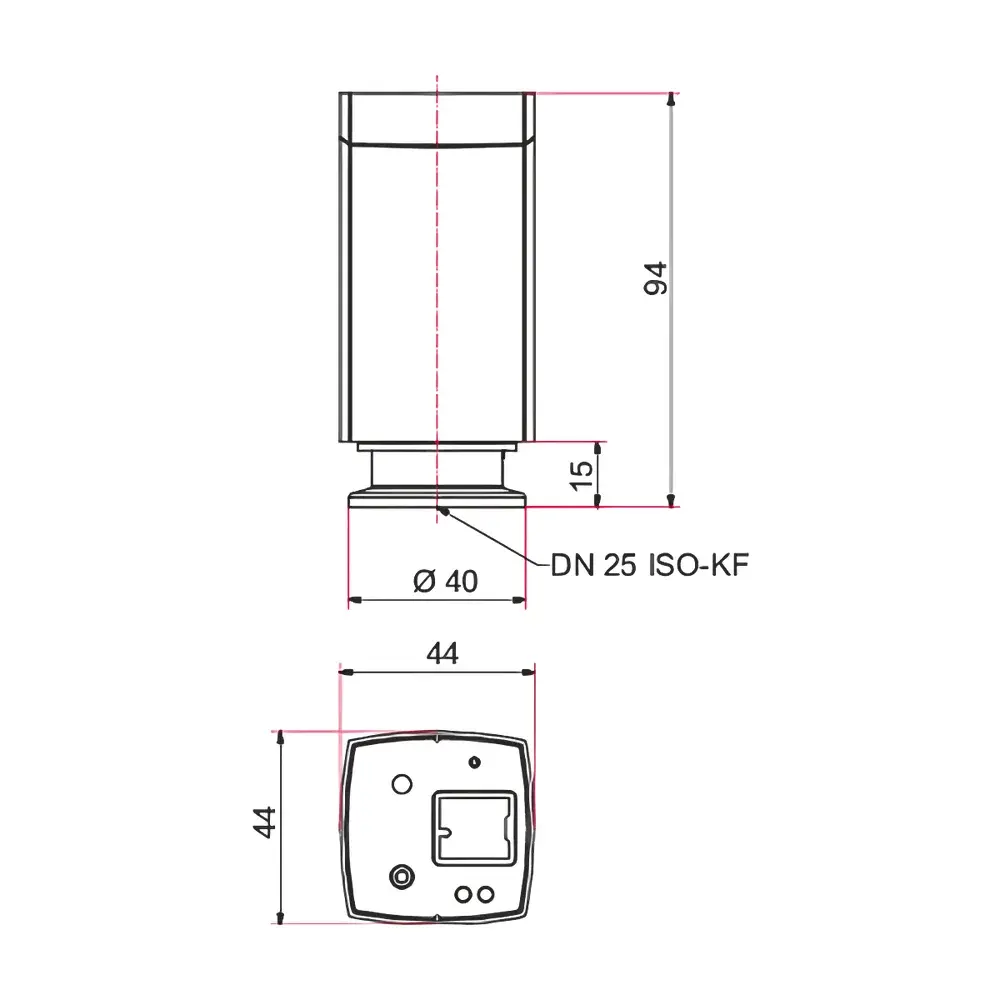
| Dimensions (W×H×L) | 114.6 × 86.6 × 188.2 mm |
| Minimum Sample Weight Management | Not supported |
Overview
The Adam TX-110AM Balance Data Printer is a purpose-built, dual-mode (impact dot matrix and thermal) data recording solution engineered to interface seamlessly with ADAM electronic balances and a broad spectrum of third-party laboratory and industrial weighing instruments. Designed for regulatory compliance in quality-critical environments, it captures, processes, and permanently archives raw weighing data—including tare, gross, and net weight values—using durable plain-paper media and EPSON-compatible ribbons (ERC-09/ERC-22). Unlike thermal-only printers, its impact printing mechanism ensures archival stability exceeding 20 years under standard storage conditions—meeting long-term record retention requirements mandated by GLP, GMP, ISO 9001, and FDA 21 CFR Part 11 for audit trails. The device operates as an autonomous peripheral: it receives serial or USB data streams from connected balances, applies user-defined logic (e.g., temperature-compensated volume conversion per JJG 646–2006), and generates traceable, tamper-evident reports without requiring host PC intervention.
Key Features
- Regulatory-compliant dual-mode printing: 8-pin impact dot matrix (for permanent archival) + thermal option (for rapid draft output)
- Full GLP/GMP traceability: Time-stamped, operator-ID-enabled reports with configurable header/footer fields (instrument ID, sample ID/batch number, sequence number, date/time stamp, digital signature line)
- Two-tier access control: Administrator and operator roles with password-protected parameter configuration and time/date settings—aligned with FDA 21 CFR Part 11 user authentication requirements
- On-device statistical engine: Performs real-time calculation of mean, standard deviation, coefficient of variation, sum, min/max, and range across up to 300 data points using 64-bit double-precision arithmetic
- Automated volumetric calibration mode: Implements temperature-dependent density correction (Kt factor) per Chinese national metrology standard JJG 646–2006 for pipettes and volumetric flasks; supports multi-point, multi-replicate calibration with automatic reporting of relative error (E) and repeatability (S)
- Expandable I/O: Integrated RS-232, USB, and RS-485 ports enable daisy-chaining, legacy instrument integration, or connection to barcode scanners, external keyboards, or USB mass storage devices for Excel-exportable CSV data dumps
- High-contrast 128×64 OLED display with bilingual (English/Chinese) UI support and real-time graphical data preview including trend curves
Sample Compatibility & Compliance
The TX-110AM is protocol-agnostic and interoperates with >95% of commercially available analytical and precision balances via standard ASCII-based serial communication. Verified compatibility includes ADAM’s own EBL, PMB, and DHB series; Sartorius (CPA, Q, P, BS lines); Mettler Toledo (ME, AG, AL, ZB, ICS); Shimadzu (TX, ATX, AUW, AP); Ohaus (Scout); A&D (HR, FX, GX); and INTEK Midrics industrial scales. All printed outputs conform to ISO/IEC 17025 documentation integrity criteria and satisfy internal audit requirements for raw data authenticity, chronological sequencing, and metadata completeness. Report templates are fully customizable—and each field (e.g., “Analyst Signature”, “Calibration Due Date”) can be enabled/disabled independently to align with site-specific SOPs.
Software & Data Management
No proprietary software installation is required: the TX-110AM functions as a standalone embedded system with firmware-upgradable flash memory. Configuration is performed directly via the OLED menu or through ASCII command sets sent over RS-232/USB. All report generation—including statistical summaries and volumetric calibration certificates—is executed onboard, eliminating dependence on external computers and reducing cybersecurity exposure vectors. Audit logs record every configuration change, print job initiation, and user login event with timestamps and role identifiers—supporting full forensic reconstruction during regulatory inspections. Data exported to USB drives adheres to ANSI X3.4-1986 (ASCII) encoding and is natively readable in Microsoft Excel, LibreOffice Calc, and LIMS platforms.
Applications
- Pharmaceutical QC labs: Generating auditable weight records for API batch release, excipient blending, and tablet weight uniformity testing per USP and
- Reference material certification: Producing certified calibration reports for pipettes and volumetric glassware compliant with ISO 8655 and JJG 646–2006
- Chemical manufacturing: Enforcing documented weight verification in reaction stoichiometry, catalyst dosing, and solvent recovery workflows
- Food & beverage QA: Supporting HACCP-mandated ingredient weight logging and moisture loss tracking (loss-on-drying mode)
- Academic research: Capturing reproducible gravimetric data for publication-grade datasets with embedded instrument metadata and environmental context (e.g., ambient temperature used in Kt calculation)
FAQ
Does the TX-110AM require driver installation on Windows or macOS?
No. It operates as a plug-and-play serial/USB peripheral and requires no OS-level drivers.
Can it print graphs or trend charts directly from balance data?
Yes—the integrated OLED screen renders real-time weight trends, and the printer outputs annotated line charts (e.g., drying curve plots) with axis labels and data point markers.
Is ribbon replacement standardized across models?
Yes—it accepts industry-standard EPSON ERC-09 and ERC-22 ribbons, widely available from laboratory consumables suppliers.
How is data integrity enforced during USB export?
CSV exports include cryptographic checksums (SHA-256) appended to filenames and embedded in report footers to detect post-export modification.
Does it support networked printing via Ethernet or Wi-Fi?
No—network connectivity is not implemented; all interfaces are point-to-point (RS-232/USB/RS-485) to minimize attack surface and ensure deterministic latency for time-critical weighing events.