
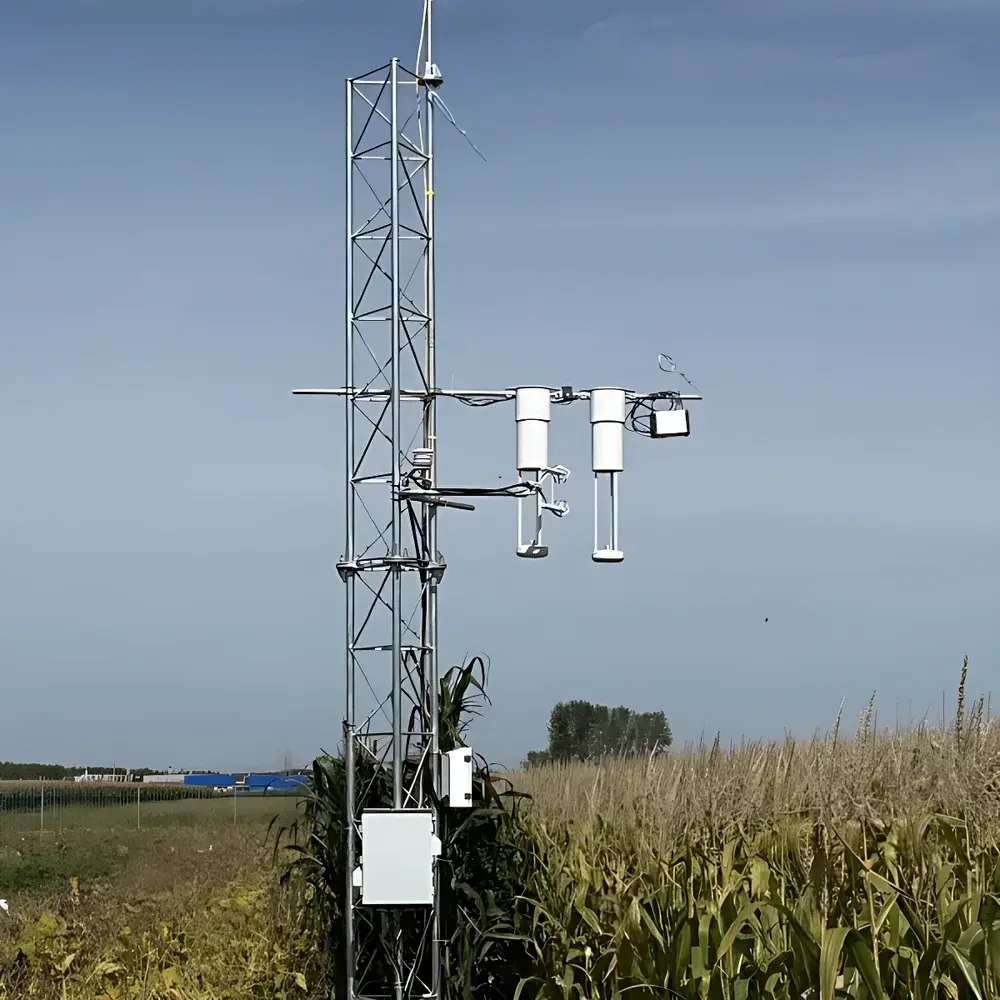
AeroNose HT8600P Open-Path Atmospheric Methane Analyzer
| Brand | AeroNose |
|---|---|
| Origin | Zhejiang, China |
| Manufacturer Type | OEM Manufacturer |
| Country of Origin | China |
| Model | HT8600P |
| Measurement Principle | Tunable Diode Laser Absorption Spectroscopy (TDLAS) |
| Detection Gases & Ranges | CH₄: 0–15,000 ppb |
| H₂O | 0–30,000 ppm |
| Precision | CH₄: ±5 ppb (@0.1 s averaging, 2000 ppb reference, STP conditions) |
| H₂O | ±20 ppm (@0.1 s averaging, 10,000 ppm reference, STP conditions) |
| Response Time | <15 s |
| Data Integration Method | Real-time spectral absorption peak integration for trace gas concentration retrieval |
Overview
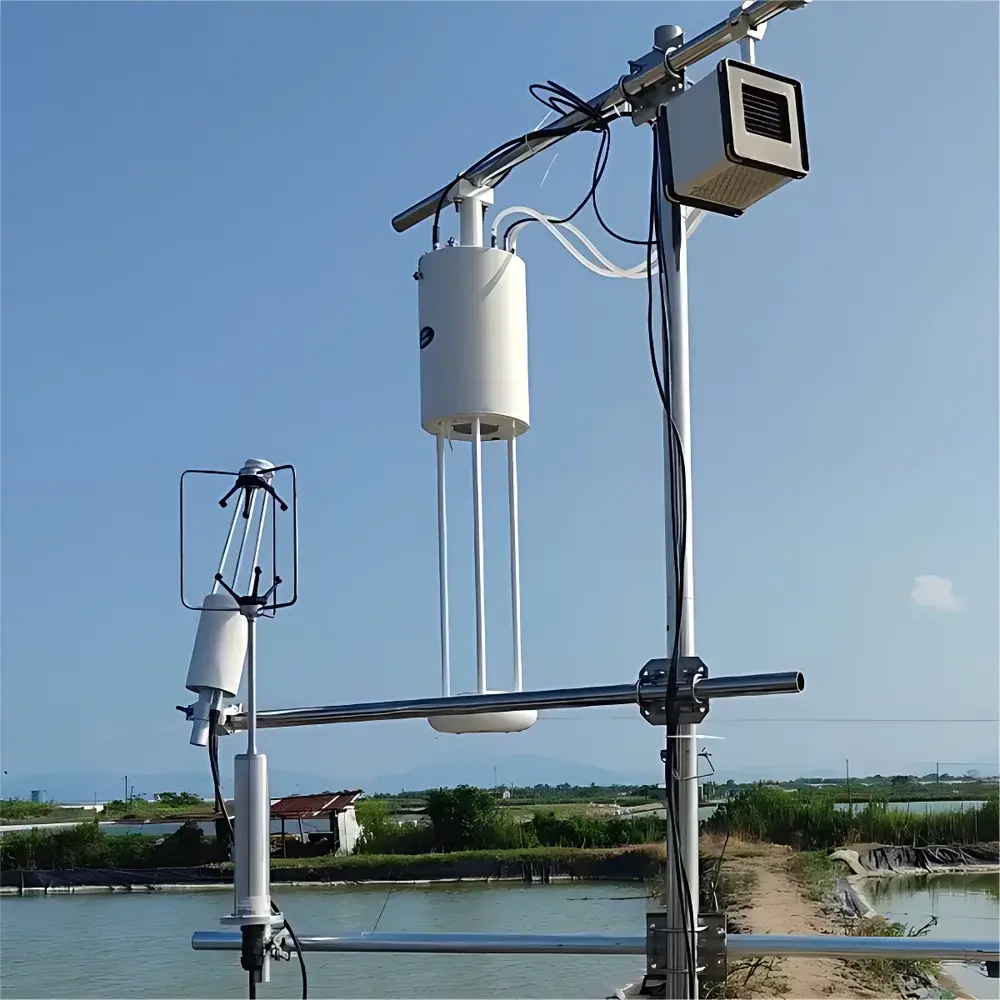
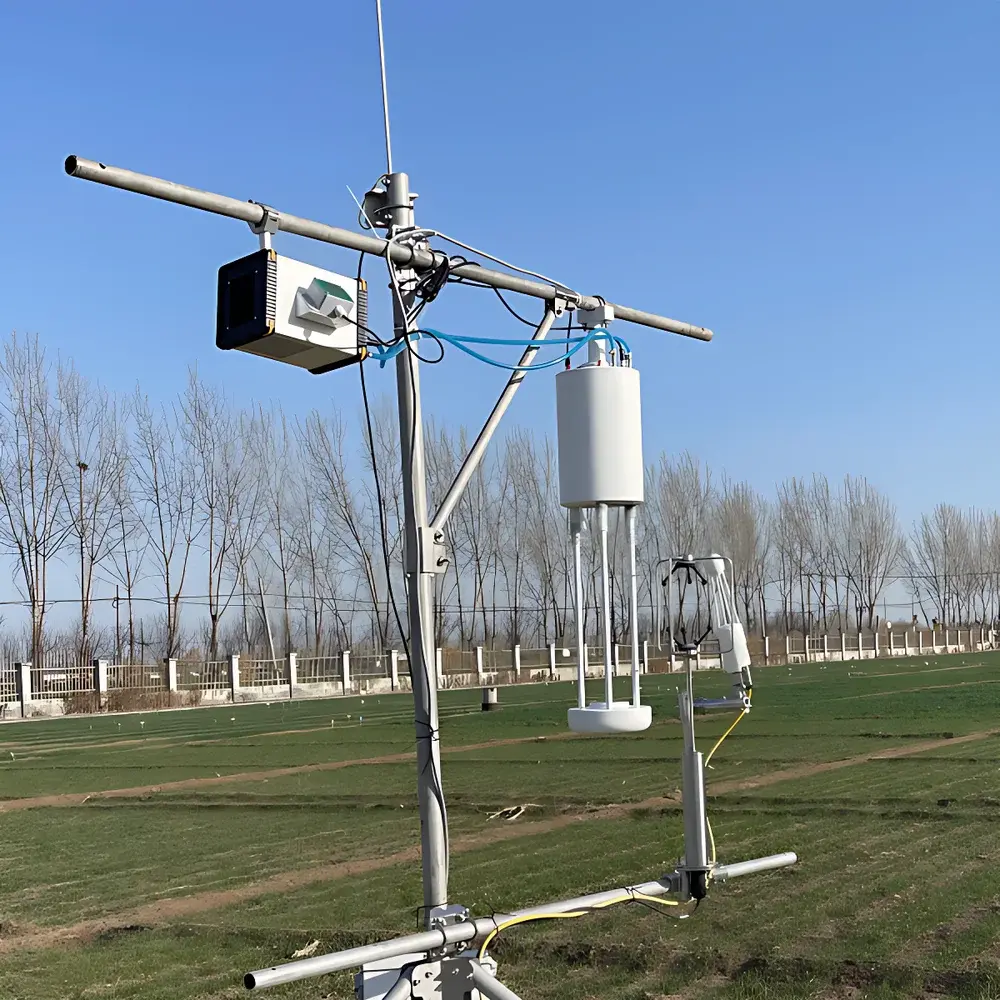
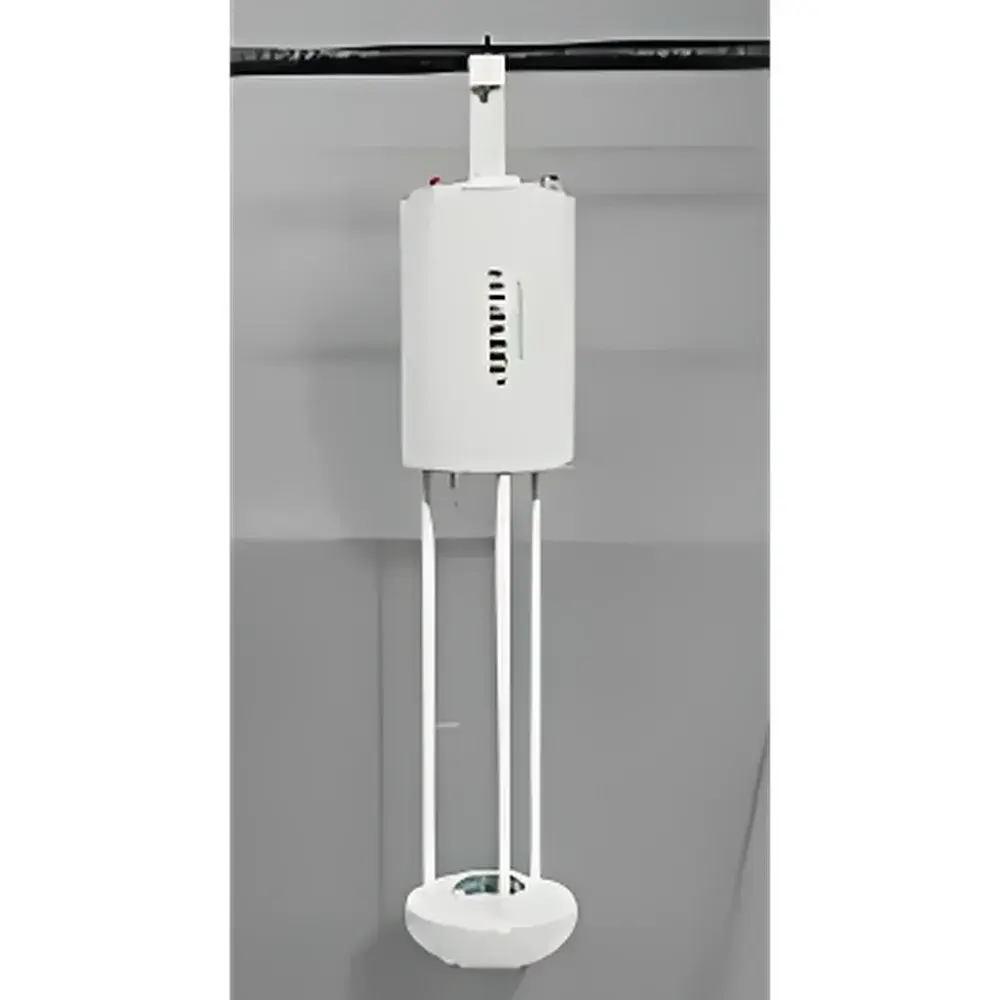
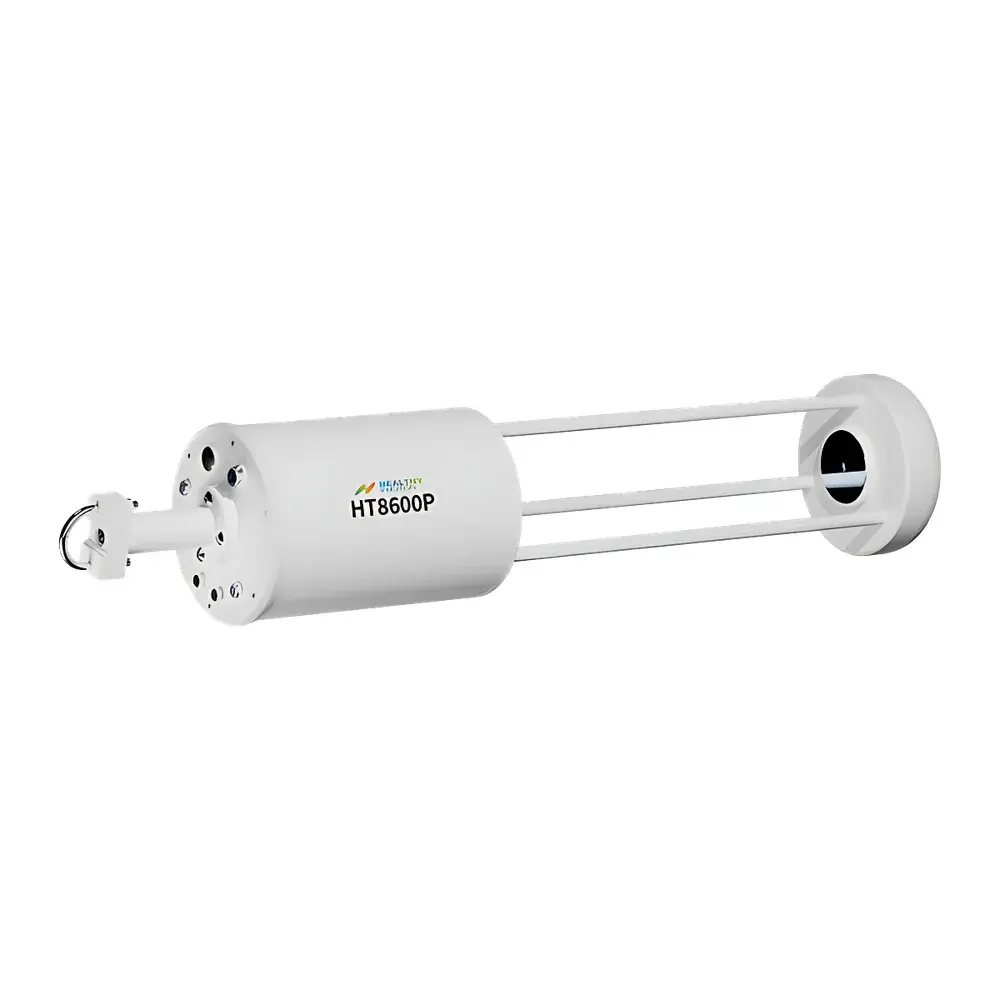
The AeroNose HT8600P is an open-path, in-situ atmospheric methane (CH₄) and water vapor (H₂O) analyzer engineered for high-fidelity, continuous monitoring in ambient air. It employs tunable diode laser absorption spectroscopy (TDLAS), a well-established optical technique grounded in Beer–Lambert law-based quantification of molecular absorption at near-infrared wavelengths. Unlike extractive sampling systems, the HT8600P operates without inlet tubing, pumps, or sample conditioning—enabling true real-time, non-contact measurement across path lengths of up to 100 meters. Its quantum cascade laser (QCL) source targets fundamental rovibrational absorption lines of CH₄ (near 7.7 µm) and H₂O (near 6.2 µm), delivering inherent selectivity against cross-interfering gases such as CO₂, NH₃, or VOCs. The instrument is calibrated traceably to NIST-certified standards and designed for unattended operation under variable meteorological conditions—including temperature fluctuations from −20 °C to +50 °C and relative humidity up to 95% non-condensing.
Key Features
- True open-path architecture: No sample extraction, no membrane filters, no flow-dependent lag—eliminates adsorption/desorption artifacts and preserves temporal fidelity of emission events.
- Quantum cascade laser (QCL) source: Provides narrow linewidth (<0.001 cm⁻¹), wavelength stability (<10 pm over 24 h), and high optical power (>50 mW), enabling robust signal-to-noise ratio even in low-light field deployments.
- Real-time spectral integration algorithm: Performs on-board least-squares fitting of measured absorption line shapes against high-resolution HITRAN-based forward models, correcting for pressure-broadening, temperature shifts, and baseline drift.
- Integrated environmental compensation: On-board PTU (pressure–temperature–humidity) sensor enables automatic correction of gas density and line broadening effects per IUPAC-recommended thermodynamic conventions.
- Low-power, field-deployable design: Consumes <12 W average power; compatible with solar-battery hybrid stations and mobile platforms including UAV-mounted payloads and vehicle-integrated monitoring rigs.
- Ruggedized IP65 enclosure: Aluminum alloy housing with anti-corrosion coating; qualified for outdoor deployment per IEC 60529 and MIL-STD-810G environmental stress screening protocols.
Sample Compatibility & Compliance
The HT8600P measures ambient air directly—requiring no pre-concentration, chemical scrubbing, or catalytic conversion. It is inherently compatible with heterogeneous environments: urban boundary layers, agricultural soil-atmosphere interfaces, landfill perimeters, natural gas infrastructure corridors, and wetland eddy covariance towers. Regulatory alignment includes support for EPA Method TO-15 supplemental validation criteria, ISO 14064-3 verification workflows for GHG inventories, and compatibility with EU MRV (Monitoring, Reporting, Verification) frameworks for facility-level methane reporting. Data output meets GLP-compliant audit trail requirements when paired with optional secure logging firmware (EN 62443-3-3 Level 1 certified).
Software & Data Management
The analyzer ships with AeroNose Control Suite v3.2—a Linux-based embedded application providing local configuration, diagnostics, and real-time visualization via web interface (HTTPS/TLS 1.2). Raw spectra, fitted parameters, and concentration time series are logged in netCDF-4 format (CF-1.8 compliant), supporting interoperability with Python (xarray), MATLAB, and commercial platforms including EddyPro and FluxNet processing pipelines. Optional cloud synchronization enables automated ingestion into AWS IoT Core or Azure IoT Hub, with configurable MQTT topics for CH₄ flux alerts, calibration status flags, and diagnostic health metrics. All firmware updates are cryptographically signed and validated prior to installation.
Applications
- Atmospheric research: Quantifying diurnal CH₄ flux gradients in urban canyons and suburban transects using gradient-based inverse modeling.
- Agricultural emissions science: Co-located deployment with eddy covariance systems to partition biogenic CH₄ sources (e.g., rice paddies, ruminant pastures) from background interferences.
- Oil & gas infrastructure monitoring: Fence-line detection of fugitive emissions from compressor stations, LNG terminals, and pipeline right-of-ways at detection thresholds below EPA LDAR action levels.
- Landfill and wastewater treatment compliance: Continuous perimeter monitoring aligned with Subpart HH (40 CFR Part 60) and EU Directive 1999/32/EC reporting intervals.
- Climate observatory networks: Integration into ICOS, NOAA GML, or TCCON-aligned stations where long-term instrumental stability and SI-traceable calibration are mandatory.
FAQ
What is the minimum detectable CH₄ concentration under field conditions?
The specified 5 ppb precision applies under standard temperature and pressure (STP) with 0.1-second averaging. In typical ambient deployments (1–10 Hz acquisition, 1–5 m path length), the effective limit of detection (LOD) is ≤10 ppb at 1σ confidence over 1-minute integration.
Does the HT8600P require periodic recalibration?
No zero/span gas cylinders are required during routine operation. Field calibration is performed annually using certified reference gases traceable to NIST SRM 1684a (CH₄-in-air) and NIST SRM 2620a (H₂O-in-N₂), following ISO 17025-accredited procedures.
Can it operate unattended for extended periods?
Yes—designed for >12-month continuous operation. Internal watchdog timers, redundant memory buffers, and brownout recovery ensure data integrity during grid outages or solar charging interruptions.
Is the system compatible with third-party data loggers?
Yes—RS-485 (Modbus RTU) and Ethernet (TCP/IP ASCII) protocols are supported natively; analog 4–20 mA outputs available for legacy SCADA integration.
How is interference from aerosols or rain addressed?
The dual-wavelength (CH₄ + H₂O) co-detection scheme enables real-time Mie scattering correction; optical path obstruction triggers automatic quality flagging per WMO GAW guidelines, with configurable alert thresholds.







