
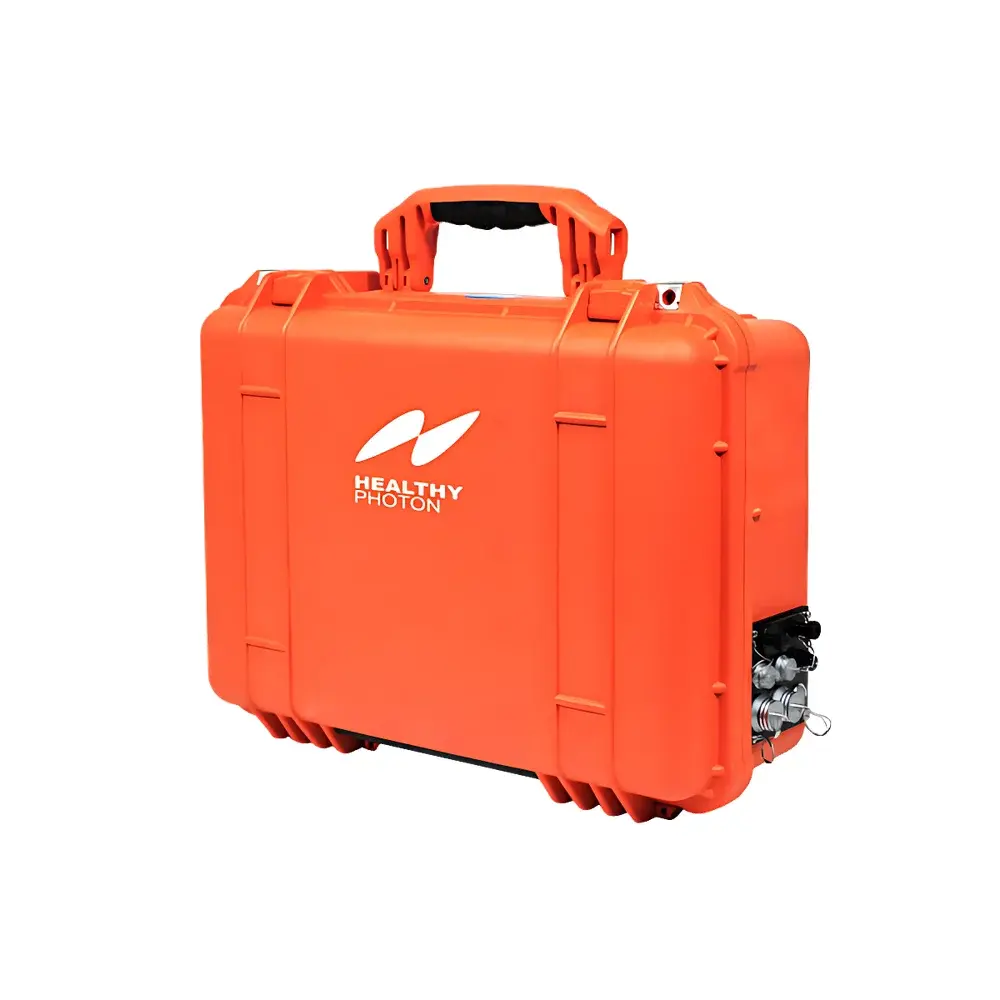
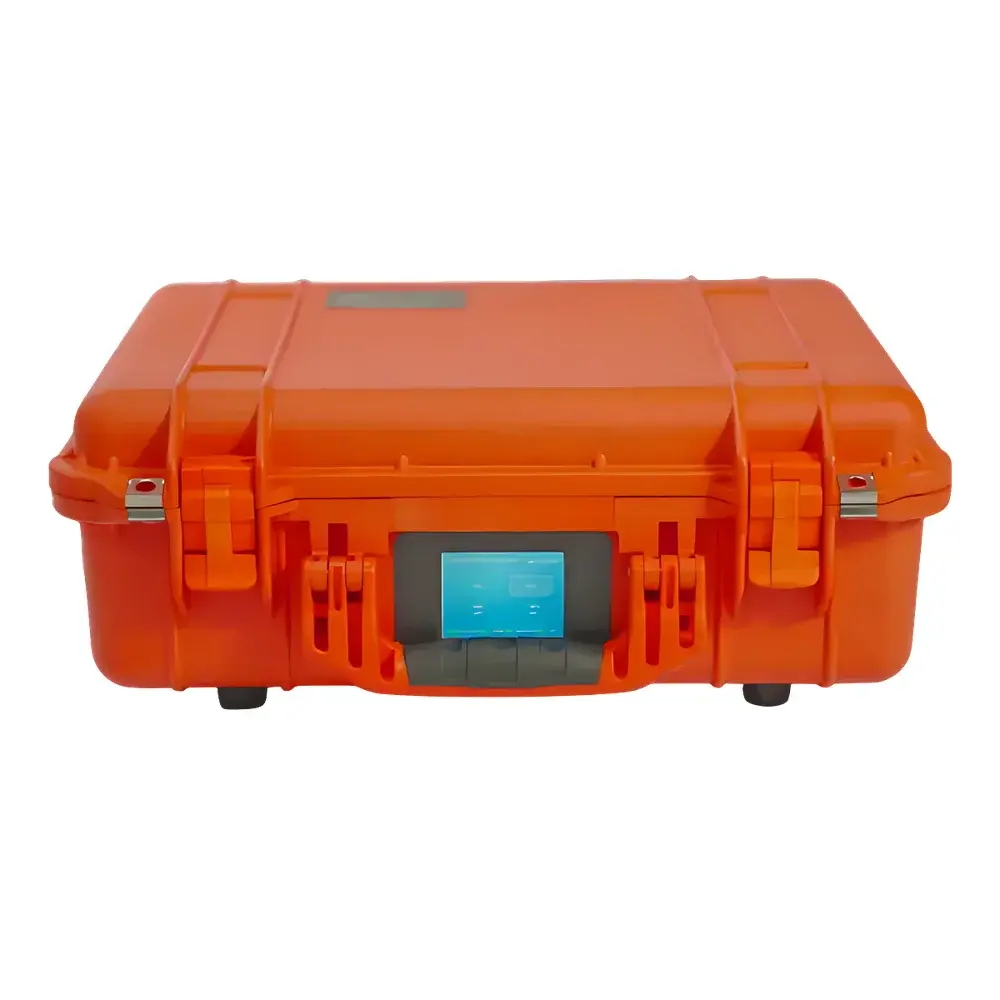
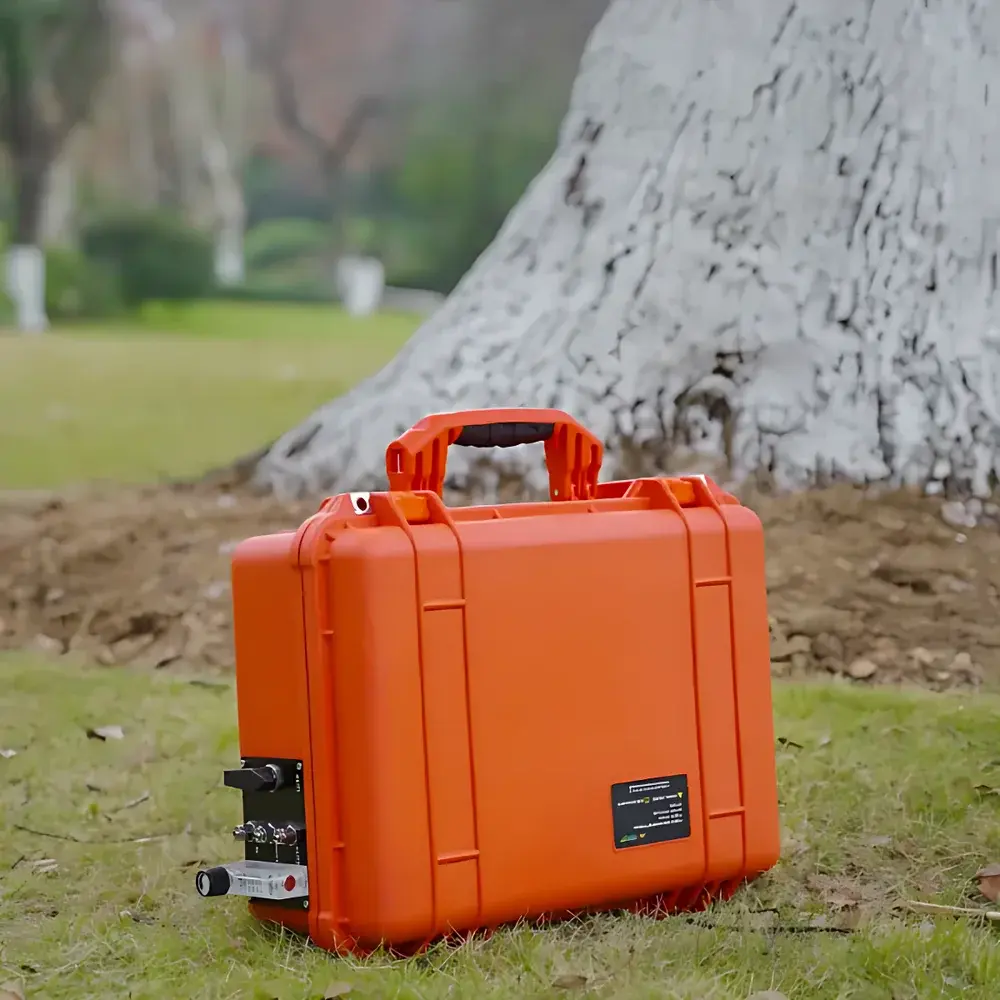
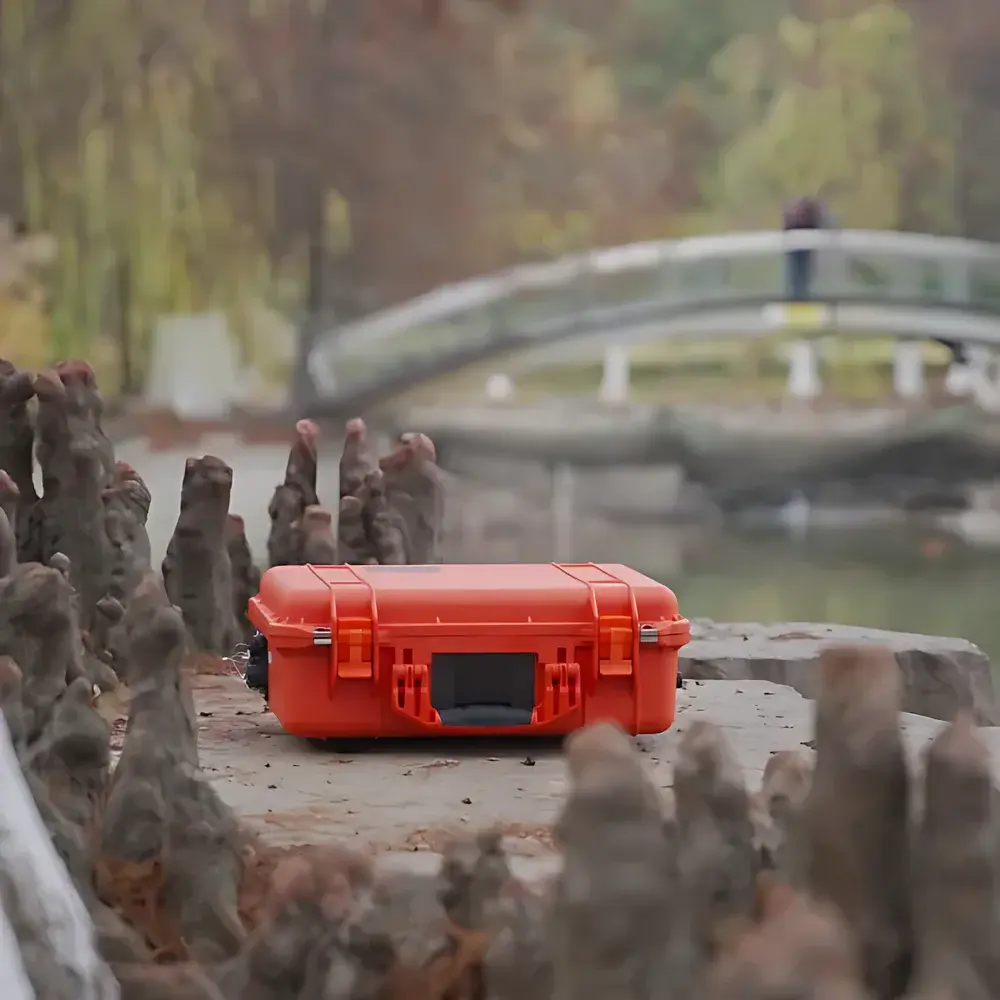
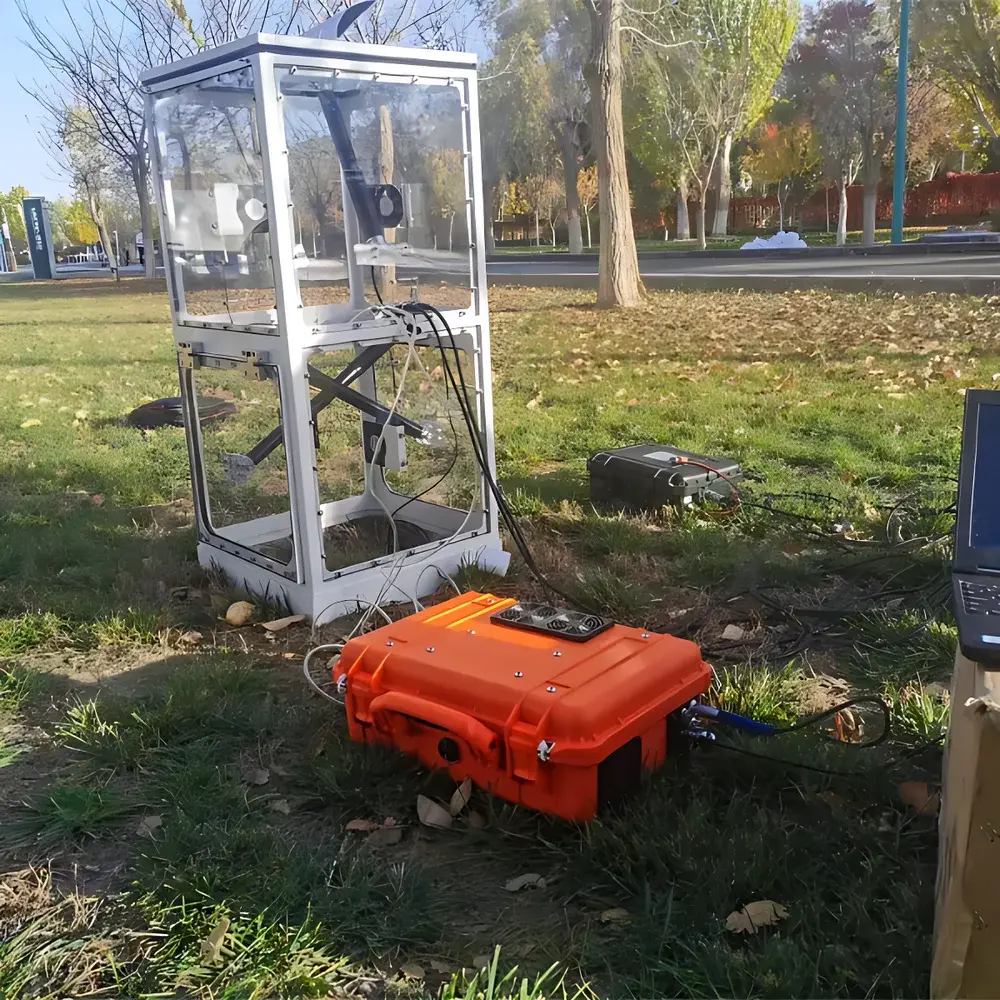
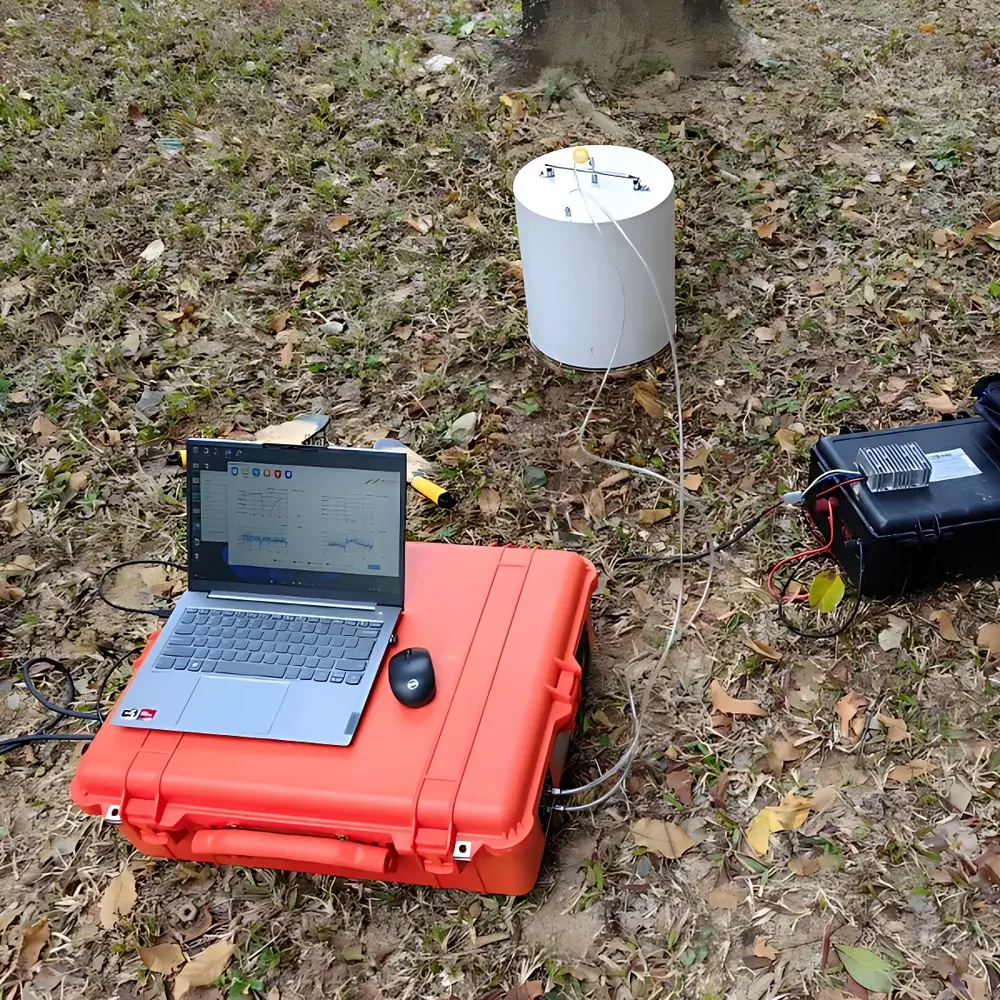
AeroNose HT8820 Portable Multi-Component Greenhouse Gas Analyzer
| Brand | AeroNose |
|---|---|
| Origin | Zhejiang, China |
| Manufacturer | AeroNose (OEM/ODM Producer) |
| Model | HT8820 |
| Detection Principle | Tunable Diode Laser Absorption Spectroscopy (TDLAS) in Mid-Infrared Band |
| Target Gases | CH₄ (0–15 ppm), N₂O (0–6 ppm) |
| Precision | CH₄: ±3 ppb (at 2 ppm), N₂O: ±0.7 ppb (at 330 ppb) |
| Response Time | <15 s |
| Operating Temperature | −10 °C to +45 °C |
| Storage Temperature | −25 °C to +50 °C |
| Humidity | <95% RH (non-condensing) |
| Pressure Range | 70–110 kPa |
| Dimensions | 50 cm × 36 cm × 18 cm |
| Weight | <15 kg |
| Power Supply | 12 VDC / 10 A |
| Power Consumption | <70 W (steady-state) |
| Data Storage | Integrated SD card or external DAQ system |
| Interface | RS232 serial port |
| Software | Windows-based configuration & acquisition suite |
Overview
The AeroNose HT8820 is a field-deployable, battery- and solar-compatible portable analyzer engineered for high-sensitivity, simultaneous quantification of methane (CH₄) and nitrous oxide (N₂O) in ambient air, soil flux chambers, aquatic headspaces, and mobile monitoring platforms. It employs tunable diode laser absorption spectroscopy (TDLAS) operating in the mid-infrared spectral region (typically 7.7–8.0 µm), where both CH₄ and N₂O exhibit strong, spectrally isolated rovibrational absorption lines. This physical principle ensures measurement specificity without optical cross-sensitivity from CO₂, H₂O, or common atmospheric interferents—eliminating the need for chemical scrubbers or complex multivariate calibration models. The instrument’s optical path is optimized for robustness: a compact, thermally stabilized multi-pass cell delivers effective path lengths sufficient for sub-ppb detection limits while maintaining mechanical stability under vibration, temperature fluctuation, and variable pressure conditions typical of outdoor deployment.
Key Features
- Multi-component selectivity: Simultaneous dual-gas detection using independently optimized laser wavelengths targeting non-overlapping, high-intensity absorption features—CH₄ at ~7.7 µm and N₂O at ~7.8 µm—ensuring zero spectral interference under real-world matrix conditions.
- Field-grade precision: Achieves ±3 ppb CH₄ and ±0.7 ppb N₂O accuracy at representative ambient concentrations, validated against NIST-traceable gas standards and interlaboratory round-robin protocols.
- Low-power architecture: Designed for unattended operation with <70 W steady-state power draw; compatible with 12 VDC input from lithium-ion battery packs or photovoltaic systems—enabling >72 h continuous measurement on a single 100 Ah LiFePO₄ battery.
- Ruggedized portability: Enclosed in an IP54-rated aluminum chassis (50 × 36 × 18 cm, <15 kg), with internal thermal management enabling stable performance across −10 °C to +45 °C operational range and shock/vibration resistance per MIL-STD-810G.
- Real-time response: Full-scale step response time <15 seconds (10–90%), supporting dynamic flux measurements in eddy covariance setups, chamber-based soil respiration studies, and vehicle-mounted urban GHG mapping.
Sample Compatibility & Compliance
The HT8820 accepts sample gas via heated stainless-steel inlet tubing (standard 1/4″ Swagelok) with optional particulate filtration (0.5 µm PTFE) and moisture management (thermoelectric cooler or Nafion™ dryer integration). It complies with ISO 14064-3 requirements for GHG measurement uncertainty reporting and supports audit-ready data logging aligned with IPCC Tier 2 methodology frameworks. While not certified for regulatory stack monitoring (e.g., EPA Method 320), its performance meets or exceeds ASTM D6348–22 specifications for laboratory and field-based trace gas analysis. All firmware and data handling routines adhere to GLP principles—including immutable timestamping, operator ID tagging, and full audit trail retention on SD card storage.
Software & Data Management
The included Windows-native AeroNose Control Suite provides real-time spectral visualization, baseline correction tools, automated zero/span validation workflows, and configurable alarm thresholds. Raw absorbance spectra, calibrated concentration time series, and environmental metadata (T, P, RH) are logged in CSV and HDF5 formats compliant with FAIR data principles. The RS232 interface supports integration into third-party SCADA systems or custom Python/MATLAB acquisition scripts via ASCII command protocol. Firmware updates and calibration parameter loading are performed over the same serial link, with version-controlled configuration files archived for traceability. No cloud dependency: all processing occurs locally, satisfying institutional data sovereignty requirements.
Applications
- Soil-atmosphere exchange studies: Quantifying CH₄/N₂O fluxes from agricultural fields, wetlands, and permafrost-affected tundra using static/dynamic chamber methods.
- Aquatic GHG monitoring: Measuring dissolved gas evasion from lakes, rivers, and estuaries via headspace equilibration or membrane inlet sampling.
- Urban and industrial boundary layer profiling: Mobile surveys via vehicle-mounted or backpack configurations to identify localized emission hotspots.
- Long-term ecosystem observatories: Solar-powered autonomous deployments in remote locations (e.g., alpine meadows, boreal forests) with scheduled telemetry via LoRaWAN or cellular modems (optional add-on).
- Method validation & intercomparison: Serving as a reference analyzer in field campaigns involving cavity ring-down spectrometers (CRDS), photoacoustic sensors, or GC-ECD systems.
FAQ
Does the HT8820 require periodic calibration with certified gas standards?
Yes—recommended every 7–14 days for research-grade applications, using NIST-traceable CH₄/N₂O blends in synthetic air. Zero gas (ultra-pure N₂) and span gas verification are supported via built-in solenoid valves.
Can the instrument operate unattended for extended periods?
Yes—when powered by a 12 VDC source ≥10 A and equipped with environmental enclosure (optional), it supports continuous logging for >30 days with onboard SD card storage (up to 32 GB standard).
Is spectral interference from water vapor corrected in real time?
Yes—the software applies physics-based H₂O line broadening compensation using concurrent humidity and temperature readings, without requiring external dew point sensors.
What is the minimum detectable concentration (MDL) under field conditions?
Based on 1σ noise in 1 Hz bandwidth: 0.8 ppb for CH₄ and 0.2 ppb for N₂O, measured over 10-minute averaging intervals in clean ambient air.
Are firmware and software updates provided free of charge after purchase?
Yes—lifetime access to firmware patches, security updates, and minor feature enhancements is included with hardware warranty (24 months).







