
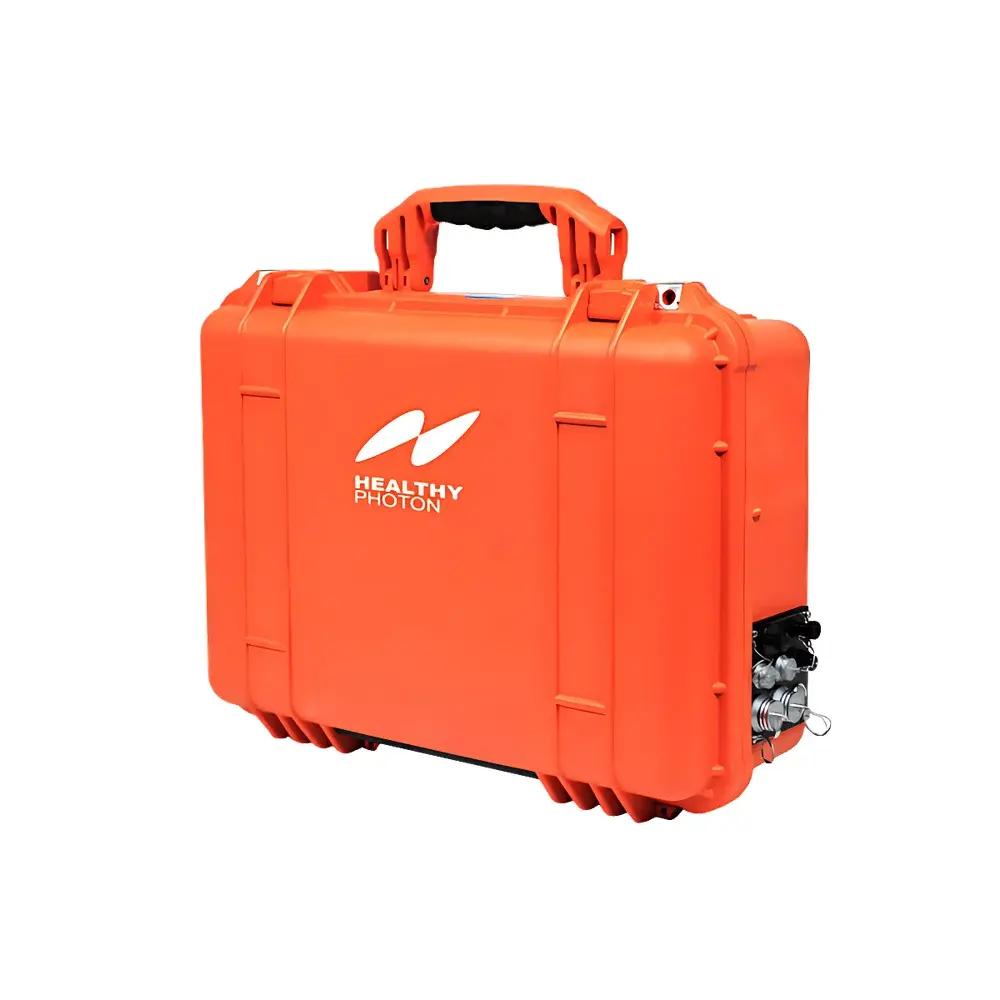
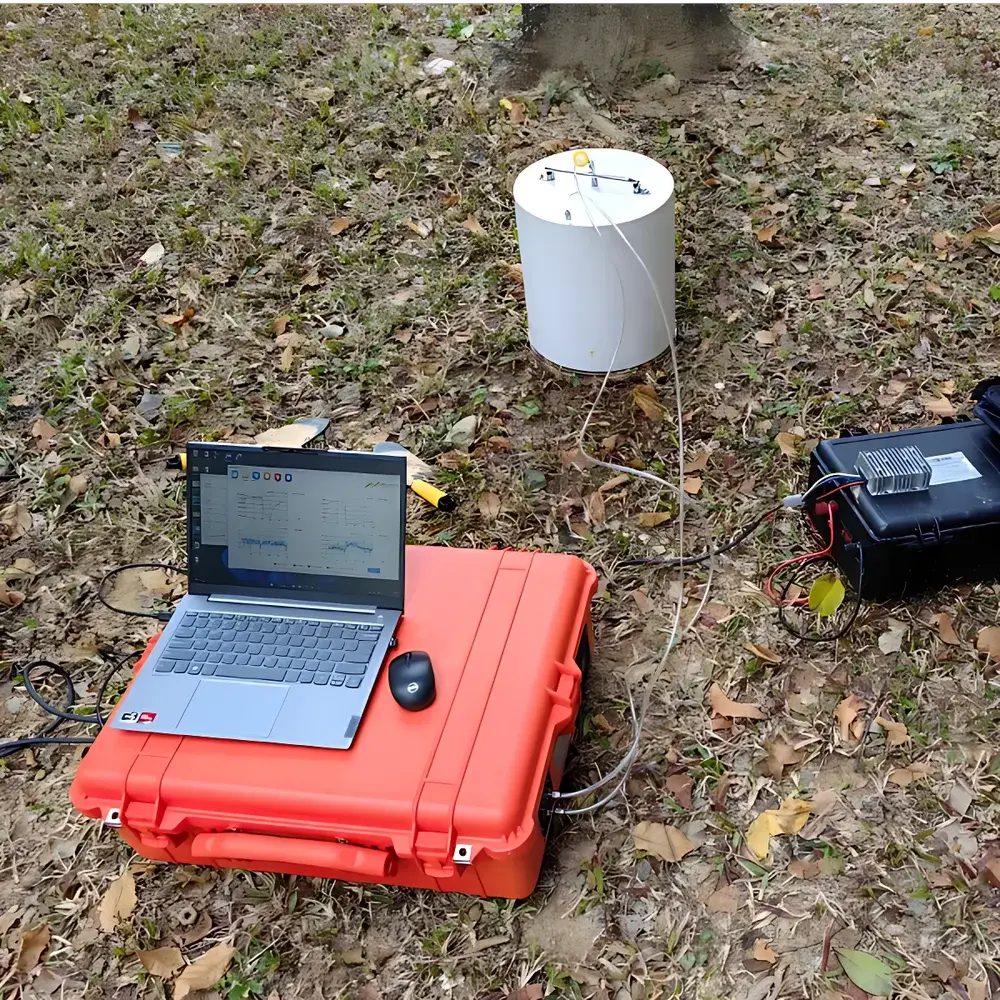
AeroNose HT8850 Portable High-Precision Greenhouse Gas Analyzer
| Brand | AeroNose |
|---|---|
| Origin | Zhejiang, China |
| Manufacturer Type | OEM Manufacturer |
| Country of Origin | China |
| Model | HT8850 |
| Price | USD 140,000 (approx.) |
| Measurement Principle | Tunable Diode Laser Absorption Spectroscopy (TDLAS) in Mid-Infrared Region |
| Target Gases | CO₂, CH₄, N₂O, H₂O |
| Detection Limits | CO₂: ±0.5 ppm (at 400 ppm) |
| CH₄ | ±3 ppb (at 2 ppm) |
| N₂O | ±0.5 ppb (at 330 ppb) |
| H₂O | ±10 ppm (at 10,000 ppm) |
| Measurement Ranges | CO₂: 0–5000 ppm |
| CH₄ | 0–15 ppm |
| N₂O | 0–6 ppm |
| H₂O | 0–30,000 ppm |
| Response Time | <30 s (t₉₀) |
| Operating Temperature | −10 °C to +45 °C |
| Storage Temperature | −25 °C to +50 °C |
| Relative Humidity | <95% RH (non-condensing) |
| Atmospheric Pressure Range | 70–110 kPa |
| Dimensions | 50 cm × 36 cm × 18 cm |
| Weight | <15 kg |
| Power Supply | 12 VDC / 10 A |
| Power Consumption | <70 W (steady-state) |
| Data Storage | Integrated SD card or external DAQ system |
| Communication Interface | RS-232 serial port |
| User Interface | Windows-based configuration and visualization software |
Overview
The AeroNose HT8850 is a field-deployable, high-precision greenhouse gas (GHG) analyzer engineered for quantitative, real-time measurement of carbon dioxide (CO₂), methane (CH₄), nitrous oxide (N₂O), and water vapor (H₂O) in ambient air, soil flux chambers, aquatic headspaces, and atmospheric boundary layer studies. It employs tunable diode laser absorption spectroscopy (TDLAS) operating in the mid-infrared (MIR) spectral region—specifically targeting strong, isolated ro-vibrational absorption lines of each target gas. This spectral selectivity eliminates cross-sensitivity from overlapping absorptions of interfering species (e.g., CO, NH₃, C₂H₆, or O₃), ensuring metrological integrity without requiring chemical scrubbers or optical filters. The instrument integrates a compact, thermally stabilized multi-pass absorption cell with optimized pathlength and pressure control, enabling high signal-to-noise ratio (SNR) detection at sub-ppb levels for CH₄ and N₂O while maintaining robustness against vibration, thermal drift, and humidity-induced baseline shifts. Designed for unattended operation in remote or off-grid environments, the HT8850 supports dual power inputs (12 VDC battery or solar charge controller) and complies with IEC 60068-2 environmental stress testing standards for transport and field deployment.
Key Features
- Multi-species simultaneous detection using MIR-TDLAS with gas-specific, non-overlapping absorption lines—no spectral interference between CO₂, CH₄, N₂O, or H₂O
- Sub-ppb detection limits: CH₄ ≤ 3 ppb (2 ppm reference), N₂O ≤ 0.5 ppb (330 ppb reference), CO₂ ≤ 0.5 ppm (400 ppm reference), H₂O ≤ 10 ppm (10,000 ppm reference)
- Rapid response time of <30 seconds (t₉₀) for dynamic flux measurements in eddy covariance or chamber-based systems
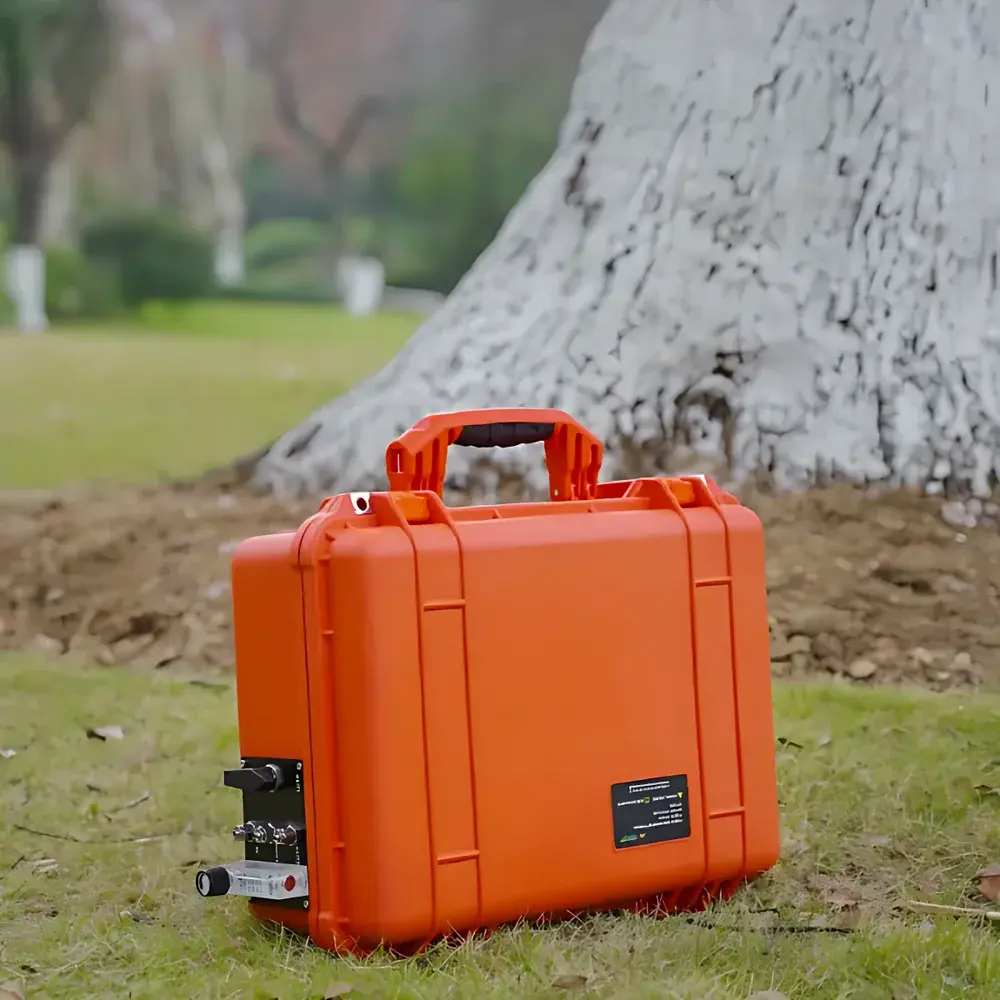
- Compact form factor (<15 kg, 50 × 36 × 18 cm) with ruggedized chassis rated for IP54 ingress protection
- Low steady-state power draw (72-hour continuous operation on standard 100 Ah LiFePO₄ batteries
- Onboard SD card logging (FAT32 formatted) with timestamped, ASCII-delimited output compliant with CF/NOAA data exchange conventions
- Integrated temperature and pressure sensors with automatic density correction per ISO 14644-3 and ASTM D6196 protocols
Sample Compatibility & Compliance
The HT8850 accepts sample gas streams at flow rates of 0.5–2.0 L/min via 6 mm OD PTFE or stainless-steel tubing, with optional heated inlet line (up to 60 °C) for high-humidity or condensable environments. It meets key regulatory and methodological frameworks including EPA Method TO-15 (for CH₄/N₂O), ISO 13964 (ambient air quality—gas analyzers), and the WMO GAW compatibility requirements for GHG monitoring stations. All calibration traceability follows NIST SRM 1969 (CO₂), NIST SRM 1968 (CH₄), and NIST SRM 1967 (N₂O). Firmware supports GLP-compliant audit trails—including user login history, calibration event logs, and parameter change timestamps—with optional 21 CFR Part 11 electronic signature readiness when paired with validated third-party data acquisition software.
Software & Data Management
The HT8850 is operated via AeroNose’s Windows-native “GasTrace Pro” software, which provides real-time spectral visualization, peak fitting diagnostics, zero/span validation workflows, and automated drift compensation using internal reference cells. Raw absorbance spectra (wavenumber vs. intensity) are exportable in HDF5 format for independent spectral analysis. Data output includes calibrated concentration time series (UTC timestamped, UTC+0), raw detector voltage, cell temperature/pressure, and diagnostic flags (e.g., laser lock status, cavity alignment index). Export formats include CSV (comma-separated), NetCDF-4 (CF-compliant), and XML metadata bundles compatible with ICOS, AmeriFlux, and FluxNet data portals. Remote firmware updates and configuration changes are supported over RS-232 with CRC-16 error checking.
Applications
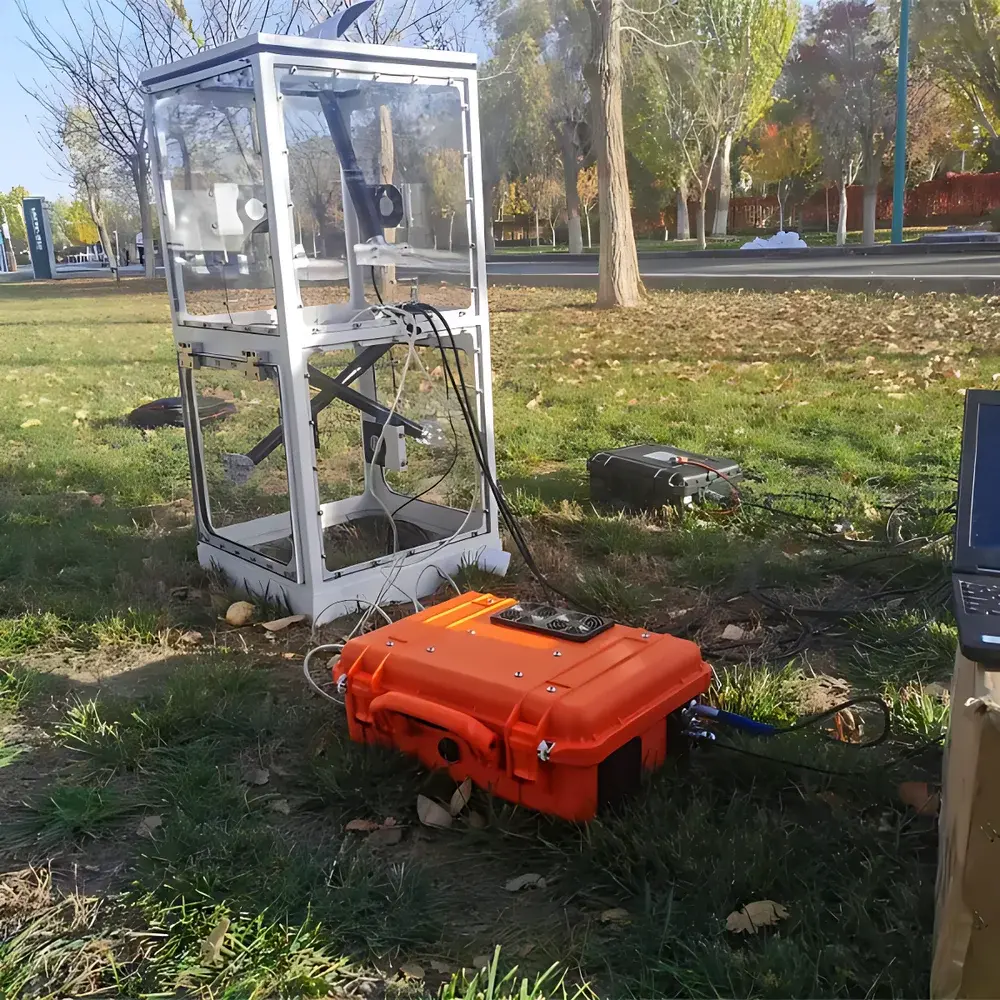
- Soil respiration studies: Quantifying CO₂ and CH₄ efflux from agricultural, forest, and permafrost soils using static/dynamic chambers
- Aquatic GHG fluxes: Measuring dissolved gas supersaturation and evasion rates in rivers, lakes, wetlands, and coastal zones
- Urban and regional atmospheric monitoring: Mobile surveys (vehicle-mounted), tower-based gradient profiling, and landfill perimeter surveillance
- Carbon capture verification: Real-time stack monitoring for CO₂ sequestration projects under ISO 27916 and CCUS regulatory frameworks
- Climate research infrastructure: Integration into FLUXNET, ICOS, and NEON observatory networks requiring WMO-GAW Tier 2 compliance
- Method development labs: Reference-grade validation of low-cost sensor networks and open-path FTIR systems
FAQ
What calibration gases are required for routine operation?
Primary calibration requires certified standard mixtures traceable to NIST SRMs: CO₂ in air (300–1000 ppm), CH₄ in nitrogen (1–5 ppm), N₂O in air (200–600 ppb), and dry air for zero. Span checks should be performed weekly; full multi-point calibration every 3 months.
Can the HT8850 operate unattended for extended periods?
Yes—its embedded controller supports scheduled auto-zero/auto-span, thermal stabilization cycling, and watchdog-triggered reboot. With external battery/solar management, deployments exceeding 30 days have been validated in Arctic tundra and tropical peatland sites.
Is the instrument suitable for high-humidity environments such as wetlands or rainforests?
The standard configuration includes a chilled-mirror dew point sensor and optional heated inlet (60 °C max). For sustained operation above 90% RH, we recommend pairing with a Nafion™ dryer or permeation-based moisture removal module to prevent condensation inside the optical cavity.
Does the HT8850 support remote diagnostics and firmware updates?
Yes—RS-232 interface enables bidirectional communication with industrial PLCs or telemetry gateways. Firmware updates are delivered as signed .bin packages with SHA-256 hash verification and rollback capability.
How does the HT8850 handle pressure and temperature variations during field use?
It incorporates dual-axis MEMS pressure transducers (±0.1 kPa accuracy) and PT1000 thermal sensors (±0.15 °C) feeding real-time ideal gas law corrections to concentration outputs per ISO 6145-7 and ASTM D1945 Annex A3.
Related Products







