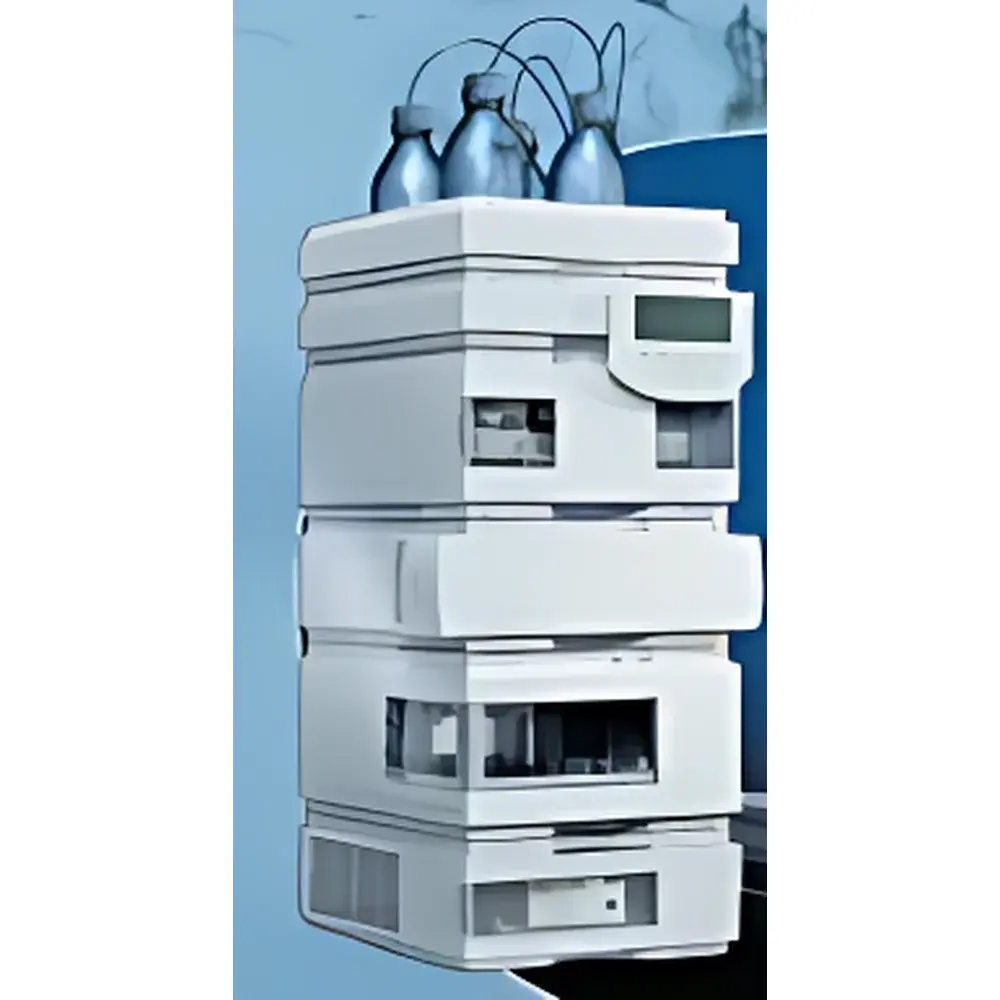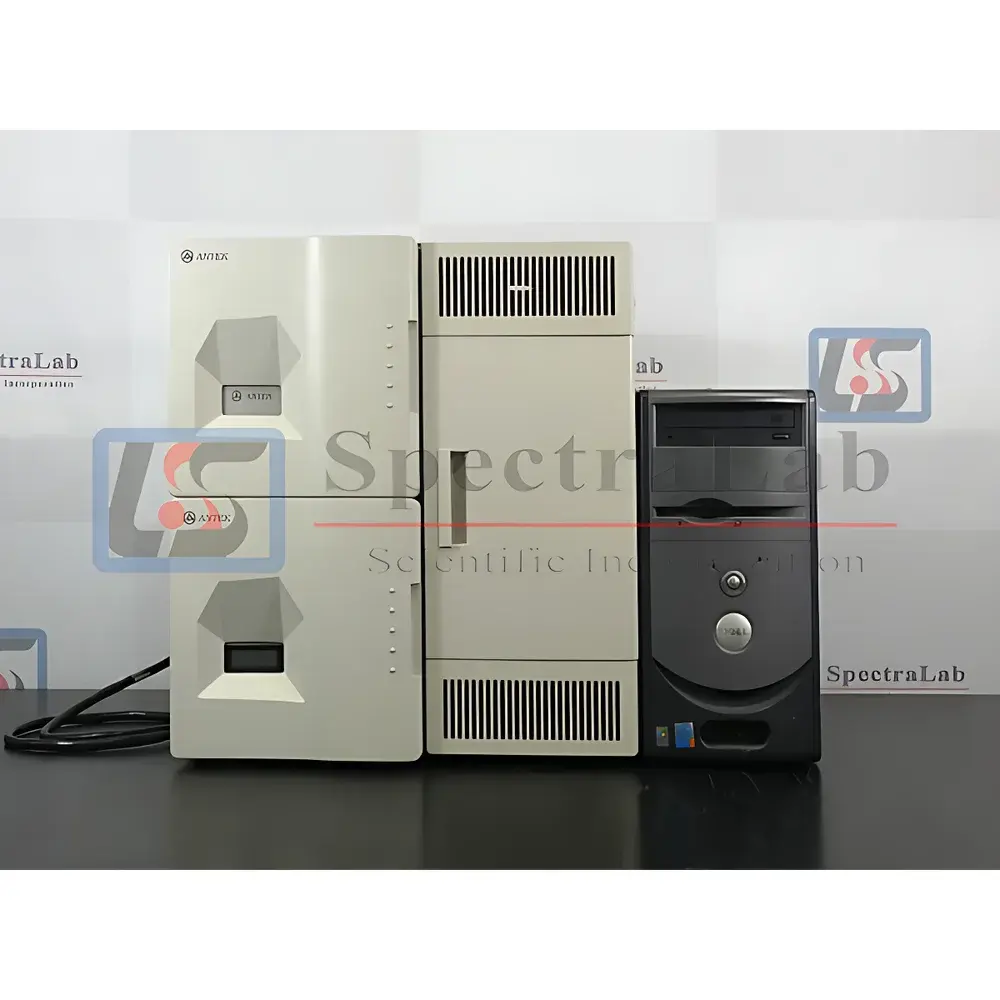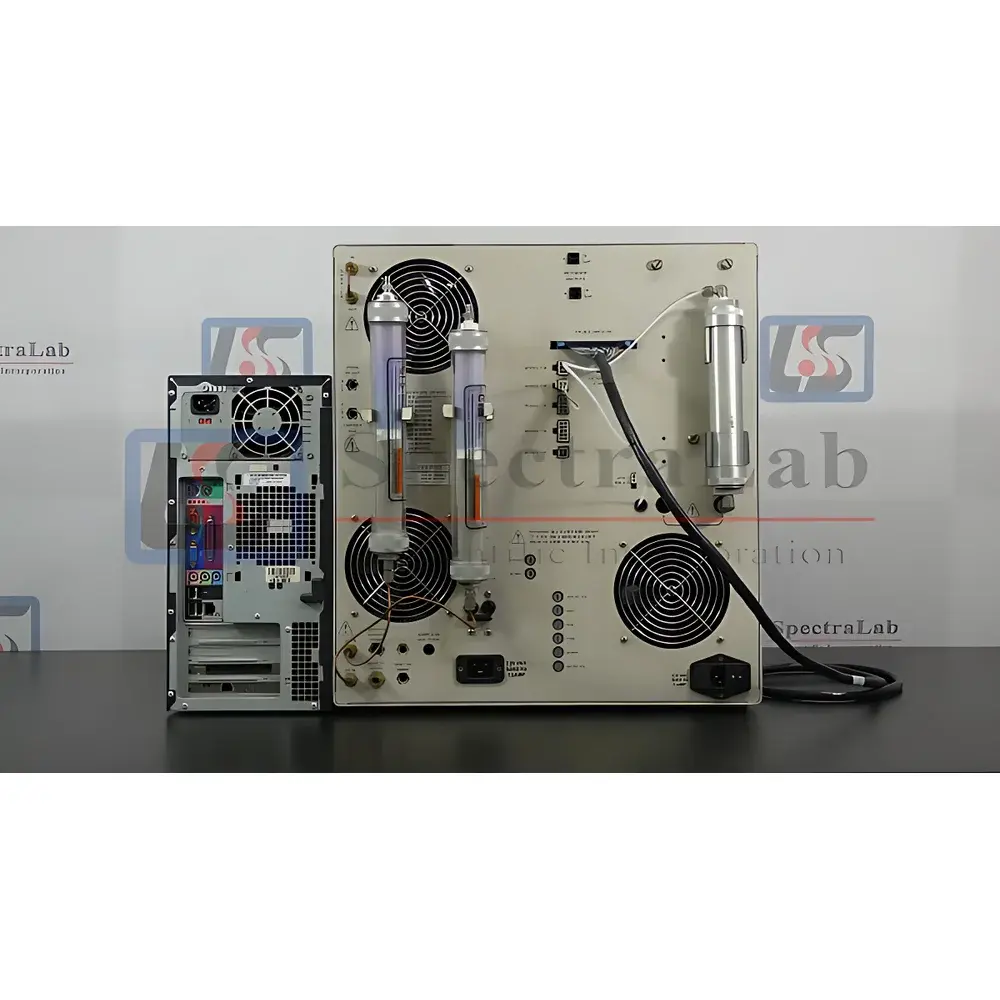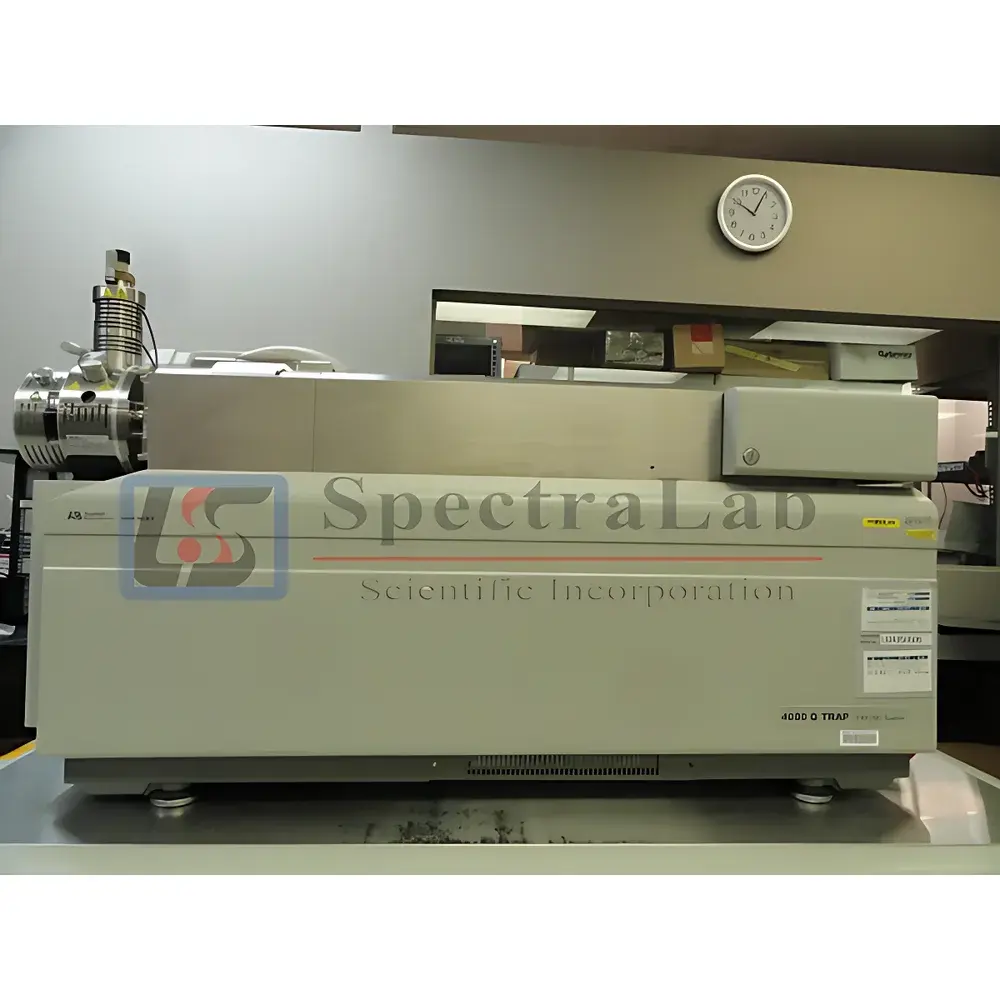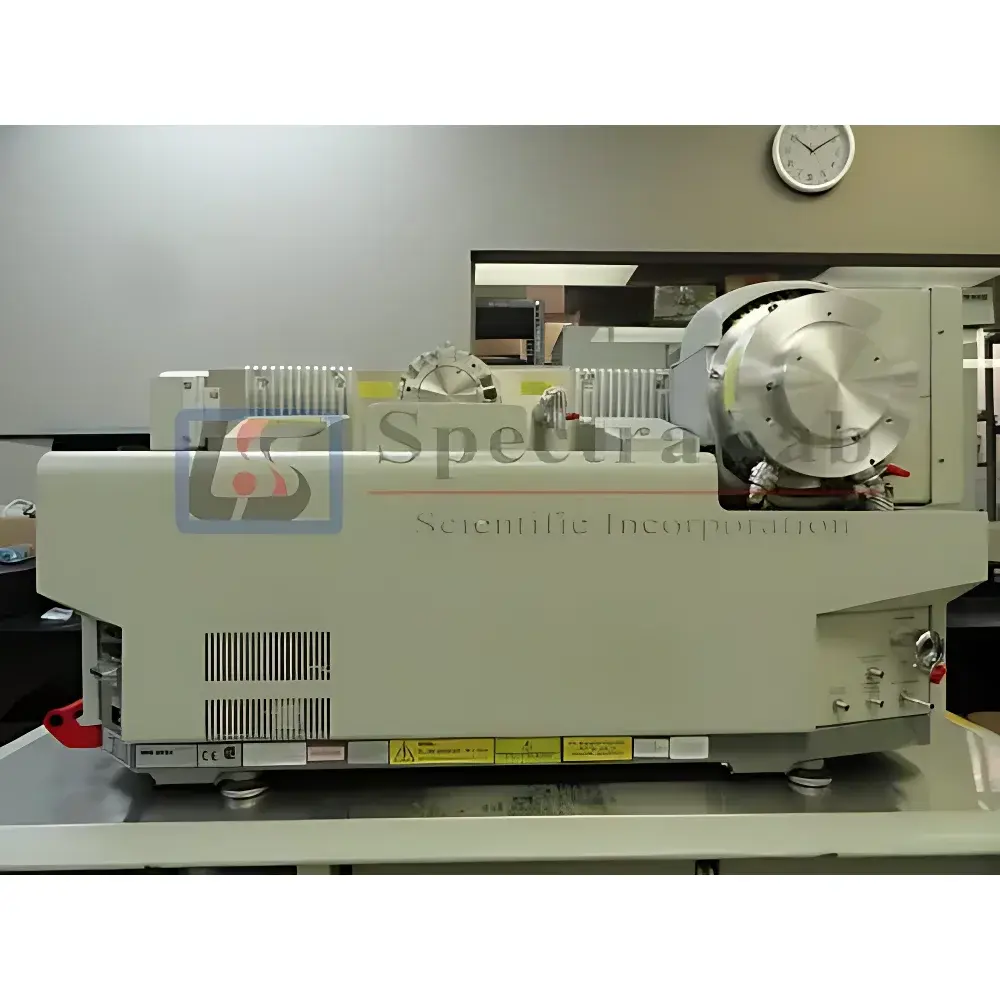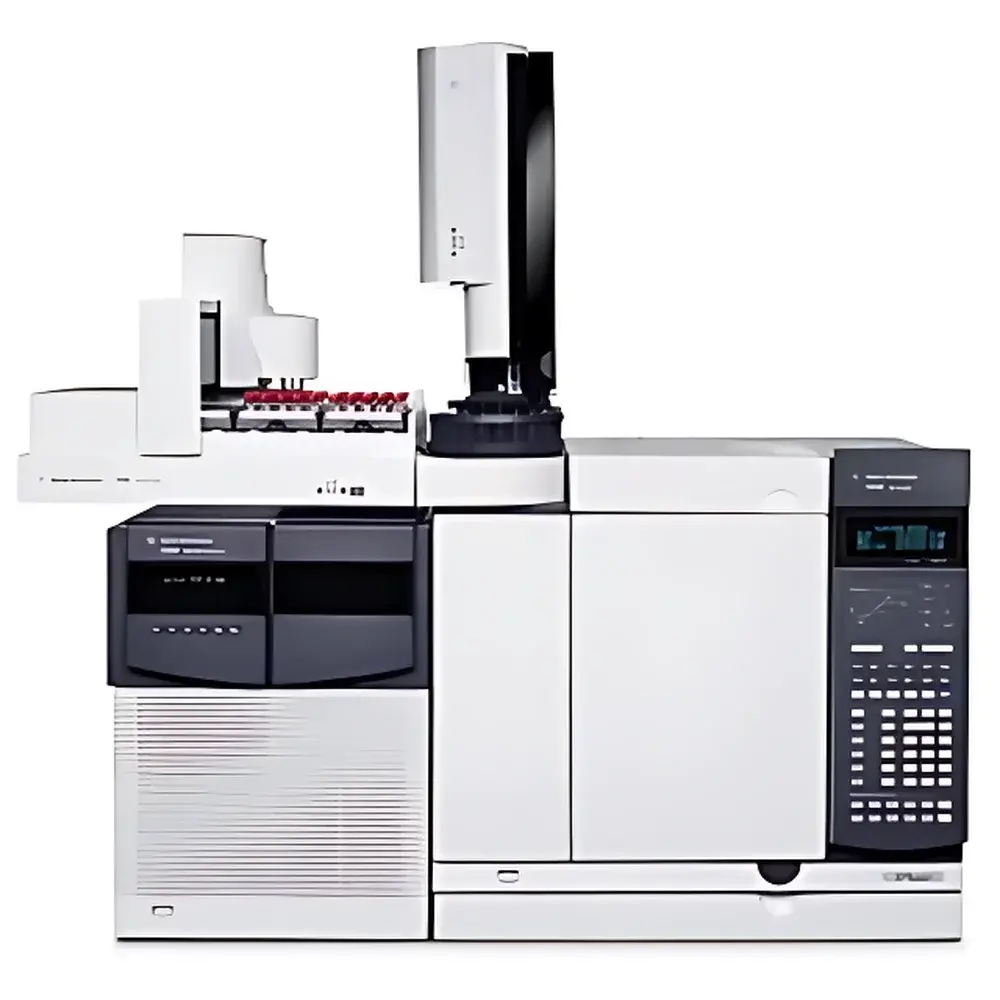
Agilent Certified Refurbished 7000C Triple Quadrupole GC/MS System
| Brand | Agilent Technologies |
|---|---|
| Origin | USA |
| Manufacturer Type | Original Equipment Manufacturer (OEM) |
| Origin Category | Imported |
| Model | 7000C GC/MS |
| Product Category | Mass Spectrometer |
| Warranty Period | 1 Year |
| Instrument Model | 7000C GC/MS |
Overview
The Agilent Certified Refurbished 7000C Triple Quadrupole GC/MS System is a high-performance, quantitative mass spectrometry platform engineered for trace-level analysis in regulated and research-intensive laboratories. Based on Agilent’s proven triple quadrupole architecture, the system employs tandem mass spectrometry (MS/MS) via collision-induced dissociation (CID) in the Q2 collision cell to deliver exceptional selectivity, sensitivity, and robustness—particularly for complex matrix analysis. Its core measurement principle relies on gas chromatographic separation coupled with selective reaction monitoring (SRM) or multiple reaction monitoring (MRM), enabling sub-pg/mL detection limits for target analytes across environmental, food safety, clinical toxicology, and pharmaceutical applications. Designed for seamless integration with Agilent 7890B GC systems (and compatible with other Agilent GC platforms), the 7000C maintains full hardware and software interoperability, including electronic pressure control (EPC), active inlet management, and real-time tuning diagnostics.
Key Features
- Triple quadrupole mass analyzer with optimized ion optics for high transmission efficiency and low chemical noise
- Advanced electron multiplier detector with extended dynamic range (>6 orders) and stable gain over extended operational cycles
- Integrated GC-MS interface with heated transfer line and dual-stage vacuum system (turbomolecular pump + backing pump)
- Agilent MassHunter Workstation software (v10.x or later) supporting method development, automated calibration, MRM optimization, and batch processing
- Certified refurbishment process compliant with Agilent’s OEM quality standards—including full functional validation, performance verification per ASTM D5845 and USP <1225>, and replacement of all wear-prone components with genuine Agilent parts
- Factory-reconditioned front panel and enclosure meeting current mechanical and EMC specifications (IEC 61326-1)
Sample Compatibility & Compliance
The 7000C accommodates a broad range of volatile and semi-volatile organic compounds—including pesticides, PAHs, PCBs, drugs of abuse, residual solvents, and flavor/aroma volatiles—when paired with appropriate GC columns (e.g., DB-5ms, HP-5MS, or specialized polar phases). It supports split/splitless, PTV, and cold-on-column injection techniques. All refurbished units undergo rigorous compliance verification against Agilent’s internal QC protocol, which includes system suitability testing (SST) using EPA Method 8270D and 8082A reference standards. The platform is fully compatible with GLP/GMP environments when configured with audit-trail-enabled MassHunter software (21 CFR Part 11 compliant with optional e-signature module) and integrated instrument qualification documentation (IQ/OQ/PQ templates available upon request).
Software & Data Management
MassHunter Workstation provides a unified environment for acquisition, qualitative analysis, and quantitative reporting. Key capabilities include Auto-MRM method setup with retention time locking, batch calibration curve generation with weighting options (1/x, 1/x²), and customizable report templates aligned with ISO/IEC 17025 reporting requirements. Raw data files (.d format) are stored in vendor-neutral, timestamped directories with embedded metadata (instrument parameters, tune reports, sequence logs). Data integrity is preserved through write-protected storage paths, automatic backup scheduling, and optional integration with Agilent’s OpenLab CDS for centralized lab-wide data governance and long-term archival.
Applications
- Regulatory compliance testing: Residue analysis per EU MRLs, USDA FSIS methods, and FDA BAM protocols
- Environmental monitoring: Quantification of chlorinated dioxins/furans (EPA 1613B), brominated flame retardants (EPA 1614), and emerging contaminants (PFAS precursors)
- Food and beverage safety: Mycotoxin screening (aflatoxins, ochratoxin A), pesticide multiresidue analysis (QuEChERS workflows), and adulterant detection
- Clinical and forensic toxicology: Targeted quantitation of benzodiazepines, opioids, stimulants, and metabolites in blood, urine, and hair matrices
- Pharmaceutical impurity profiling: Genotoxic impurity verification (ICH M7) and extractables/leachables identification in packaging studies
FAQ
What does “Agilent Certified Refurbished” mean?
It signifies that the instrument has undergone Agilent’s official refurbishment program—including complete disassembly, replacement of all consumable and wear-sensitive components with new OEM parts, firmware updates to the latest stable release, full electrical and vacuum integrity testing, and performance validation against factory specifications.
Is the 1-year warranty identical to that of a new 7000C system?
Yes—the warranty covers parts, labor, and technical support under the same terms as a newly purchased Agilent 7000C, including remote diagnostics and priority escalation paths.
Can this system be qualified for use in a GxP-regulated laboratory?
Absolutely. With proper IQ/OQ documentation (provided by Agilent or authorized partners), 21 CFR Part 11-compliant software configuration, and periodic PQ verification, the certified refurbished 7000C meets ALCOA+ data integrity principles and supports inspection readiness.
Are installation and training services available?
Yes. Agilent offers optional on-site installation, user training (fundamentals to advanced quantitation), and extended service agreements (ESA) covering preventive maintenance, software upgrades, and priority response SLAs.
Does the system include original accessories and consumables?
Each unit ships with a validated starter kit: GC column, septa, liner, gold seal, tuning compound vial, and initial calibration standards—fully documented in the refurbishment certificate.
Related Products