
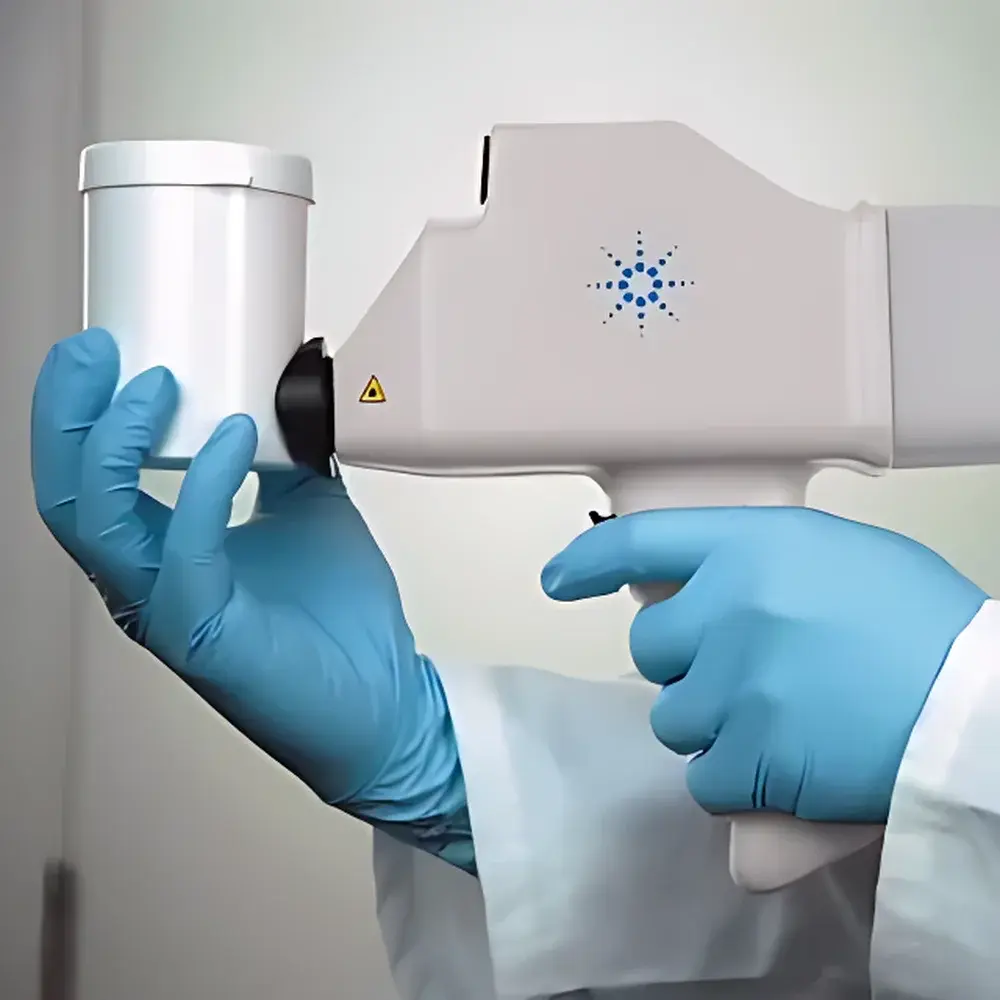
Agilent RapID Handheld Raman ID System for Raw Material Verification
| Brand | Agilent Technologies |
|---|---|
| Origin | United Kingdom |
| Manufacturer Type | Original Equipment Manufacturer (OEM) |
| Origin Category | Imported Instrument |
| Model | RapID |
| Instrument Type | Portable/Handheld Raman Spectrometer |
| Discontinued Date | 1 August 2025 |
Overview
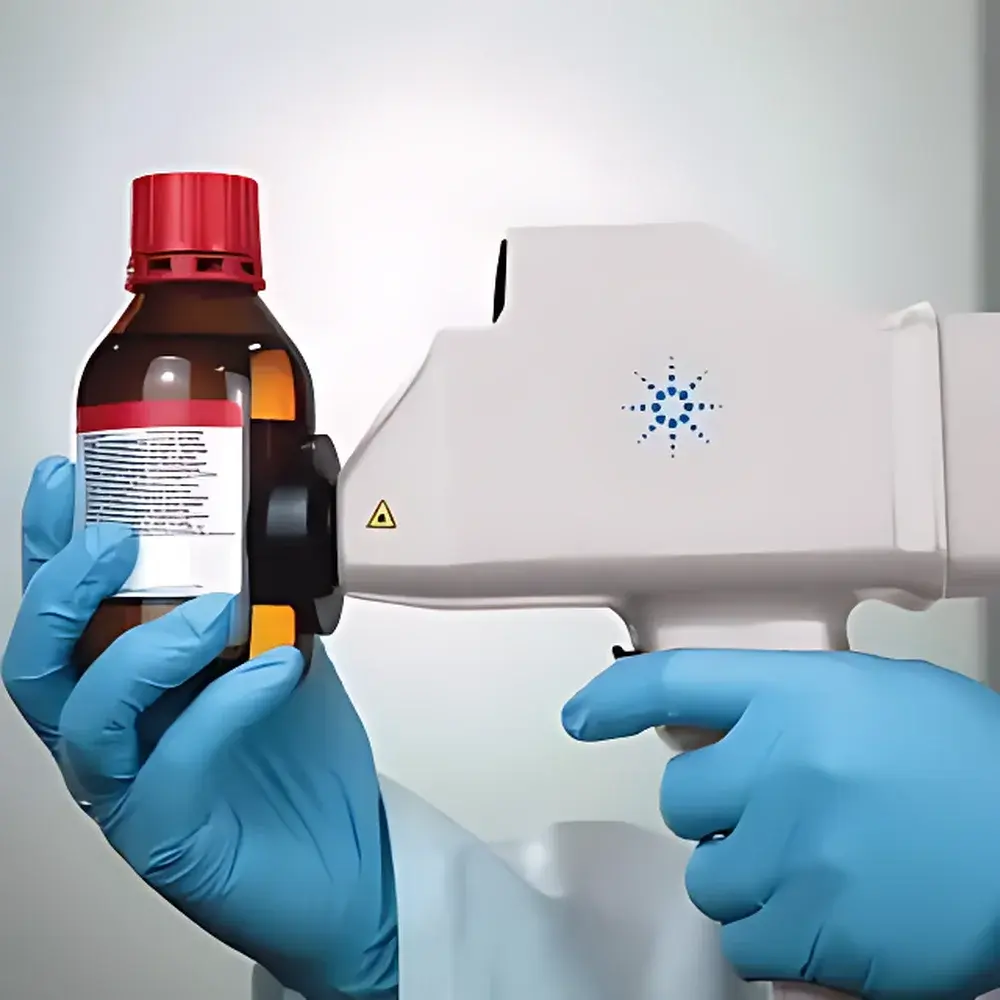
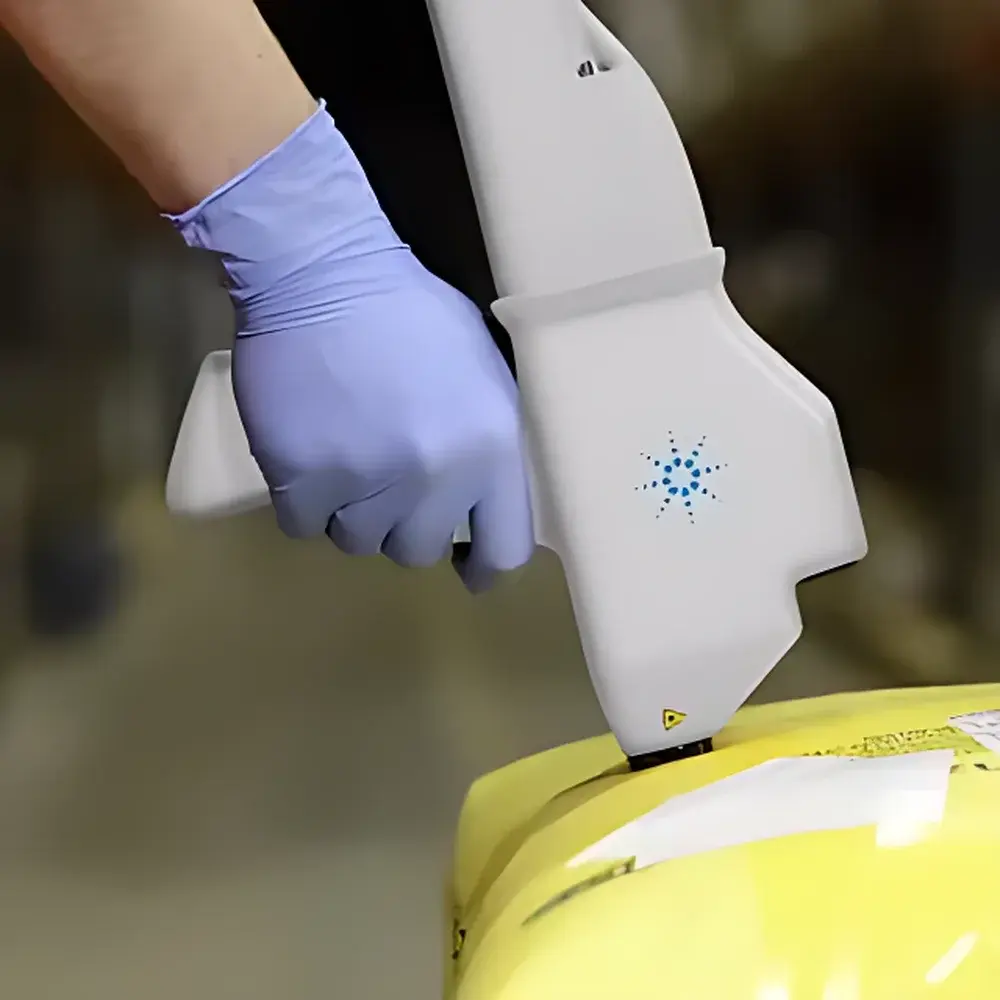
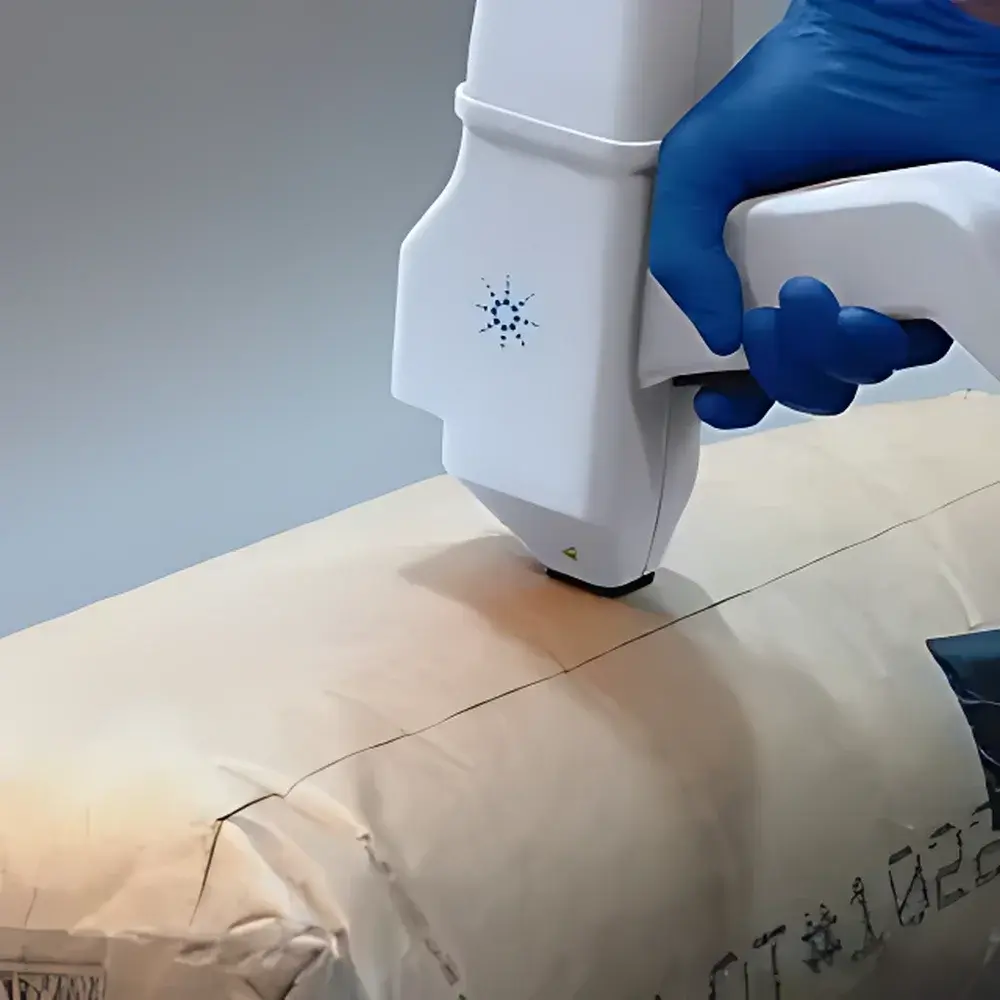
The Agilent RapID Handheld Raman ID System is a purpose-built, GMP-compliant analytical platform engineered for rapid, non-invasive identity verification of raw materials and excipients in pharmaceutical manufacturing environments. It operates on spatially offset Raman spectroscopy (SORS), a patented variant of conventional Raman that enables spectral acquisition through optically dense, opaque, and colored packaging—including multilayer paper bags, HDPE drums, amber glass vials, and metallized pouches—without physical sampling or container opening. Unlike standard backscattering Raman systems limited to transparent or thin-film containers, RapID’s SORS architecture decouples surface fluorescence from bulk molecular signatures by laterally displacing the excitation and collection zones, thereby suppressing packaging interference and delivering chemically specific spectra from the material beneath. This principle supports real-time, at-point-of-receipt verification directly on the warehouse floor or in quarantine areas, aligning with ICH Q5A, Q7, and FDA Guidance for Industry on Analytical Procedures and Methods Validation.
Key Features
- True non-contact, non-destructive analysis through opaque and colored packaging—no unpacking, no sampling, no resealing required.
- Integrated SORS optical engine optimized for pharmaceutical-grade solid dosage forms, APIs, and common excipients (e.g., lactose monohydrate, microcrystalline cellulose, mannitol).
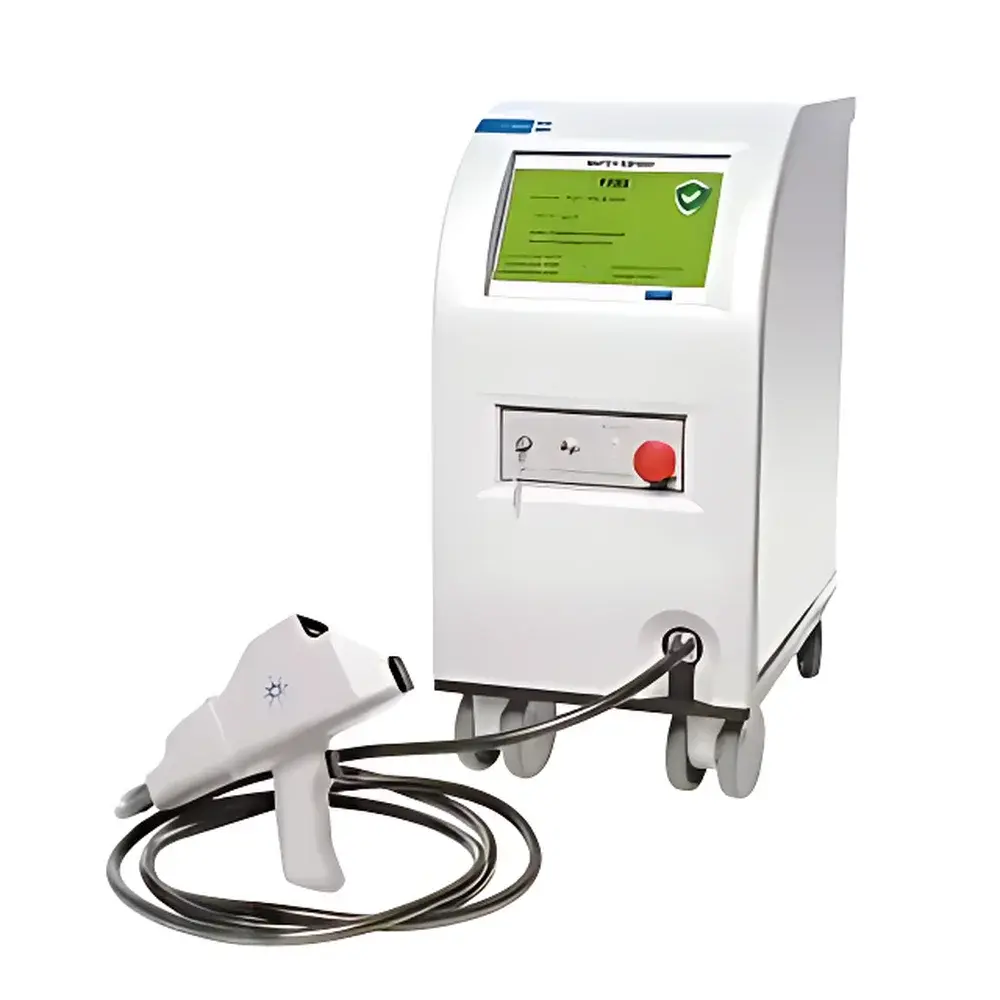
- Ergonomic handheld form factor with integrated touchscreen interface, onboard battery (≥4 h continuous operation), and IP54-rated enclosure for controlled environment use.
- Pre-validated spectral library containing >300 reference spectra of USP/NF-listed APIs, excipients, and packaging materials; supports user-defined library expansion under documented change control.
- On-device pass/fail decision logic compliant with ASTM E1847–22 (Standard Practice for Establishing and Maintaining a Raman Spectral Library) and aligned with data integrity expectations of 21 CFR Part 11.
Sample Compatibility & Compliance
RapID demonstrates robust performance across a broad range of pharmaceutical packaging configurations: brown glass bottles (≥2 mm wall thickness), black polypropylene drums (up to 20 L volume), aluminum-laminated foil pouches, and corrugated fiberboard cartons lined with polyethylene. It has been verified per USP “Near-Infrared and Raman Spectroscopy” and meets the instrumental requirements outlined in Ph. Eur. 2.2.48 “Raman Spectroscopy”. All system software and firmware are designed to support ALCOA+ principles (Attributable, Legible, Contemporaneous, Original, Accurate, Complete, Consistent, Enduring, Available), including electronic signature capture, audit trail logging, and role-based access control. The device satisfies regulatory expectations for identity testing under FDA CGMP §211.84(d)(1) and EMA Annex 8 requirements for incoming material controls.
Software & Data Management
The RapID system runs Agilent’s proprietary RapID Connect software, which provides embedded method management, spectral acquisition, library matching (using correlation coefficient and residual error thresholds), and automated report generation (PDF/CSV). All analytical data—including raw spectra, metadata (operator ID, timestamp, location tag), and pass/fail outcomes—are stored locally in an encrypted SQLite database. Data export is supported via USB-C or secure Wi-Fi to networked LIMS or ELN systems. Audit trails are immutable, time-stamped, and retain full history of user actions, parameter modifications, and library updates. Software design adheres to IEC 62304 Class B medical device software standards and incorporates technical controls for electronic records per 21 CFR Part 11 Subpart B and EU Annex 11 Section 4.2.
Applications
- 100% identity testing of incoming raw materials prior to release into production—eliminating batch hold times associated with lab-based FTIR or HPLC confirmation.
- Quarantine area screening to prevent cross-contamination during manual sampling in sterile processing suites (e.g., for lyophilized biologics or aseptic injectables).
- Supporting Quality Risk Management (QRM) per ICH Q9 through rapid root-cause triage of suspected counterfeit or mislabeled materials.
- Facilitating continuous manufacturing workflows by enabling inline identity checks without process interruption or environmental breach.
- Enabling supplier qualification programs via standardized, portable spectral verification at vendor sites or distribution centers.
FAQ
Is the RapID system still available for purchase?
No. Agilent discontinued the RapID system effective 1 August 2025. Customers requiring replacement or upgrade should contact Agilent Support to evaluate the Vaya Handheld Raman Spectrometer, which extends SORS capability with enhanced sensitivity, expanded library coverage, and integrated GMP workflow modules.
Does RapID require external calibration or daily instrument qualification?
RapID performs automatic wavelength and intensity calibration at startup using internal NIST-traceable references. Daily system suitability testing (SST) is configurable per internal SOP but not mandated by design; users may implement SST per their quality system requirements (e.g., based on USP Analytical Instrument Qualification).
Can RapID be used for quantitative analysis?
No. RapID is validated exclusively for qualitative identity verification per ICH Q5A and USP . Quantitative applications (e.g., assay or impurity profiling) require alternative instrumentation such as HPLC or qNMR.
What training and documentation are provided with RapID?
Agilent supplies a comprehensive GxP-aligned documentation package, including Installation Qualification (IQ), Operational Qualification (OQ), User Requirements Specification (URS), and a validated test protocol. On-site or virtual operator training covers SOP development, library management, and audit trail review.







