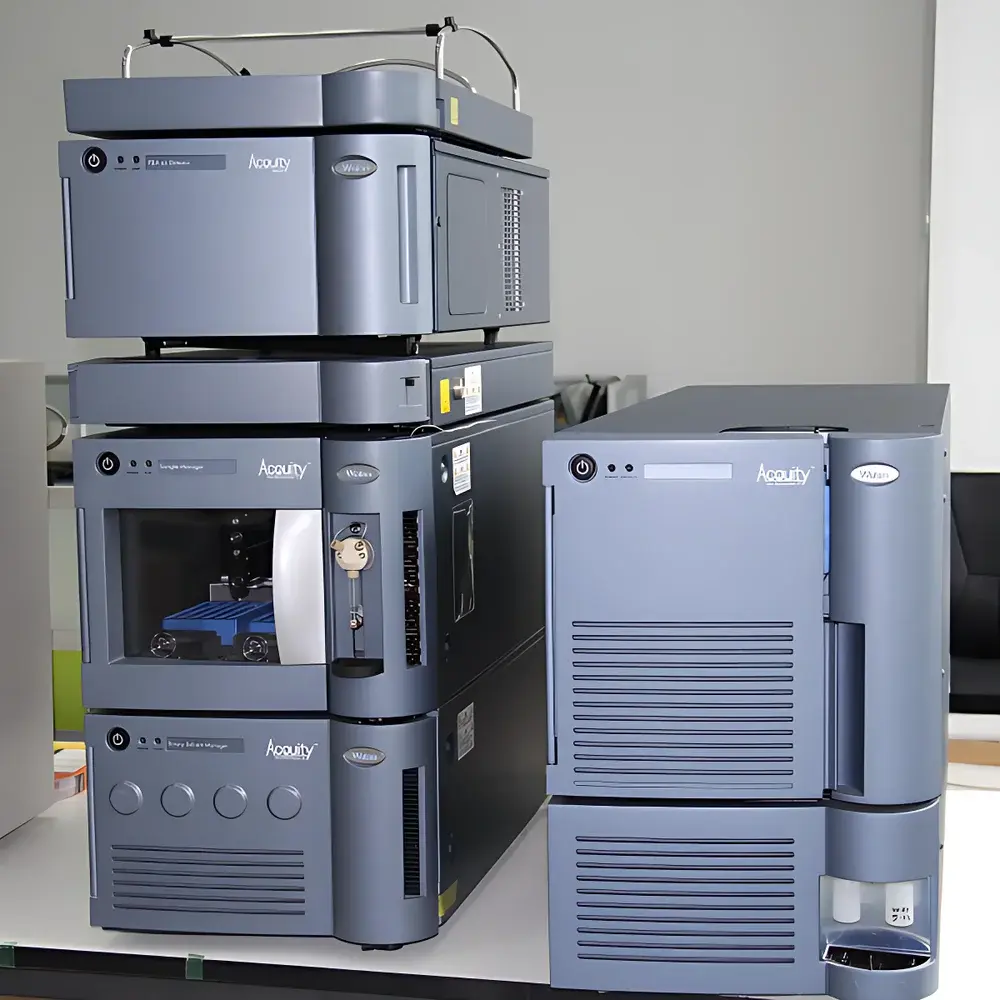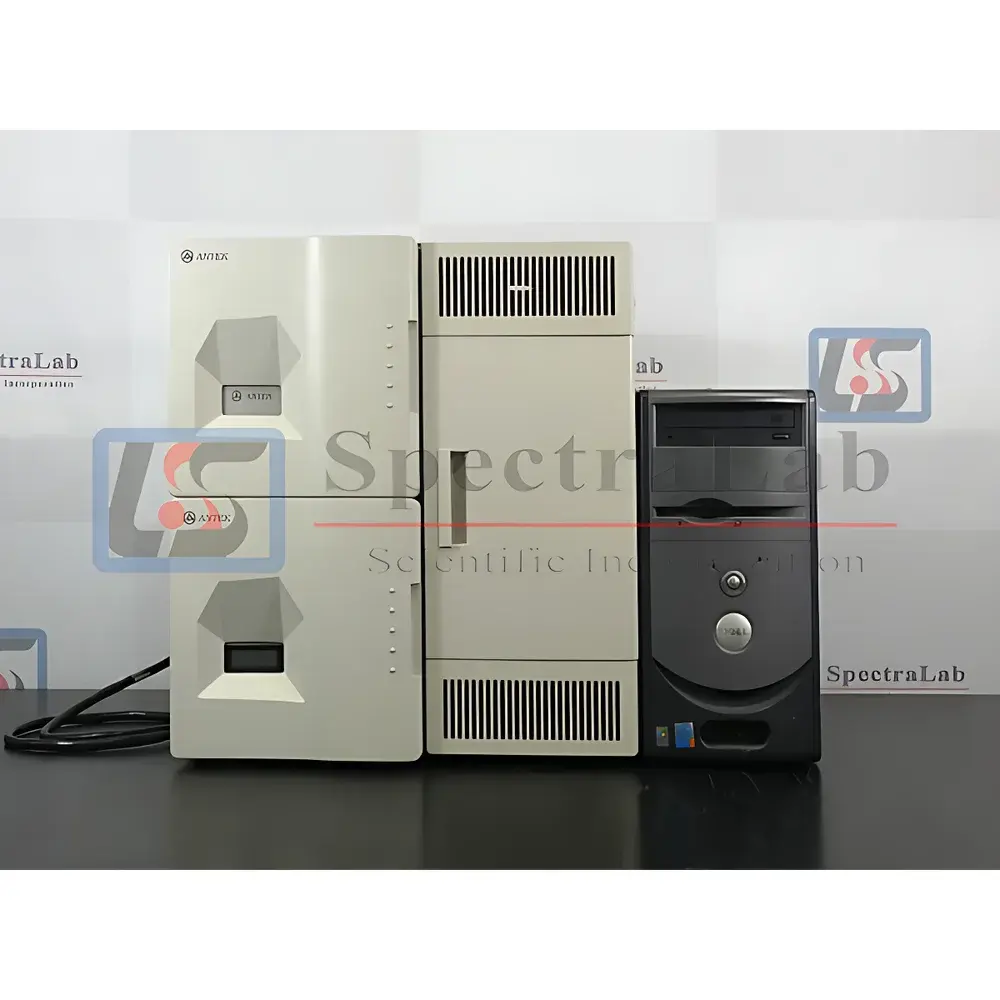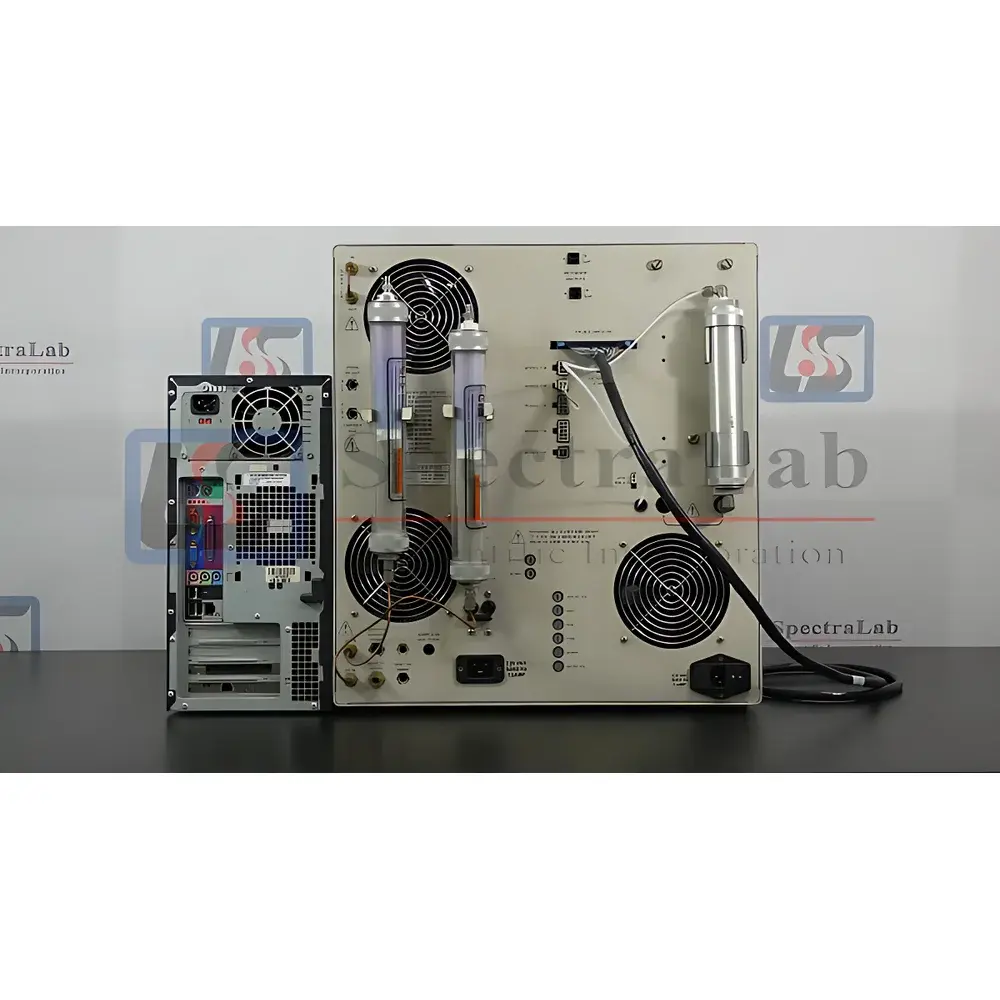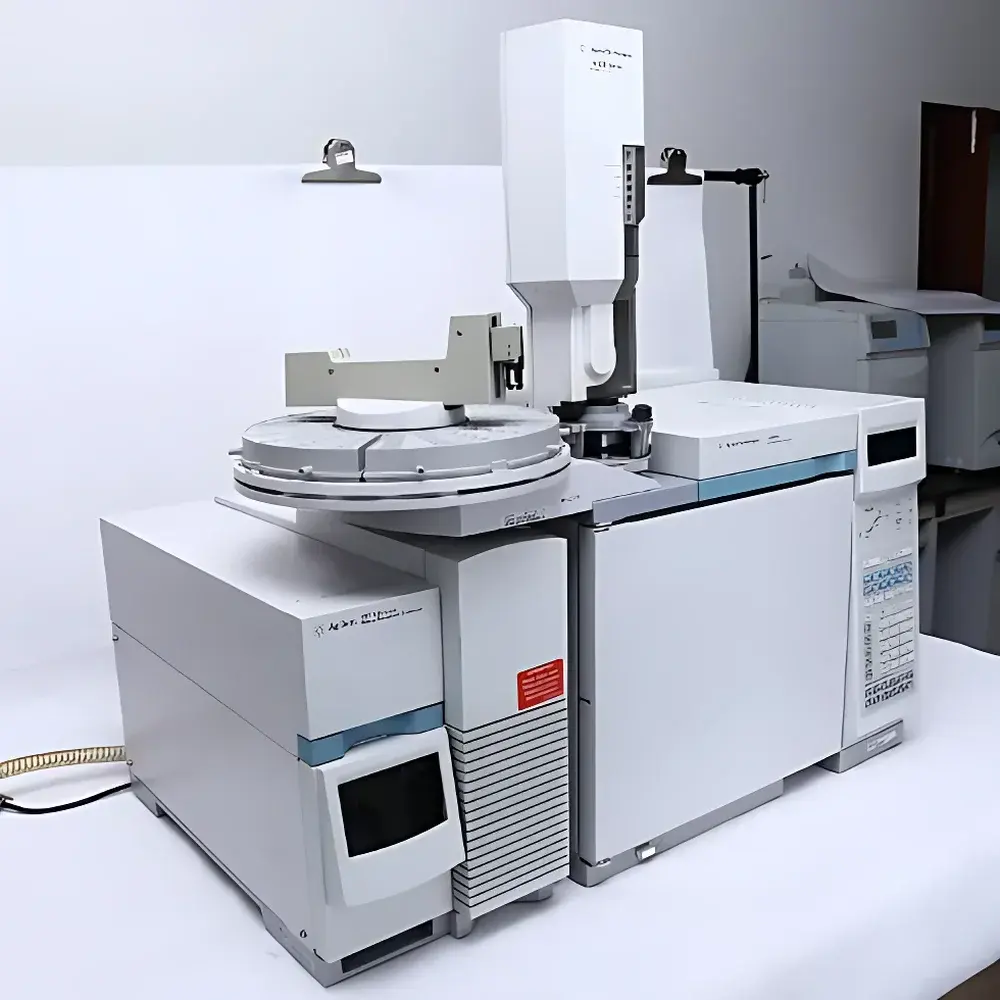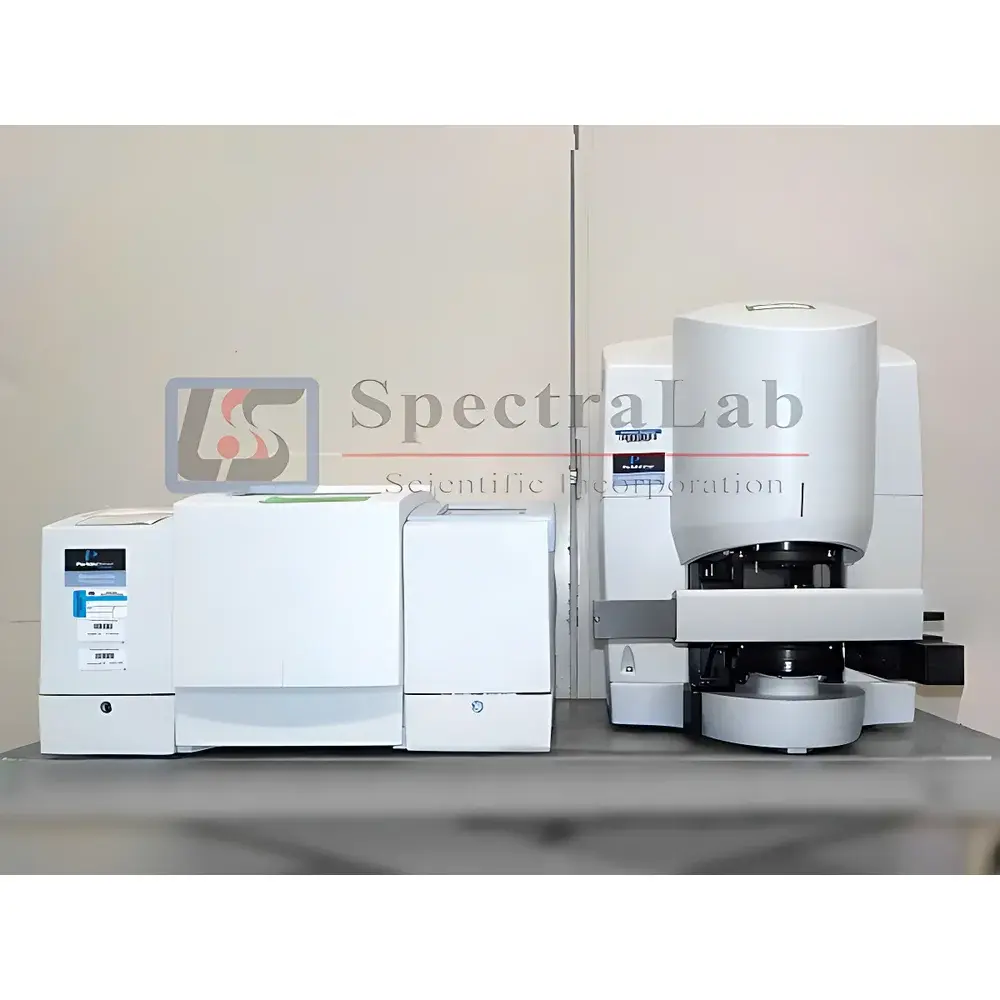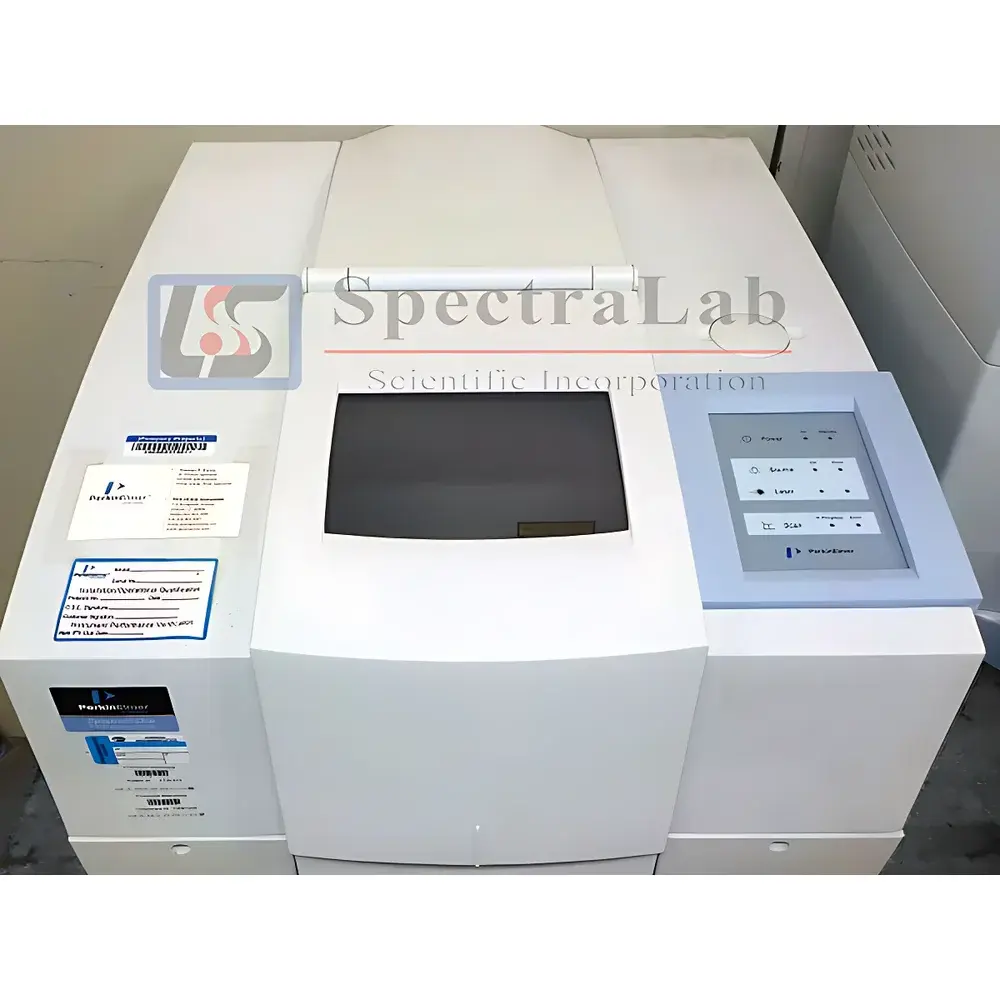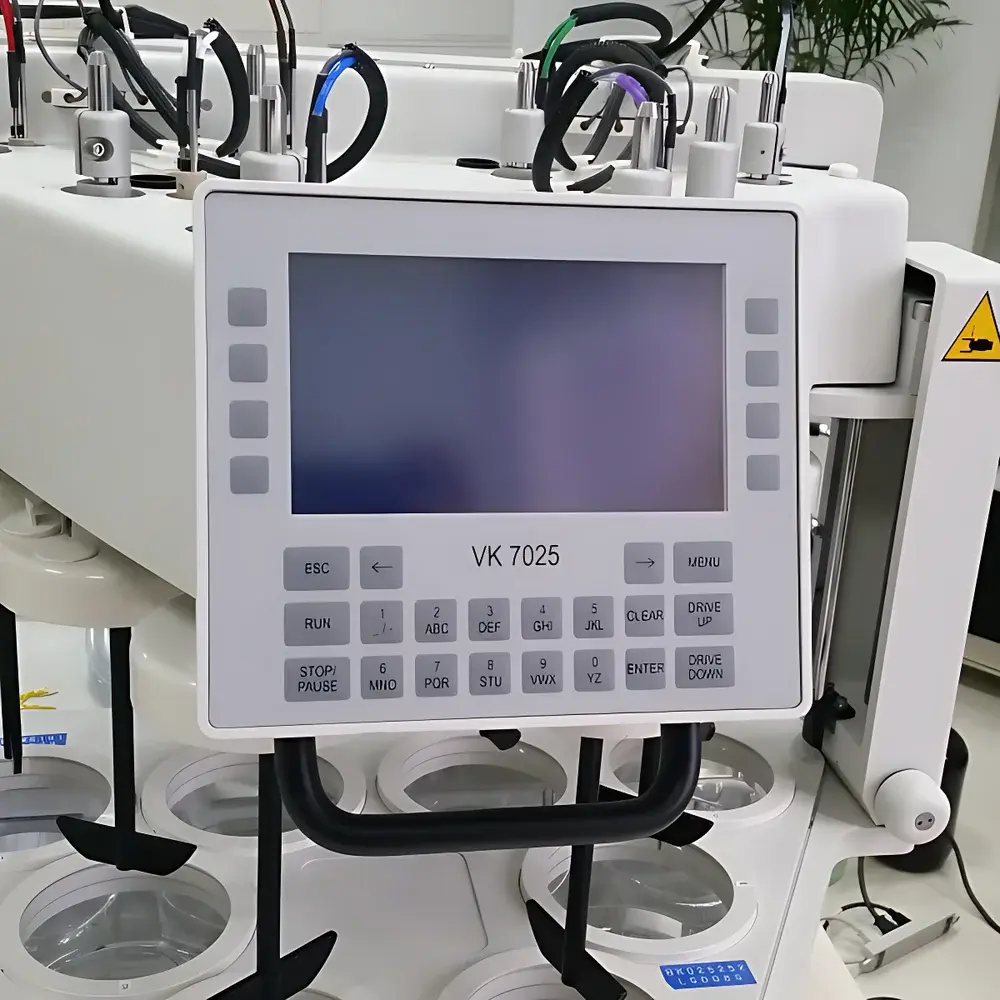
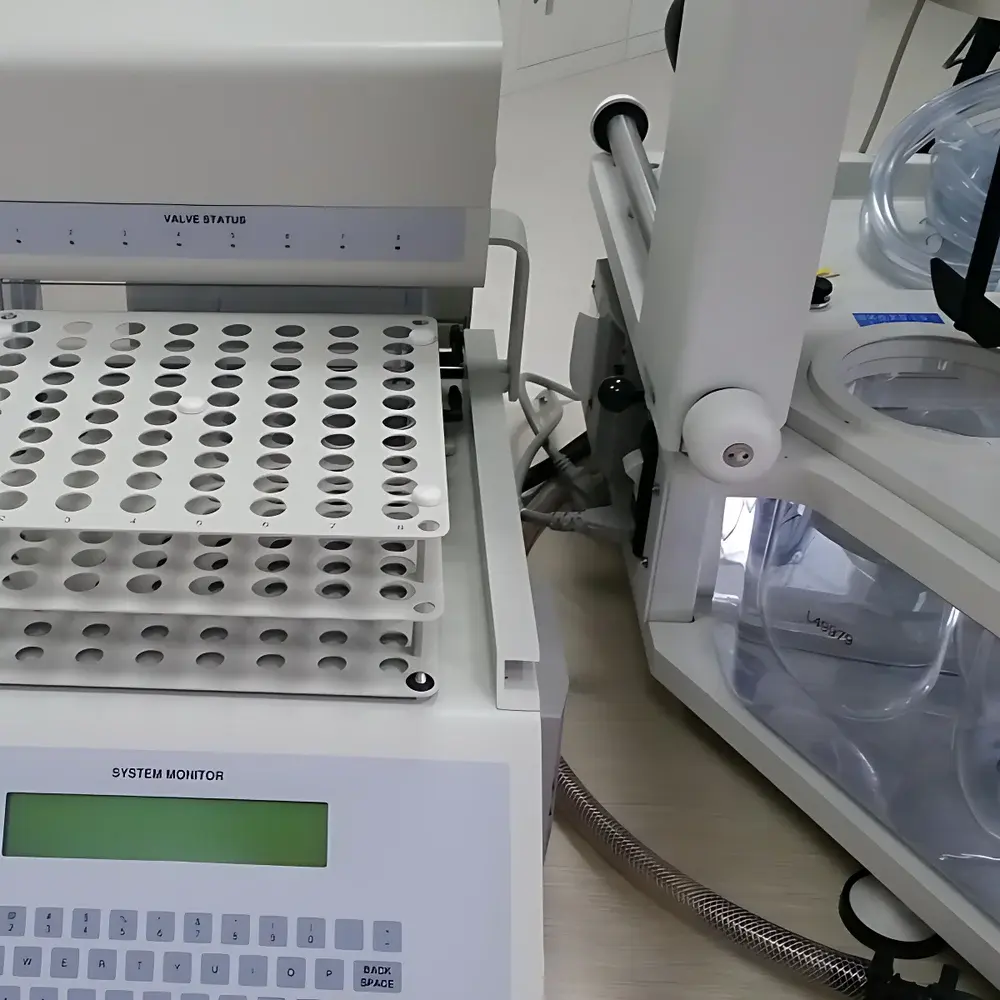
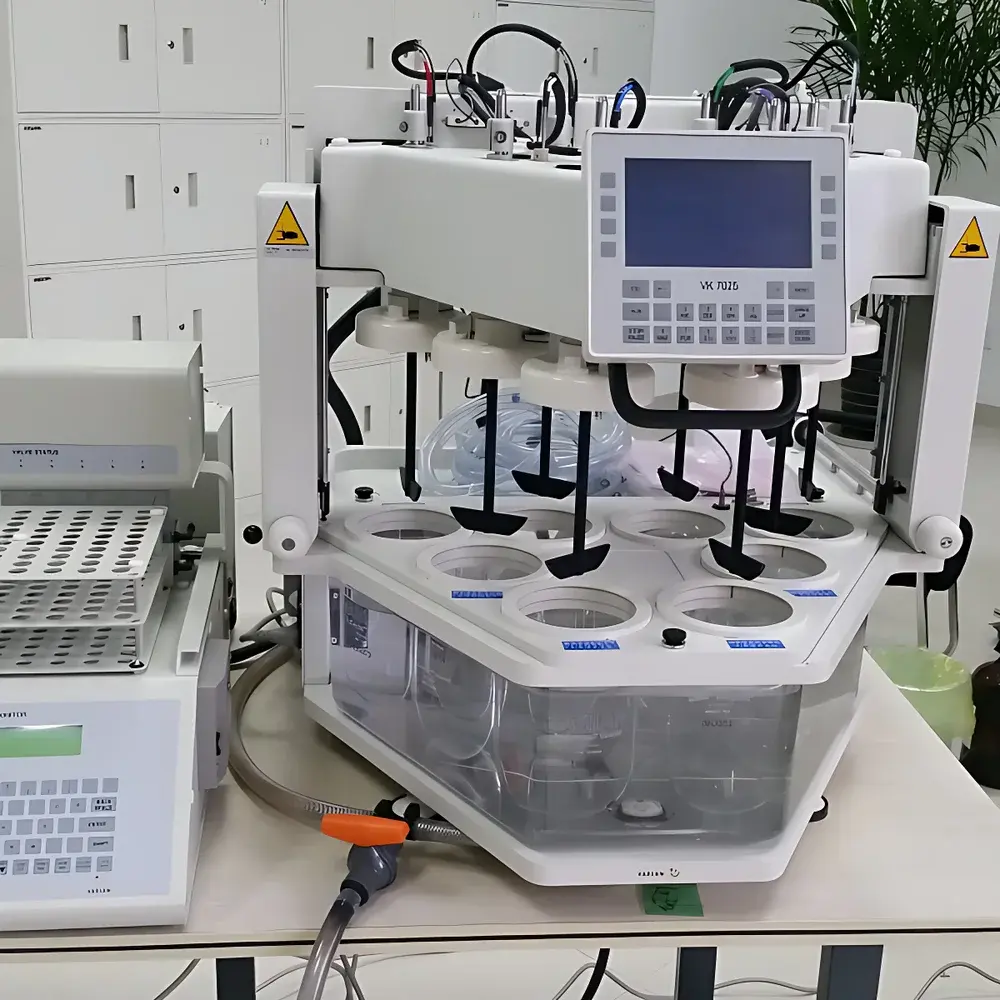
Agilent VK7025 Dissolution Tester
| Brand | Agilent Technologies |
|---|---|
| Origin | USA |
| Manufacturer Type | Authorized Distributor |
| Product Origin | Imported |
| Model | Agilent VK7025 Dissolution Tester |
| Price Range | USD 1,400 – 4,200 (FOB) |
| Instrument Age | 4–5 years |
Overview
The Agilent VK7025 Dissolution Tester is a precision-engineered, V-shaped automated dissolution system originally developed by Varian (acquired by Agilent in 2010) and widely adopted in pharmaceutical R&D, QC laboratories, and contract research organizations (CROs). It operates on the principles of USP Apparatus 1 (basket) and Apparatus 2 (paddle), delivering high reproducibility in drug release profiling under controlled hydrodynamic and thermal conditions. Its modular architecture supports full compliance with pharmacopeial standards—including United States Pharmacopeia (USP), European Pharmacopoeia (EP), Japanese Pharmacopoeia (JP), and Chinese Pharmacopoeia (ChP)—and integrates seamlessly into GLP- and GMP-regulated environments. The VK7025’s patented TruCenter™ cup alignment system, low-profile mechanical design, and independent cup-level temperature monitoring ensure minimal measurement variability across all 6 or 8 vessels—critical for method validation and regulatory submissions.
Key Features
- Automated sample probe升降 mechanism: Sampling needles descend only during scheduled sampling events—eliminating continuous immersion and minimizing hydrodynamic disturbance.
- Dual-mode Drug Delivery Module (DDM): Programmable synchronous or sequential dosing to initiate dissolution at precise t=0 across multiple vessels.
- Individual, motorized temperature probes per dissolution vessel: Real-time, logged cup-specific temperature data compliant with FDA 21 CFR Part 11 audit trail requirements.
- Quick-release PETG water bath tank with integrated dome-shaped anti-evaporation lids: Ensures constant dissolution medium volume and simplifies cleaning and maintenance.
- TruCenter™ magnetic cup retention system: Enables rapid, repeatable centering without manual adjustment—reducing setup time and operator-induced error.
- V-shaped chassis geometry: Optimizes benchtop footprint while enabling unobstructed visual monitoring of dissolution behavior across all vessels.
- Interchangeable basket/paddle assemblies: Height calibration remains valid when switching between USP Apparatus 1 and 2 configurations—no recalibration required.
- Backlit 4×40 character LCD with password-protected parameter access: Supports secure user-level permissions and configurable alarm thresholds for temperature, time, and maintenance intervals.
- Integrated dot-matrix printer: Generates hard-copy records of method parameters, runtime logs, and calibration events—fully traceable for audit purposes.
Sample Compatibility & Compliance
The VK7025 accommodates standard 1 L dissolution vessels as well as optional 100 mL, 200 mL, and 2 L configurations—enabling flexibility for immediate-release, extended-release, and pediatric dosage forms. Its thermal control system maintains ±0.2 °C stability across the operating range of 25–45 °C using an external recirculating chiller with low-vibration pump architecture. All mechanical and thermal performance criteria meet or exceed USP <711>, EP 2.9.3, JP XVII, and ChP General Chapter 0931 requirements. The instrument’s firmware and hardware architecture are validated for use in regulated environments; electronic records—including timestamps, setpoint deviations, and user actions—are structured to support 21 CFR Part 11 compliance when paired with appropriate software configuration and administrative controls.
Software & Data Management
While the VK7025 operates as a standalone unit with embedded firmware, it is fully compatible with Agilent’s legacy Dissolution Workstation software (v3.x) and third-party LIMS-integrated platforms via RS-232 or optional Ethernet interface. The system supports programmable method storage (up to 15 protocols), scheduled start-up, automatic probe calibration logging, and preventive maintenance alerts based on cumulative shaft rotation hours. All temperature, rotation speed, sampling timing, and alarm event data are timestamped and exportable in CSV format. When deployed with Agilent’s UV-Vis spectrophotometers (e.g., Cary 60) or HPLC systems, the platform enables end-to-end dissolution–analysis workflows—including auto-dilution, peak integration, and release profile reporting—with full electronic signature and audit trail functionality.
Applications
This dissolution tester is routinely deployed in formulation development (e.g., excipient screening, polymer matrix optimization), quality control batch release testing, stability-indicating method development, and bioequivalence studies. Its DDM and synchronized sampling capabilities make it especially suitable for comparative dissolution testing of generic products against reference listed drugs (RLDs). The system’s robustness and reproducibility also support regulatory filing packages for ANDA, NDA, and MAA submissions. In academic and preclinical settings, it serves as a platform for studying pH-dependent release kinetics (e.g., enteric-coated tablets) when used in conjunction with BIO-DIS-compatible accessories or multi-pH cycling modules.
FAQ
Is the VK7025 compatible with current Agilent dissolution software platforms?
Yes—the instrument communicates natively with Agilent Dissolution Workstation v3.5 and later versions via standard serial protocols; firmware updates are available through authorized service partners.
Does this unit include full validation documentation (IQ/OQ/PQ)?
As a second-hand instrument, original validation records are not included; however, comprehensive OQ test protocols and templates are provided with purchase, and qualified engineers can perform site-specific IQ/OQ execution upon request.
Can the VK7025 be upgraded to support 12-vessel operation?
No—the VK7025 is a fixed 6- or 8-vessel platform; expansion beyond its native configuration is not supported. For higher throughput, Agilent recommends the VK8000 series with modular autosampler integration.
What maintenance intervals are recommended for long-term reliability?
Motorized lift mechanisms and temperature probe calibration should be verified quarterly; shaft bearings and drive belts require inspection every 12 months or after 2,000 operational hours—whichever occurs first.
Is 21 CFR Part 11 compliance achievable out-of-the-box?
The hardware supports audit-trail-capable data logging, but full Part 11 compliance requires implementation of procedural controls (e.g., role-based access, electronic signatures) and validated software configuration—services available through certified Agilent support partners.