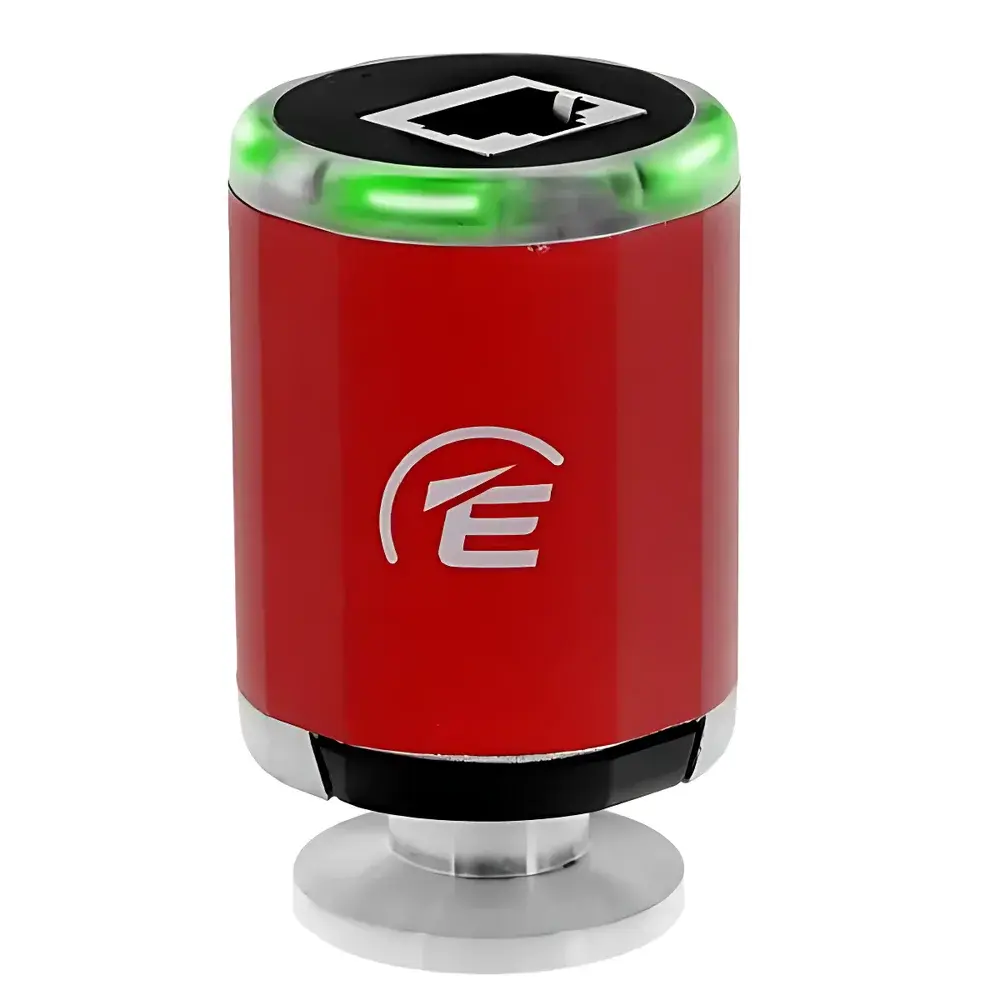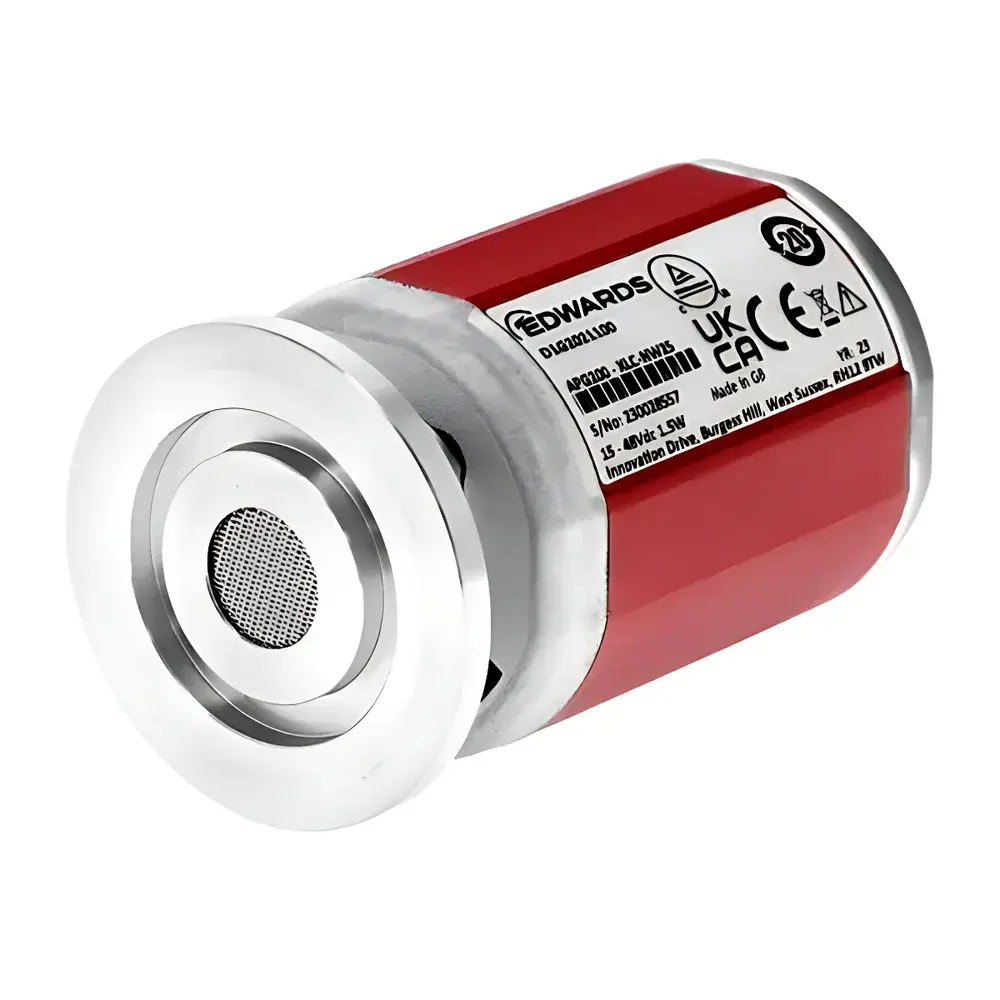
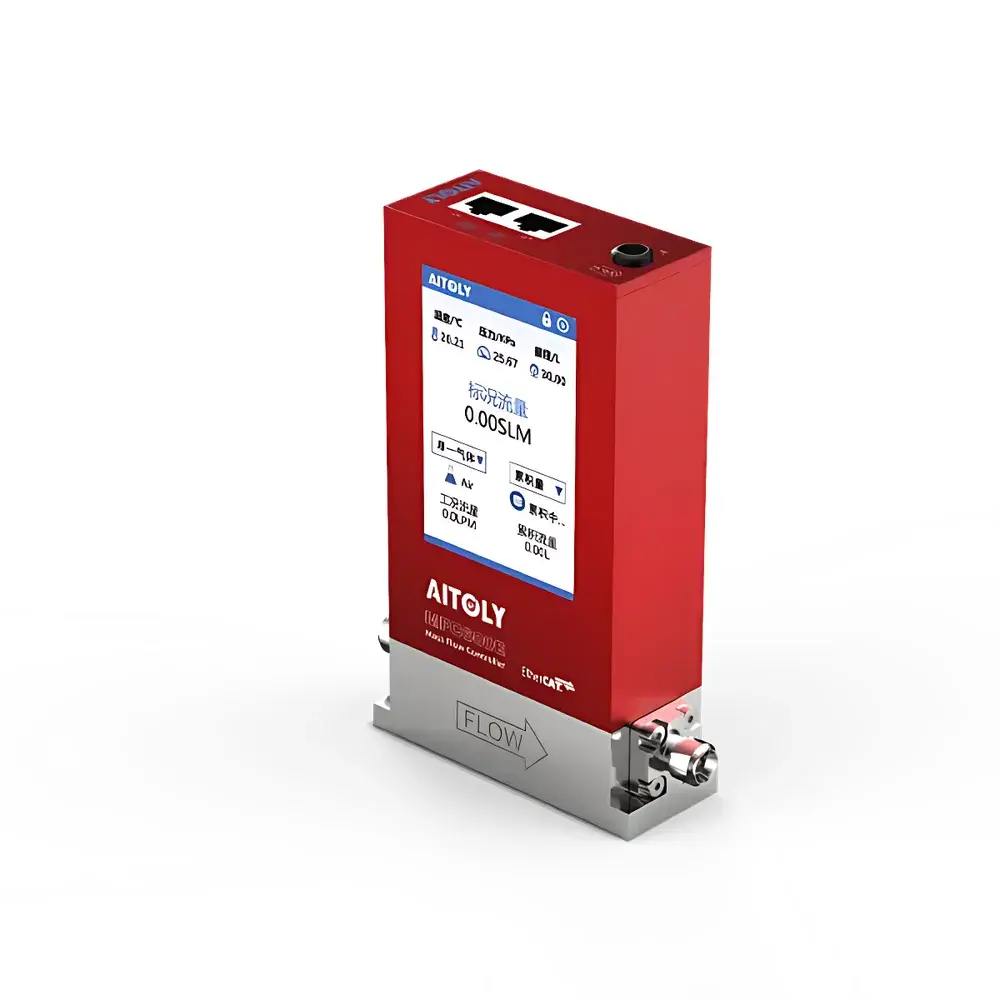
Aitoly MFC600 Laminar Flow Differential Pressure Gas Mass Flow Controller
| Brand | Aitoly |
|---|---|
| Model | MFC600 |
| Type | Thermal Mass Flow Controller (Laminar Flow + DP-Based Compensation) |
| Accuracy | ±0.2% FS |
| Repeatability | ±0.05% FS |
| Linearity | ±0.1% FS |
| Control Range | 1–100% FS (100:1 turndown) |
| Response Time | 5 ms (measurement), 100 ms (control) |
| Valve Type | Normally Closed Proportional Solenoid Valve |
| Seal Options | FKM (leak rate ≤1×10⁻¹⁰ Pa·m³/s He), All-Metal (≤1×10⁻¹¹ Pa·m³/s He) |
| Resolution | 0.001 sccm |
| Gas Compatibility | >130 pre-calibrated gases |
| Flow Range | 0–1, 5, 10, 20, 50, 100, 300, 500 sccm |
| Compensation | Integrated T&P compensation |
| Output Interfaces | 0–5 V / 0–10 V / 4–20 mA analog |
| Operating Environment | Clean, dry, non-corrosive gases only |
Overview
The Aitoly MFC600 is a high-performance laminar flow differential pressure-based gas mass flow controller engineered for precision measurement and closed-loop control of clean, dry process gases in analytical, semiconductor, vacuum coating, and laboratory automation applications. Unlike conventional thermal dispersion or capillary-based controllers, the MFC600 employs a dual-sensor architecture: a laminar flow element (LFE) generates a stable, fully developed Poiseuille flow profile, while a differential pressure transducer measures the pressure drop across the LFE. This ΔP signal—combined with real-time temperature and absolute pressure readings from integrated sensors—is processed by an embedded microcontroller running proprietary compensation algorithms to compute true mass flow under standard conditions (sccm, slm) and actual operating conditions (acfm, lpm). The system’s zero preheat requirement and 5 ms measurement latency enable immediate stabilization post-power-on, supporting rapid cycle automation and dynamic gas blending protocols.
Key Features
- High-accuracy laminar flow + differential pressure sensing architecture with active thermal and barometric compensation
- ±0.2% full-scale accuracy and ±0.05% full-scale repeatability over 100:1 control range (1–100% FS)
- Sub-100 ms total control loop response time, validated per IEC 61508 functional safety timing guidelines
- Zero warm-up delay: operational within milliseconds of power application—critical for pulsed-flow and intermittent process control
- Multi-gas support: factory-calibrated for over 130 gases including N₂, O₂, Ar, He, H₂, CO₂, NH₃, CH₄, and specialty process mixtures; gas selection via digital command or DIP-switch configuration
- Dual-output capability: simultaneous reporting of both standard-state (STP, 0 °C/101.325 kPa) and actual-condition flow rates
- Robust valve design: normally closed proportional solenoid actuator with optional FKM or all-metal sealing; helium leak rates compliant with ISO 10648-2 Class 2 (≤1×10⁻¹¹ Pa·m³/s)
- High-resolution digital control: 0.001 sccm minimum setpoint increment, enabling micro-dosing applications in CVD, ALD, and gas chromatography carrier systems
Sample Compatibility & Compliance
The MFC600 is designed exclusively for use with clean, dry, non-aggressive, particle-free gases. It is incompatible with vapors, aerosols, condensable species, or corrosive media (e.g., Cl₂, HF, HCl beyond trace levels). All wetted materials—including stainless steel LFE body, Hastelloy C-276 pressure ports, and FKM or metal-seated valves—conform to ASTM F809 and SEMI F57 standards for semiconductor tool compatibility. The device meets CE marking requirements under the EU Electromagnetic Compatibility Directive 2014/30/EU and Low Voltage Directive 2014/35/EU. Firmware supports audit-trail-enabled operation per FDA 21 CFR Part 11 when paired with compliant host software, and data logging complies with GLP/GMP Annex 11 principles for traceability and integrity.
Software & Data Management
The MFC600 supports native ASCII protocol over all digital interfaces (RS232/RS485/CAN/DeviceNet/Profibus/EtherCAT), enabling seamless integration into LabVIEW, Python (PySerial/Canlib), MATLAB, and PLC-based SCADA environments. Aitoly’s optional MFC-ConfigSuite provides graphical setup, multi-device synchronization, batch calibration import/export, and real-time trend visualization. All communication includes CRC-16 error checking and configurable timeout handling. Analog outputs are isolated and linearized per NIST-traceable calibration certificates (available optionally). Firmware updates are performed via secure bootloader using signed .bin files, preserving configuration integrity across revisions.
Applications
- Semiconductor fabrication: Precise dopant gas delivery in diffusion furnaces and epitaxial reactors
- Gas chromatography: Carrier and make-up gas flow regulation with sub-second stability
- Fuel cell R&D: Stoichiometric air and hydrogen feed control under variable backpressure
- Vacuum thin-film deposition: Reactive gas metering in sputtering and PECVD tools
- Environmental simulation chambers: Multi-gas mixing for accelerated aging and emissions testing
- Medical device validation: Calibration gas generation for breath analyzers and ventilator testers
- Research laboratories: Programmable gas blending for catalysis, combustion, and plasma studies
FAQ
Does the MFC600 require zero or span calibration before use?
No—factory calibration is retained across power cycles; zero drift is compensated automatically during operation via internal reference algorithms.
Can the MFC600 be used with humidified or mixed-phase gases?
No. Condensation or particulate contamination will impair laminar flow development and damage the DP sensor; inlet filtration (0.01 µm) and desiccation are mandatory.
Is NIST-traceable calibration documentation included?
Yes—each unit ships with a certificate of conformance; NIST-traceable calibration reports (including uncertainty budgets) are available as a configurable option.
How is gas switching implemented in multi-gas systems?
Gas selection is executed via ASCII command (e.g., “GAS=HE”) or hardware DIP switch; no recalibration is needed—the controller applies stored viscosity, thermal conductivity, and compressibility coefficients internally.
What is the maximum allowable upstream pressure for full-range operation?
Rated for 1.0 MPa (10 bar) maximum inlet pressure; optimal performance is achieved at 0.1–0.6 MPa, depending on selected flow range and gas type.