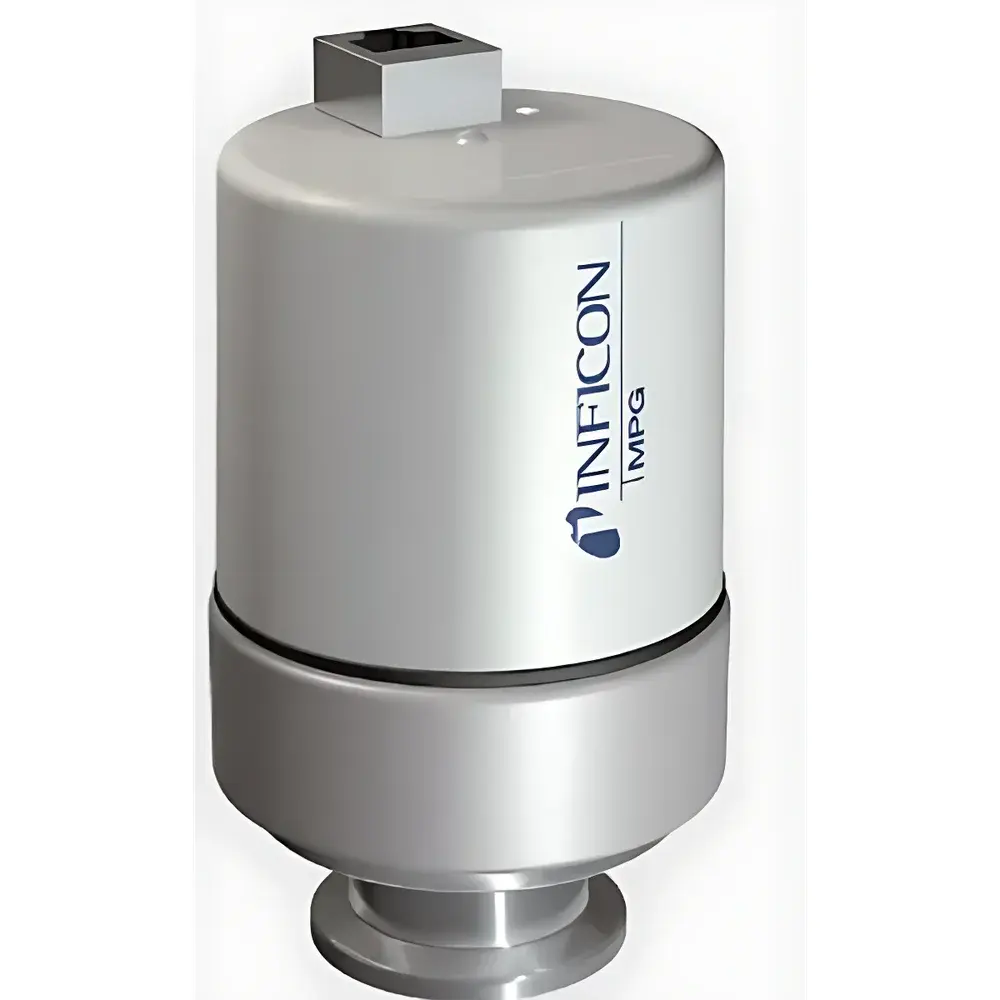
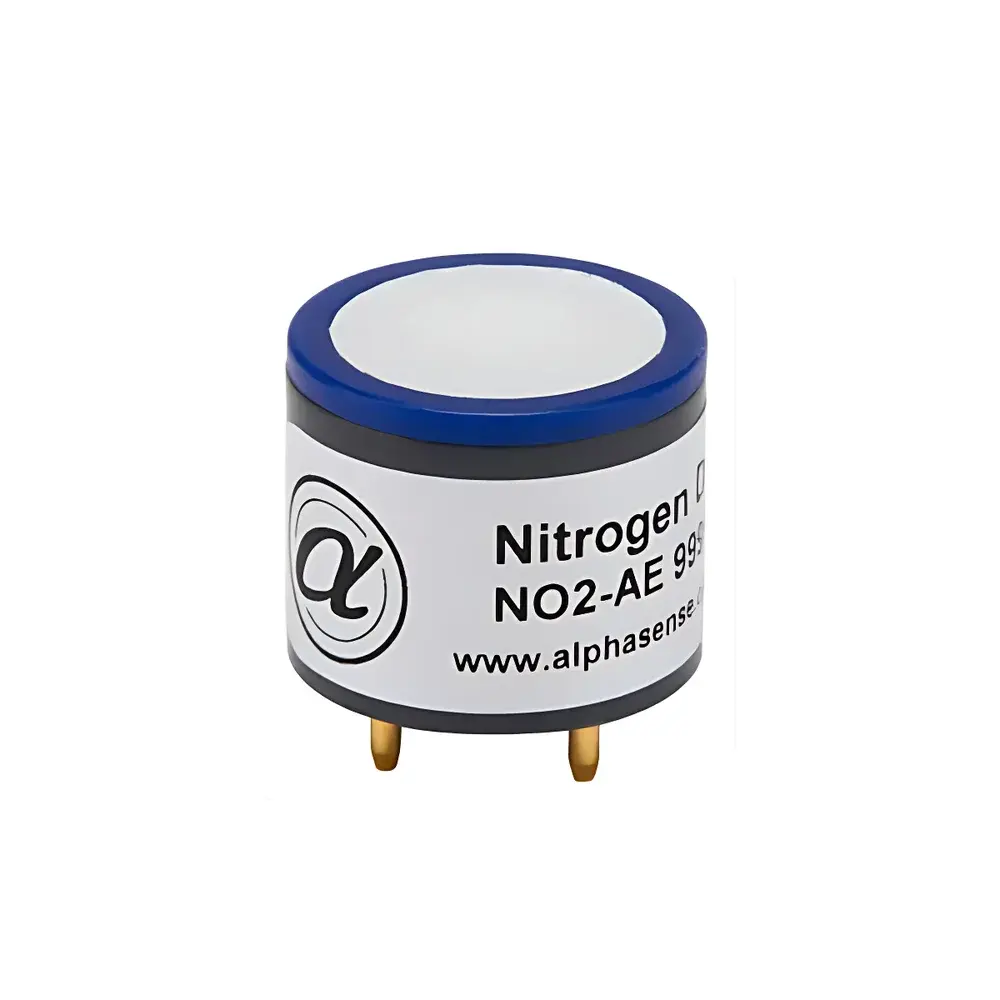
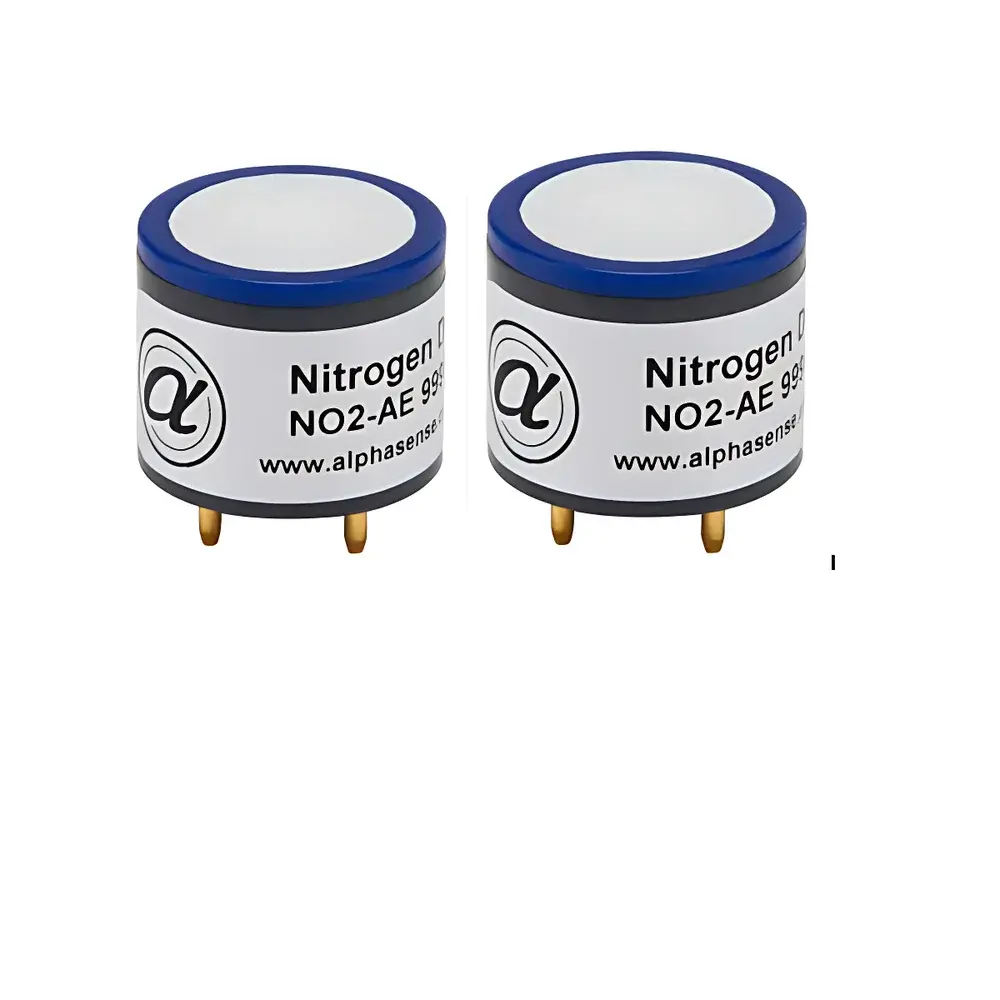
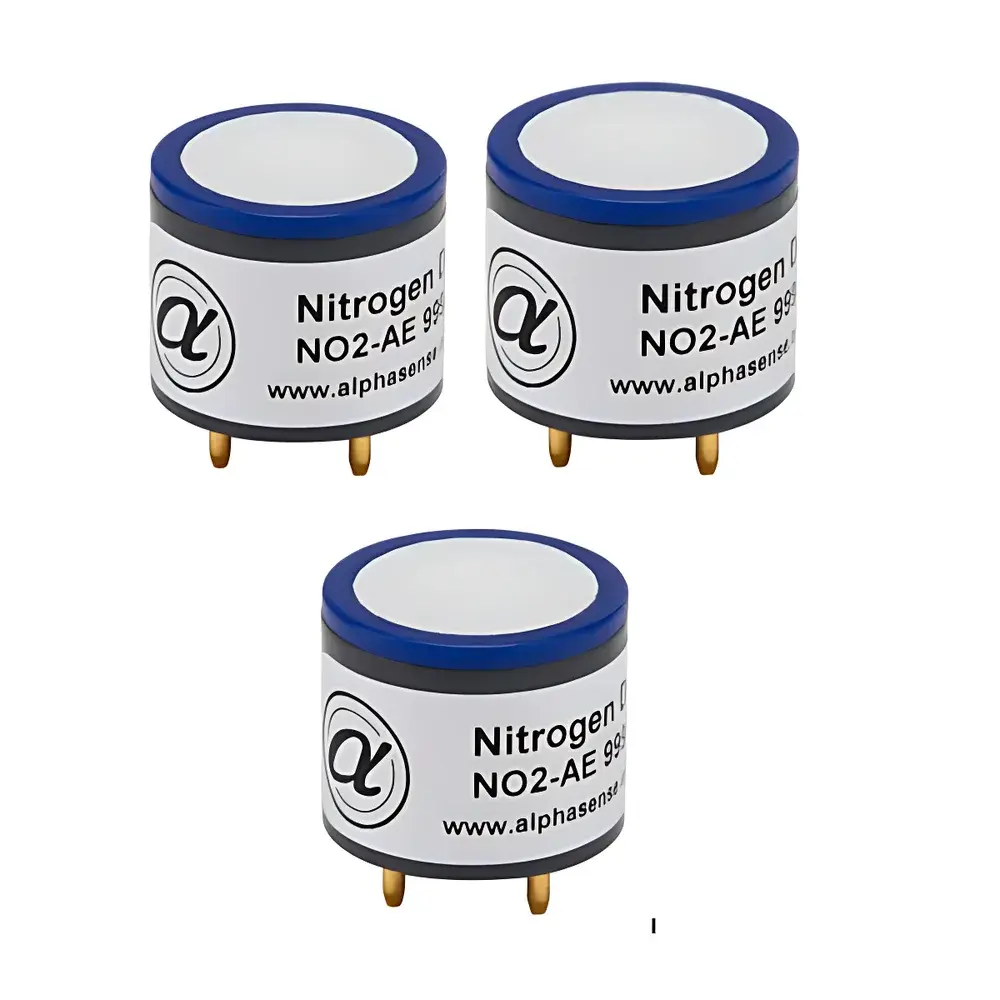
Alphasense NO2-AE High-Range Electrochemical Nitrogen Dioxide Sensor
| Brand | Alphasense |
|---|---|
| Origin | UK |
| Model | NO2-AE |
| Measurement Range | 0–200 ppm |
| Sensitivity | −70 to −170 nA/ppm |
| Response Time (t₉₀) | <40 s |
| Linear Range | 2–11 ppm |
| Overload Capacity | 1000 ppm |
| Resolution | ≤0.1 ppm |
| Dimensions | Ø20.2 × 16.5 mm |
| Operating Temperature | −20 to +50 °C |
| Operating Humidity | 15–90 %RH (non-condensing) |
| Load Resistance | 33 Ω |
| Expected Service Life | 24 months |
| Storage Shelf Life | 6 months |
Overview
The Alphasense NO2-AE is a high-range, three-electrode electrochemical sensor engineered for the selective and stable detection of nitrogen dioxide (NO₂) in ambient air, industrial hygiene, and fixed or portable gas monitoring systems. Based on amperometric transduction, the sensor operates via diffusion-controlled electrochemical oxidation of NO₂ at the working electrode, generating a current proportional to gas concentration. Its robust design incorporates a hydrophobic PTFE membrane to regulate gas diffusion and mitigate interference from humidity, particulates, and condensate—critical for field-deployed applications where environmental variability is significant. Unlike low-range variants optimized for ambient air quality compliance (e.g., EU Directive 2008/50/EC), the NO2-AE is specifically calibrated for demanding environments requiring extended dynamic range up to 200 ppm, including occupational safety assessments, stack emission pre-screening, and emergency response instrumentation.
Key Features
- High-range linear response up to 200 ppm NO₂ with overload tolerance to 1000 ppm—enabling safe operation during transient exposure events without sensor saturation or permanent drift.
- Three-electrode architecture (working, counter, reference) ensures stable baseline and improved immunity to temperature-induced zero shifts and background current drift.
- Optimized sensitivity range of −70 to −170 nA/ppm provides flexibility for analog signal conditioning across diverse OEM circuit designs, supporting both low-noise 24-bit ADC interfaces and standard 4–20 mA transmitter modules.
- Fast t₉₀ response time (<40 seconds) meets IEC 60079-29-1 requirements for real-time hazard detection in confined space entry and leak surveillance applications.
- Compact cylindrical form factor (Ø20.2 × 16.5 mm) facilitates integration into space-constrained handheld analyzers, multi-gas detectors, and distributed environmental sensor nodes.
- Factory-calibrated with traceable NIST-traceable NO₂ standards; includes individual calibration certificate with zero and span data under controlled laboratory conditions.
Sample Compatibility & Compliance
The NO2-AE exhibits minimal cross-sensitivity to common interferents: <5% response to 200 ppm CO, <3% to 50 ppm SO₂, and negligible response to NO, Cl₂, H₂S, and VOCs below 100 ppm. It is certified to ATEX II 2G Ex ib IIC T4 Gb and IECEx EXIB IIC T4 GB for use in Zone 1 hazardous areas. The sensor complies with ISO 16000-25 for indoor air quality monitoring system components and supports GLP-aligned calibration recordkeeping when used with compliant data acquisition hardware. While not intrinsically certified for continuous regulatory reporting, its performance characteristics align with EPA Method TO-11A verification criteria for electrochemical NO₂ sensors deployed in non-reference-grade screening networks.
Software & Data Management
When integrated into OEM instruments, the NO2-AE outputs a raw analog current signal requiring external signal conditioning—including temperature compensation (via integrated NTC thermistor), humidity correction (using optional RH input), and linearization for concentrations beyond the native 2–11 ppm linear range. Alphasense provides comprehensive technical documentation, including full electrical interface schematics, temperature compensation algorithms (polynomial coefficients supplied per batch), and aging trend data for predictive maintenance scheduling. For systems requiring audit-ready data integrity, the sensor is compatible with firmware implementing FDA 21 CFR Part 11-compliant electronic signatures and secure calibration log storage when paired with validated microcontroller platforms.
Applications
- Occupational health monitoring in chemical manufacturing, wastewater treatment, and nitric acid production facilities where short-term exposure limits (STEL) of 5 ppm must be enforced.
- Pre-alarm stage detection in fumigation chambers and sterilization tunnels utilizing NO₂-based biocidal agents.
- Mobile emissions testing—mounted on vehicle-mounted survey platforms to map NO₂ hotspots near traffic corridors and ports.
- Indoor air quality (IAQ) dashboards in schools and hospitals where elevated NO₂ levels correlate with combustion appliance malfunction or inadequate ventilation.
- Calibration transfer standards for field validation of optical NO₂ analyzers (e.g., UV photometers) in metrology laboratories.
FAQ
What is the recommended operating humidity range for optimal long-term stability?
The sensor is rated for 15–90% RH (non-condensing). Prolonged exposure above 90% RH may accelerate electrolyte evaporation and reduce service life; use of desiccant cartridges or active humidity control is advised in high-humidity deployments.
Can the NO2-AE be used in oxygen-deficient environments?
Yes—it contains an internal auxiliary oxygen electrode to sustain electrochemical reaction kinetics; however, operation below 10% O₂ may gradually attenuate sensitivity and requires site-specific validation.
Is factory recalibration available after 24 months?
Alphasense offers post-warranty recalibration services with full traceability to UKAS-accredited gas standards; users should retain original calibration certificates and batch-specific aging curves for metrological continuity.
Does the sensor require periodic zeroing in the field?
Zero adjustment is not required under normal operation; however, automated zero cycles (using clean air purge) are recommended every 30 days in high-interference environments to maintain baseline fidelity.
How does storage duration affect sensor readiness?
Storage beyond 6 months at room temperature may result in elevated initial zero current; a minimum 24-hour stabilization period in clean air is required prior to first use after extended storage.