
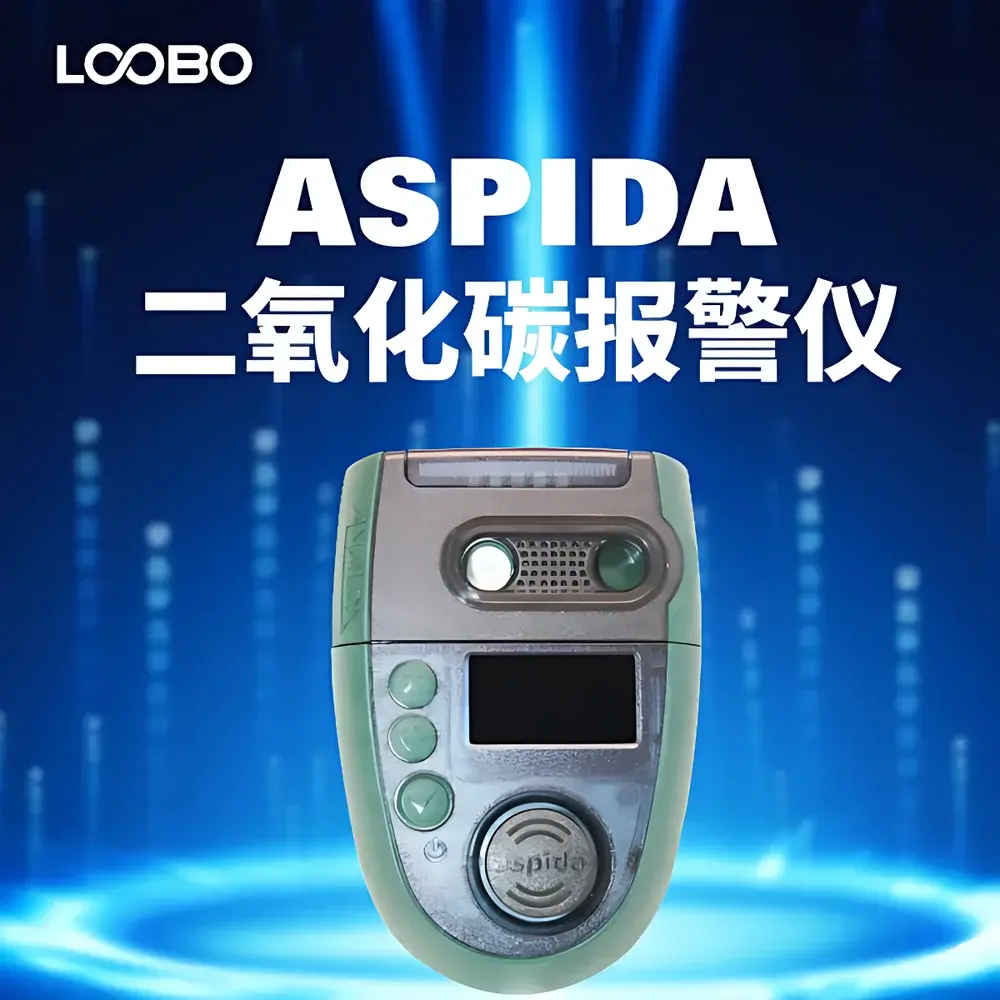
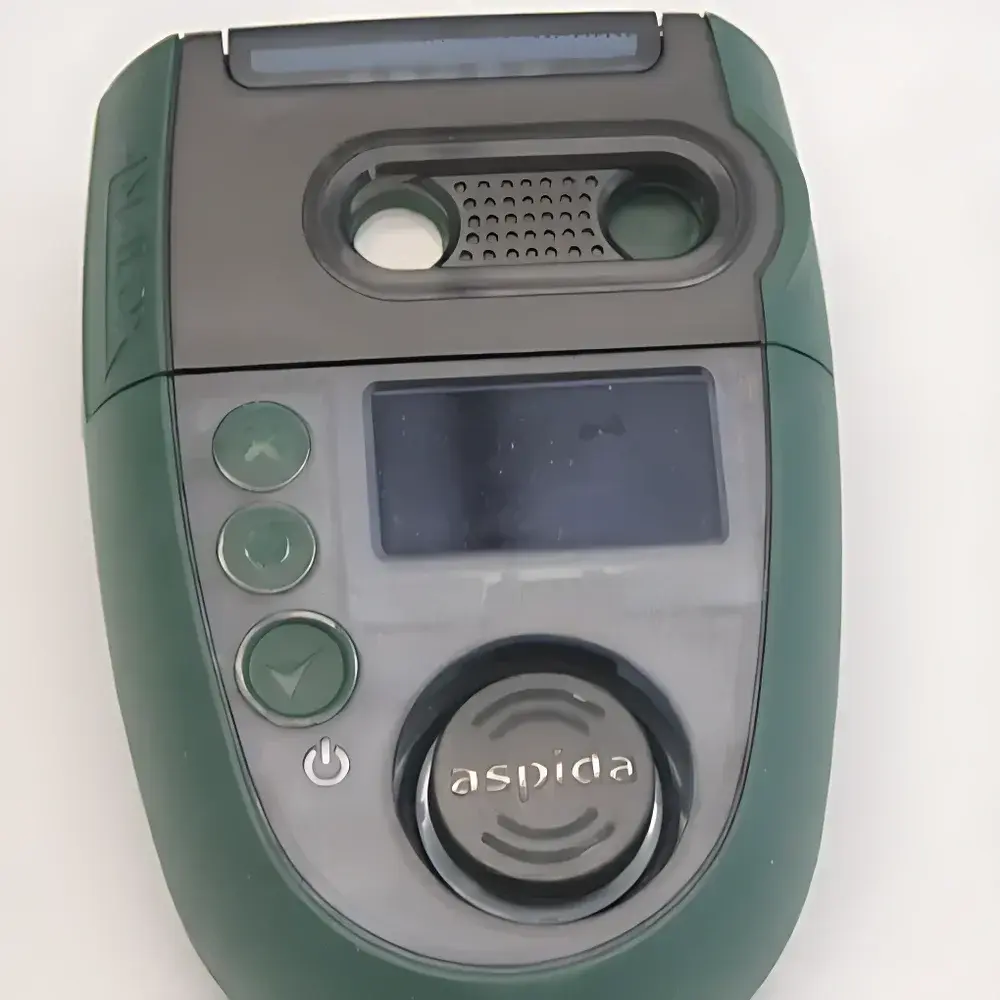
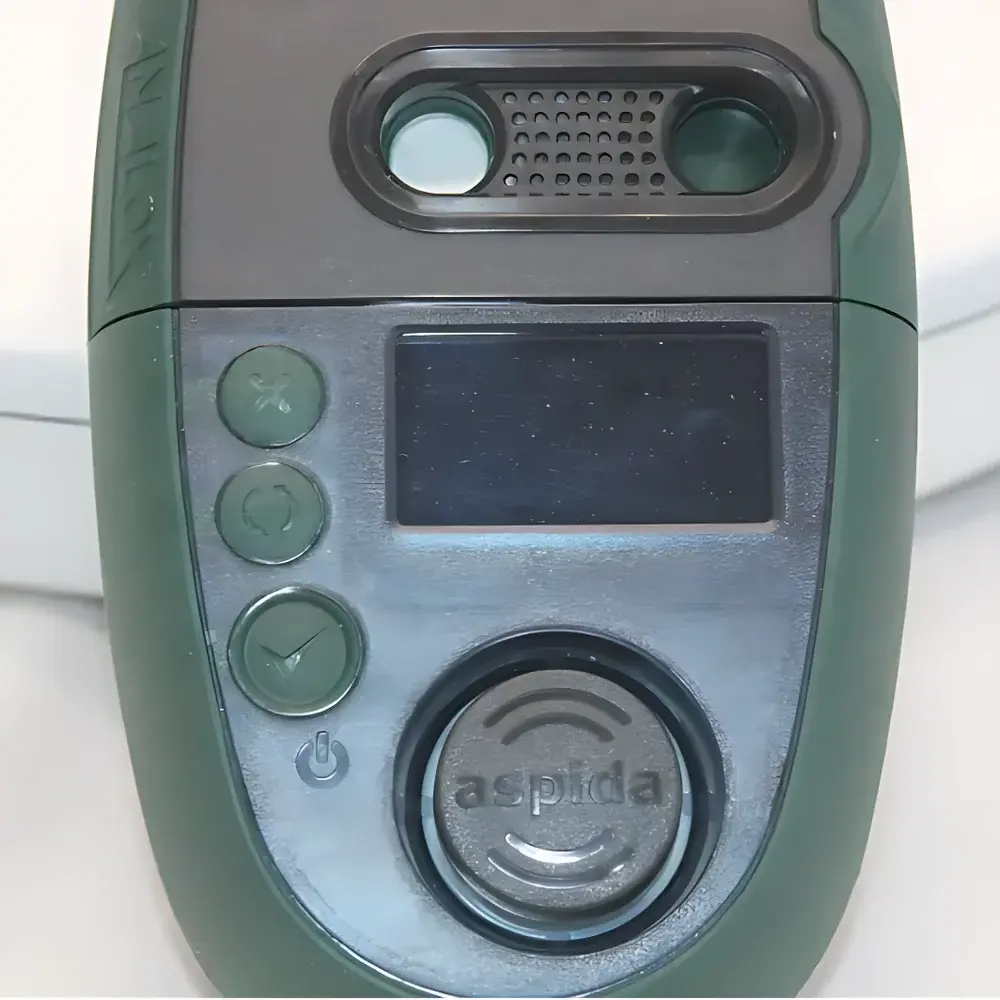
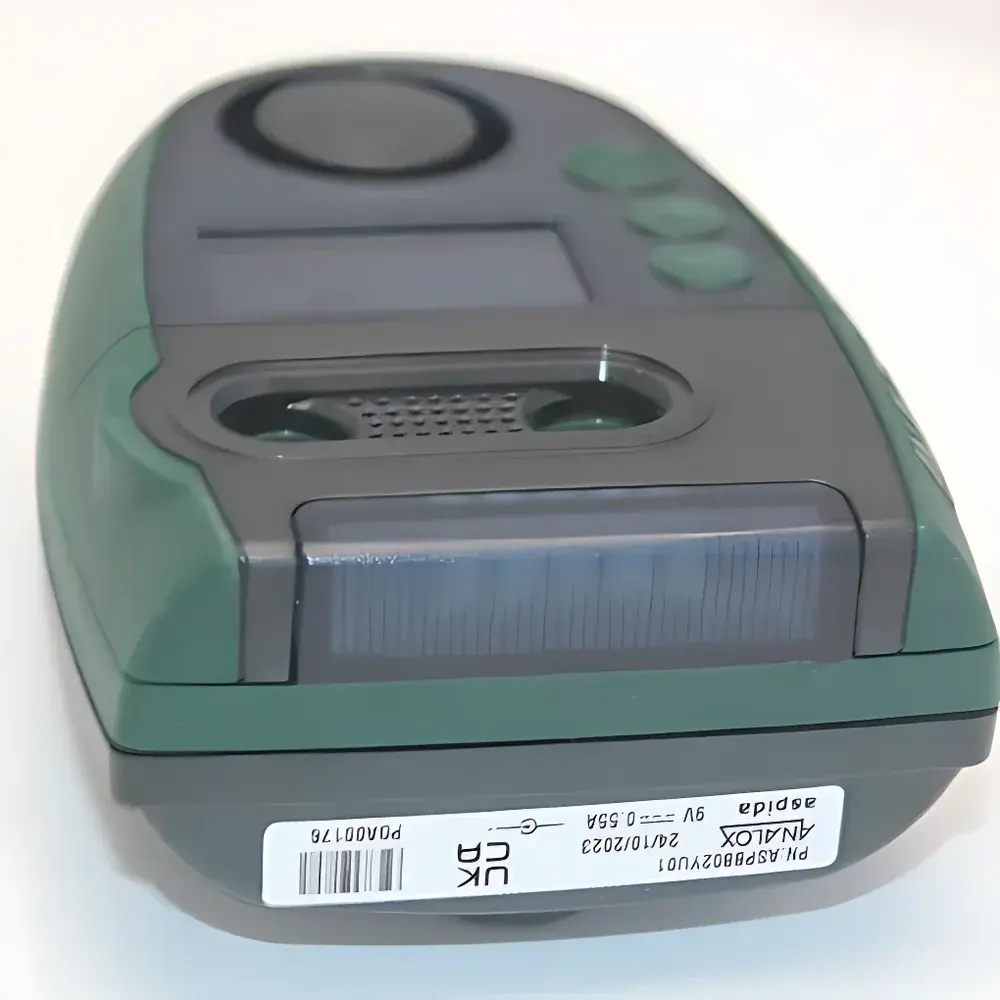
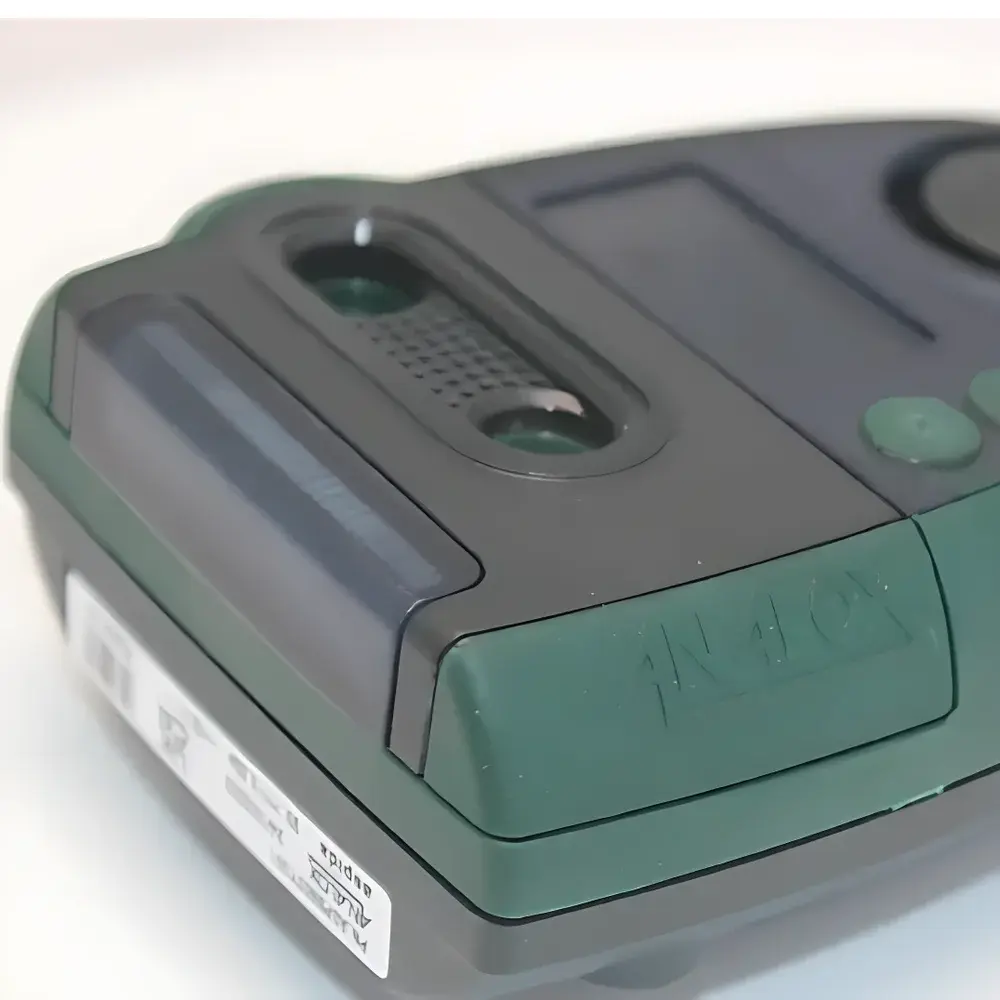
Analox Aspida Portable Carbon Dioxide (CO₂) Gas Detector
| Brand | Analox |
|---|---|
| Origin | United Kingdom |
| Model | Aspida |
| Instrument Type | Portable |
| Detection Target | Single-Gas (CO₂) |
| Measurement Range | 0.01–5% vol CO₂ |
| Repeatability | ±2% FS (0.01–2.5% vol), ±3% FS (2.5–5% vol) |
| Resolution | 0.01% vol |
| Response Time (T90) | 20 s |
| Zero Drift | ≤±5% FS |
| Span Drift | ≤±1% FS |
| Linearity Error | ≤±2% FS |
| Operating Temperature | −5 to +50 °C |
| IP Rating | IP65 |
| EMC Compliance | 2004/108/EC |
| Battery Life | 12 h (fully charged or with two AA batteries) |
| Audible Alarm | 95 dB @ 30 cm |
| Man-Down / Emergency Alarm | 110 dB @ 30 cm |
| Visual Indicators | Green (OK), Yellow (Fault), Triple Red (Alarm) |
| Alarm Configuration | Three user-set CO₂ concentration thresholds + one TWA alarm |
Overview
The Analox Aspida Portable Carbon Dioxide (CO₂) Gas Detector is an intrinsically safe, field-deployable single-gas monitor engineered for real-time detection and alarm response in occupational and confined-space environments. Utilizing non-dispersive infrared (NDIR) sensing technology, the Aspida delivers stable, selective, and interference-resistant measurement of carbon dioxide across a calibrated range of 0.01–5% volume concentration. Designed and manufactured by Analox Sensor Technology — a UK-based specialist in electrochemical and optical gas sensing since 1982 — the Aspida meets rigorous industrial safety requirements for personnel protection, process monitoring, and environmental compliance. Its compact form factor, robust mechanical architecture, and dual-power flexibility (rechargeable or standard AA cells) make it suitable for continuous wear in agriculture, fermentation facilities, mushroom cultivation, breweries, cold storage, HVAC maintenance, and laboratory support roles where CO₂ accumulation poses acute asphyxiation risk.
Key Features
- NDIR-based CO₂ sensor with inherent selectivity against common interferents (e.g., CO, CH₄, H₂O vapor)
- High-contrast OLED display providing real-time concentration, battery status, alarm history, and operational diagnostics
- Triple-stage visual alarm system: green (normal operation), amber (fault or calibration due), triple red (gas or man-down alert)
- Dual-mode audible alarm: 95 dB (standard CO₂ alarm) and 110 dB (man-down or manual emergency activation) at 30 cm
- Vibration alert integrated for high-noise environments where audible cues may be masked
- Smart maintenance scheduling via embedded firmware — automatically logs sensor health metrics and notifies users when calibration, bump test, or filter replacement is required
- Time-weighted average (TWA) calculation compliant with OSHA PEL and ACGIH TLV methodologies
- Configurable alarm thresholds: three independent CO₂ concentration setpoints plus dedicated TWA alarm
- IP65-rated enclosure ensuring dust-tightness and resistance to low-pressure water jets — validated per IEC 60529
- EMC conformity to EU Directive 2004/108/EC for electromagnetic compatibility in industrial settings
Sample Compatibility & Compliance
The Aspida is optimized for ambient air sampling in non-corrosive, non-condensing atmospheres. It is not intended for use in explosive gas atmospheres beyond its certified ATEX/IECEx zone classification (Class I, Division 2, Group A–D; Zone 2, IIA–IIB). The instrument complies with ISO 10156 for gas mixture compatibility and adheres to EN 50104:2017 for CO₂-specific detector performance criteria. Calibration traceability follows UKAS-accredited standards, and routine verification aligns with ISO 4031 and ASTM D5402 practices. While not FDA 21 CFR Part 11–compliant out-of-the-box, audit-ready data logging (with timestamp, event type, and concentration) supports GLP/GMP-aligned documentation workflows when exported via USB interface.
Software & Data Management
Data capture is handled internally via non-volatile memory supporting up to 10,000 timestamped records, including gas readings, alarm events, battery voltage, and self-test results. Export is performed via micro-USB connection using Analox’s proprietary PC software (Aspida Manager v3.x), which enables report generation in CSV and PDF formats, trend visualization, and export to LIMS-compatible schemas. Firmware updates are delivered via signed binary packages to ensure integrity; all configuration changes are logged with user ID and timestamp. The device supports dual-user registration with role-based access control — essential for shared-use scenarios in multi-shift operations or contract labor environments.
Applications
- Confined space entry monitoring (tanks, silos, fermentation vessels, wine cellars)
- Occupational hygiene surveillance in indoor farming, mushroom production, and vertical agriculture
- Leak detection and ventilation validation in CO₂-enriched grow rooms and controlled-environment chambers
- Personal safety backup during HVAC commissioning, ductwork inspection, or refrigeration service
- Emergency response pre-screening prior to entry into suspected CO₂-hazard zones
- Process support in beverage carbonation, dry ice handling, and biogas upgrading facilities
FAQ
What is the sensor technology used in the Aspida for CO₂ detection?
Non-dispersive infrared (NDIR) absorption spectroscopy at 4.26 µm wavelength, with temperature-compensated reference channel.
Does the Aspida require periodic calibration, and how is it scheduled?
Yes — zero and span calibration are recommended every 6 months or after exposure to >10% vol CO₂; firmware alerts users based on elapsed time and sensor stability metrics.
Can the Aspida operate in sub-zero temperatures?
It is rated for −5 °C minimum operating temperature; extended exposure below this threshold may affect NDIR source stability and battery discharge rate.
Is data export compliant with regulatory audit requirements?
Raw logs include immutable timestamps and event metadata; when combined with documented calibration certificates and SOPs, they satisfy ISO 17025 and OSHA recordkeeping expectations.
How does the man-down alarm function without motion sensors?
The Aspida integrates a triaxial MEMS accelerometer to detect prolonged immobility (>20 s) followed by absence of orientation change — triggering both audible (110 dB), visual (flashing red), and vibration alerts.







