
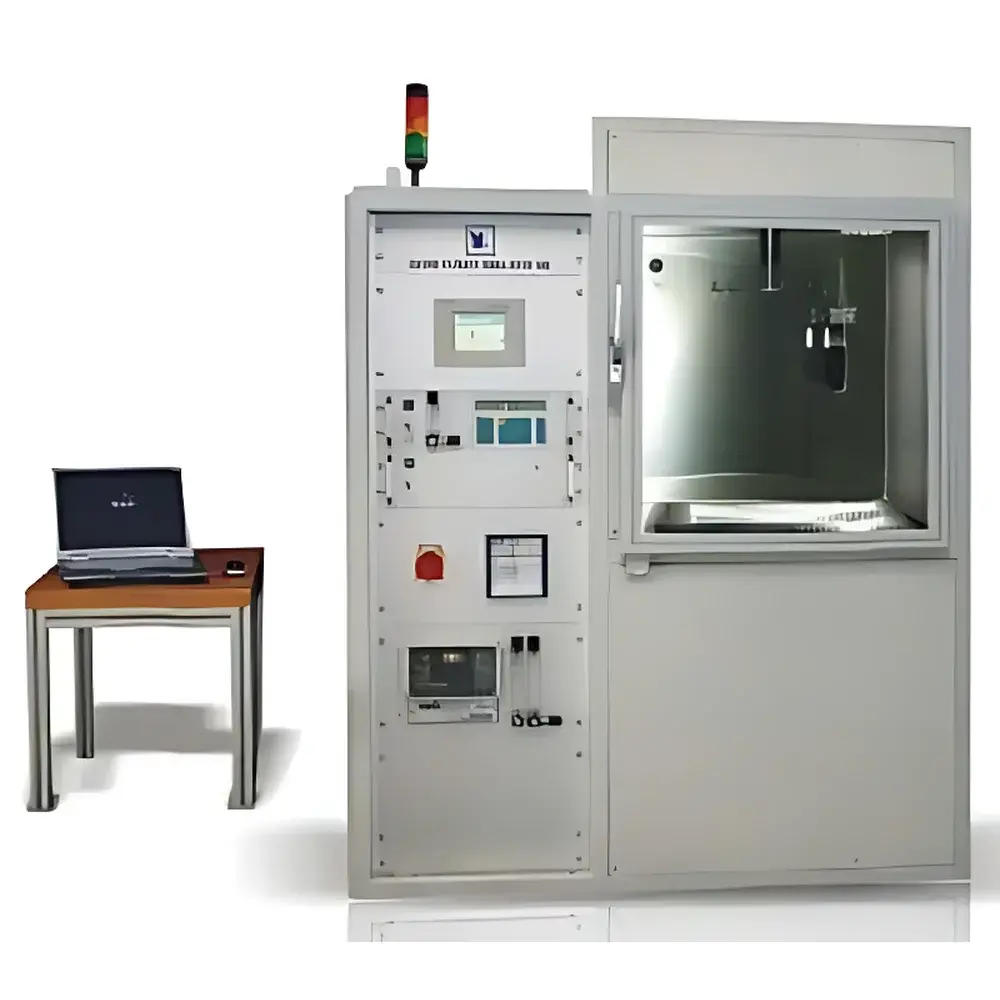
ANSEROS SIM-6300 Ozone Aging Test Chamber
| Brand | ANSEROS |
|---|---|
| Origin | Germany |
| Model | SIM-6300 |
| Internal Dimensions | 680 × 680 × 500 mm |
| External Dimensions | 1610 × 1500 × 1000 mm |
| Gas Flow Velocity | 8–700 mm/s |
| Air Exchange Rate | 50–500 L/min |
| Air Replacement Rate | 1–2000 dm³/h (33 L/min) |
| Temperature Range | RT to 70 °C ±0.5 °C |
| Humidity Range | 30–90 %RH (±1/+4 %RH) |
| Ozone Measurement Principle | Single-beam NDUV Photometry |
| Ozone Concentration Range | 0–1999 mg O₃/Nm³ or 0–1000 ppmv |
| Sensitivity | 0.001 ppmv |
| Accuracy | <1 % SCE |
| Linearity | 98 % SCE |
| Ozone Generation Method | Corona Discharge (COM-ADM) |
| Ozone Output Capacity | 10–2000 mg/h |
| Ozone Flow Rate | 100–2000 NL/h |
| Power Consumption | 3000 W |
| Voltage | 230 V, 10 A |
| Weight | 250 kg |
| Compliant Standards | ASTM D1149, ASTM D2802, ASTM D4246-02, ASTM D4575, ASTM D470, ASTM D518, BS 903 A43, DIN 53509-2-1, FORD FLTM BP101-01, GB/T 11206-2009, GB/T 13642-1992, GB/T 2951.1–2951.10-1997, GB/T 2951.21-2008, GB/T 7762-2003, HG/T 2716-2008, HG/T 2869-1997, ISO 1431-1 & -3, MIL-STD-1344A, NGF 37112, SAE J1401, SIS 16 12 10 |
Overview
The ANSEROS SIM-6300 Ozone Aging Test Chamber is a precision-engineered environmental test system designed for accelerated evaluation of ozone-induced degradation in elastomeric and polymeric materials. Based on the corona discharge ozone generation principle (COM-ADM), it delivers stable, traceable ozone concentrations under tightly controlled temperature and humidity conditions—enabling reproducible simulation of real-world atmospheric aging mechanisms. The chamber operates in accordance with internationally recognized standards including ASTM D1149, ISO 1431-1/-3, and DIN 53509-2-1, making it suitable for R&D laboratories, quality assurance departments, and regulatory-compliant validation workflows in automotive, aerospace, cable, and rubber manufacturing sectors.
Key Features
- Non-destructive, chemical-free ozone monitoring via single-beam NDUV (Near-Deep Ultraviolet) photometry—eliminating reagent dependency and drift associated with wet-chemical methods.
- Integrated automatic compensation for ambient temperature and pressure fluctuations, ensuring measurement stability across variable laboratory environments.
- Continuous unattended operation capability with robust safety interlocks, thermal cut-offs, and ozone destruct catalysts for fail-safe shutdown.
- High-resolution ozone control (0.001 ppmv sensitivity) and dynamic concentration adjustment (0–1000 ppmv range) via closed-loop feedback from the NDUV sensor.
- Modular corona discharge ozone generator (patented DE 19752769 and US 5334346) with adjustable output (10–2000 mg/h) and calibrated flow regulation (100–2000 NL/h).
- Stainless steel inner chamber with optimized laminar airflow design to ensure uniform ozone distribution and minimize boundary-layer effects during specimen exposure.
Sample Compatibility & Compliance
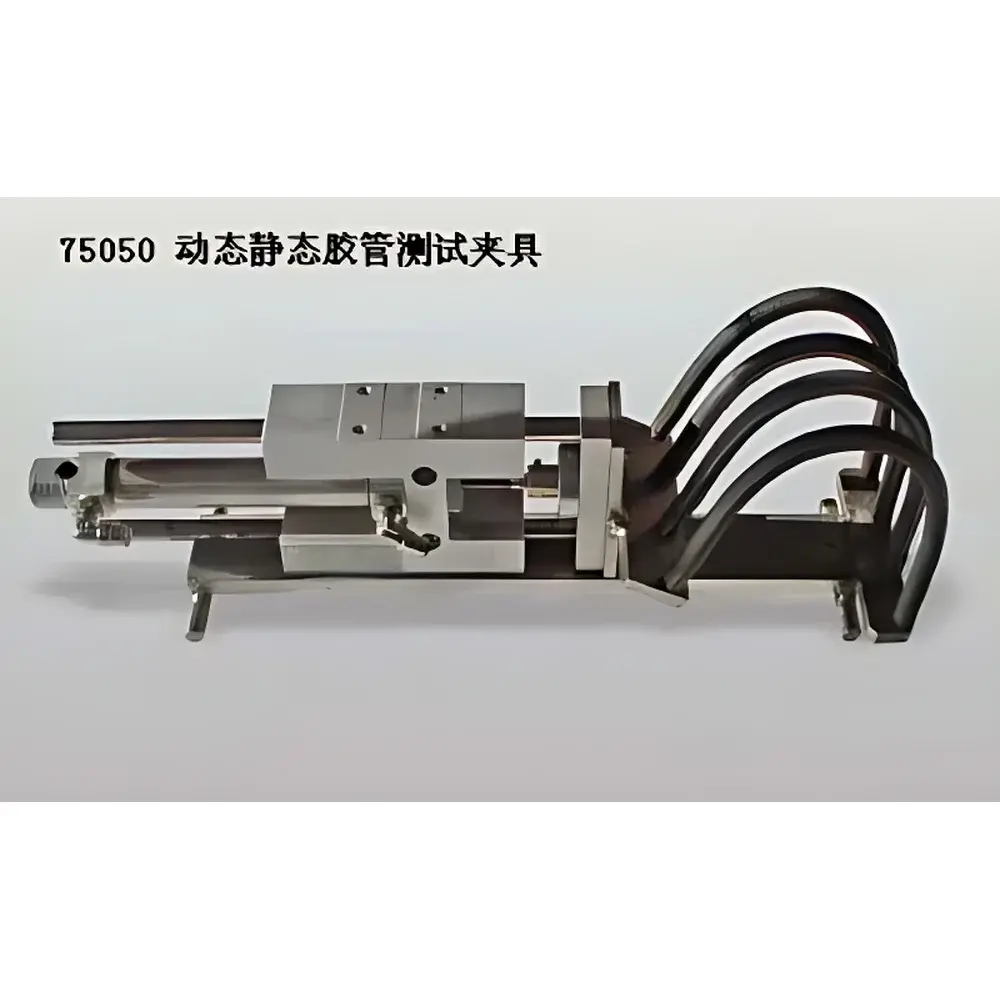
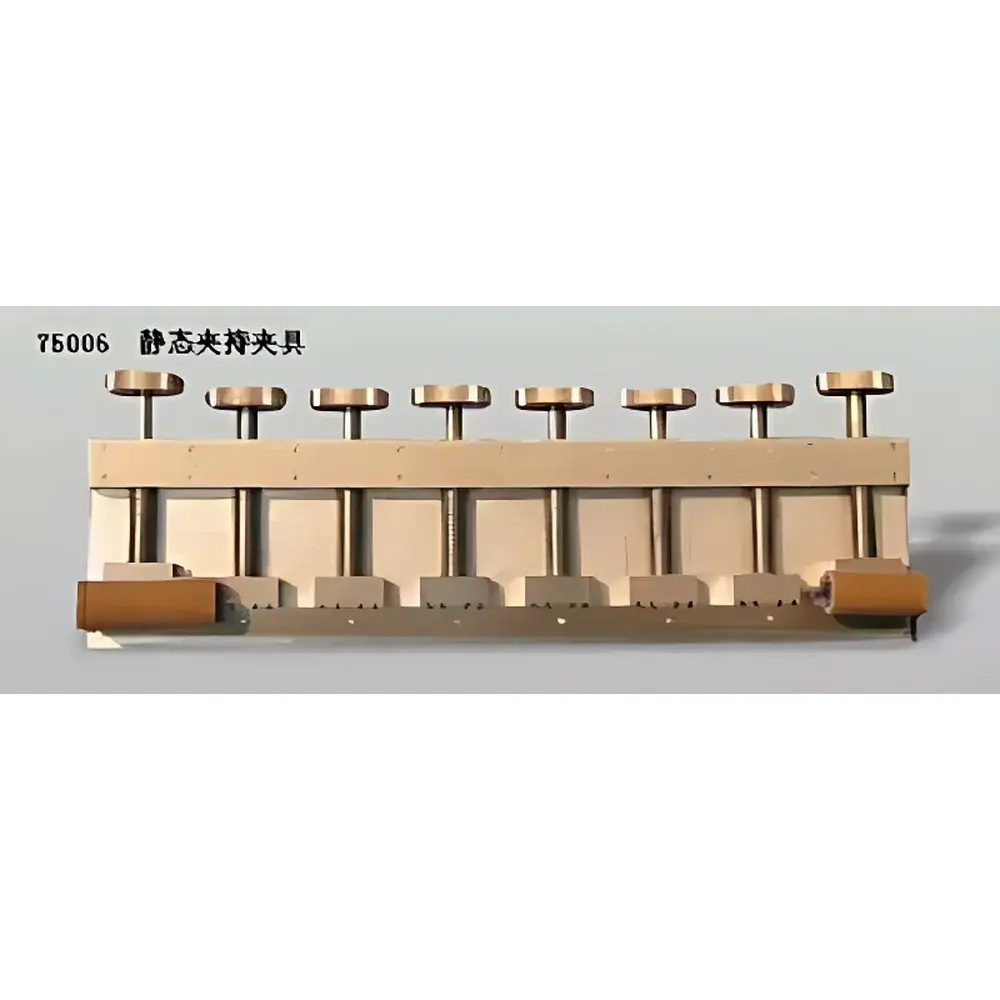
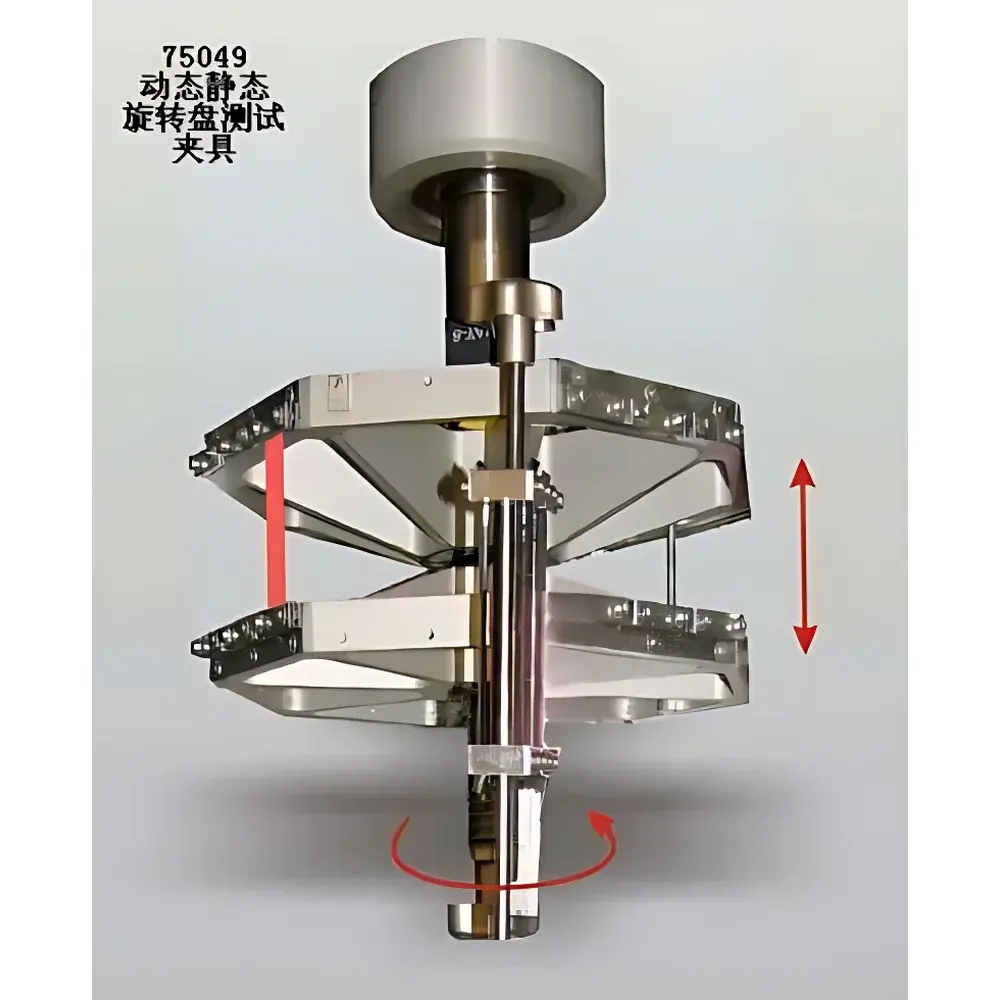
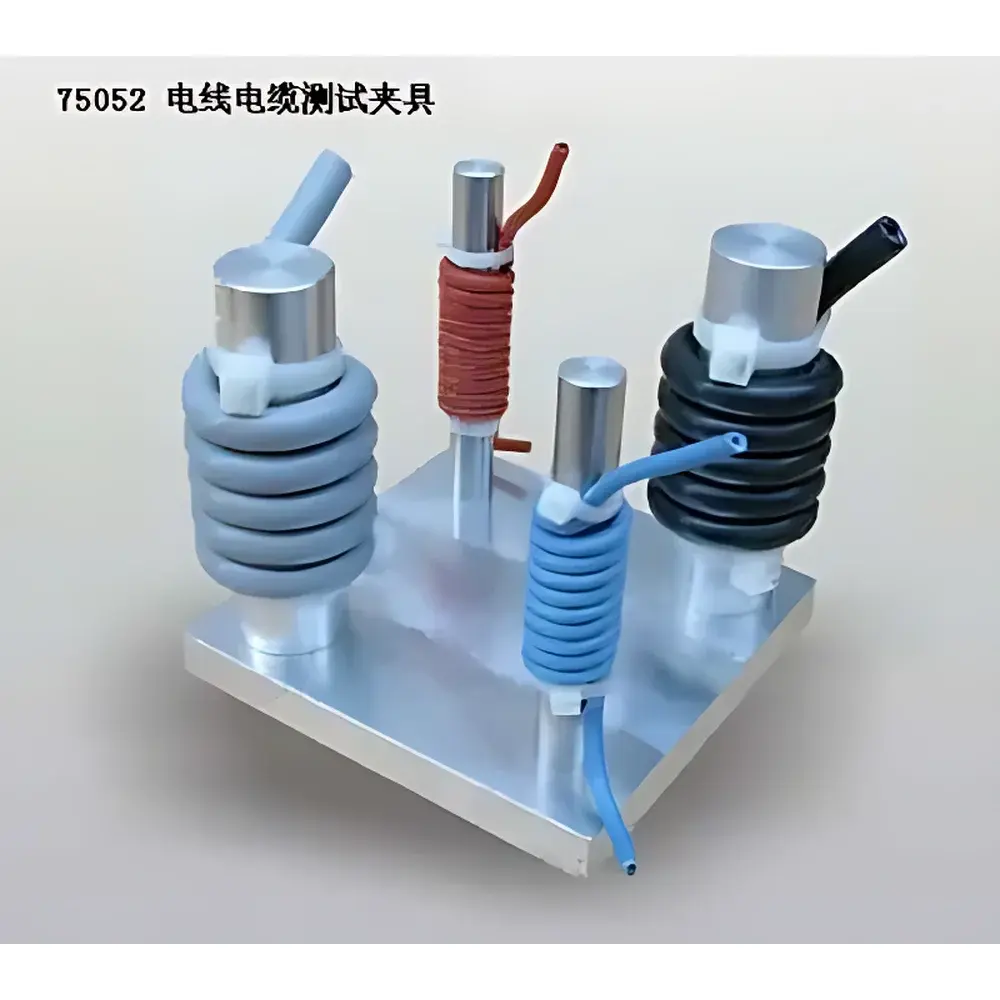
The SIM-6300 accommodates standard test specimens per ASTM D1149—including dumbbell-shaped, ring, or strip configurations—mounted on static or dynamic (flexing) fixtures. Its internal volume (231 L) supports multiple samples simultaneously while maintaining strict adherence to gas exchange rate specifications (50–500 L/min). All operational parameters—including ozone concentration, temperature (RT–70 °C ±0.5 °C), and relative humidity (30–90 %RH ±1/+4 %RH)—are traceably calibrated and documented per ISO/IEC 17025 requirements. The system satisfies GLP and GMP-aligned audit readiness through full parameter logging, user access control, and electronic signature support when integrated with compliant software platforms.
Software & Data Management
Control and data acquisition are managed through two dedicated software modules: SIMATIC-based S7-300 PLC firmware for real-time ozone regulation and environmental parameter stabilization; and AMACS data logging software for time-stamped, tamper-resistant storage of all measured variables. Export formats include CSV and PDF reports compatible with LIMS integration. Optional 21 CFR Part 11 compliance packages provide electronic audit trails, role-based permissions, and secure digital signatures—essential for pharmaceutical-grade polymer testing or automotive Tier-1 supplier qualification protocols.
Applications
- Evaluation of crack initiation and propagation resistance in natural rubber (NR), styrene-butadiene rubber (SBR), nitrile rubber (NBR), and EPDM compounds.
- Validation of antioxidant and antiozonant additive efficacy under standardized exposure profiles.
- Material screening for high-voltage cable insulation, automotive seals, conveyor belts, and medical tubing exposed to outdoor or ozone-rich industrial atmospheres.
- Supporting failure analysis investigations where ozone embrittlement is suspected as a root cause of premature field failures.
- Development and verification of accelerated aging models correlating laboratory exposure time with service-life predictions.
FAQ
What ozone measurement technology does the SIM-6300 employ, and why is it preferred over electrochemical sensors?
It uses single-beam NDUV photometry—a reference-standard method offering superior long-term stability, zero cross-sensitivity to NO₂ or VOCs, and no consumables or recalibration drift.
Can the chamber operate at low humidity levels required for certain ASTM protocols?
Yes—the RH control system achieves stable setpoints down to 30 %RH with ±1/+4 %RH accuracy, meeting ASTM D4575 and ISO 1431-1 humidity tolerance requirements.
Is ozone concentration calibration traceable to national metrology institutes?
All NDUV photometers are factory-calibrated against certified ozone reference standards (NIST-traceable), with optional on-site verification using transfer standards.
How is operator safety ensured during maintenance or sample loading?
Integrated catalytic ozone destruct units reduce residual ozone to <0.1 ppm before door unlocking; audible/visual alarms activate if ozone exceeds 0.2 ppm during operation.
Does the system support dynamic flexing tests per ASTM D1149 Method B?
Yes—optional motorized flexing fixtures (not included by default) can be installed and synchronized with environmental parameters via the PLC interface.



