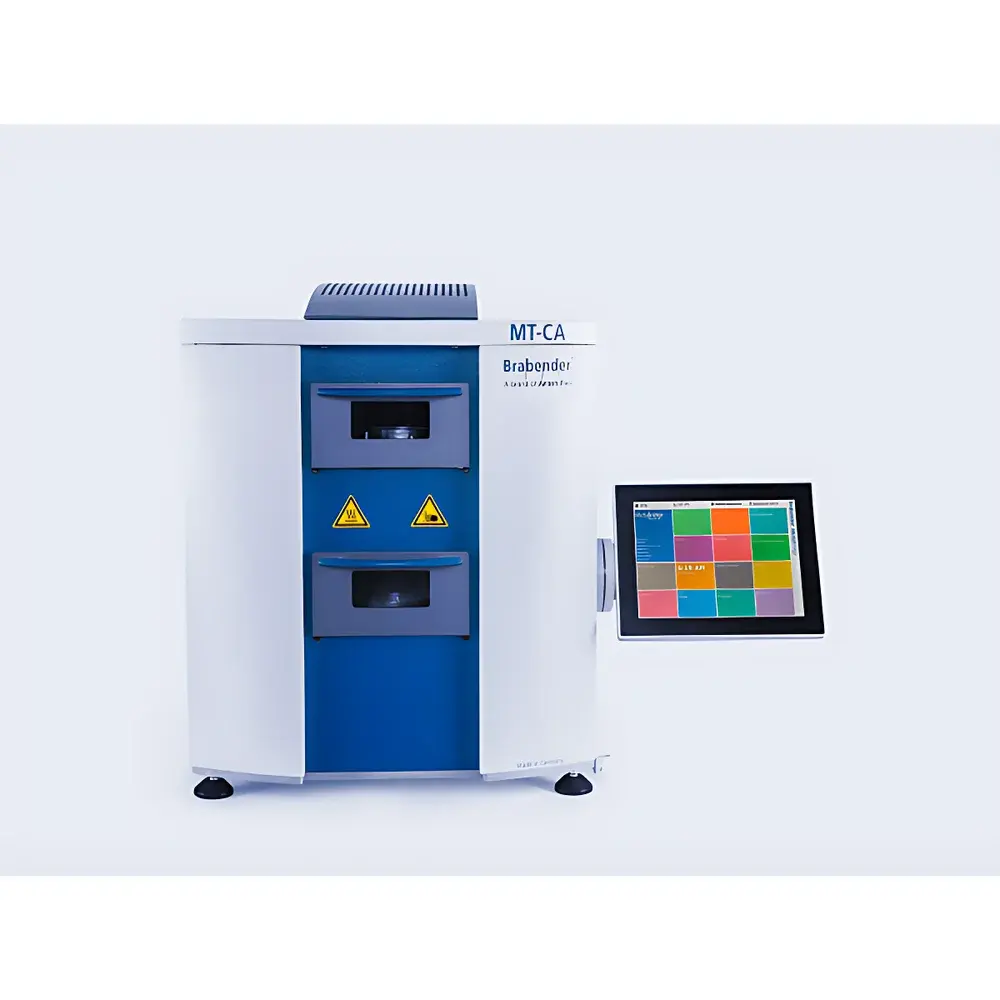
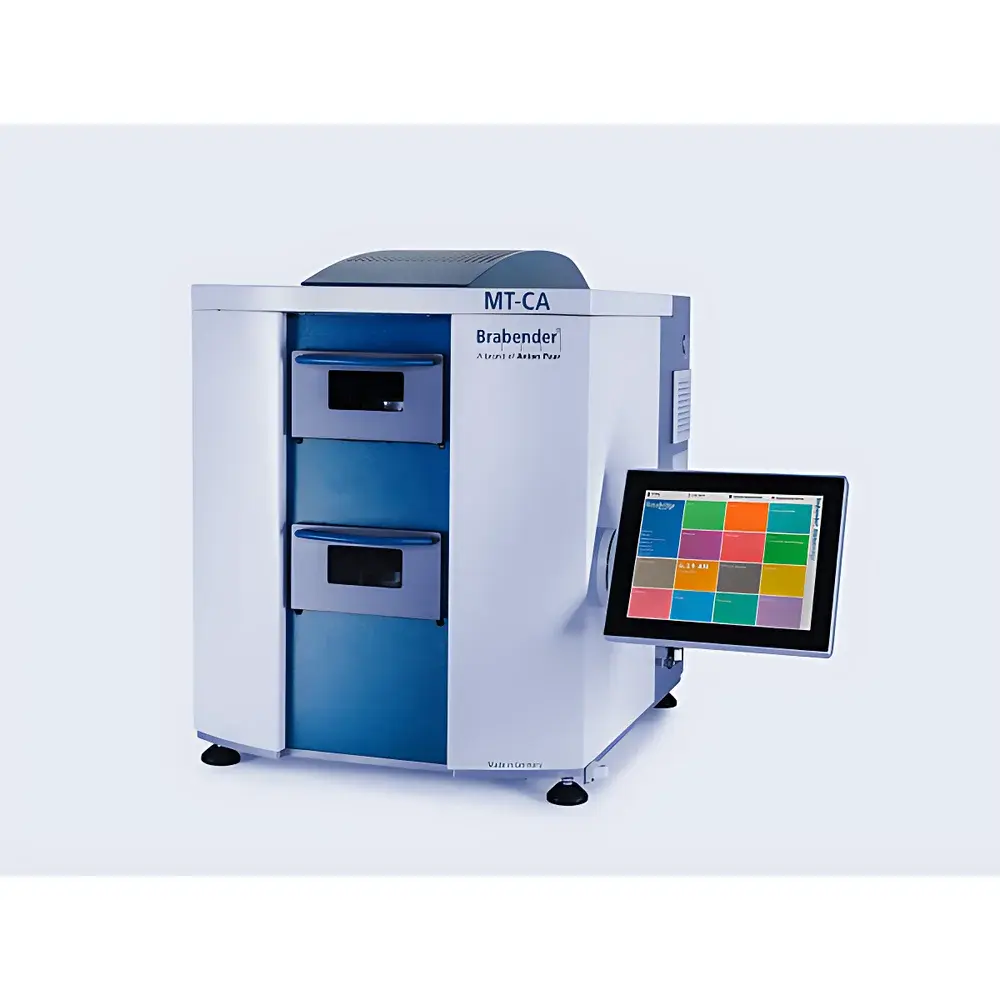
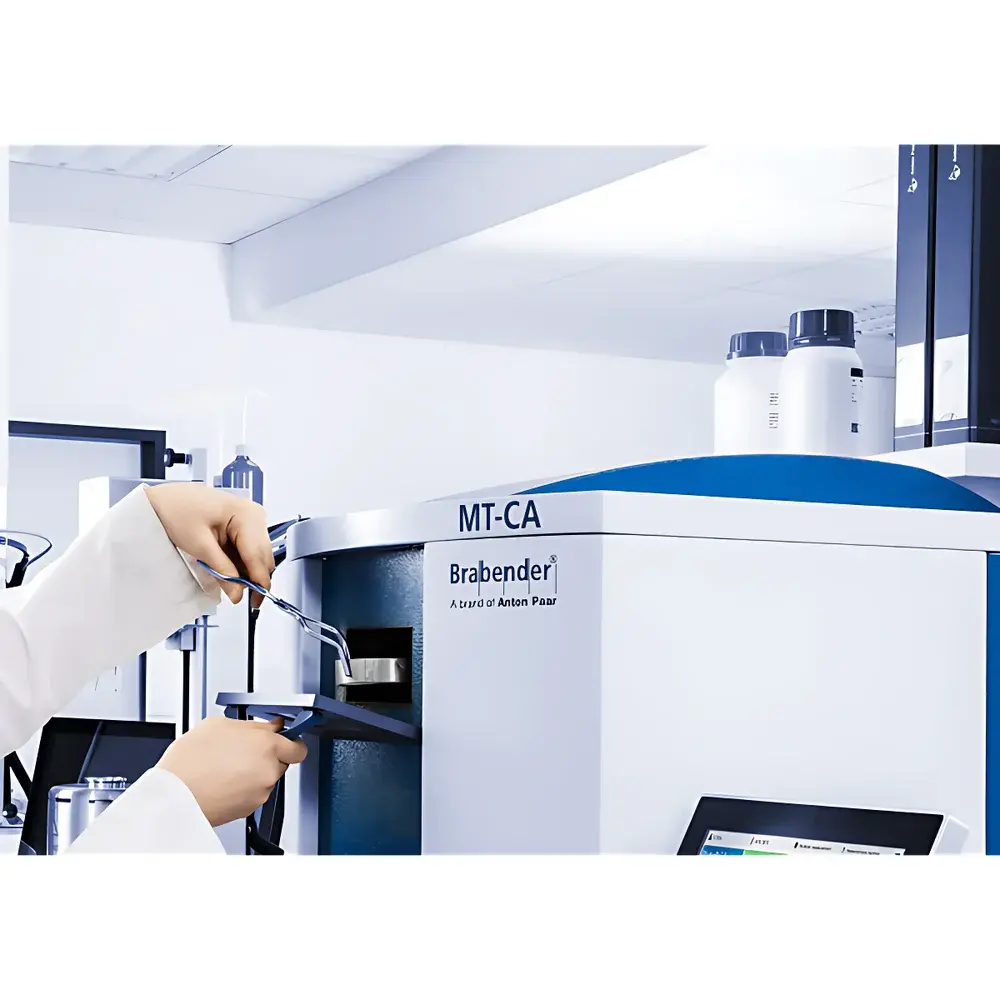
Anton Paar Brabender MT-CA Automated Moisture Analyzer
| Brand | Anton Paar Brabender |
|---|---|
| Origin | Germany |
| Model | MT-CA |
| Measurement Principle | Thermogravimetric (Heated Chamber Drying) |
| Moisture Range | 0.1% to 99.9% |
| Sample Capacity | Up to 10 positions |
| Compliance | ICC Standard 114, ISO 712, EC Tobacco Directive 2001/32/EC, USP <921>, ASTM D4457 |
| Software | MetaBridge v3.x (Web-based, Browser-Accessible) |
| Data Integrity | Audit Trail, User Access Levels, Electronic Signatures (21 CFR Part 11 Ready) |
| Footprint | Compact Benchtop Design |
| Interface | Integrated Touchscreen PC, Ethernet/Wi-Fi Connectivity |
Overview
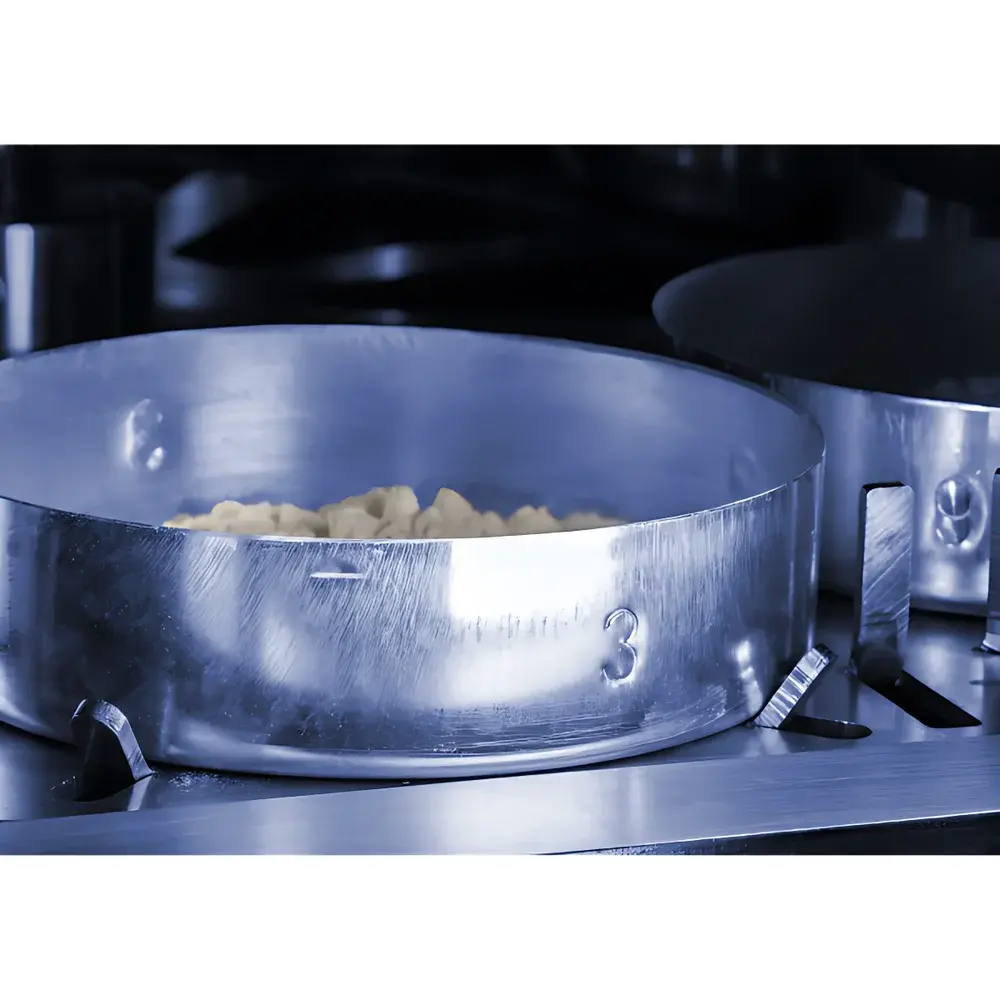
The Anton Paar Brabender MT-CA Automated Moisture Analyzer is a thermogravimetric instrument engineered for precise, repeatable moisture determination in solid and powdered materials. It operates on the principle of controlled-heating drying—applying calibrated thermal energy within a sealed chamber to drive off volatile components, primarily water, while continuously monitoring mass loss via high-resolution analytical balance technology. Unlike conventional oven-dry methods requiring manual intervention, desiccator cooling, and post-dry reweighing, the MT-CA integrates heating, cooling, and weighing into a single automated sequence—eliminating operator-induced variability and reducing total cycle time by up to 65%. Designed as a reference-grade method, it serves not only as a primary moisture measurement tool but also as a traceable calibration standard for inline NIR sensors, capacitance hygrometers, and other secondary moisture analyzers across food, tobacco, pharmaceutical, and agricultural supply chains.
Key Features
- Fully automated thermogravimetric workflow: integrated heating chamber, forced-air cooling, and precision weighing without manual transfer or desiccator use
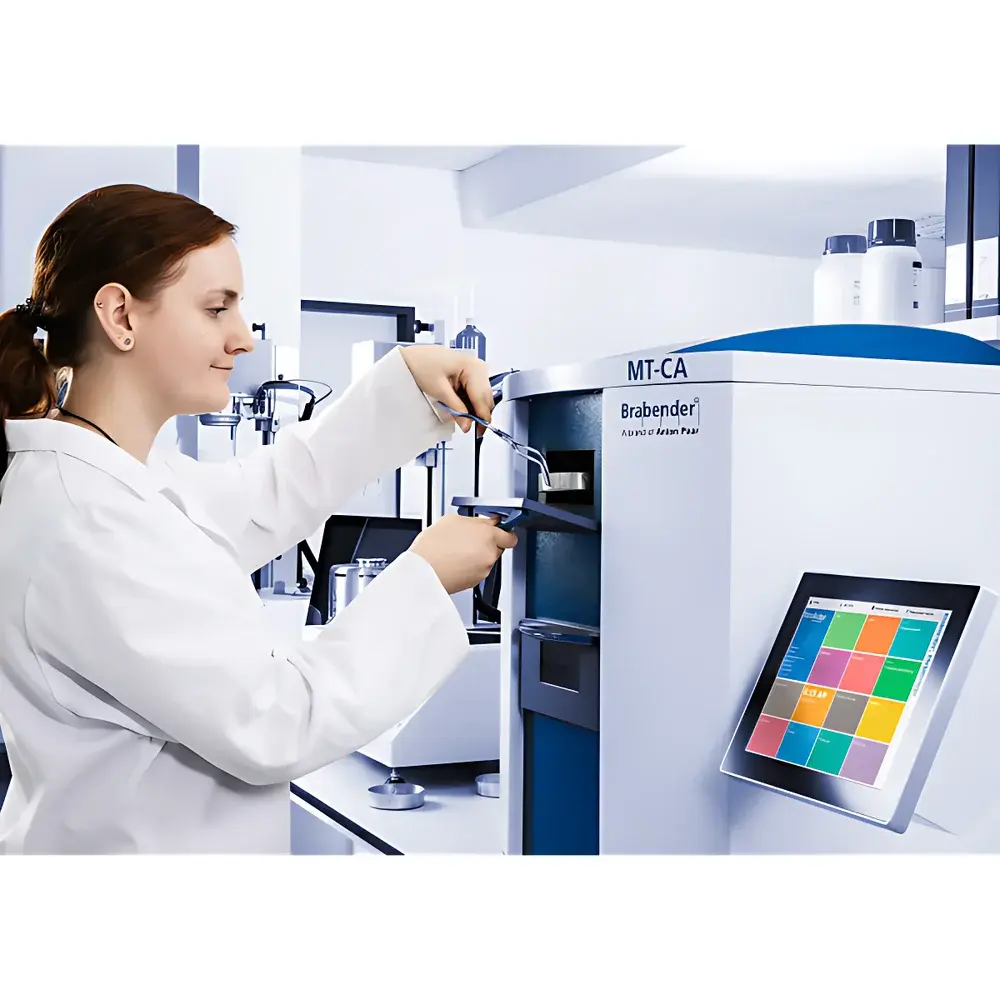
- 10-position sample carousel enabling true walk-away operation—new samples can be loaded during active runs without interrupting ongoing analyses
- Pre-installed MetaBridge software on an embedded touchscreen PC; no external computer required for setup or routine operation
- Compliance-ready architecture supporting audit trails, role-based user authentication, electronic signatures, and 21 CFR Part 11–aligned data integrity controls
- Compact benchtop footprint with plug-and-play configuration—minimal lab space and zero integration overhead
- Predefined, standards-aligned drying protocols for flour (ICC 114, ISO 712), tobacco (EC 2001/32/EC), pasta, coffee, and fibrous matrices—validated against interlaboratory round-robin data
Sample Compatibility & Compliance
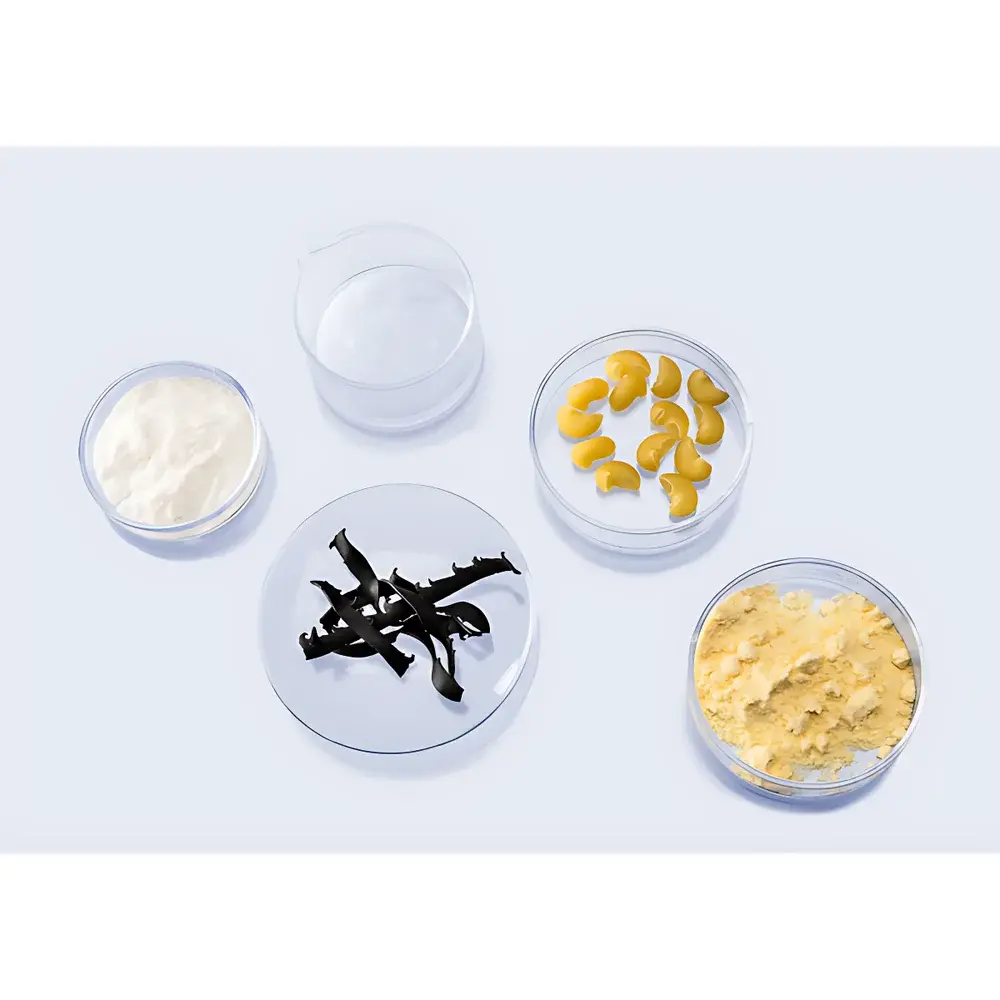
The MT-CA accommodates heterogeneous particulate and solid samples ranging from fine milled flour (<100 µm) to coarse-cut tobacco strands and extruded pasta segments. Its heated chamber geometry and airflow profile ensure uniform thermal exposure across variable particle sizes and densities. The system meets or exceeds requirements defined in key international standards: ICC Standard 114 for cereal-based products, ISO 712 for general foodstuffs, EC Regulation 2001/32/EC for tobacco moisture certification, USP for pharmaceutical excipients, and ASTM D4457 for polymer resin moisture analysis. As a primary reference method, it is routinely cited in GLP and GMP environments for method validation, equipment qualification (IQ/OQ/PQ), and raw material release testing where regulatory traceability is mandatory.
Software & Data Management
MetaBridge software provides browser-accessible, server-independent control and reporting. Users configure drying profiles—including ramp rates, hold temperatures, endpoint criteria (e.g., Δm ≤ 0.1 mg/30 s), and auto-shutdown logic—via intuitive drag-and-drop workflows. All measurements are timestamped, linked to user credentials, and stored with immutable audit logs. Real-time dashboards display live mass decay curves, residual moisture trends, and pass/fail status against preset specification limits. Data export supports CSV, PDF, and XML formats compatible with LIMS and ERP systems. Optional API integration enables bidirectional synchronization with enterprise quality management platforms, ensuring seamless alignment between moisture results and batch disposition records.
Applications
The MT-CA delivers robust performance across regulated and industrial QC environments: flour mill quality assurance (protein-moisture correlation modeling), tobacco curing verification, coffee bean post-roast stabilization, pharmaceutical granule drying endpoint detection, and polymer pellet moisture screening prior to extrusion. Its ability to generate full drying kinetics—rather than single-point endpoint values—supports advanced process understanding, including identification of bound vs. free water fractions and optimization of downstream drying parameters. In R&D labs, it serves as a benchmark for developing NIR calibration models and validating new sensor technologies.
FAQ
Does the MT-CA require external calibration weights or periodic recalibration by service engineers?
No—the internal mass calibration system uses traceable reference masses and performs automatic self-checks before each run. Full recalibration is only required annually or after physical relocation, per ISO/IEC 17025 recommendations.
Can MetaBridge be deployed on a central server for multi-instrument fleet management?
Yes—MetaBridge supports both standalone and network-deployed configurations. A centralized instance can monitor and manage multiple MT-CA units across geographically distributed sites, with role-specific dashboards and consolidated compliance reporting.
Is the drying chamber temperature programmable in increments finer than 1°C?
Yes—temperature setpoints are adjustable in 0.1°C increments across a range of 50°C to 200°C, enabling precise optimization for heat-sensitive matrices such as malt extracts or enzymatic powders.
How does the MT-CA handle samples that release volatiles other than water during drying?
Users may apply correction factors based on known volatile content (e.g., ethanol in fermented grains) or employ dual-temperature step protocols to differentiate water loss from organic solvent evaporation—both configurable within MetaBridge.
What is the typical maintenance interval for the heating element and balance mechanism?
Under normal usage (≤200 cycles/week), the heating module and electromagnetic force compensation balance require no scheduled maintenance for 36 months; preventive servicing is recommended annually and documented in the built-in service log.