
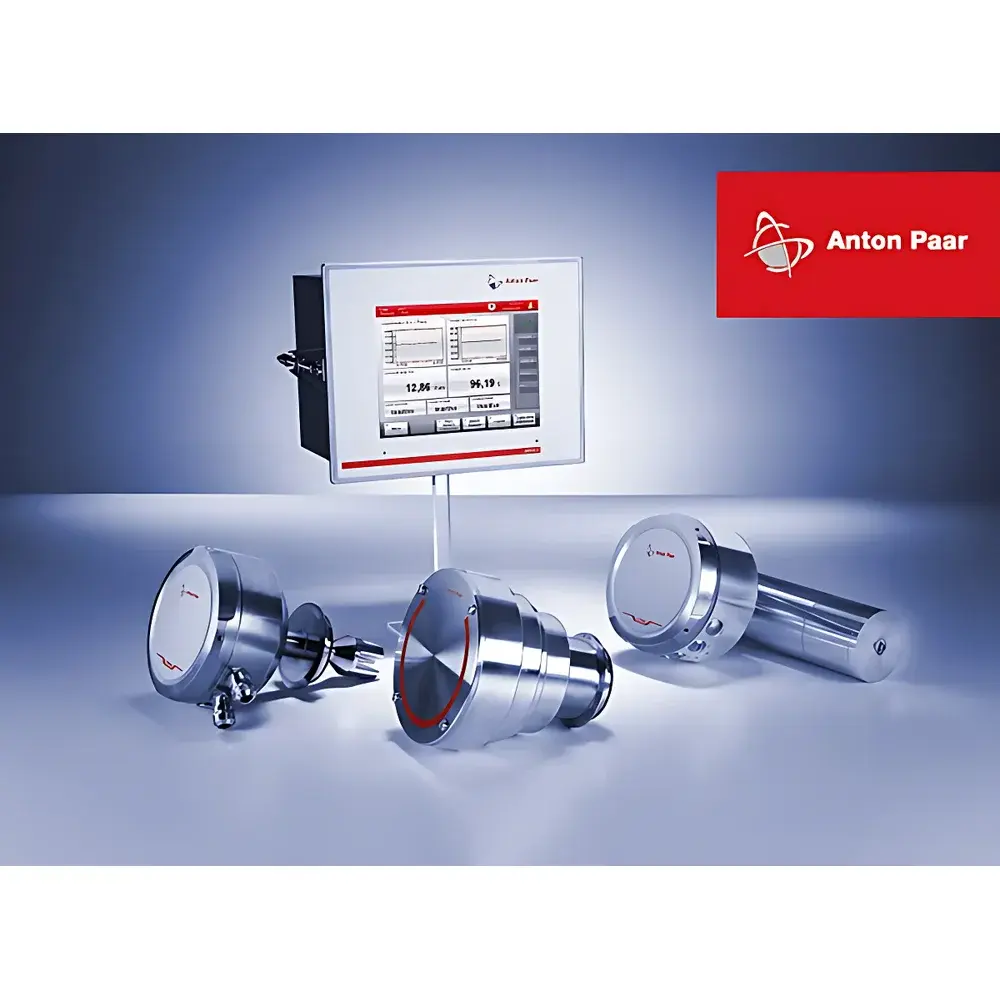
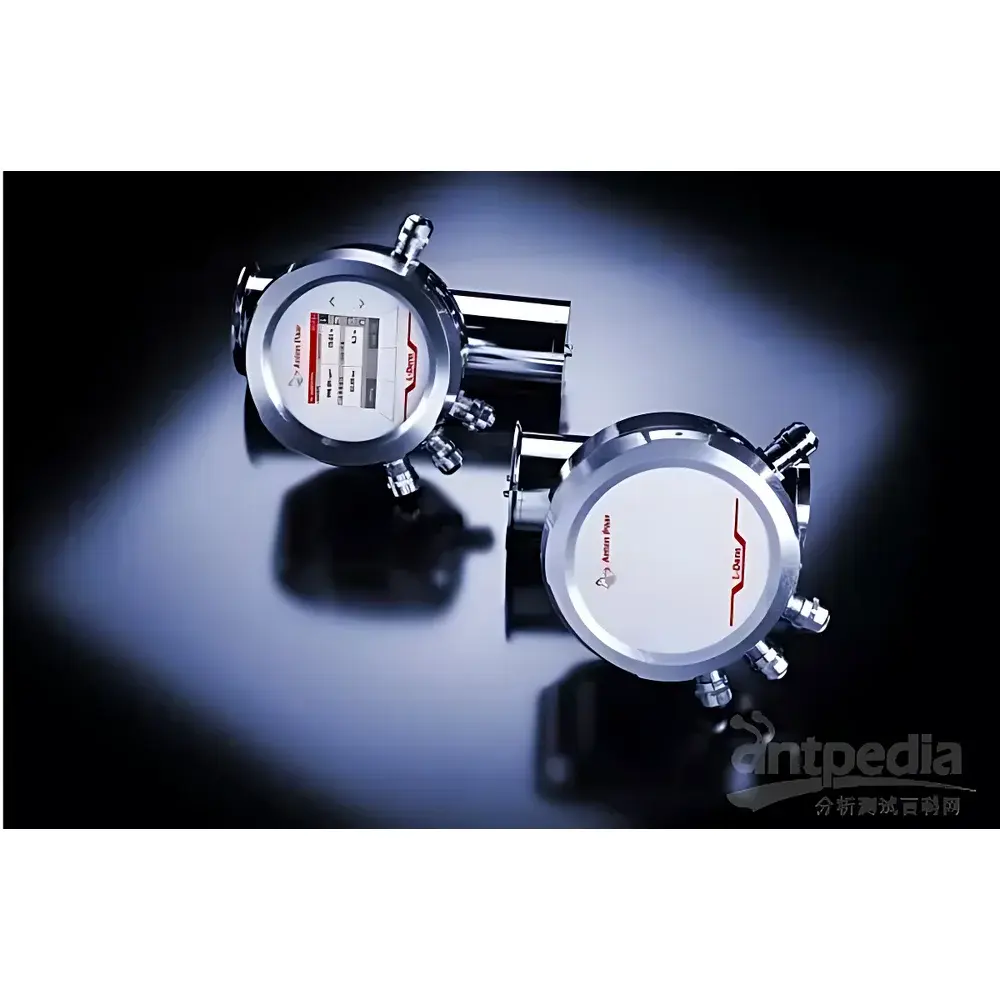
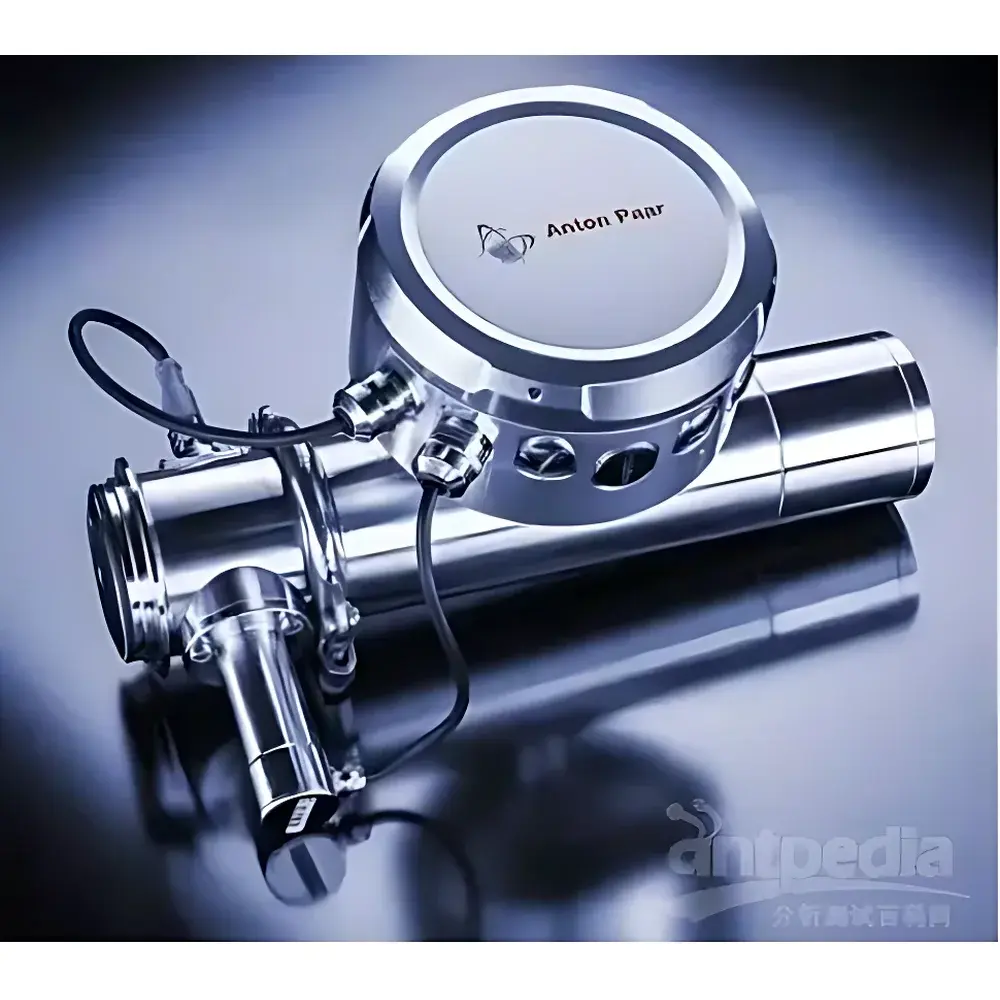
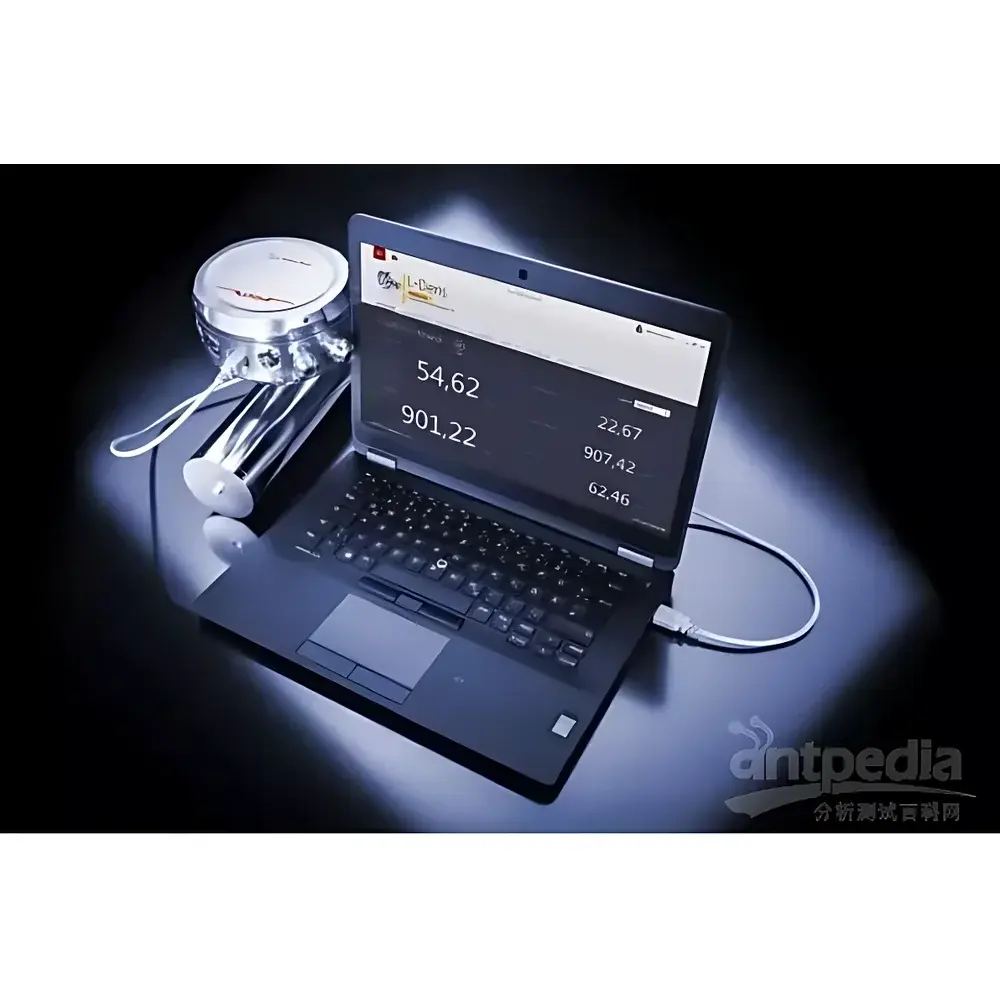
Anton Paar Brix Monitor Online Refractometer and Density/Sonic Analyzer for Continuous Sucrose and HFCS Concentration Measurement
| Brand | Anton Paar |
|---|---|
| Origin | Austria |
| Manufacturer Type | Original Equipment Manufacturer (OEM) |
| Product Origin | Imported |
| Model | Brix Monitor |
| Pricing | Available Upon Request |
Overview
The Anton Paar Brix Monitor is an industrial-grade, multi-technology online process analyzer engineered for continuous, real-time measurement of Brix (°Bx) — a standardized unit representing the mass percentage of sucrose in aqueous solution — across diverse sugar-based production streams. Unlike conventional benchtop refractometers or offline lab assays, the Brix Monitor integrates one of three core physical measurement principles — digital oscillating U-tube density (ASTM D4052, ISO 12185), ultrasonic sound velocity (ISO 20483), or high-stability inline refractometry — into a single, hygienic, in-line sensor platform. This tri-modal architecture enables robust, cross-validated concentration monitoring without recalibration when switching between sucrose, beet sugar, high-fructose corn syrup (HFCS), invert sugar, or glucose syrups. The system operates on first-principles physics: density-based measurement relies on precise determination of sample mass per unit volume via resonant frequency shift of a vibrating tube; sonic measurement correlates sound speed to molecular packing and solute concentration; refractometric mode tracks changes in light refraction index (nD) proportional to dissolved solids. All variants are designed for direct insertion into main production lines — eliminating bypass loops, reducing dead volume, and ensuring representative, delay-free process feedback.
Key Features
- Triple-sensor platform: Selectable integration of L-Dens 7400/7500 (density), L-Sonic 5100 (sound velocity), or L-Rix 510 (refractive index) technologies — each certified to EHEDG standards for hygienic design and clean-in-place (CIP) compatibility
- Zero-maintenance operation: No consumables, no optical windows to clean, no moving parts subject to wear — validated for >5 years of uninterrupted service under continuous 24/7 operation
- Integrated Pico 3000 transmitter with embedded HMI: Full local control, real-time diagnostics, configurable alarms, and intuitive touchscreen interface compliant with IEC 61000-6-2/4 EMC standards
- Compact, lightweight mechanical housing: Optimized for retrofit installation in space-constrained environments; meets IP66/NEMA 4X enclosure rating
- Direct PLC connectivity: Native support for Modbus TCP, Profibus DP, and EtherNet/IP protocols — enabling seamless integration into existing MES/SCADA architectures without gateway hardware
- Temperature-controlled measurement cell: Built-in Peltier stabilization ensures ±0.02 °C thermal regulation — critical for minimizing drift in high-precision Brix quantification
Sample Compatibility & Compliance
The Brix Monitor accommodates a broad range of process fluids including clarified fruit juices (orange, apple, grape), carbonated soft drinks, concentrated syrups (HFCS-42, HFCS-55, HFCS-90), molasses, invert sugar solutions, and viscous beet or cane sugar liquors. Its EHEDG-compliant wetted parts — constructed from electropolished 316L stainless steel and FDA-listed elastomers — ensure full compatibility with aggressive CIP/SIP cycles using NaOH, nitric acid, or peracetic acid at temperatures up to 121 °C. All models conform to 2014/30/EU EMC Directive, 2014/34/EU ATEX Zone 22 (for dust environments), and meet hygiene requirements outlined in ISO 22000, FSSC 22000, and BRCGS Food Safety Issue 9. Calibration traceability is maintained to NIST-traceable sucrose reference standards, supporting audit readiness for FDA 21 CFR Part 11–compliant electronic records and signatures when paired with Davis 5 software.
Software & Data Management
Davis 5 is a client-server data acquisition and visualization platform specifically developed for Anton Paar process analyzers. It provides secure, role-based access (with AES-256 encryption and LDAP/Active Directory integration), automated archival of all raw sensor outputs (density, sound speed, RI, temperature, pressure), and time-synchronized alarm logging. Statistical Process Control (SPC) tools include X-bar/R charts, Cp/Cpk calculation, and real-time deviation alerts against user-defined specification limits. Trend analysis supports overlay of multiple parameters (e.g., Brix vs. temperature vs. flow rate) with customizable interpolation and export to CSV, PDF, or OPC UA for enterprise-level quality management systems (QMS) such as TrackWise or MasterControl. Audit trails record every configuration change, calibration event, and user login — satisfying ALCOA+ (Attributable, Legible, Contemporaneous, Original, Accurate, Complete, Consistent, Enduring, Available) data integrity criteria.
Applications
- Real-time Brix control during evaporation and concentration stages in juice and syrup manufacturing
- Blend consistency verification in HFCS dilution and mixing tanks
- In-line quality gate for finished beverage fill lines — rejecting off-spec batches before packaging
- Raw material receipt inspection for incoming sugar solutions — replacing manual grab sampling and lab titration
- Process validation and continuous verification per ICH Q5 and Q9 guidelines in pharmaceutical excipient production (e.g., sucrose-based stabilizers)
- Energy optimization in thermal processing by correlating Brix with steam consumption and residence time
FAQ
Can the Brix Monitor measure non-sucrose sugars like fructose or glucose independently?
Yes — the system uses empirically validated, multi-component calibration models that account for refractive index and density deviations specific to fructose, glucose, and maltose. Factory-loaded matrices support direct Brix reporting for HFCS and invert sugar without user recalibration.
Is third-party validation support available for regulatory submissions?
Anton Paar provides IQ/OQ documentation packages, 21 CFR Part 11 compliance reports, and on-site qualification support — including protocol development and execution assistance aligned with ASTM E2500 and EU Annex 15.
What is the minimum required sample flow rate and pressure drop?
The standard sensor requires 0.5–3.0 bar differential pressure and achieves stable readings at flow rates ≥0.3 m/s. Optional low-flow adapters extend operability down to 0.1 m/s for viscous applications.
Does the system support automatic temperature compensation for Brix conversion?
Yes — all measurement modes incorporate dynamic, real-time temperature compensation based on integrated Pt100 RTD sensors with ±0.05 °C accuracy, referenced to ITS-90.
How frequently must the instrument be verified or recalibrated?
Under normal operating conditions, verification against a certified sucrose standard is recommended every 6 months; full recalibration is typically required only after mechanical impact, major maintenance, or process fluid composition changes exceeding ±15% w/w.



