
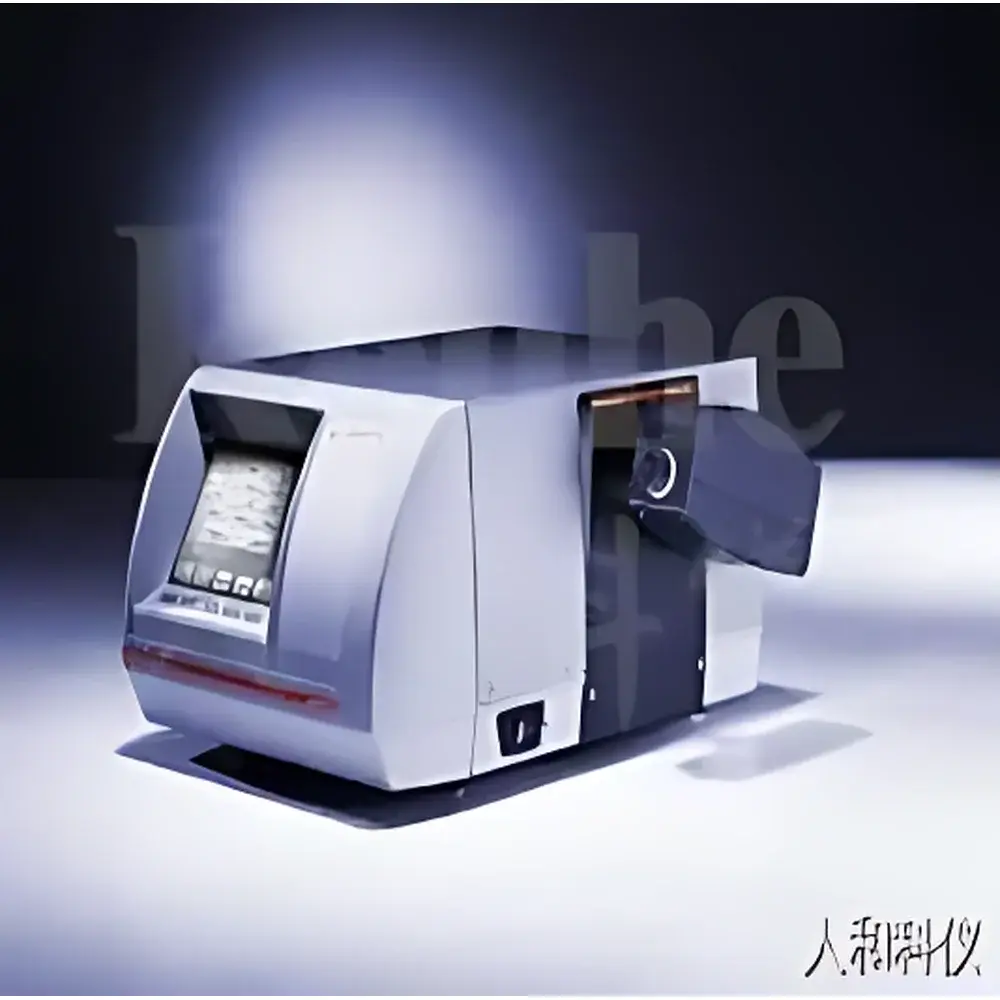
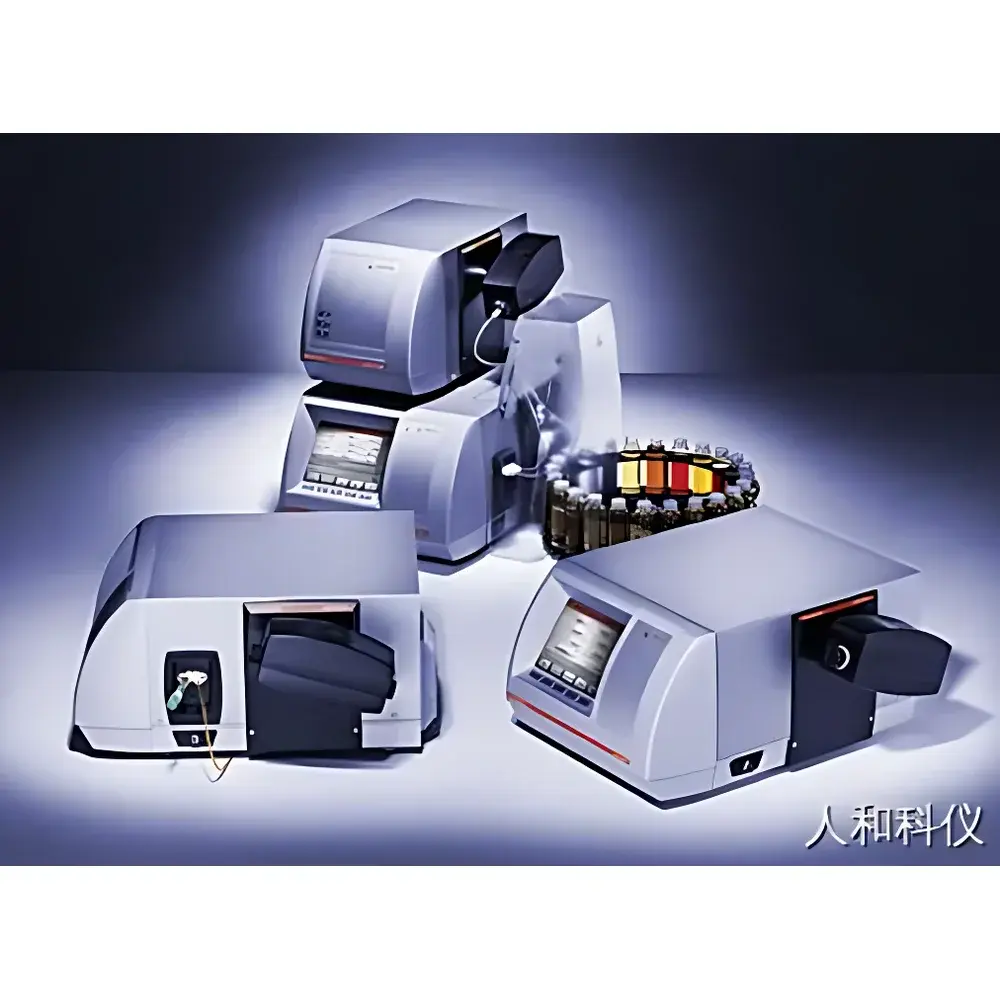
Anton Paar Lovis 2000 M/ME Falling Ball Viscometer
| Brand | Anton Paar |
|---|---|
| Origin | Austria |
| Model | Lovis 2000 M/ME |
| Instrument Type | Falling Ball Viscometer |
| Mounting | Benchtop (Fixed) |
| Operating Environment | Ambient Temperature |
| Viscosity Range | 0.3 mPa·s to 10,000 mPa·s |
| Temperature Range | +5 °C to 100 °C |
| Sample Volume | 100 µL (minimum) |
| Tilt Angle Range | 15° to 80° (1° increments) |
| Shear Rate Range | 0.5 s⁻¹ to 1,000 s⁻¹ |
| Viscosity Repeatability | ≤ 0.1 % (std. dev.) |
| Viscosity Accuracy | ≤ 0.5 % |
| Temperature Repeatability | ±0.005 °C |
| Temperature Accuracy | ±0.02 °C |
| Timing Resolution | 0.001 s |
| Timing Accuracy | ±0.05 % |
| Measurement Time | As low as 30 s (typical: 3 min) |
Overview
The Anton Paar Lovis 2000 M/ME is a precision benchtop falling ball viscometer engineered for high-accuracy dynamic and kinematic viscosity measurements based on the Hoeppler principle. It determines viscosity by measuring the terminal velocity of a calibrated sphere descending under gravity through a vertically oriented, temperature-controlled sample tube. This method inherently delivers true zero-shear-rate viscosity data—critical for characterizing non-Newtonian behavior, polymer solutions, and thermosensitive formulations. Unlike capillary or rotational techniques, the falling ball approach eliminates mechanical shear history, ensures minimal sample disturbance, and avoids wall-slip artifacts. The instrument operates across a broad viscosity range (0.3–10,000 mPa·s) with full programmability of tilt angle (15°–80°), enabling controlled shear rate modulation without hardware modification. Its sealed, air-free measurement cell prevents oxidation, solvent evaporation, or contamination—particularly essential for volatile, hygroscopic, or corrosive samples such as organic solvents, acids, or battery electrolytes.
Key Features
- Ultra-low sample consumption: As little as 100 µL per measurement—ideal for precious, hazardous, or synthetically limited materials.
- Integrated Peltier temperature control: Achieves rapid thermal equilibration (±0.02 °C accuracy, ±0.005 °C repeatability) across +5 °C to 100 °C with no external chiller required.
- Simultaneous dual-output capability: Calculates both dynamic viscosity (mPa·s) and kinematic viscosity (mm²/s) within a single measurement cycle using integrated density input or optional AMVn-compatible density module.
- Modular expandability: Seamless integration with Anton Paar’s DMA density meters, ultrasound velocity modules (for adiabatic compressibility), and robotic autosamplers (e.g., Xsample 530) for unattended multi-parameter characterization.
- Corrosion-resistant fluid path: Sapphire viewing windows, Hastelloy C-276 tubing, and chemically inert sealing materials ensure long-term reliability with aggressive media including concentrated H₂SO₄, HF, LiPF₆-based electrolytes, and chlorinated solvents.
- Zero-contact optical detection: High-speed CCD imaging tracks ball descent with 0.001 s temporal resolution, eliminating mechanical transducers and associated hysteresis errors.
Sample Compatibility & Compliance
The Lovis 2000 M/ME accommodates transparent and opaque liquids—including suspensions, nanoparticle dispersions, and pigmented inks—without requiring optical clarity beyond basic ball visibility. Its sealed, pressurized cell design complies with ISO 10499 (plastics—determination of apparent viscosity), ASTM D7042 (standard test method for dynamic viscosity and density of liquids by Stabinger viscometer), and supports GLP/GMP workflows via audit-trail-enabled software. Temperature calibration traceability follows EURAMET cg-18 guidelines; viscosity calibration is certified against NIST-traceable standard oils (e.g., Cannon N-series). The system meets IEC 61000-6-3 (EMC) and IEC 61010-1 (safety) requirements for laboratory instrumentation.
Software & Data Management
Operation is managed via Anton Paar’s proprietary RheoCompass™ software (v4.0+), which provides ISO/IEC 17025-compliant data handling: electronic signatures, user-access levels, version-controlled method templates, and 21 CFR Part 11–ready audit trails. Raw timing data, temperature logs, tilt-angle profiles, and derived viscosity values are stored in vendor-neutral .csv and .xlsx formats. Batch processing, statistical outlier detection (Dixon’s Q-test), and automatic uncertainty propagation (based on ISO/IEC Guide 98-3) are embedded. Exported datasets integrate natively with LIMS platforms (e.g., LabWare, Thermo Fisher SampleManager) via ODBC and REST API interfaces.
Applications
- Pharmaceutical development: Viscosity profiling of injectables, ophthalmic solutions, and polymer-based sustained-release formulations under physiologically relevant temperatures.
- Electrolyte R&D: In situ monitoring of Li-ion and solid-state battery electrolyte viscosity vs. temperature and salt concentration—correlating with ionic conductivity and SEI formation kinetics.
- Polymer characterization: Determination of intrinsic viscosity [η] and Mark–Houwink parameters from dilute solution measurements across multiple concentrations and temperatures.
- Chemical process control: On-line compatibility screening for catalyst slurries, pigment pastes, and functional coatings where shear-thinning behavior must be quantified at near-zero shear.
- Academic rheology: Teaching labs benefit from intuitive Hoeppler principle demonstration, while research groups leverage tilt-angle programmability to reconstruct flow curves without rotational hardware.
FAQ
How does the Lovis 2000 M/ME achieve zero-shear viscosity without extrapolation?
It measures the terminal velocity of the falling ball at defined tilt angles—each angle corresponds to a calculable, constant shear rate in the annular gap between ball and tube wall. By acquiring data across ≥3 angles, the instrument fits a power-law or Cross model to derive η₀ directly.
Can it measure highly viscous, non-Newtonian gels?
Yes—within the 10,000 mPa·s upper limit—but requires tilt-angle optimization (typically 15°–30°) and validation against rotational data for yield stress estimation. Thixotropic recovery time may be assessed via sequential tilt-angle cycles.
Is calibration required before each use?
No. Factory calibration is traceable to primary standards; users perform periodic verification using certified reference oils (e.g., Cannon 250 cSt) per ASTM D7042 Annex A1. No field recalibration tools are needed.
What safety protections prevent tube rupture during high-temperature operation?
The borosilicate glass measurement tube is housed within a reinforced stainless-steel pressure chamber rated to 10 bar. Overtemperature cutoff, pressure relief valves, and real-time tube integrity monitoring via optical fault detection ensure fail-safe operation.
Does the system support automated cleaning protocols?
Yes—when paired with the Xsample 530 autosampler, programmable solvent rinse sequences (up to 5 solvents) with adjustable dwell times and vacuum drying are executed between samples to prevent carryover.



