
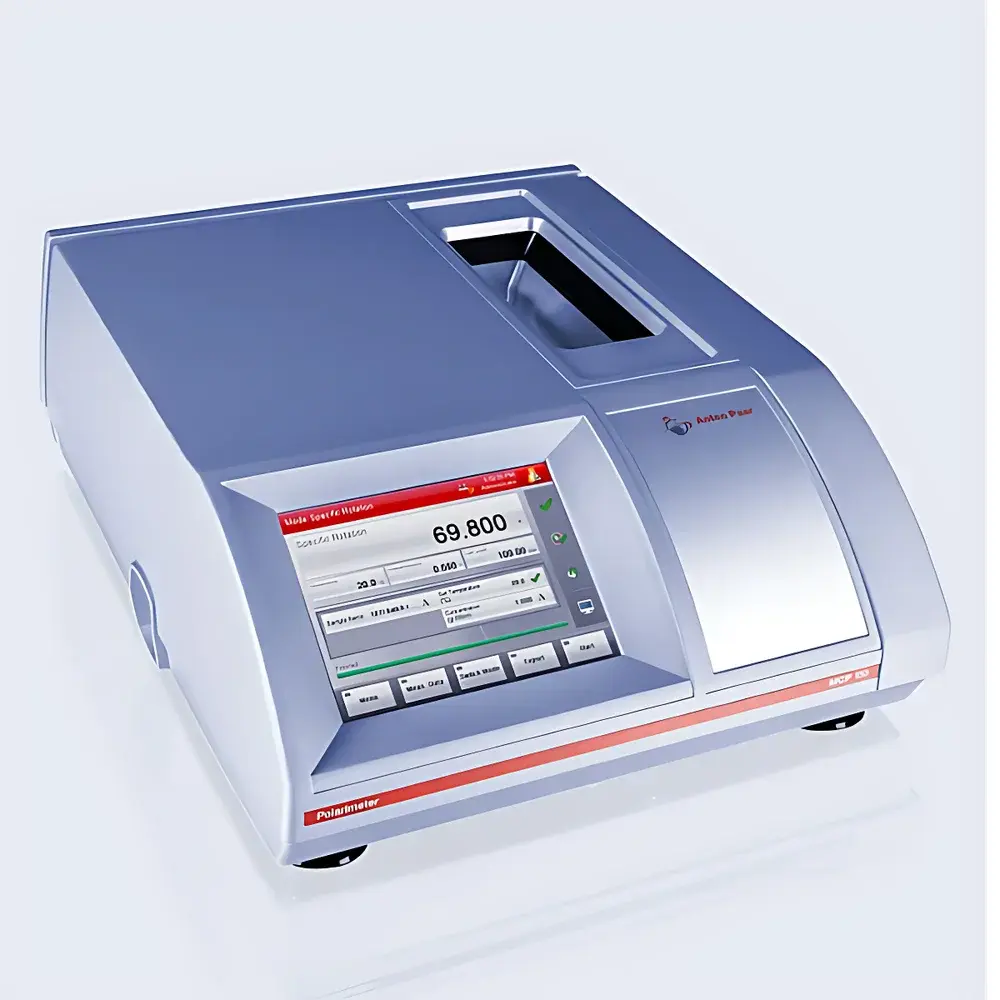
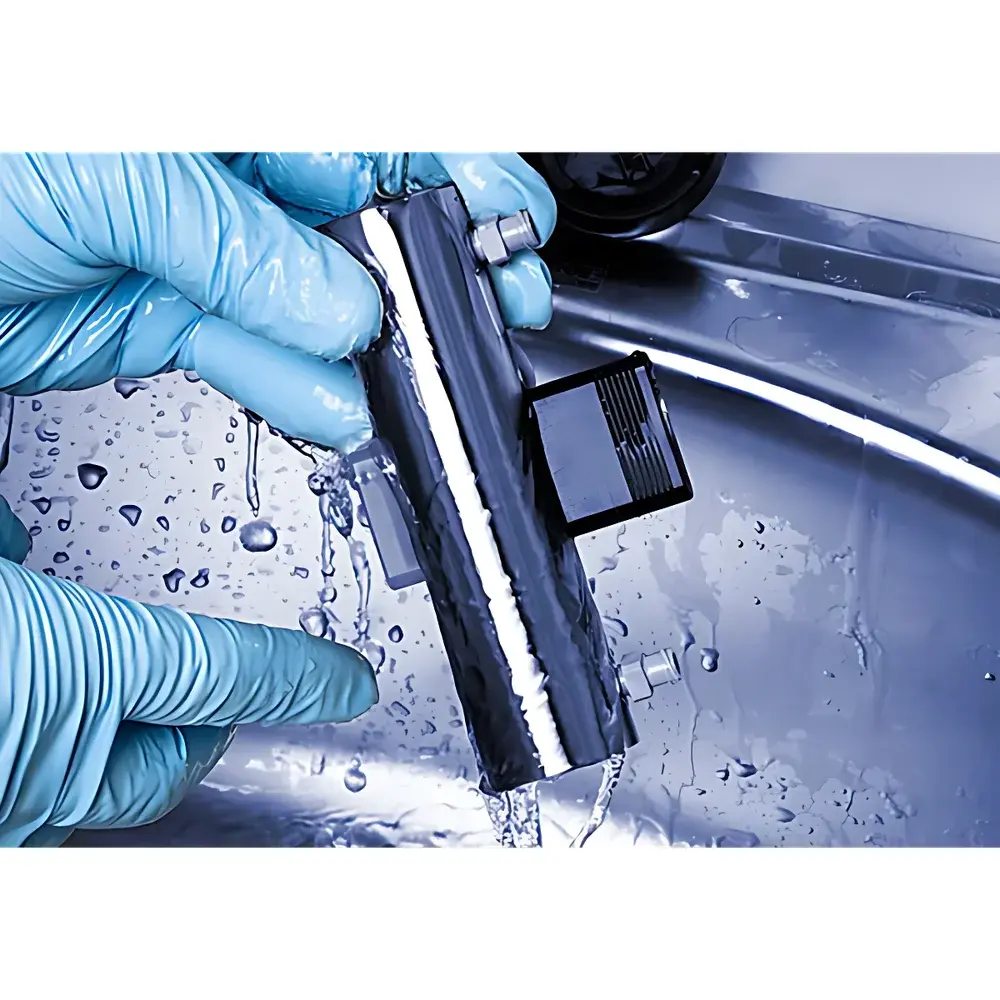
Anton Paar MCP 100/150 Modular Compact Smart Polarimeter
| Brand | Anton Paar |
|---|---|
| Origin | Germany |
| Manufacturer Type | Manufacturer |
| Product Origin | Imported |
| Model | MCP 100/150 |
| Product Type | Automatic Polarimeter |
| Temperature Control | Peltier-controlled |
| Digital Display | Yes |
| Light Source | LED |
| Measurement Range | ±89.9° |
| Measurement Resolution | 0.001° |
| Measurement Accuracy | ±0.004° (MCP 150), ±0.01° (MCP 100) |
| Wavelength | 589 nm |
| Temperature Control Range | 15–35 °C |
| Temperature Accuracy | ±0.1 °C (MCP 150), ±0.2 °C (MCP 100) |
| Sample Cell Recognition | Toolmaster™ wireless identification |
| Interface | 3× USB, RS232, Ethernet, CAN bus |
| Dimensions (L×W×H) | 370 × 320 × 130 mm |
| Weight | 7.8 kg (MCP 100), 8.6 kg (MCP 150) |
Overview
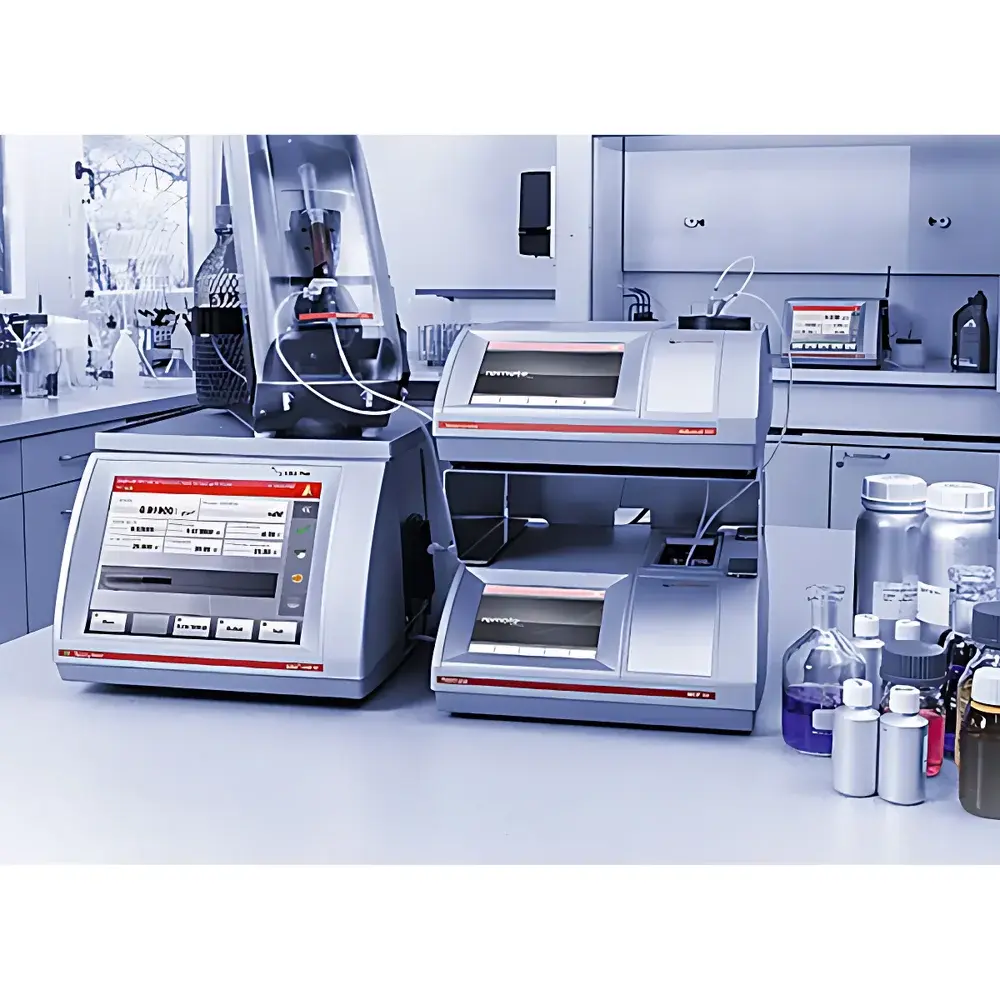
The Anton Paar MCP 100/150 Modular Compact Smart Polarimeter is a high-precision, benchtop optical instrument engineered for reliable measurement of optical rotation in chiral substances—principally used to determine enantiomeric composition, concentration, and purity of optically active compounds. Based on the fundamental principle of polarimetry—measuring the angular rotation of plane-polarized light as it passes through an optically active sample—the MCP series delivers traceable, repeatable results under strictly controlled thermal and optical conditions. Designed for routine analysis in regulated environments, the instrument employs a stable 589 nm sodium-D line-equivalent LED source with >100,000-hour lifetime, eliminating lamp replacement and spectral drift concerns associated with traditional sodium vapor lamps. Its compact footprint (less than 0.12 m²) and modular architecture enable seamless integration into multi-instrument workflows—e.g., combined with density meters or refractometers—without compromising analytical integrity or laboratory ergonomics.
Key Features
- Modular, space-saving design: 370 × 320 × 130 mm footprint; ideal for constrained lab benches and automated QC lines.
- Peltier-based temperature control (15–35 °C range) with integrated PT100 sensor ensures rapid thermal equilibration and uniform sample-cell temperature distribution—critical for reproducible specific rotation (α) calculations per pharmacopoeial standards (USP , Ph. Eur. 2.2.7, JP 2.07).
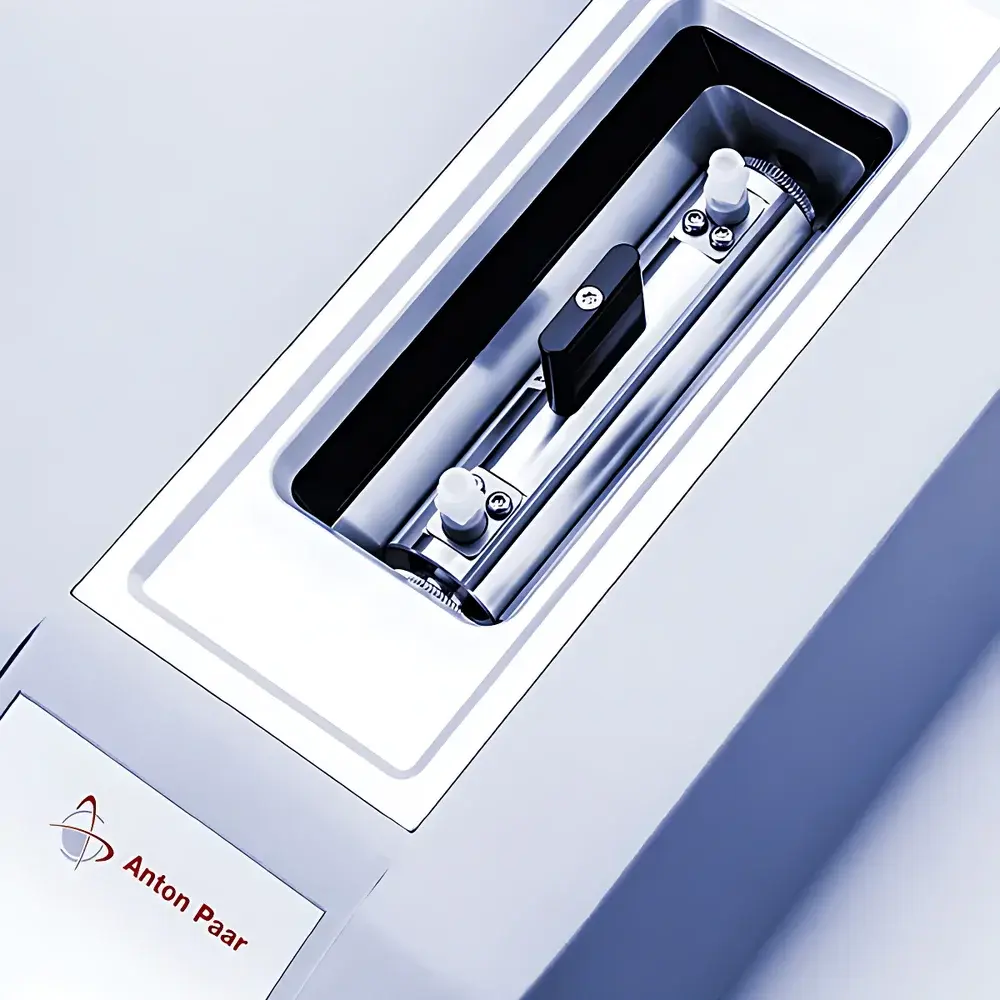
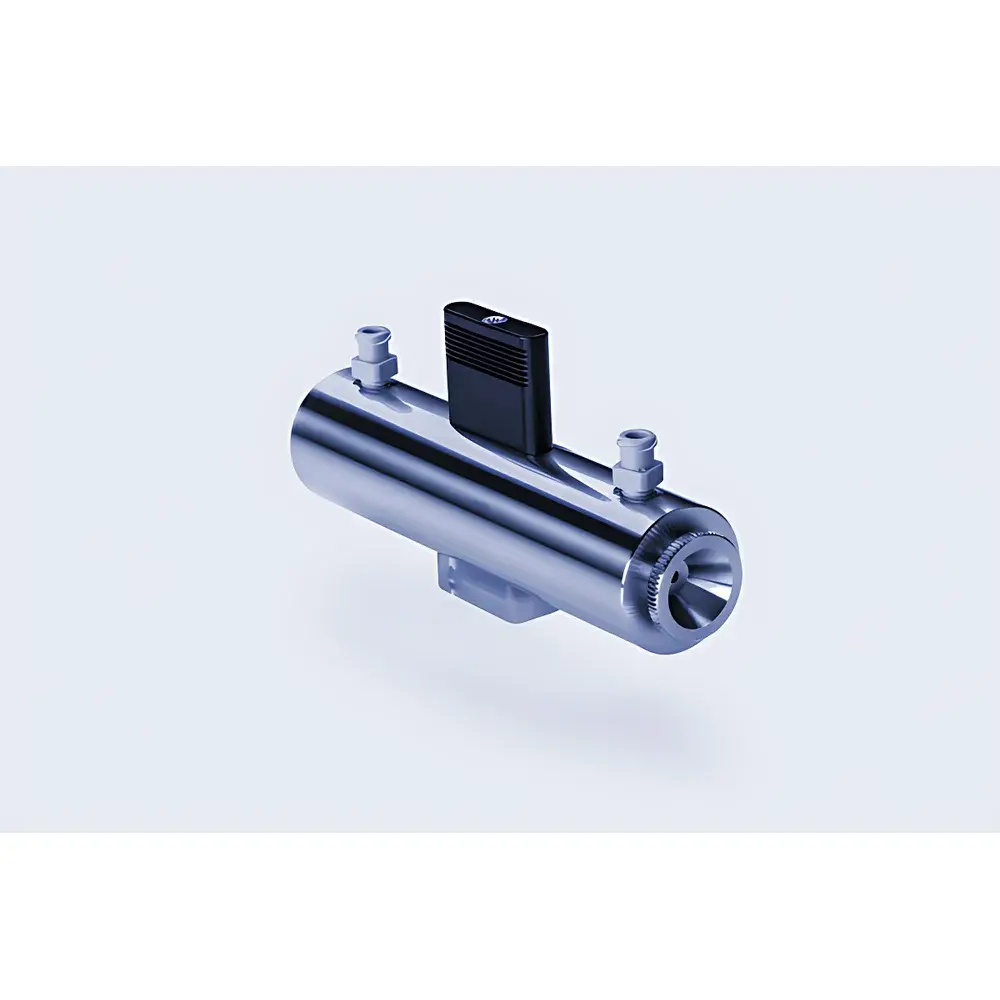
- Toolmaster™ wireless recognition technology automatically detects cell type (standard quartz or custom-length polarimetric cells from 2.5 mm to 100 mm), length, and calibration history—eliminating manual entry errors and ensuring full traceability.
- 5.7-inch high-contrast TFT touchscreen (640 × 480 px) with intuitive icon-driven navigation enables method setup, real-time measurement monitoring, and result review without external peripherals.
- Robust mechanical construction: stainless steel housing (grades selected per application environment), IP-rated sealing against splashes, and tool-free access for cleaning and maintenance.
- Comprehensive connectivity: three USB ports, RS232, Ethernet, and CAN bus support peripheral integration (barcode scanners, printers, keyboards), LIMS synchronization, and remote diagnostics.
Sample Compatibility & Compliance
The MCP 100/150 accommodates standard 100 mm, 200 mm, and custom-length cells—including micro-cells down to 2.5 mm pathlength—for high-concentration or volume-limited samples (e.g., essential oils, APIs, biologics intermediates). All measurements comply with OIML R 131 and ICUMSA Method GS3/3-11 for sucrose analysis. The MCP 150 variant is fully compliant with FDA 21 CFR Part 11 requirements: electronic signatures, role-based user management (administrator, operator, reviewer), granular permission sets, immutable audit trails with timestamped metadata (user ID, method, cell ID, temperature, date/time), and secure data export via encrypted FTP or direct LIMS push. Both models meet GLP/GMP documentation rigor and are validated per ISO/IEC 17025:2017 clause 5.9 for measurement uncertainty estimation.
Software & Data Management
Operating firmware supports up to 100 customizable methods—including preconfigured pharmacopoeial templates (e.g., USP Sucrose Assay, EP Dextrose Monohydrate) and user-defined formulas (e.g., [α] = (100 × α)/(l × c)). Raw and processed data—including temperature-corrected values, statistical summaries (mean, SD, RSD), and trend plots—are stored locally with automatic backup to network drives. Audit logs record every parameter change, cell swap, calibration event, or user login. Data export formats include CSV, PDF (with digital signature), and XML (for LIMS ingestion). Optional software modules enable automated report generation compliant with ALCOA+ principles (Attributable, Legible, Contemporaneous, Original, Accurate).
Applications
- Pharmaceutical QC: identity testing and assay of chiral active pharmaceutical ingredients (APIs), excipients (e.g., lactose, mannitol), and sterile formulations per USP/EP monographs.
- Food & beverage: sucrose, glucose, and fructose quantification in syrups, juices, and confectionery per ICUMSA and AOAC protocols.
- Fine chemicals & fragrances: enantiomeric excess (ee%) determination in asymmetric synthesis batches; quality release of chiral flavor compounds (e.g., limonene, carvone).
- Academic research: kinetic studies of enzymatic racemization, chiral catalyst screening, and polymer helicity characterization.
- Regulatory submissions: generation of auditable, Part 11-compliant datasets supporting ANDA, NDA, and MA dossier requirements.
FAQ
What is the difference between MCP 100 and MCP 150?
The MCP 150 includes full 21 CFR Part 11 compliance features (electronic signatures, audit trail, user role management), enhanced temperature accuracy (±0.1 °C), and extended repeatability (±0.004°). The MCP 100 is optimized for non-regulated labs requiring core polarimetric functionality at reduced operational complexity.
Can the MCP measure samples with high optical density (OD)?
Yes—the instrument incorporates dynamic light-intensity compensation and supports OD up to 2.0, enabling accurate readings for deeply colored or turbid solutions without dilution.
Is calibration traceable to national standards?
All factory calibrations are performed using NIST-traceable quartz control plates; certificates of calibration include uncertainty budgets and are issued per ISO/IEC 17025 requirements.
How does Toolmaster™ improve measurement integrity?
Toolmaster™ eliminates manual cell parameter entry by wirelessly transmitting cell length, material, serial number, and last calibration date—ensuring that all calculations (e.g., specific rotation) use verified physical parameters and preventing configuration-related deviations.
Does the instrument support multi-language interfaces?
Yes—firmware supports English, German, French, Spanish, Chinese, Japanese, and Korean, configurable per user profile without rebooting.






