
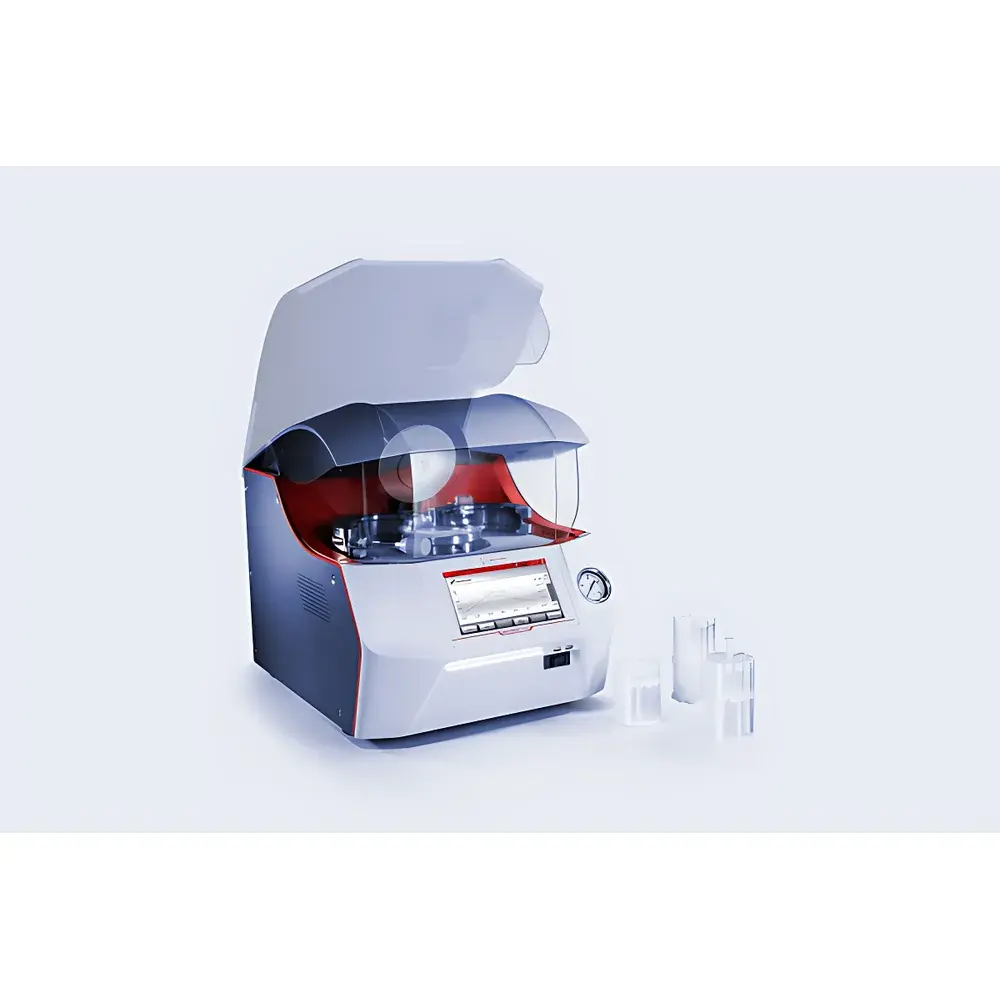
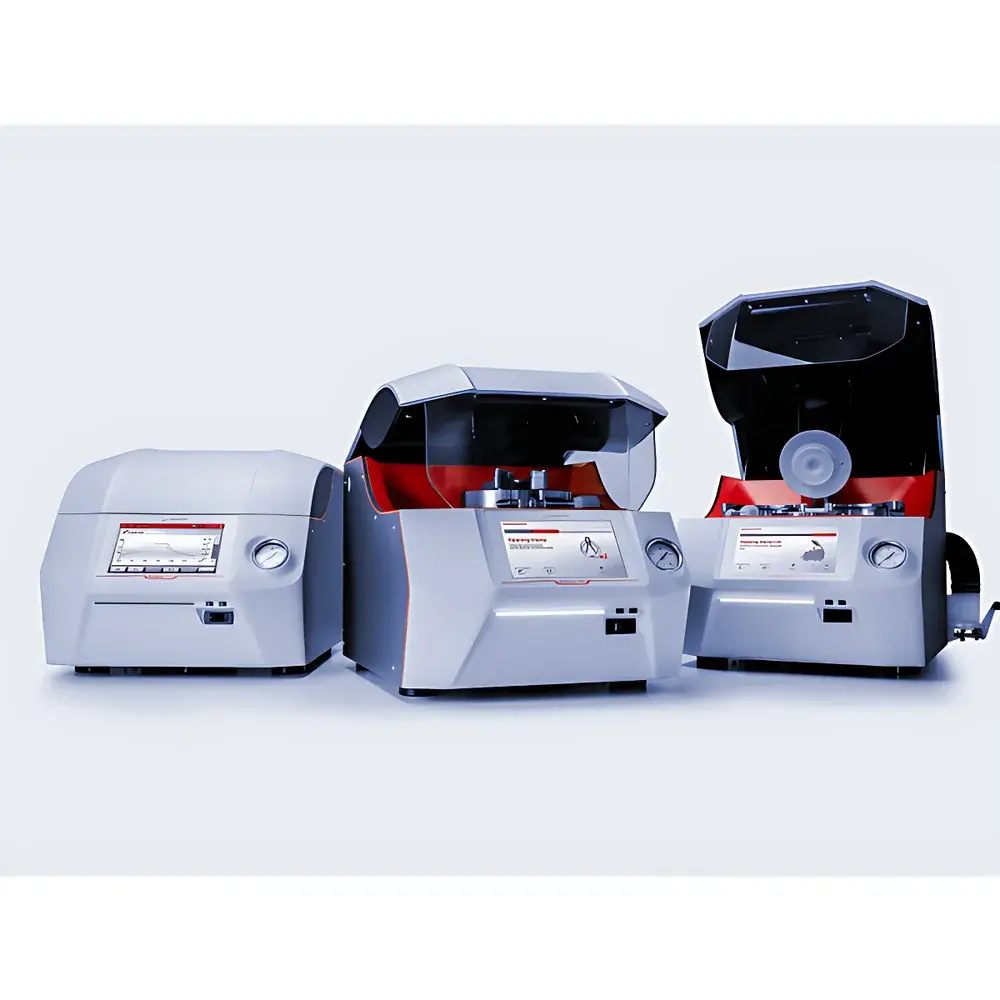
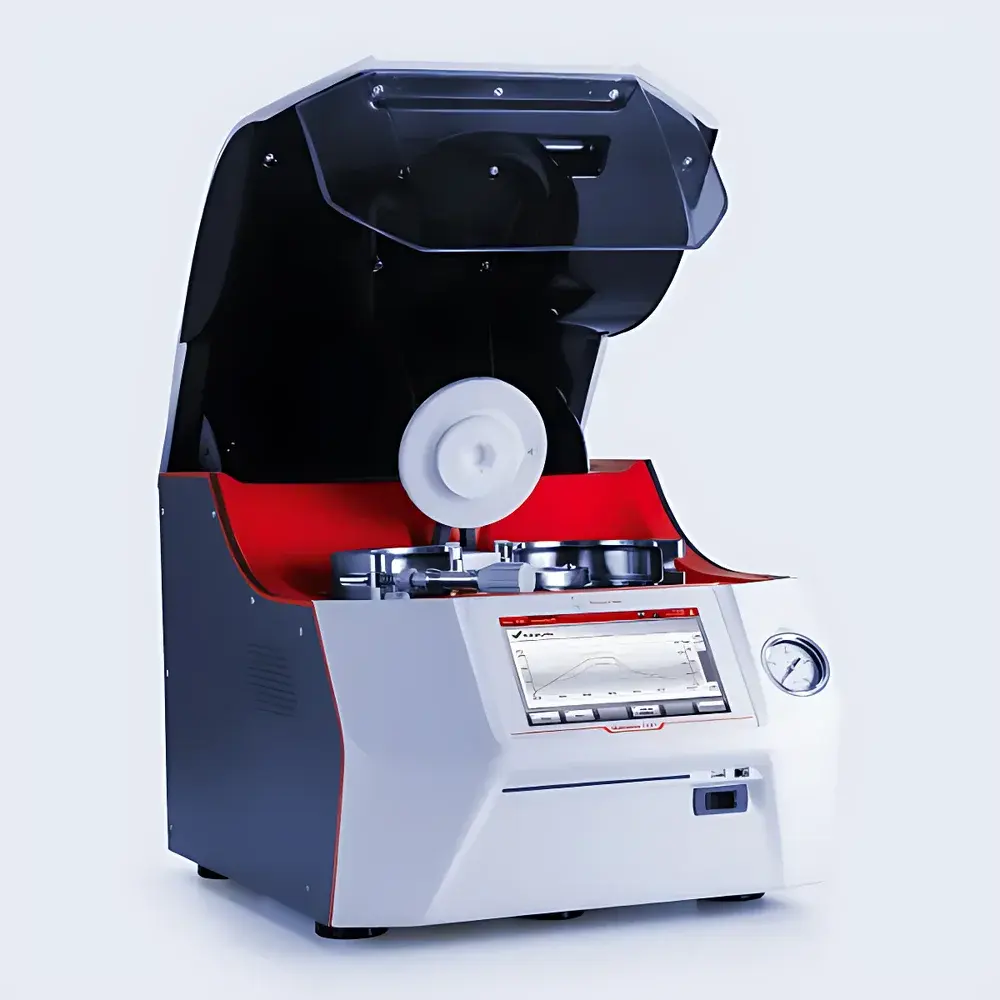
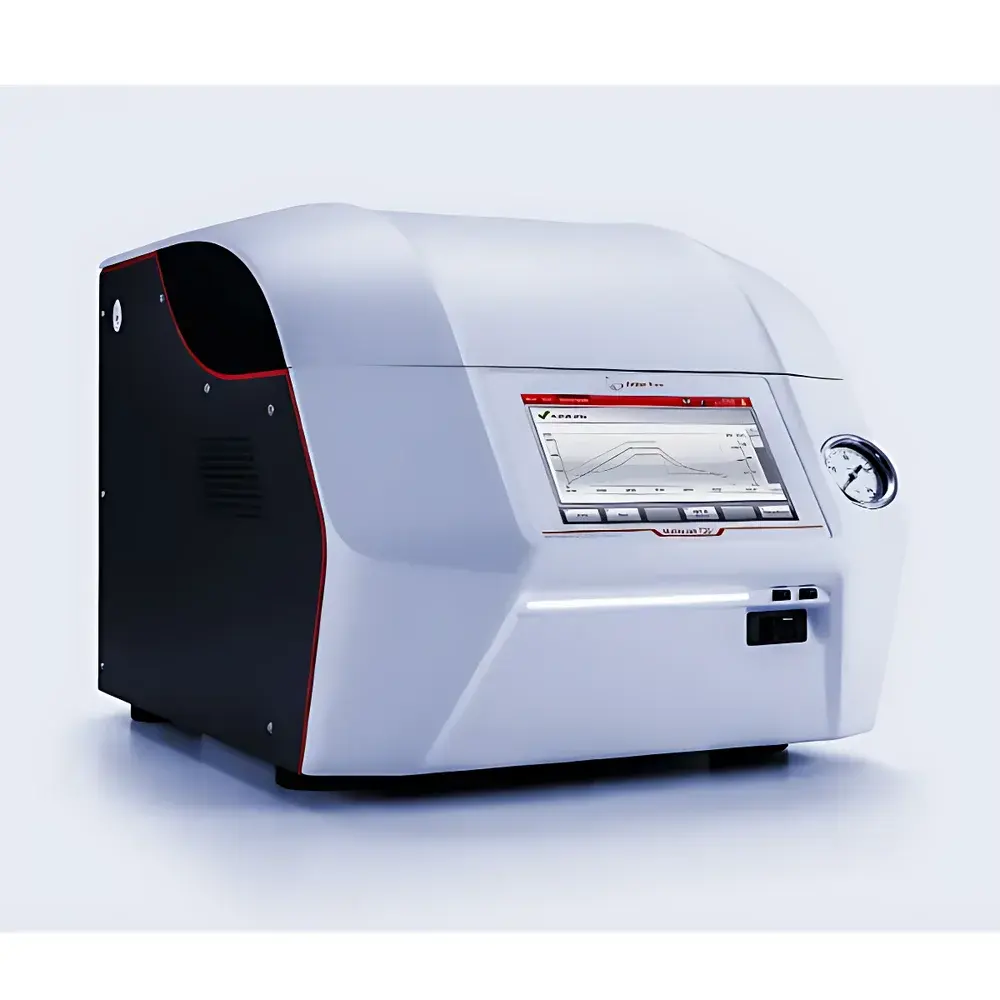
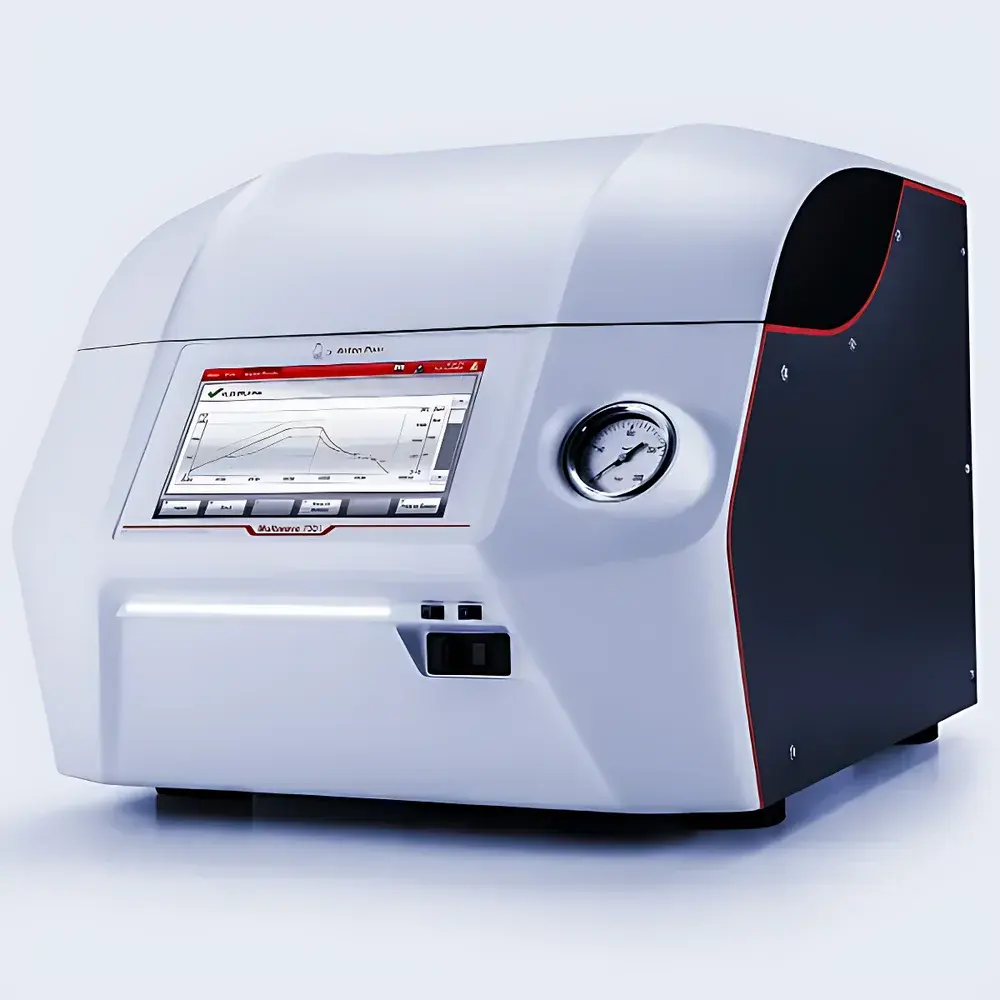
Anton Paar Multiwave 7101/7301/7501 Pre-Pressurized High-Performance Microwave Digestion System
| Brand | Anton Paar |
|---|---|
| Origin | Austria |
| Manufacturer Type | Original Equipment Manufacturer (OEM) |
| Product Origin | Imported |
| Model | Multiwave 7101 / 7301 / 7501 |
| Cavity Class | Industrial-Grade |
| Sample Capacity | Up to 41 positions (configurable) |
| Microwave Source | Single 2000 W Magnetron |
| Max Temperature | 300 °C |
| Temp Measurement Accuracy | ±0.1 °C |
| Temp Control Stability | ±0.3 °C |
| Temp Uniformity | Full-cavity uniformity (no spatial gradient) |
| Max Pressure | 199 bar |
Overview
The Anton Paar Multiwave 7101/7301/7501 is a pre-pressurized, high-performance microwave digestion system engineered for reproducible, complete sample decomposition under rigorously controlled thermal and pressure conditions. Based on over five decades of Anton Paar’s expertise in sample preparation and microwave energy management, the system employs closed-vessel, pressurized microwave-assisted acid digestion—operating at up to 300 °C and 199 bar—to achieve quantitative mineralization of even the most recalcitrant matrices. Unlike conventional batch or open-vessel systems, the Multiwave platform utilizes dynamic power modulation: real-time monitoring of temperature and pressure enables automatic adjustment of magnetron output (up to 2000 W), ensuring optimal energy delivery without overshoot or thermal runaway. This physics-based control architecture—grounded in microwave absorption kinetics and heat transfer dynamics—ensures stoichiometric reagent utilization, minimal volatilization loss, and low residual carbon content (<5 ppm typical), critical for subsequent elemental analysis by ICP-OES, ICP-MS, or AAS.
Key Features
- Pre-pressurized digestion cavity (PDC) with integrated safety interlocks and dual-stage pressure release mechanism
- Industrial-grade stainless-steel cavity with full-cavity temperature uniformity—no hot/cold zones across 41-position rotor configurations
- Three-tier model differentiation: Multiwave 7101 (external cooling), 7301 (integrated water cooler), and 7501 (enhanced corrosion resistance + automated HCl/HNO₃ cleaning cycle)
- PTFE-TFM inner liners compatible with HF, aqua regia, and aggressive halogenated acids; optional quartz and borosilicate disposable vessels for ultra-low blank applications
- Intelligent VNC-enabled remote operation via desktop, tablet, or smartphone—supporting real-time monitoring, method execution, and alarm logging
- Dual-sensor temperature measurement (fiber-optic + IR) with ±0.1 °C accuracy and active PID feedback loop maintaining ±0.3 °C stability during ramp-hold-cool cycles
- Modular rotor design supporting 6–41 sample positions; maximum 4 g per vessel (dry weight); total load ≤1 kg per PDC insertion
Sample Compatibility & Compliance
The Multiwave series accommodates heterogeneous sample types—including foodstuffs, environmental soils/sediments, polymers, pharmaceutical excipients, geological silicates, petrochemical catalysts, and cosmetic emulsions—within a single run using standardized method parameters. Its ability to sustain 199 bar enables complete dissolution of refractory oxides (e.g., TiO₂, Al₂O₃, SiO₂) and organometallic complexes without charring or incomplete oxidation. Regulatory alignment includes pre-loaded, validated methods conforming to EPA Method 3051A/3052, USP /, ICH Q3D, Ph. Eur. 5.20, and ISO 11885. Software complies with FDA 21 CFR Part 11 requirements, featuring electronic signatures, audit trails, role-based access control, and immutable method versioning. All instruments undergo IQ/OQ/PQ documentation support per GMP/GLP guidelines, with full traceability of calibration records, maintenance logs, and firmware revision history.
Software & Data Management
The Multiwave TouchControl software provides guided workflow navigation—from vessel loading confirmation to post-digestion cooling validation—with contextual help and embedded troubleshooting prompts. Method libraries include >120 application-specific protocols, each specifying ramp rate, hold time, cooling profile, and safety thresholds. Data export supports CSV, PDF, and XML formats compliant with LIMS integration standards (ASTM E1578, ISO/IEC 17025). Audit trail functionality captures timestamped operator actions, parameter modifications, and system events with cryptographic hashing. Remote diagnostics allow Anton Paar service engineers to initiate secure, read-only session-based support without compromising network integrity.
Applications
This system serves as a primary digestion platform for laboratories performing regulated elemental impurity testing (e.g., heavy metals in APIs per ICH Q3D), environmental compliance (Pb, Cd, As in soil per EPA 3052), nutritional labeling (Ca, Fe, Zn in fortified foods), and catalyst characterization (Ni, V, Mo in refinery feedstocks). The 7501 variant is specifically qualified for repeated aqua regia digestion of geological reference materials (e.g., NIST SRM 2710a) and HF-based dissolution of siliceous matrices, where extended exposure to corrosive vapors demands upgraded Hastelloy C-276 seals and ceramic-coated pressure sensors. Routine QC labs benefit from the 7101’s external cooling flexibility and lower footprint (497 × 742 × 470 mm), while central analytical facilities select the 7301 for its self-contained thermal management and reduced utility dependency.
FAQ
What distinguishes pre-pressurization from conventional microwave digestion?
Pre-pressurization eliminates initial gas venting delays, enabling immediate energy coupling upon microwave activation—reducing total cycle time by up to 35% while improving repeatability across volatile analytes.
Can the same rotor accommodate both quartz and PTFE-TFM vessels?
Yes—the modular rotor design accepts interchangeable vessel carriers; however, quartz vessels require dedicated quartz-compatible sleeves due to differential thermal expansion coefficients.
Is method transfer between Multiwave 7101 and 7501 straightforward?
Method parameters are fully portable; only cooling configuration and corrosion-resistance settings require validation when migrating to the 7501 for HCl-intensive workflows.
How does the system ensure trace-metal integrity during digestion?
All wetted components (vessels, caps, liners) undergo acid-leaching certification; blank values are verified per ISO 17025-accredited procedures using procedural blanks spiked with 10 ng/mL Cr, Ni, Cu, Cd, Pb.
What documentation is provided for pharmaceutical validation?
A complete qualification package includes URS, FRS, DQ/IQ/OQ/PQ protocols, 21 CFR Part 11 compliance statement, and raw data archives meeting Annex 11 requirements.



