
Anton Paar Quantachrome iSorb HP Automated High-Pressure Adsorption Analyzer
| Brand | Anton Paar |
|---|---|
| Origin | USA |
| Manufacturer Type | Manufacturer |
| Model | iSorb HP |
| Measurement Method | Static Volumetric Method |
| Temperature Range | 75 K to 773 K (-198 °C to 500 °C) |
| Pressure Range | 0.0005 bar to 200 bar (absolute) |
| Ultimate Vacuum | 1×10⁻⁹ mbar |
Overview
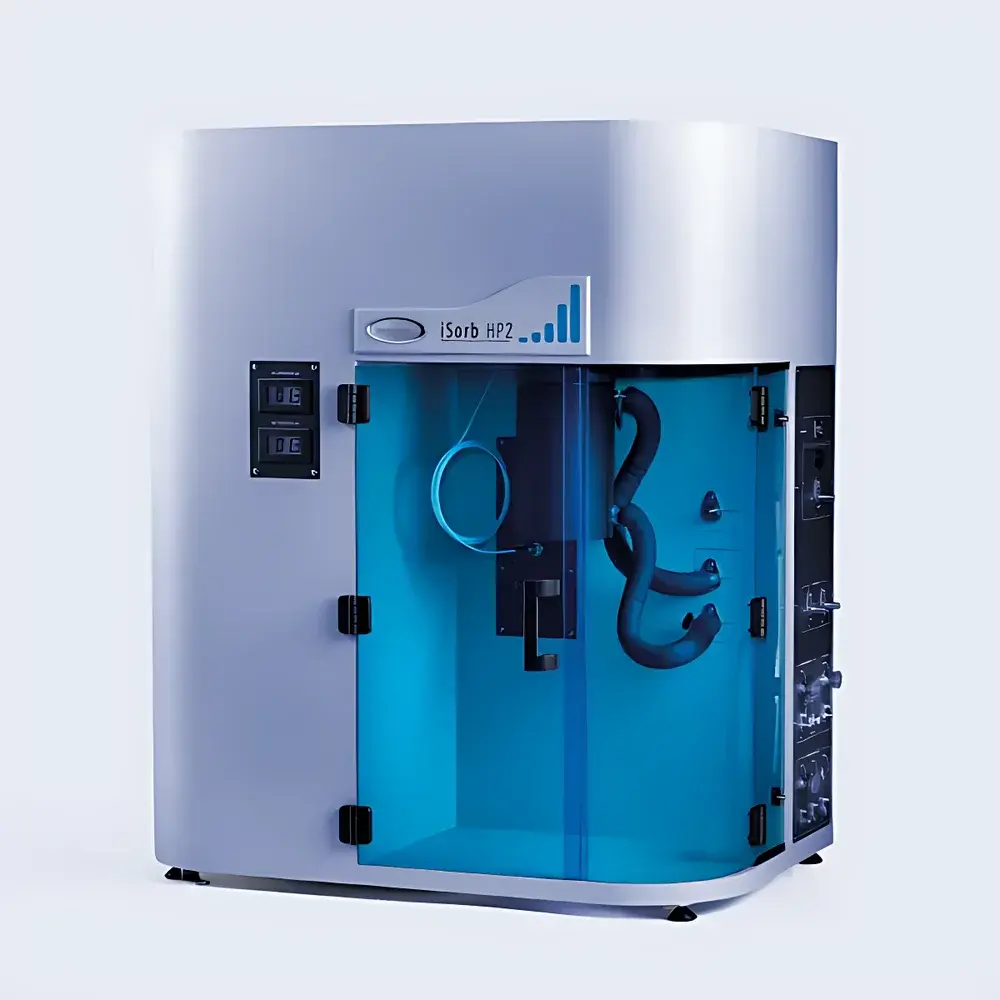
The Anton Paar Quantachrome iSorb HP Automated High-Pressure Adsorption Analyzer is an engineered platform for quantitative characterization of gas adsorption behavior under rigorously controlled thermodynamic conditions. It operates on the static volumetric principle—measuring pressure changes in a calibrated, thermostatically isolated manifold system before and after gas dosing into a sample cell—to determine absolute and excess adsorption isotherms across wide pressure and temperature domains. Designed for materials research in energy storage (e.g., hydrogen, methane), carbon capture (CO₂ sequestration), catalysis, and membrane development, the iSorb HP delivers high reproducibility and traceable data essential for structure–property correlation and process modeling. Its dual-pressure sensor architecture (low-pressure and high-pressure transducers), actively temperature-compensated digital manometry, and vacuum-integrated degassing capability enable precise quantification from sub-millibar physisorption regimes up to supercritical fluid conditions at 200 bar.
Key Features
- Robust, heated manifold architecture maintained at constant temperature above ambient—minimizing thermal drift and ensuring measurement stability independent of laboratory fluctuations.
- Microprocessor-controlled digital pressure sensors with real-time temperature compensation, delivering <±0.05 % full-scale accuracy across the entire 0.0005–200 bar range.
- VCR metal-sealed pneumatic valve system and helium-purged safety interlocks guarantee leak-tight operation and fail-safe depressurization during power loss or emergency shutdown.
- Integrated 4:1 booster pump maintains stable 200 bar delivery even when supply cylinder pressure drops to 55 bar—reducing gas consumption and operational cost.
- Automated leak detection algorithm distinguishes between true adsorption kinetics and system leakage; triggers immediate transition to “safe state” and optional external alarm if integrity is compromised.
- Self-documenting valve cycle counter and time-stamped graphical log files—including synchronized pressure, temperature, and valve actuation data—support GLP/GMP-compliant audit trails and retrospective diagnostics.
Sample Compatibility & Compliance
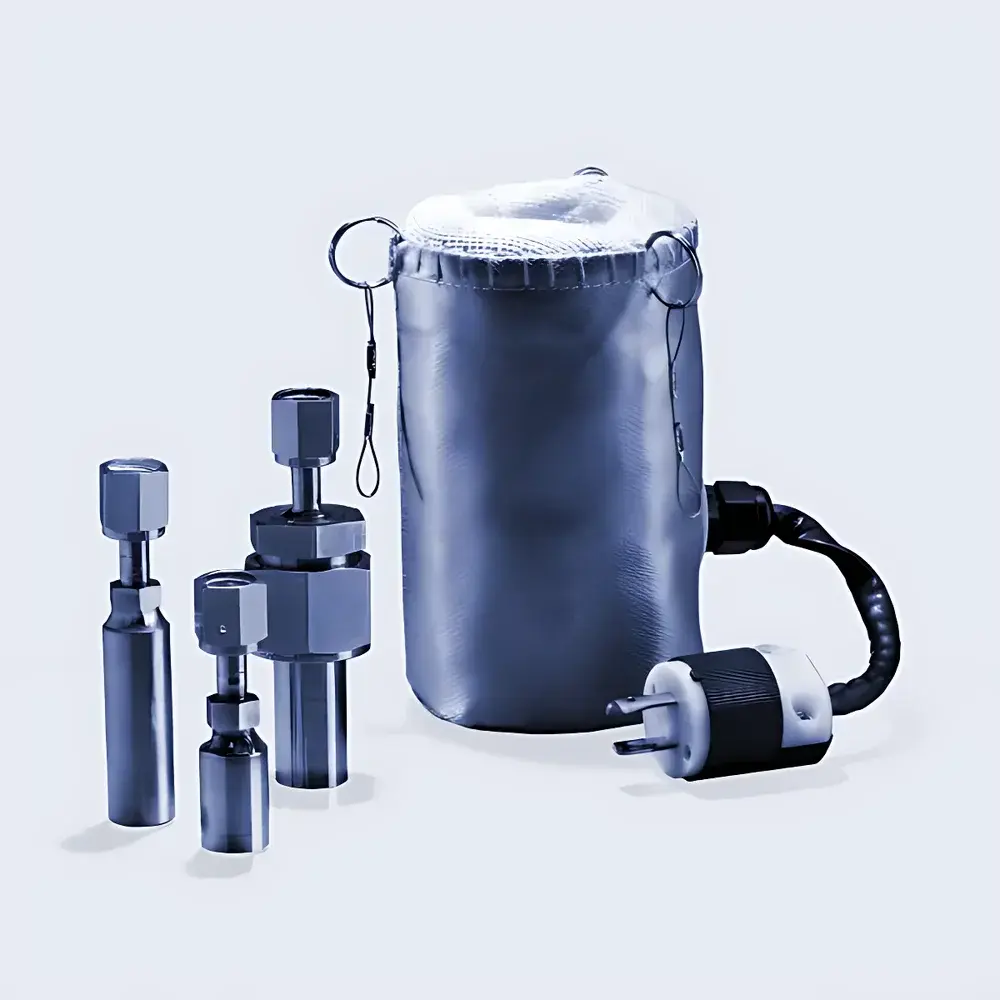
The iSorb HP accommodates diverse solid-phase materials including powders, granules, monoliths, thin films, and MOFs/COFs—using interchangeable high-pressure sample cells with optimized dead volume. Optional cryogenic (75 K) and high-temperature (773 K) accessories enable isotherm acquisition across industrially relevant operating windows. All hardware conforms to ASME B31.3 process piping standards for high-pressure instrumentation. The system supports ASTM D3663 (standard test method for surface area of catalysts), ISO 15901-2 (pore size distribution by gas adsorption), and USP <642> (gas adsorption for pharmaceutical excipients). Built-in helium purge and automated gas-line cleaning protocols ensure compatibility with reactive, corrosive, or incompatible gases—meeting requirements for safe handling under FDA 21 CFR Part 11–aligned environments.
Software & Data Management
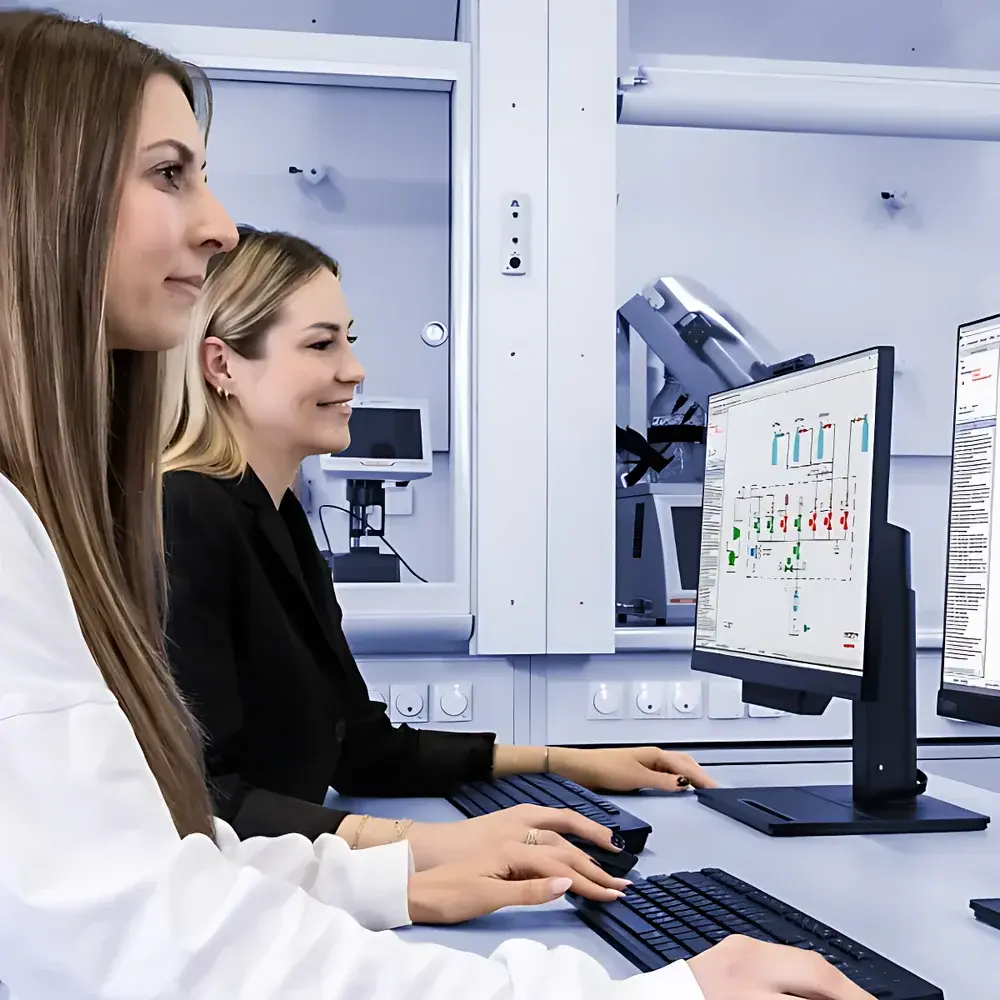
The proprietary iSorb Control Suite provides fully automated experiment sequencing—from degassing (up to 500 °C, in situ) through multi-step isotherm acquisition to kinetic profiling and thermodynamic analysis. It includes embedded equations of state (Peng–Robinson, Soave–Redlich–Kwong, Benedict–Webb–Rubin) for accurate compressibility correction and absolute adsorption calculation. Users can generate isosteric heat of adsorption (Qst) via the Clausius–Clapeyron method across multiple isotherms, extract surface excess isotherms using either target-pressure or quantitative-pressure modes, and compute deliverable storage capacity metrics per ISO 16111. All raw and processed data export to CSV, Excel, or XML formats; graphical logs include playback-enabled animation for full experimental replay. Audit trail functionality records user actions, parameter changes, and instrument states—fully compliant with GLP and GMP documentation standards.
Applications
- Development and validation of porous adsorbents for hydrogen and natural gas onboard storage systems.
- Quantitative evaluation of CO₂ capture efficiency in amine-functionalized sorbents and metal–organic frameworks under flue-gas-relevant partial pressures.
- Thermodynamic characterization of gas–solid interactions in heterogeneous catalysis—supporting reactor design and lifetime prediction.
- Adsorption-induced swelling and mechanical stability assessment of polymeric membranes under high-pressure gas exposure.
- Fundamental studies of competitive adsorption in multicomponent gas mixtures (e.g., CH₄/CO₂/N₂) using sequential or co-adsorption protocols.
- Quality control of activated carbons, zeolites, and silica gels per ASTM D3663 and ISO 9277.
FAQ
What pressure and temperature ranges does the iSorb HP support?
The system operates from 0.0005 bar to 200 bar absolute pressure and 75 K to 773 K (–198 °C to 500 °C), with optional cryostat and furnace modules enabling full coverage.
Does the iSorb HP comply with regulatory data integrity standards?
Yes—it implements electronic signatures, time-stamped audit trails, role-based access control, and immutable log files aligned with FDA 21 CFR Part 11 and EU Annex 11 requirements.
How does the system handle gas purity and cross-contamination?
It features automated gas-line purging cycles, helium-flush interlocks between gas inputs, and programmable sequence-dependent cleaning protocols to prevent residual mixing.
Can the iSorb HP measure both excess and absolute adsorption isotherms?
Yes—via built-in EoS libraries and compressibility corrections, it calculates both surface excess and absolute uptake, including deliverable capacity metrics per ISO 16111.
Is in situ degassing supported at elevated temperatures?
Yes—the system includes fully automated, temperature-programmable degassing up to 500 °C with real-time vacuum monitoring and pressure ramp control.
What safety mechanisms are active during power failure?
Upon power loss, the system automatically isolates the sample cell, initiates helium-assisted depressurization to ambient, and logs all events—ensuring operator safety and sample integrity without manual intervention.



