
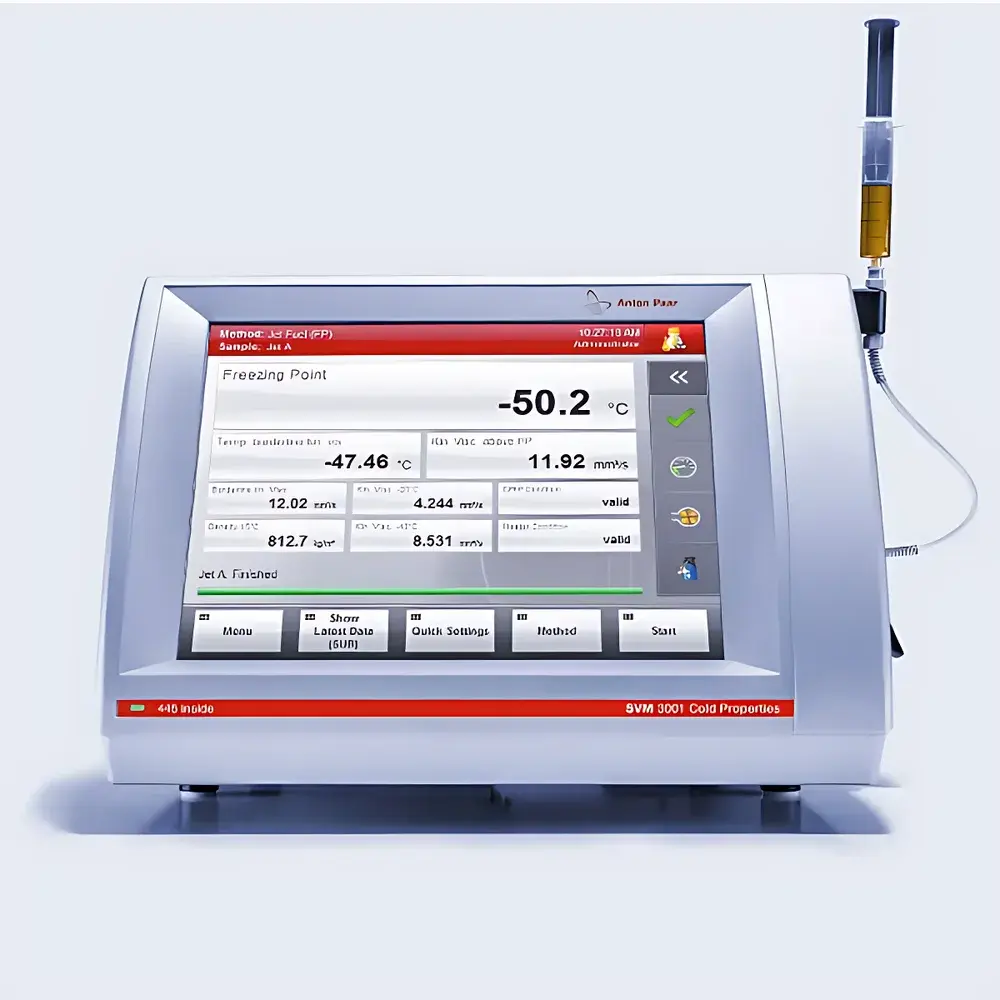
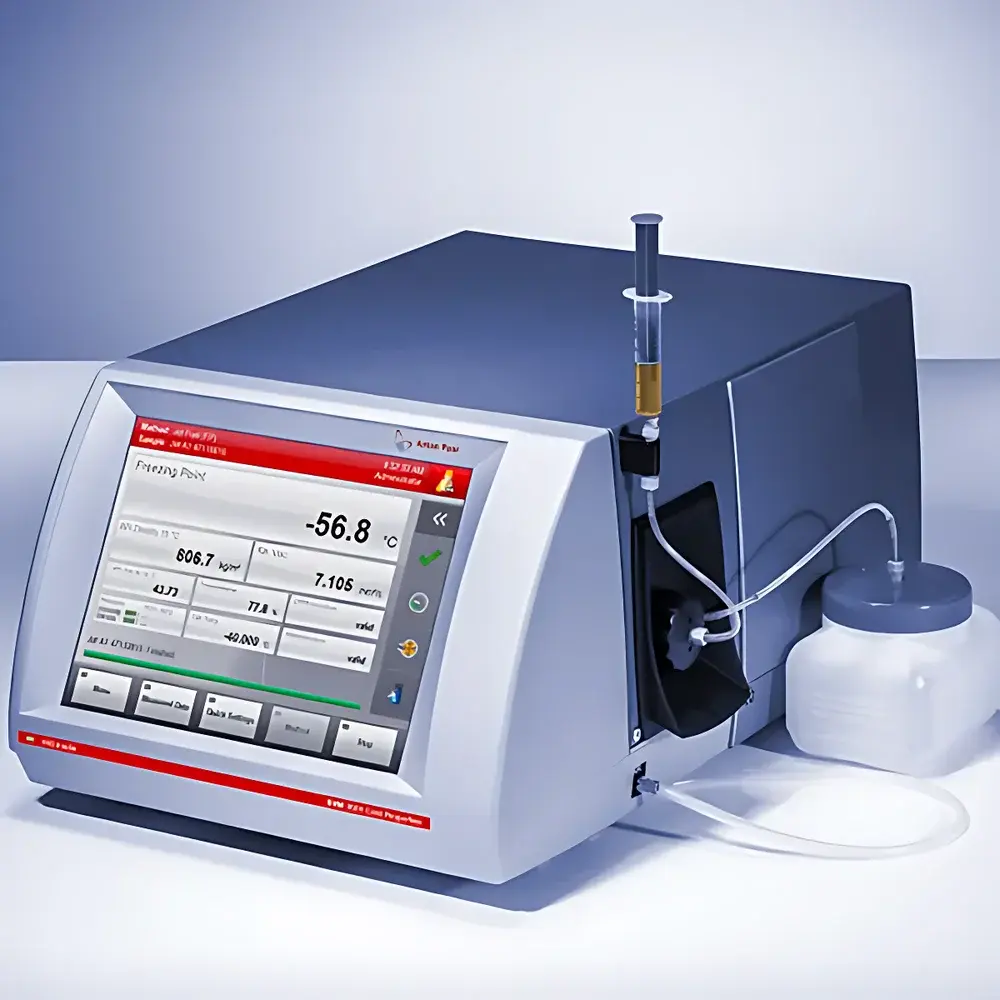
Anton Paar SVM 3001 Cold Properties Integrated Analyzer for Low-Temperature Viscosity, Density, Cloud Point, and Freeze Point
| Brand | Anton Paar |
|---|---|
| Origin | Austria |
| Manufacturer Type | Original Equipment Manufacturer (OEM) |
| Product Origin | Imported |
| Model | SVM 3001 Cold Properties |
| Instrument Category | Multiparameter Physical Property Analyzer |
| Instrument Type | Benchtop Fixed System |
| Operating Environment | Ambient Temperature |
| Kinematic Viscosity Range | 0.2–30,000 mm²/s |
| Temperature Range | −60 °C to +100 °C |
| Compliance | AT516058 (B1), US10036695 (B2), CN105424556, EP2995928 (B1), AT516302 (B1), CN105628550 |
Overview
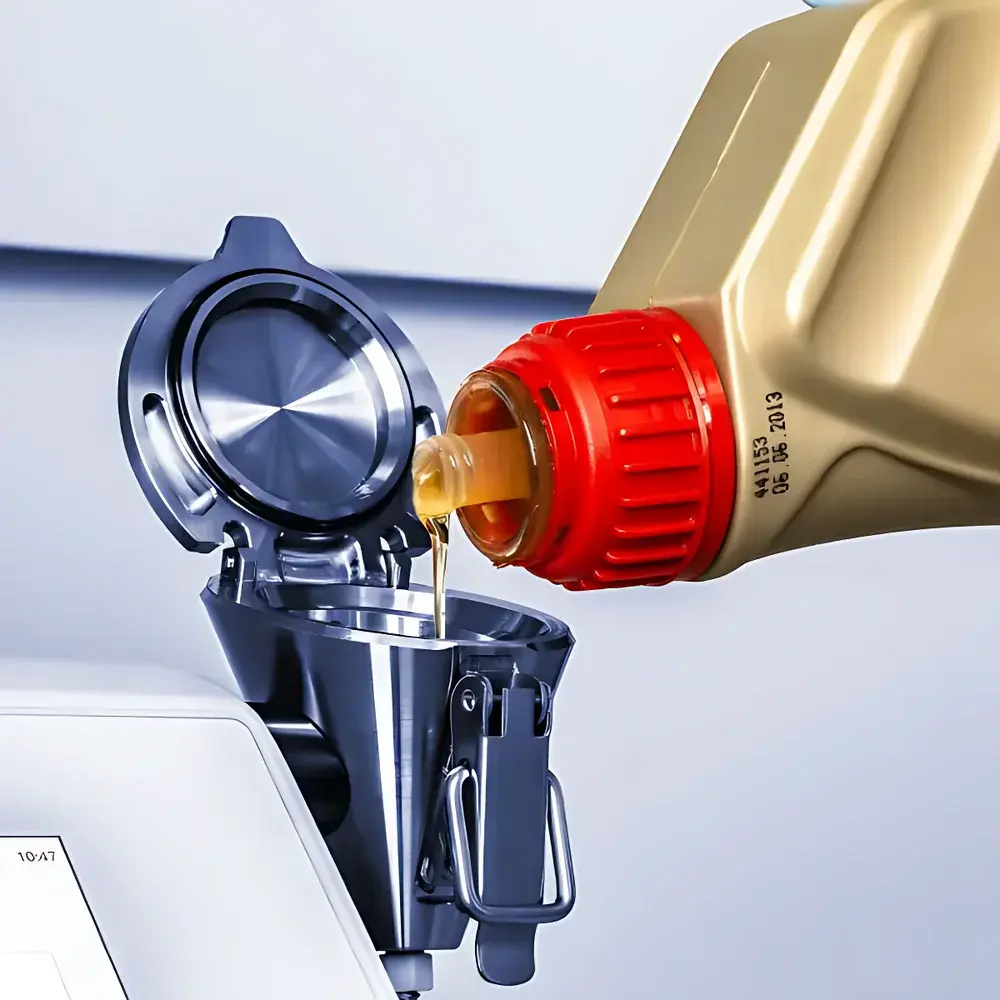
The Anton Paar SVM 3001 Cold Properties is a benchtop multiparameter physical property analyzer engineered for simultaneous, high-precision determination of kinematic viscosity, density, cloud point, and freeze point in a single automated measurement cycle. It employs oscillating U-tube densitometry combined with a patented dual-capillary viscometry principle—based on the measurement of resonant frequency shift under controlled temperature gradients—to deliver traceable, ASTM D7042-compliant kinematic viscosity data. Its integrated cryogenic thermal management system enables stable operation down to −60 °C without external chillers, making it uniquely suited for low-temperature fuel characterization where phase transition behavior directly impacts operational safety and regulatory compliance. Unlike conventional sequential analyzers, the SVM 3001 Cold Properties eliminates inter-instrument variability and sample handling errors by acquiring all four critical cold-flow parameters from one 1.5 mL sample aliquot—ensuring metrological consistency across ISO/IEC 17025-accredited laboratories.
Key Features
- Single-sample, four-parameter analysis: kinematic viscosity (ASTM D7042 / EN 16896), density (ASTM D4052 / EN ISO 12185), cloud point (ASTM D2500 correlation), and freeze point (ASTM D2386 correlation)
- Patented integrated measuring cell with dual-function capillary design, minimizing solvent consumption (≤1.5 mL per cleaning cycle) and eliminating cross-contamination risks
- Independent temperature control with ramp rates up to 20 °C/min, enabling rapid thermal profiling and dynamic phase transition detection
- Self-contained cooling system: achieves −20 °C operation without external refrigeration units—reducing footprint, infrastructure dependency, and energy overhead
- Low power consumption (max. 250 W), supporting sustainable lab operations and reducing HVAC load in temperature-controlled environments
- Robust architecture compliant with IEC 61000-6-3 (EMC) and IEC 61010-1 (safety), certified for use in Class I, Division 2 hazardous locations when configured per ATEX directives
Sample Compatibility & Compliance
The SVM 3001 Cold Properties is validated for hydrocarbon-based liquids including aviation turbine fuels (Jet A-1, JP-8), diesel fuels (EN 590, ASTM D975), biodiesel blends (B5–B20 per ASTM D7467), marine distillates (ISO 8217), base oils (ASTM D2006), and lubricants. Its measurement methodology satisfies the technical requirements of over 18 international standards, including ASTM D1655 (jet fuel specification), DEF STAN 91-091 (UK MoD jet fuel), JIG AFQRJOS (aviation fuel quality assurance), ASTM D396 (fuel oil), ASTM D6823 (low-sulfur diesel), and EN ISO 16896 (kinematic viscosity of petroleum products). The instrument’s firmware implements ASTM-developed deviation correction algorithms to generate D445-equivalent kinematic viscosity values from D7042 raw data—ensuring seamless integration into legacy QC workflows while leveraging modern oscillatory measurement advantages. All measurements are traceable to NIST SRMs and supported by full audit trails required under FDA 21 CFR Part 11 and EU Annex 11 for GxP environments.
Software & Data Management
Controlled via Anton Paar’s proprietary PDC (Physical Property Data Collection) software, the SVM 3001 Cold Properties provides full GLP/GMP-compliant data handling. The software supports user-defined method templates, automatic pass/fail evaluation against configurable specification limits, and export of structured reports in PDF/A-1b and CSV formats. Audit trail functionality records all operator actions, parameter changes, calibration events, and measurement results with immutable timestamps and digital signatures. Raw sensor data—including resonant frequency, temperature derivative profiles, and optical transmittance curves during cloud/freeze detection—is stored in vendor-neutral HDF5 format for third-party reprocessing or AI-driven trend analysis. Remote monitoring and diagnostic capabilities are enabled via secure HTTPS API, compatible with LIMS integration through ASTM E1384 or HL7 messaging protocols.
Applications
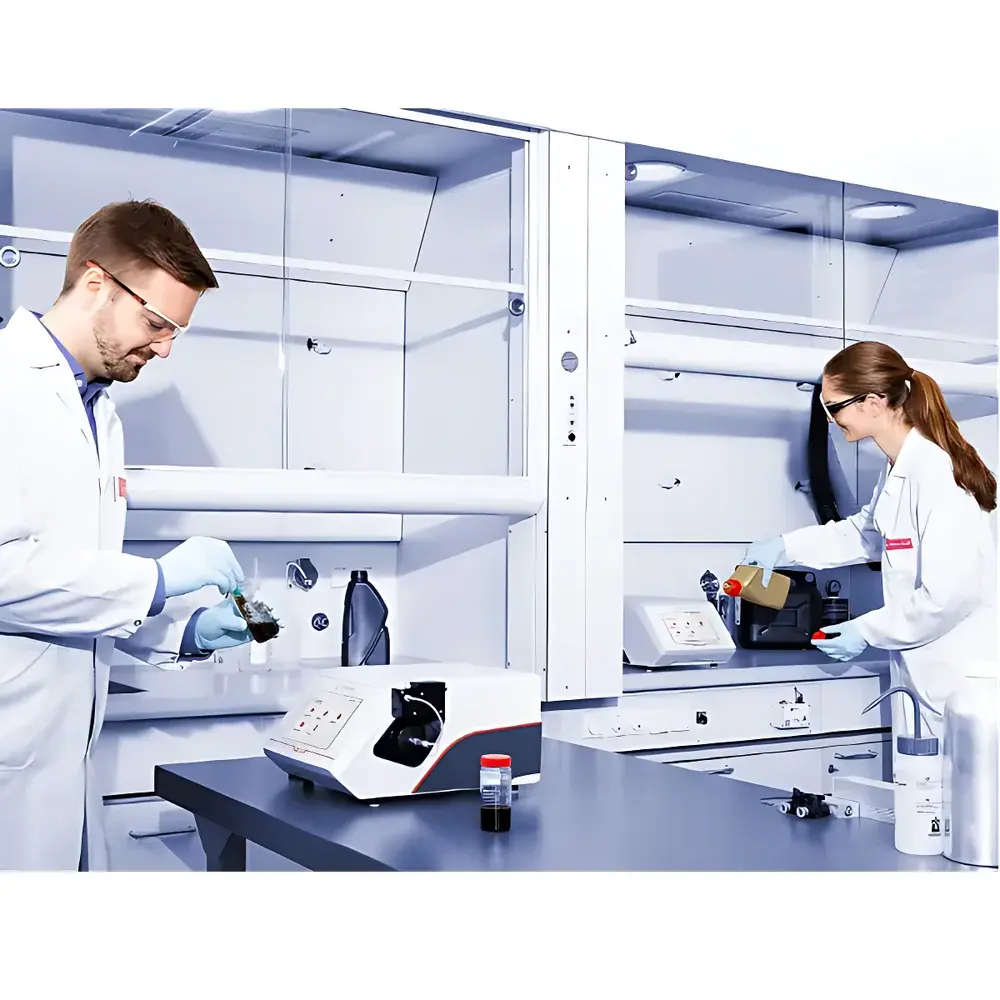
- Aviation fuel certification: simultaneous verification of cold flow properties required for ASTM D1655 Annex A2 and DEF STAN 91-091 Clause 4.3.2
- Biorefinery QC: monitoring cloud point depression in hydrotreated esters and fatty acid methyl esters (FAME) per EN 14214
- R&D of low-temperature lubricants: correlating viscosity index, pour point analogs, and wax crystallization onset
- Fuel blending optimization: quantifying additive efficacy on ice nucleation kinetics and paraffin agglomeration thresholds
- Regulatory submission support: generating auditable datasets for EPA, ECHA, and Transport Canada compliance dossiers
- Refinery turnaround support: rapid field-deployable verification of pipeline sludge mobility at sub-zero temperatures
FAQ
Does the SVM 3001 Cold Properties require external cooling to reach −60 °C?
No. Its integrated Peltier-based thermal management system achieves full temperature range (−60 °C to +100 °C) without auxiliary chillers or liquid nitrogen.
Can it replace separate ASTM D2500 and D2386 test setups?
Yes. Its optical turbidity detection and differential thermal analysis modules produce results statistically equivalent to manual ASTM D2500 and D2386 methods, validated per ASTM D7042 Annex A3.
Is the instrument suitable for dirty or high-wax-content samples?
It supports automated ultrasonic cell cleaning cycles and optional heated inlet lines (up to 120 °C) to prevent clogging during analysis of heavy distillates or bio-oils.
How is calibration traceability maintained?
Calibration uses certified reference materials traceable to NIST SRM 2783 (density), SRM 2784 (viscosity), and SRM 2785 (cloud point), with full uncertainty budgets generated per ISO/IEC 17025:2017 Clause 6.5.
What cybersecurity measures are implemented?
The embedded Linux OS features TLS 1.2 encryption, role-based access control (RBAC), disabled default accounts, and quarterly security patching aligned with IEC 62443-3-3 SL2 requirements.



