
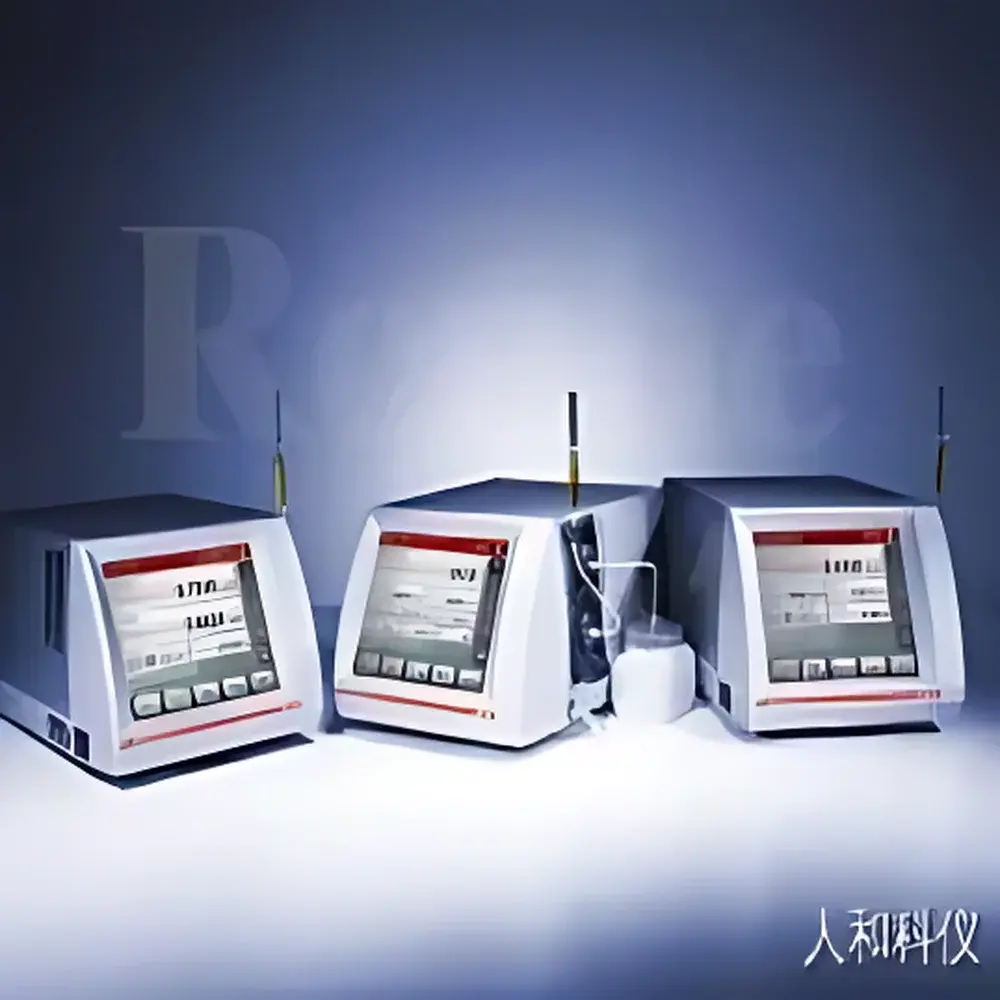
Anton Paar SVM™ Series Stabinger Viscometer
| Brand | Anton Paar |
|---|---|
| Origin | Austria |
| Model | SVM™ 2001 / SVM™ 3001 / SVM™ 4001 |
| Viscosity Range | 0.2 to 30,000 mm²/s |
| Temperature Range | +15 °C to +100 °C (SVM™ 2001 & 4001) |
| Density Range | 0.6 to 3.0 g/cm³ |
| Sample Volume | 1.5–6 mL |
| Compliance | ASTM D7042, ISO 12185, EN 16896, ASTM D4052, ISO 2909, ASTM D2270, ISO 91, ASTM D1250, ASTM D2161 |
| Cooling | Integrated Peltier (down to –20 °C) |
| Power | AC 100–240 V, 50–60 Hz, max. 250 VA |
| Dimensions (W × D × H) | 33 × 51 × 23.1 cm |
| Net Weight | 15.9–17.8 kg |
Overview
The Anton Paar SVM™ Series Stabinger Viscometer is a high-precision, dual-parameter physical property analyzer engineered for simultaneous measurement of kinematic viscosity and density in a single sample injection. Unlike capillary or rotational viscometers, the SVM™ employs the Stabinger principle—a torsional resonator-based method combining oscillating U-tube density measurement with a rotating spindle geometry—enabling traceable, temperature-controlled determination of kinematic viscosity (ν), dynamic viscosity (η), density (ρ), viscosity index (VI), API gravity, and Saybolt Universal viscosity—all compliant with internationally recognized standards including ASTM D7042, ISO 12185, EN 16896, and ASTM D4052. Designed for laboratories requiring regulatory-grade reproducibility and multi-parameter efficiency, the SVM™ eliminates sequential instrument use, reduces inter-method variability, and supports GLP/GMP workflows through full audit trail capability and 21 CFR Part 11–ready software architecture.
Key Features
- Single-injection multi-parameter analysis: Kinematic viscosity, dynamic viscosity, density, VI, API gravity, and Saybolt Universal viscosity derived from one 1.5–6 mL sample.
- Three model configurations: SVM™ 2001 (15–100 °C), SVM™ 3001 (–60–135 °C with external coolant), and SVM™ 4001 (dual-cell, simultaneous two-temperature measurement at user-defined setpoints within 15–100 °C).
- Peltier-based thermostatic control with optional external cooling (water/ethylene glycol), enabling stable sub-zero operation without flammable coolants.
- Integrated FillingCheck™ technology verifies sample fill level, bubble presence, and flow integrity prior to measurement—ensuring data validity and reducing operator dependency.
- Modular automation compatibility: Supports 45- or 71-position autosamplers, heated inlet modules, and seamless integration with Abbemat refractometers for extended fluid characterization.
- Chemically resistant wetted path: Titanium, Inconel®, A4 stainless steel, and Kalrez® Spectrum 0040 O-rings ensure long-term stability with hydrocarbons, biofuels, lubricants, and aggressive solvents.
- Touchscreen HMI with optional keyboard/mouse and 2D barcode reader; full USB 2.0, Ethernet (100 Mbit), RS-232, CAN Bus, and VGA connectivity.
Sample Compatibility & Compliance
The SVM™ Series accommodates a broad spectrum of liquid samples—including aviation turbine fuel (Jet A-1), diesel, base oils, synthetic lubricants, biodiesel blends, crude fractions, waxes, and hydraulic fluids—without hardware modification. Its universal measuring cell operates across the full specified viscosity range (0.2–30,000 mm²/s) and density range (0.6–3.0 g/cm³), eliminating the need for interchangeable capillaries or spindles. All models conform to CE marking requirements under EN 61010-1 (safety) and EN 61326-1 (EMC), and meet RoHS directives. Measurement protocols are validated against ASTM D7042 (kinematic viscosity), ASTM D4052 (density), ISO 2909/ASTM D2270 (viscosity index), ISO 91/API RP 2540 (API gravity), and ASTM D2161 (Saybolt viscosity), ensuring global regulatory acceptance in petrochemical QC, refinery labs, and contract testing facilities subject to ISO/IEC 17025 accreditation.
Software & Data Management
Operating on Anton Paar’s proprietary One Click™ software platform, the SVM™ Series provides fully traceable data acquisition with configurable measurement modes (Ultra-Fast, Fast, Precise, Ultra-Precise), automated temperature ramping, and programmable VI calculation per ISO 2909. The system stores up to 1,000 measurement records locally, with export options to CSV, PDF, and LIMS-compatible XML formats. Audit trails record user ID, timestamp, parameter settings, calibration history, and raw sensor outputs—fully compliant with FDA 21 CFR Part 11 requirements when deployed with electronic signatures and role-based access control. Optional validation packages include IQ/OQ documentation, GxP-compliant installation reports, and periodic performance verification protocols aligned with ASTM E2500 and ISO/IEC 17025 clause 5.5.
Applications
- Petrochemical quality control: Routine testing of distillate fuels, lubricant base stocks, and finished engine oils per ASTM D97, D445, and D7042.
- Research & development: Temperature-sweep studies of low-temperature flow behavior (e.g., pour point correlation), shear-thinning assessment, and formulation optimization.
- Regulatory compliance: Submission-ready reporting for EPA, ASTM, ISO, and API certification programs, including viscosity grading (SAE J300), oxidation stability screening, and cold-flow improver evaluation.
- Contract laboratories: High-throughput analysis of heterogeneous sample batches (up to 30 samples/hour on SVM™ 2001) with minimal solvent consumption (<6 mL cleaning volume per run).
- Sustainability-driven operations: Reduced sample and solvent usage lowers hazardous waste generation, disposal costs, and carbon footprint—supporting ISO 14001-aligned lab practices.
FAQ
What distinguishes the Stabinger principle from conventional capillary viscometry?
Unlike gravity-driven capillary methods requiring fixed tube geometry and manual timing, the Stabinger principle uses a rotating spindle within an oscillating U-tube, directly correlating torque and resonant frequency to kinematic viscosity—eliminating calibration drift and enabling true density-coupled viscosity calculation.
Can the SVM™ 4001 measure viscosity and density at non-standard temperatures (e.g., 40 °C and 100 °C simultaneously)?
Yes—the dual-cell design allows independent thermal control of each measurement chamber, supporting concurrent determinations at any two user-defined temperatures within the 15–100 °C range, essential for VI calculation per ISO 2909.
Is external refrigeration required to reach –60 °C?
Yes. The SVM™ 3001 achieves –60 °C only with an external chiller using water/ethylene glycol mixture; its integrated Peltier system cools to –20 °C without auxiliary equipment.
How does FillingCheck™ improve measurement reliability?
FillingCheck™ acoustically monitors sample introduction in real time, detecting air bubbles, incomplete filling, or laminar flow disruption—aborting invalid runs before data acquisition begins, thereby preventing false positives and rework.
Are calibration certificates provided with factory shipment?
All SVM™ instruments ship with NIST-traceable calibration certificates for viscosity and density, performed using certified reference materials (CRMs) per ISO/IEC 17025-accredited procedures.



