
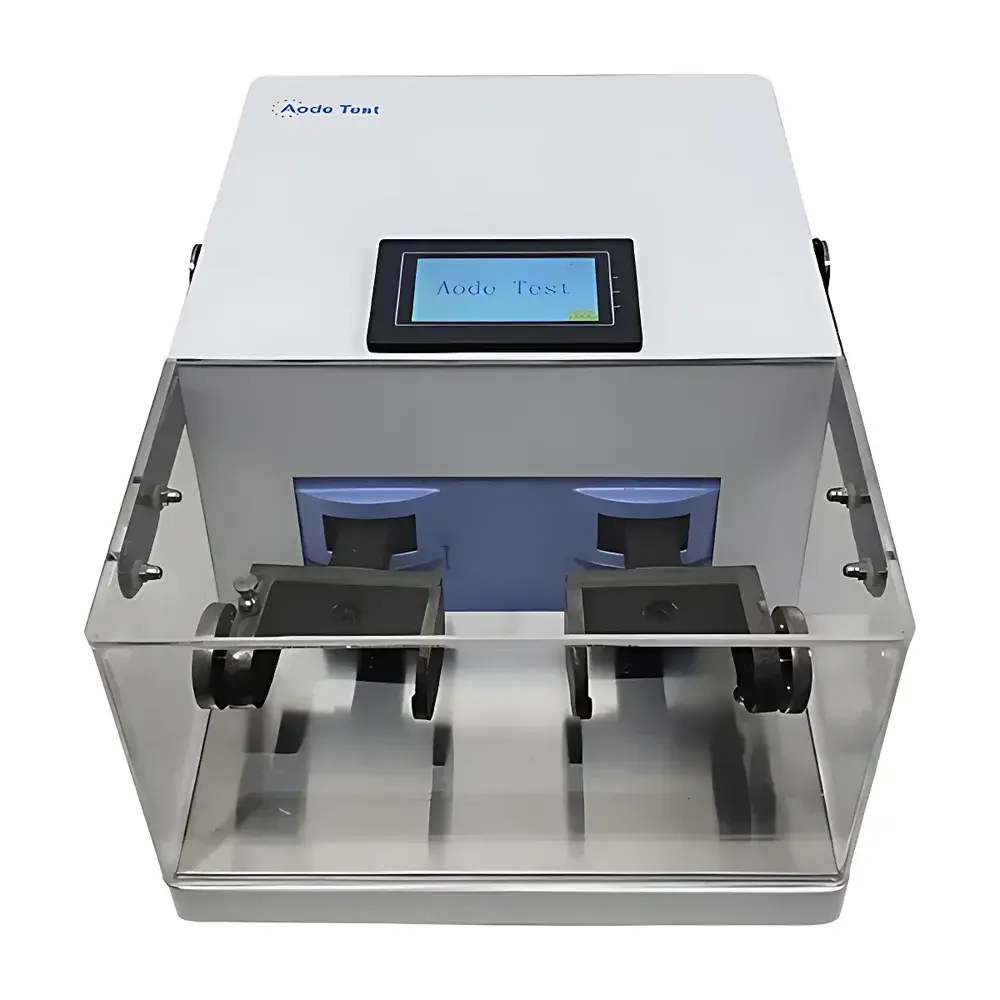
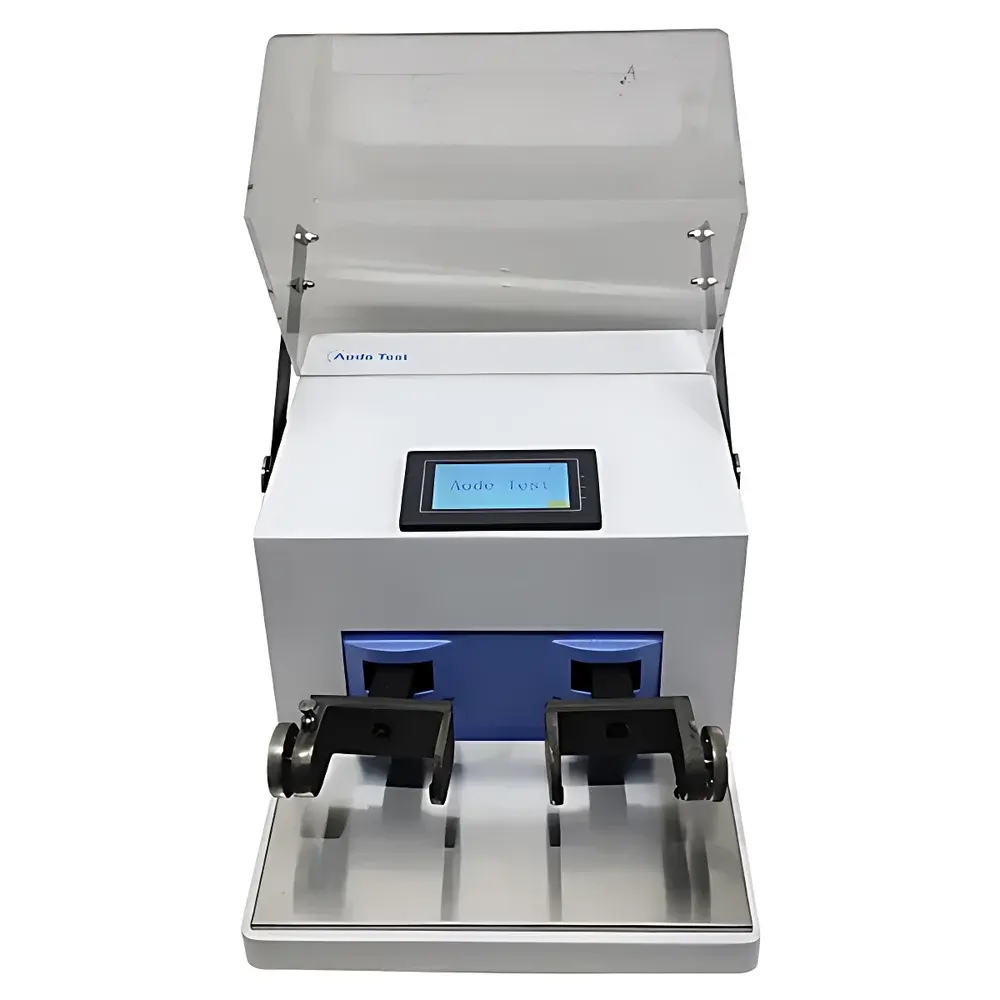
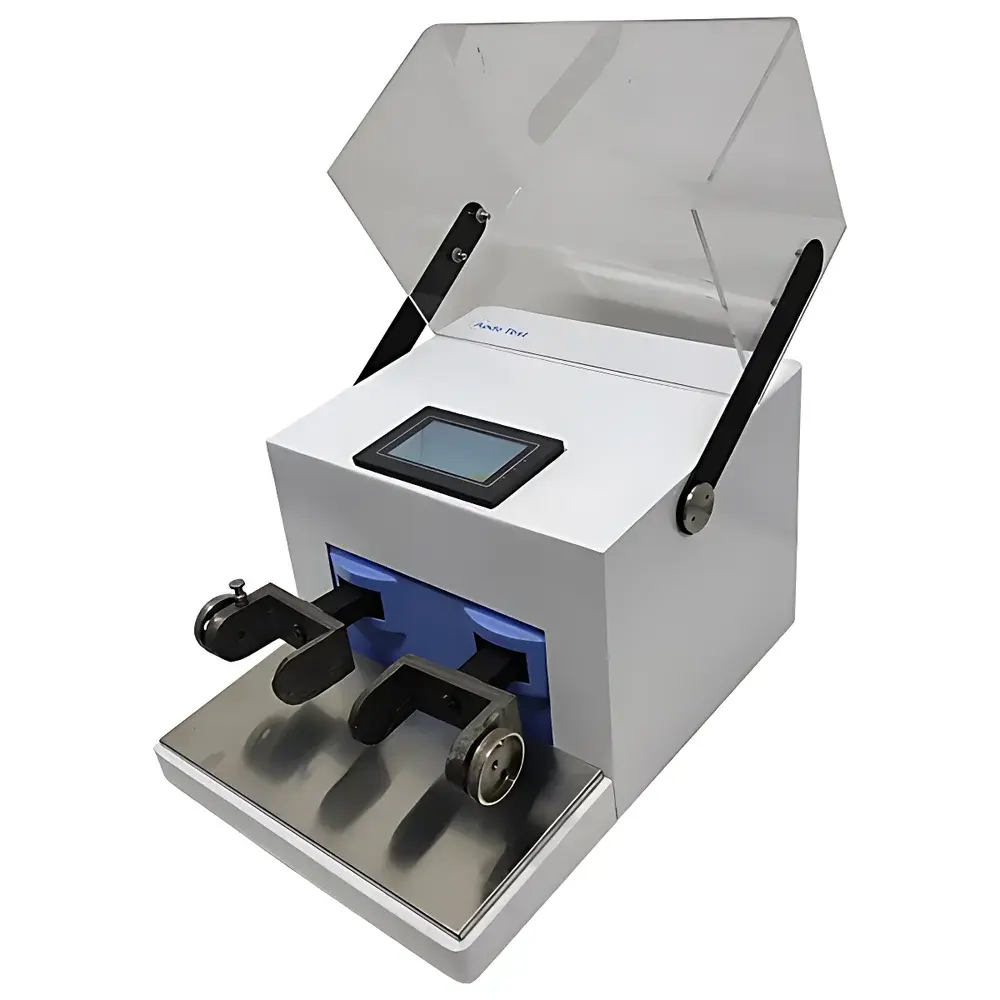
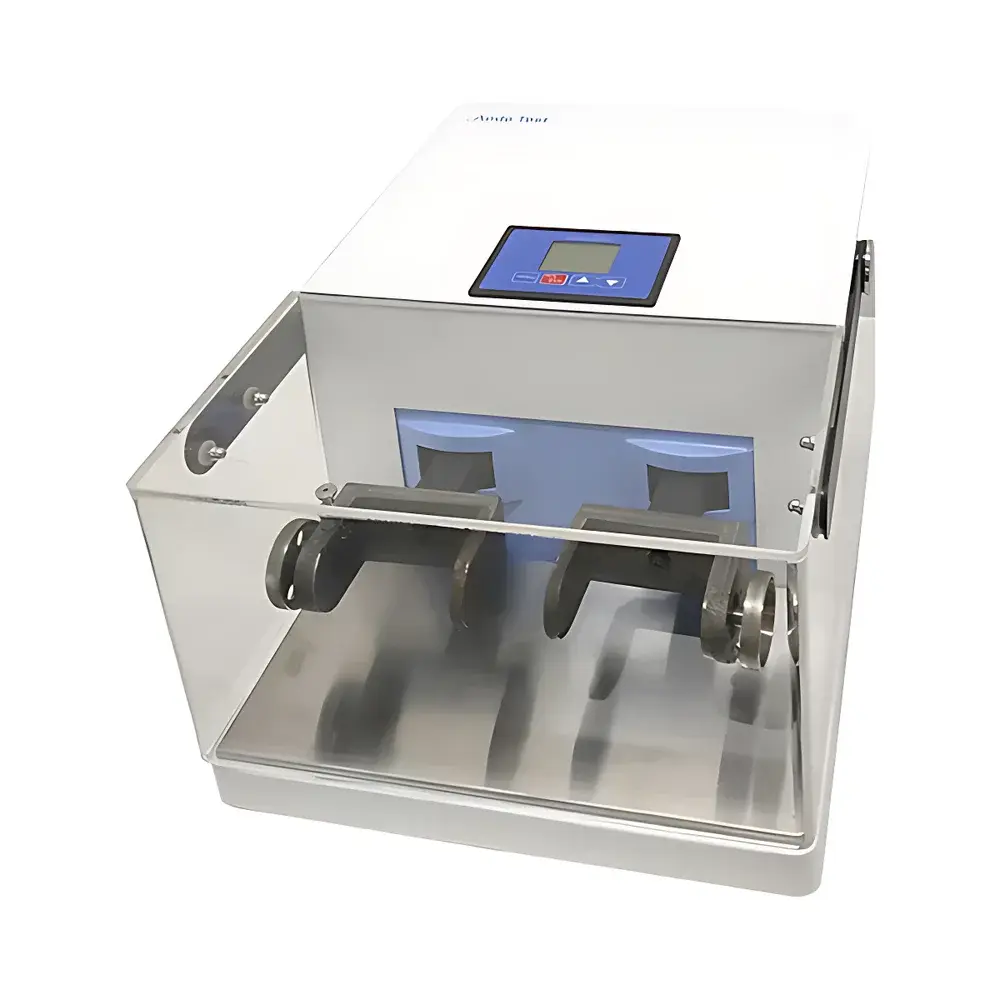
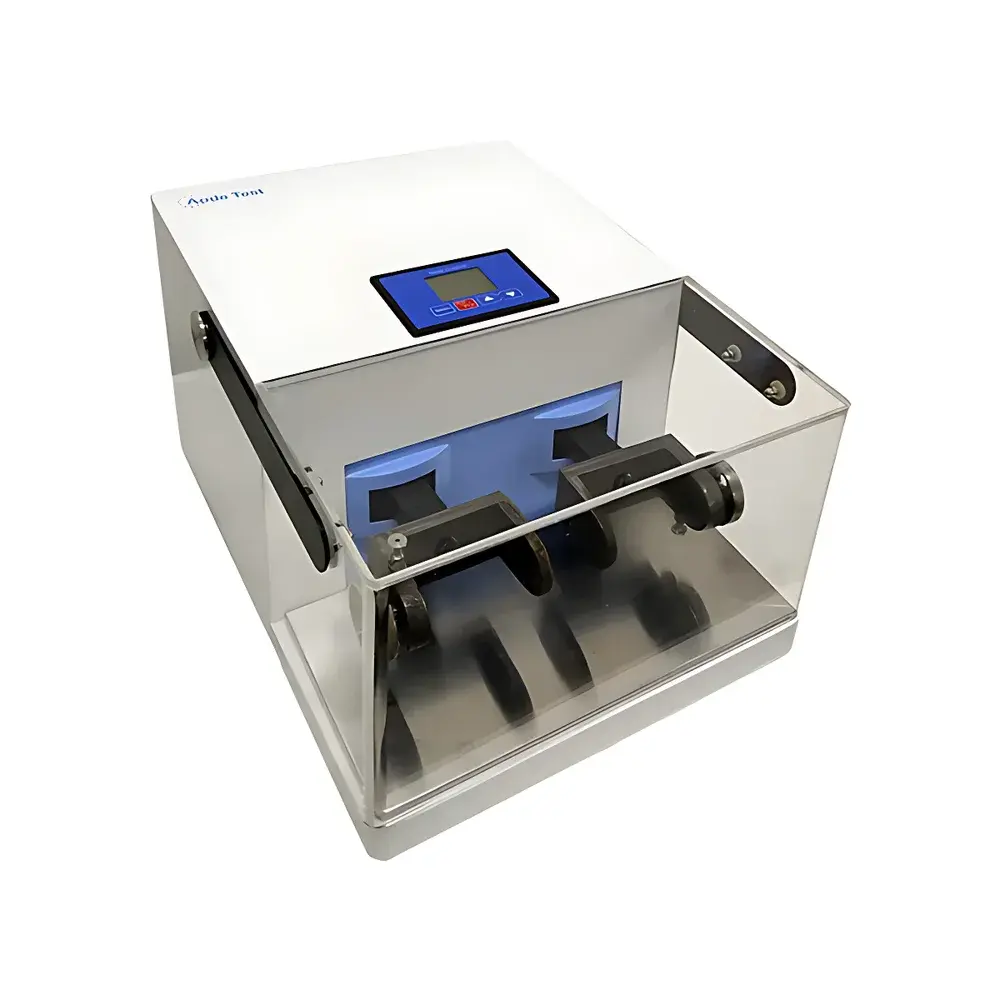
Aode Aode107 Multi-Function Vibratory Ball Mill
| Brand | Aode |
|---|---|
| Origin | Liaoning, China |
| Manufacturer Type | Direct Manufacturer |
| Region of Origin | Domestic (China) |
| Model | Aode107 |
| Price Range | USD 7,000 – 14,000 |
| Instrument Type | Vibratory Ball Mill |
| Sample Suitability | Hard, Brittle, Fibrous, Elastic, Tough, Soft, and Biological Materials (e.g., Plant Tissues, Animal Organs) |
| Final Particle Size | ≤5 µm |
| Feed Particle Size | ≤5 mm |
| Batch Capacity | 100 mL per run |
| Operating Frequency | ~3600 oscillations/min |
| Chamber Configuration | Dual horizontal grinding stations |
| Vessel Options | 25 mL & 50 mL elliptical jars |
| Power Supply | 220 V, 50 Hz, 160 W |
| Dimensions (W×D×H) | 440 × 230 × 340 mm |
| Net Weight | 20 kg |
| Safety | Transparent polycarbonate chamber with interlocked stop mechanism |
| Cooling Compatibility | Cryogenic grinding supported (liquid nitrogen or refrigerated adapters) |
Overview
The Aode Aode107 Multi-Function Vibratory Ball Mill is a high-frequency, dual-station laboratory mill engineered for rapid, reproducible size reduction and homogenization of diverse solid materials. It operates on the principle of high-energy vibrational impact—where elliptical grinding jars undergo controlled horizontal oscillation at approximately 3600 cycles per minute. This motion induces intense collision cascades among grinding media (e.g., stainless steel, tungsten carbide, or ceramic balls), resulting in efficient mechanical attrition of samples. Unlike planetary or rotary ball mills, the Aode107 delivers superior energy transfer efficiency at low thermal load, making it particularly suitable for heat-sensitive biological matrices—including tissues, seeds, leaves, and cultured cells—without compromising nucleic acid integrity. Its modular architecture supports both standard jar-based milling and high-throughput cryogenic processing, aligning with modern requirements for scalable sample preparation in genomics, metabolomics, and materials science workflows.
Key Features
- Dual independent grinding stations enable parallel processing of two samples or simultaneous operation with one jar and one 48-position adapter—maximizing throughput without cross-contamination.
- Elliptical grinding jars (25 mL and 50 mL) optimize media trajectory and impact force distribution, enhancing grinding efficiency and reducing residual particle agglomeration.
- Cryo-compatible design allows integration with liquid nitrogen-cooled adapters or pre-chilled vessels, enabling sub-zero grinding to preserve labile biomolecules and inhibit enzymatic degradation during tissue homogenization.
- Programmable operation modes include progressive start/stop, timed run cycles, intermittent pulsing, and variable frequency control—facilitating method optimization across heterogeneous sample types.
- Polycarbonate safety chamber provides full visual access to real-time grinding dynamics while incorporating an automatic interlock system that halts oscillation immediately upon door opening—ensuring operator compliance with ISO 13857 and IEC 61000-6-2 safety standards.
- Low-power consumption (160 W) and compact footprint (440 × 230 × 340 mm) make it ideal for space-constrained laboratories, including cleanrooms and biosafety cabinets.
Sample Compatibility & Compliance
The Aode107 accommodates a broad spectrum of sample categories: hard ceramics and minerals (e.g., oxides, silicates), brittle alloys, polymeric composites, pharmaceutical excipients, agricultural grains, and fresh/frozen biological specimens. Its ability to achieve final particle sizes ≤5 µm meets common specifications outlined in ASTM D5630 (for polymer filler dispersion analysis) and USP (for particle size distribution in drug substance characterization). When used with certified cryo-adapters and validated protocols, the instrument supports GLP-compliant RNA/DNA extraction workflows aligned with ISO/IEC 17025 requirements for testing laboratories. All electrical components conform to CE marking directives (EMC Directive 2014/30/EU and Low Voltage Directive 2014/35/EU).
Software & Data Management
While the Aode107 operates via intuitive front-panel controls (no embedded software required), its parameter settings—including frequency, duration, pause intervals, and ramp profiles—are fully documentable in laboratory notebooks or LIMS-integrated electronic records. For audit readiness, users may log operational parameters manually or integrate with external time-stamped data loggers compliant with FDA 21 CFR Part 11 for electronic signatures and record retention. Routine calibration checks (e.g., frequency verification using optical tachometry) are recommended every six months to maintain traceability under ISO/IEC 17025 Clause 6.5.
Applications
- Pre-analytical sample preparation for XRD, SEM-EDS, and BET surface area analysis requiring sub-5 µm homogeneity.
- Routine homogenization of plant roots, fungal mycelia, and animal liver/kidney tissues prior to qPCR or NGS library construction.
- Pharmaceutical R&D: micronization of active pharmaceutical ingredients (APIs) and excipient blending for dissolution testing per USP .
- Geological and metallurgical labs: rapid comminution of ore samples prior to ICP-MS or AAS elemental analysis.
- Food science: particle size reduction of spices, coffee beans, and functional food powders for texture and stability evaluation.
FAQ
What is the maximum feed particle size the Aode107 can accept?
The instrument accepts feed particles up to 5 mm in diameter. Larger fragments should be pre-crushed using a mortar or jaw crusher to avoid jar deformation or uneven wear.
Can the Aode107 be used for wet grinding?
Yes—wet grinding is supported with compatible solvent-resistant jars and media. Users must ensure chemical compatibility between solvents, jar material (e.g., stainless steel vs. zirconia), and grinding balls.
Is validation documentation available for GMP environments?
Aode provides IQ/OQ templates and calibration guidance documents upon request. Full PQ execution requires user-defined acceptance criteria aligned with internal SOPs and regulatory expectations.
How often does maintenance require scheduled intervention?
Routine inspection of jar clamps, vibration dampeners, and motor coupling is advised quarterly. Bearing lubrication and frequency calibration are recommended biannually by qualified service personnel.
Does the instrument support remote monitoring or network connectivity?
The base model operates as a standalone unit. Integration with building management systems or SCADA platforms requires third-party IoT gateways and custom firmware development—not provided by Aode.



