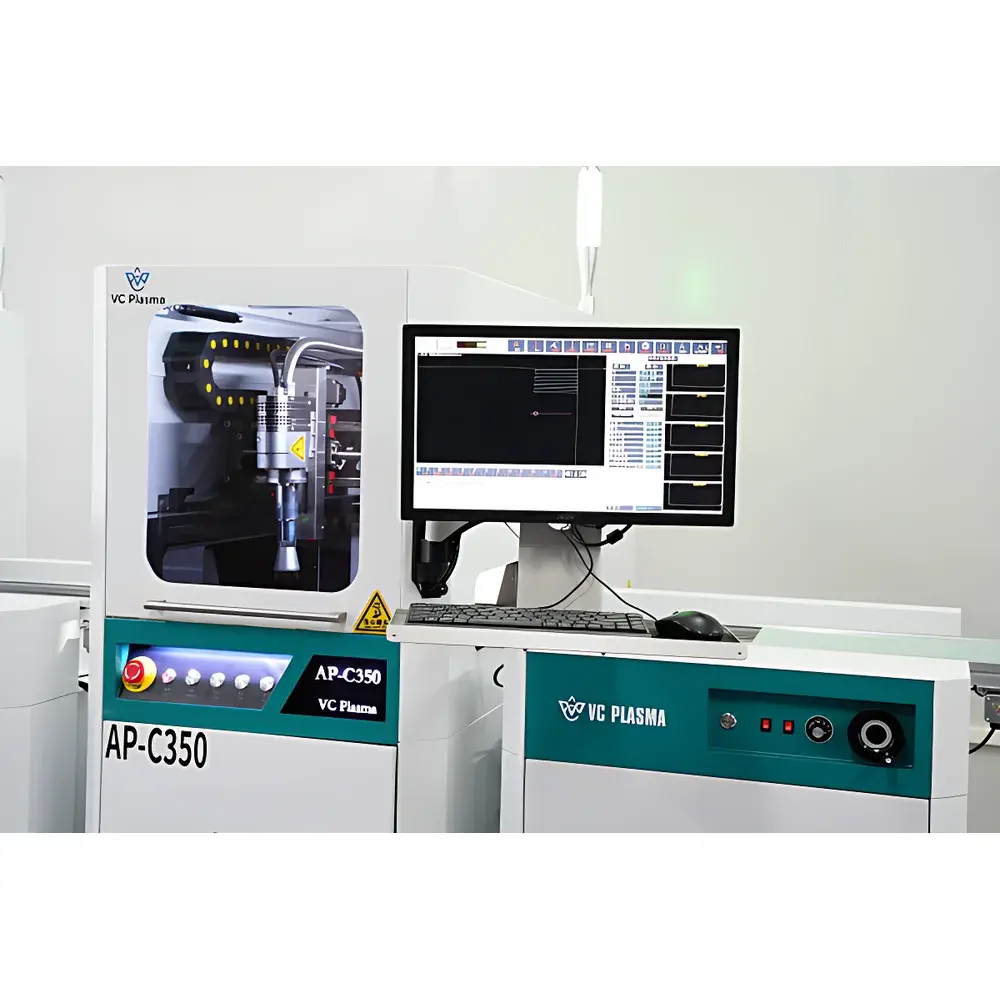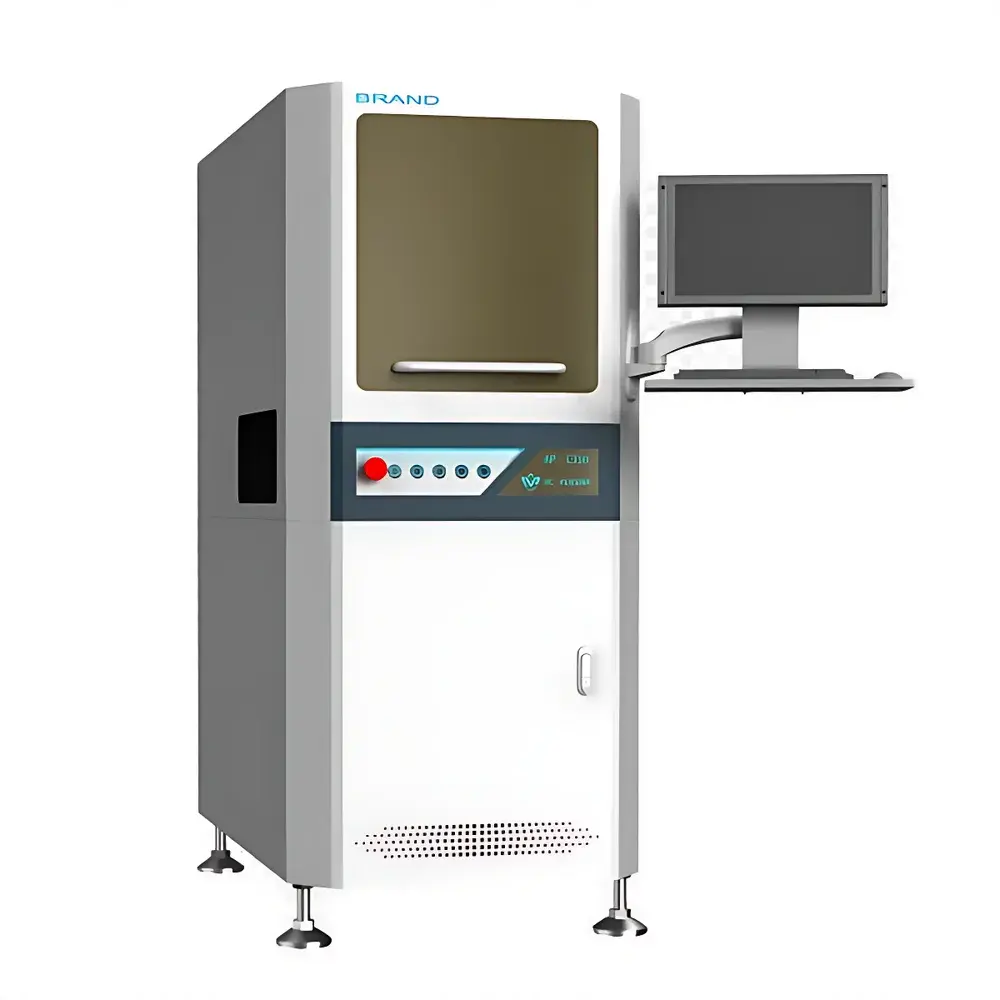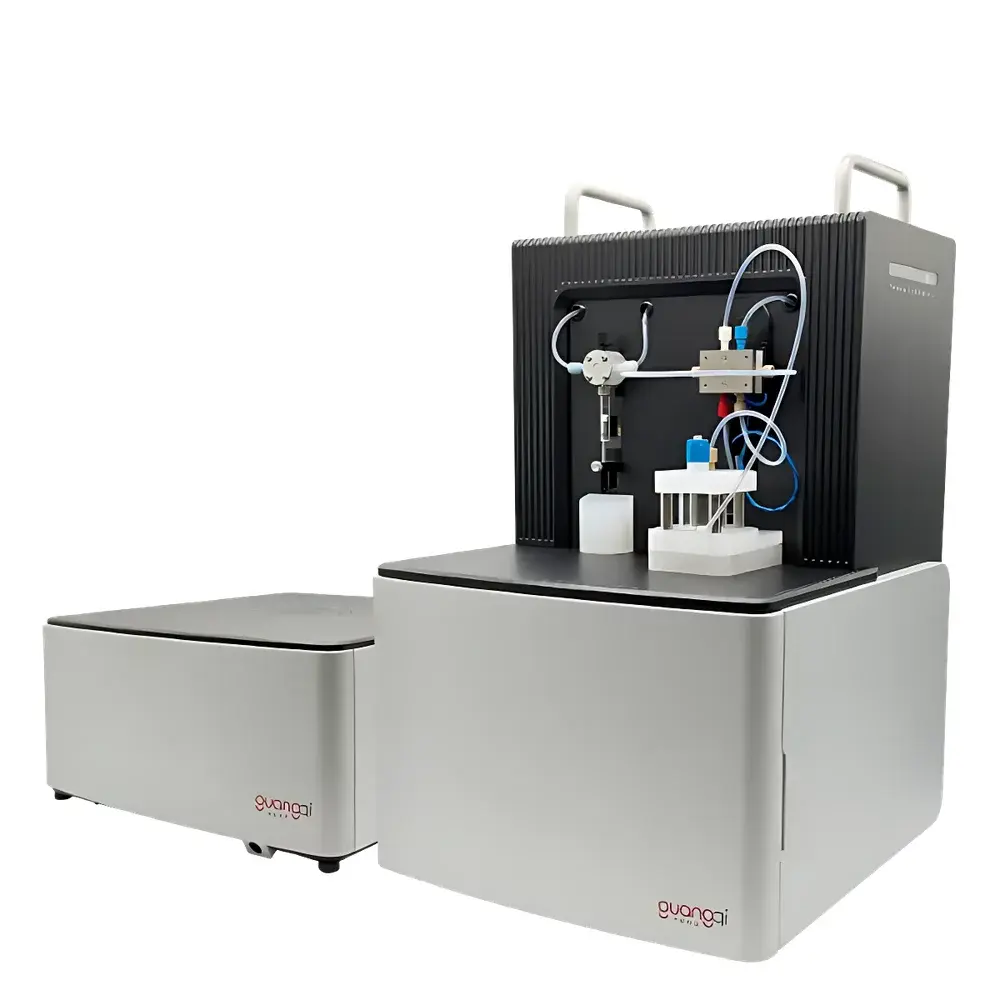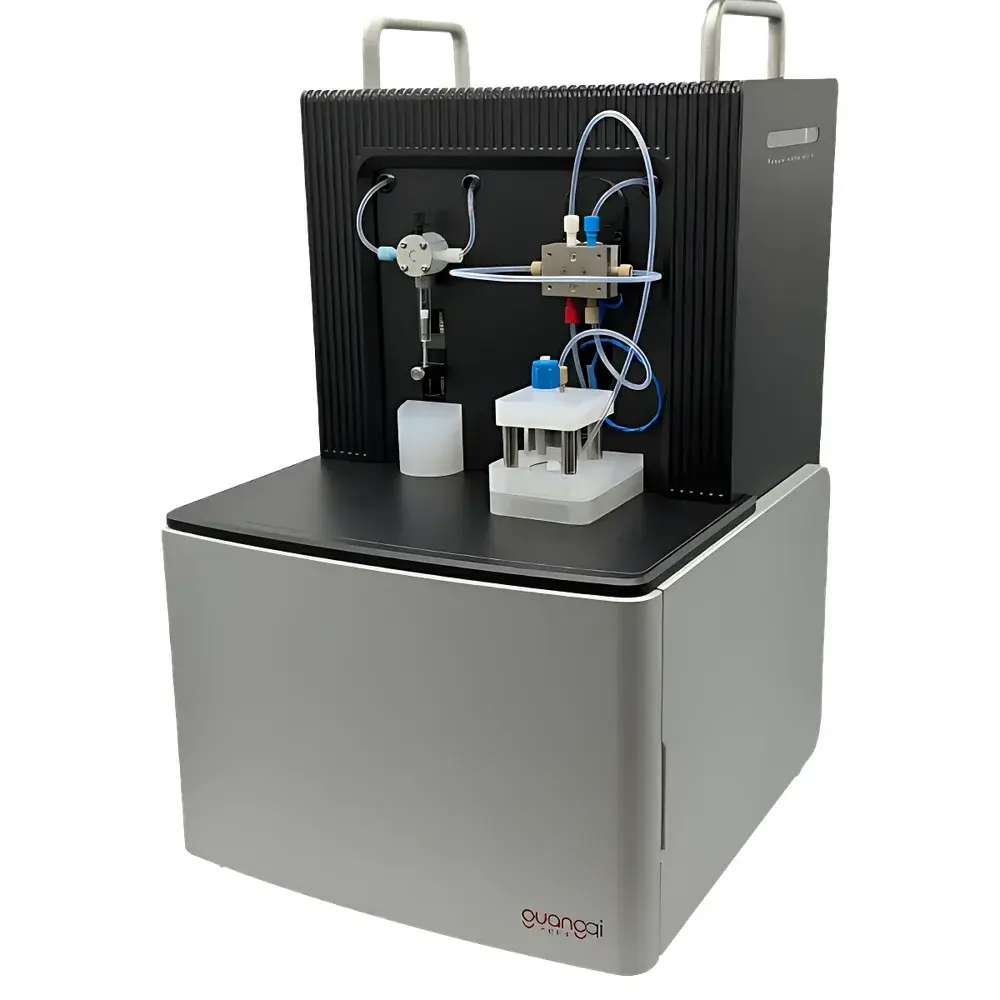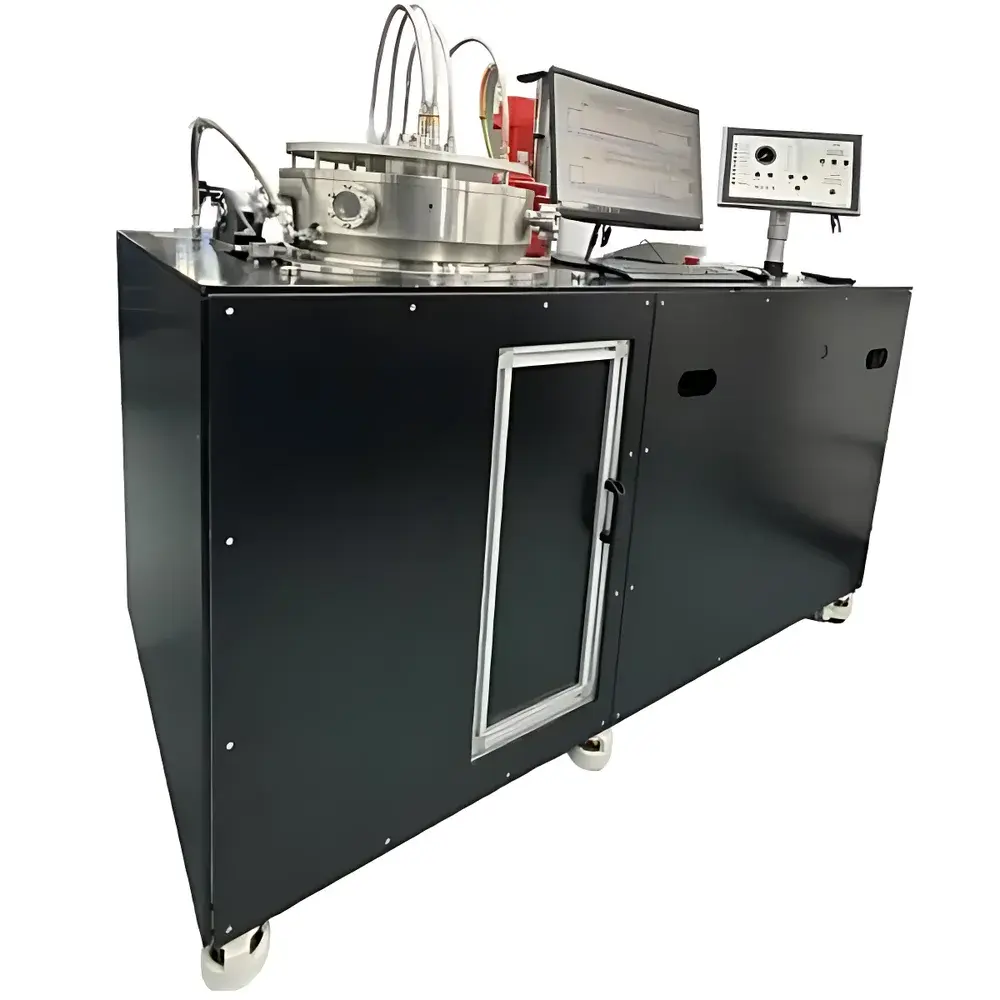
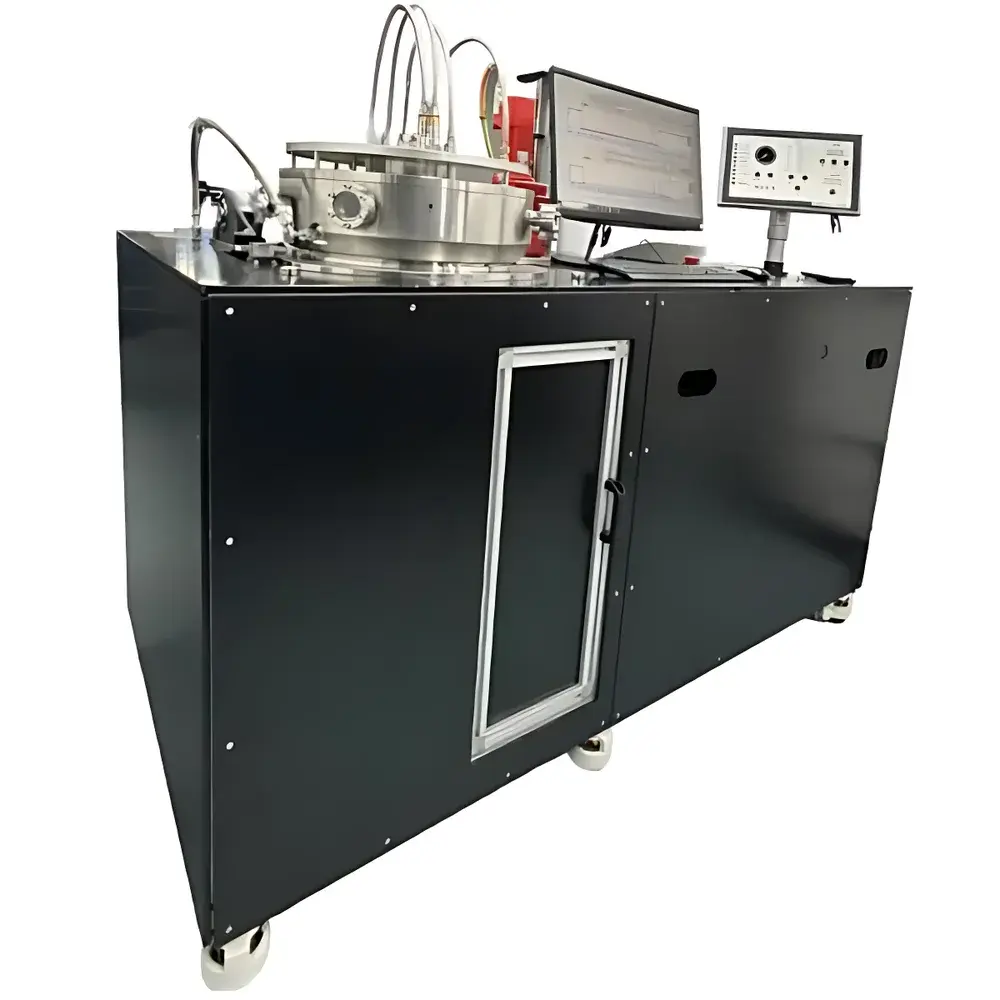
Appsilon MPCVD Microwave Plasma Chemical Vapor Deposition System
| Brand | Appsilon |
|---|---|
| Origin | Netherlands |
| Manufacturer Type | Authorized Distributor |
| Product Category | Imported Equipment |
| Model | MPCVD |
| Heating Method | Microwave Plasma Excitation |
| Application Domain | Semiconductor & Advanced Materials Research |
| Deposition Rate | Configurable per process recipe (typical range: 0.1–10 µm/h for diamond) |
| Process Gases | H₂, CH₄, N₂, O₂, Ar (gas mixing and mass flow control standard) |
| Deposited Films | Single-crystal & polycrystalline diamond, doped diamond (B/N/Si), diamond-like carbon (DLC), SiC, AlN |
| Base Vacuum | ≤5 × 10⁻⁷ mbar (with turbomolecular pumping system) |
| Operating Pressure Range | 10–200 mbar (microwave-coupled plasma stable across full range) |
| Chamber Internal Dimensions | Ø200 mm × 300 mm (standard configuration |
Overview
The Appsilon MPCVD Microwave Plasma Chemical Vapor Deposition System is a high-precision, research-grade thin-film synthesis platform engineered for the controlled growth of wide-bandgap semiconductor materials—primarily single-crystal and polycrystalline diamond—under ultra-high-purity, low-pressure microwave plasma conditions. Unlike thermal CVD systems, the Appsilon MPCVD utilizes 2.45 GHz microwave energy to generate a stable, electrodeless, high-density plasma within a quartz or sapphire reaction chamber. This non-contact excitation mechanism eliminates contamination from electrodes and enables uniform plasma distribution over large-area substrates (up to 50 mm diameter), critical for reproducible diamond nucleation and epitaxial layer growth. The system operates in the sub-atmospheric pressure regime (10–200 mbar), where microwave power coupling efficiency, radical generation kinetics, and surface reaction pathways are optimized for sp³-bonded carbon network formation. Designed and assembled in the Netherlands, the MPCVD platform adheres to EU Machinery Directive 2006/42/EC and electromagnetic compatibility standards (EN 61326-1), ensuring safe integration into Class 100–1000 cleanroom environments.
Key Features
- 2.45 GHz solid-state microwave generator (0–3 kW continuous output, programmable ramping and modulation)
- Auto-tuning microwave cavity with real-time reflected power monitoring (<1% VSWR variation during deposition)
- High-vacuum base system: dual-stage pumping (rotary vane + turbomolecular pump) achieving ≤5 × 10⁻⁷ mbar
- Mass flow controllers (MFCs) for up to six process gases (H₂, CH₄, N₂, O₂, Ar, BF₃), calibrated to ±0.5% FS accuracy
- Water-cooled substrate stage with temperature control from RT to 1200°C (±2°C stability at 800°C)
- Optical viewport (UV–NIR grade fused silica) for in-situ plasma emission spectroscopy and pyrometric temperature monitoring
- Modular chamber design supporting interchangeable substrates (Si, Ir, Mo, diamond seeds) and optional hot-filament assist or biasing electrodes
Sample Compatibility & Compliance
The Appsilon MPCVD accommodates wafer formats from 3 mm × 3 mm up to 50.8 mm (2-inch) diameter, including heteroepitaxial substrates (e.g., silicon, iridium-on-silicon, single-crystal diamond plates). Substrate holders are precision-machined from high-purity molybdenum or tungsten and compatible with resistive or RF heating configurations. All wetted materials comply with SEMI F57 standards for semiconductor tool components. The system supports GLP-compliant operation through hardware-enforced parameter logging, user-access-level authentication (admin/operator/technician), and audit-trail-enabled recipe execution—fully aligned with FDA 21 CFR Part 11 requirements when integrated with validated LIMS or ELN platforms. Gas delivery lines meet ASTM E1553 specifications for ultra-high-purity gas handling.
Software & Data Management
Control and monitoring are managed via Appsilon’s proprietary MPCVD Control Suite (v4.x), a Windows-based application built on .NET Framework with deterministic real-time loop execution (≤10 ms cycle time). The interface provides synchronized visualization of plasma impedance, forward/reflected microwave power, chamber pressure, gas flows, stage temperature, and optical emission intensity (OES) spectra (200–900 nm, 0.5 nm resolution). All operational data—including timestamps, operator ID, and parameter deviations—is written to encrypted SQLite databases with SHA-256 hashing. Export options include CSV, HDF5, and ASTM E1447-compliant XML for traceability. Remote access is enabled via TLS 1.2-secured VNC or OPC UA server integration for factory-floor MES connectivity.
Applications
- Growth of electronic-grade single-crystal diamond for high-power RF transistors and radiation-hardened sensors
- Synthesis of nitrogen-vacancy (NV⁻) center-doped diamond films for quantum sensing and spintronics
- Deposition of boron-doped diamond (BDD) electrodes for electrochemical water treatment and biosensing
- Development of diamond heat spreaders for GaN-on-diamond HEMT packaging
- Co-deposition of diamond/SiC heterostructures for next-generation thermal management substrates
- Process qualification studies under ISO/IEC 17025-accredited laboratories for material certification
FAQ
What vacuum level is required before initiating plasma ignition?
A base pressure ≤5 × 10⁻⁷ mbar is mandatory to minimize residual hydrocarbon and oxygen contamination; typical pump-down time is <45 minutes from atmosphere.
Can the system deposit non-diamond carbon phases such as graphite or amorphous carbon?
Yes—by adjusting CH₄:H₂ ratio (>5%), lowering microwave power, and increasing pressure (>150 mbar), the system can reproducibly produce hydrogenated amorphous carbon (a-C:H) or nanocrystalline graphite films.
Is remote diagnostics and preventive maintenance supported?
All Appsilon MPCVD units include embedded Ethernet-connected PLC with SNMP v3 support; predictive maintenance alerts are generated based on pump oil saturation index, MFC drift trends, and microwave source lifetime estimation.
Does the system comply with explosion safety regulations for hydrogen-rich processes?
Yes—the gas cabinet integrates hydrogen-specific leak detection (catalytic bead sensors), automatic shutoff valves (ASVs) with <100 ms response time, and NFPA 55-compliant venting architecture.
What level of technical documentation is provided upon delivery?
Customers receive full IEC 62061-certified functional safety manual, vacuum system P&ID diagrams, microwave cavity S-parameter files, and ASTM E2911-compliant installation qualification (IQ) and operational qualification (OQ) protocols.