
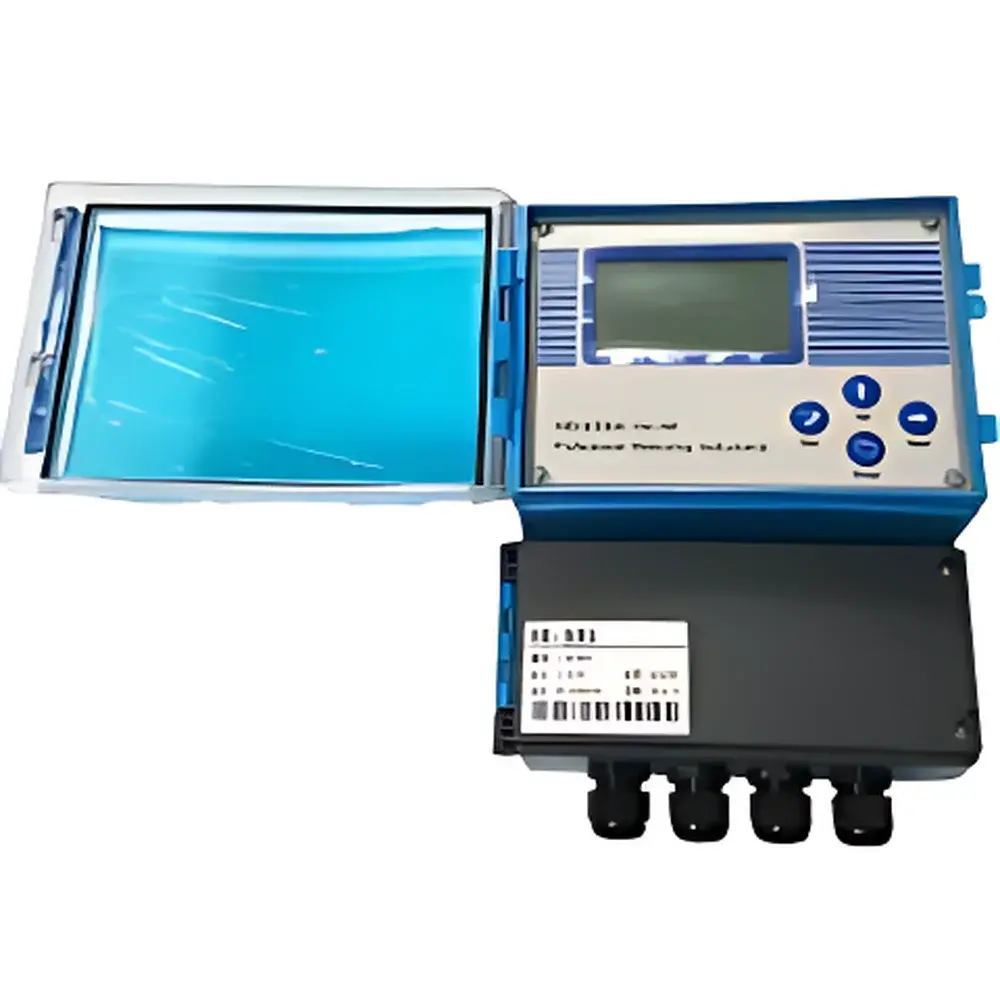
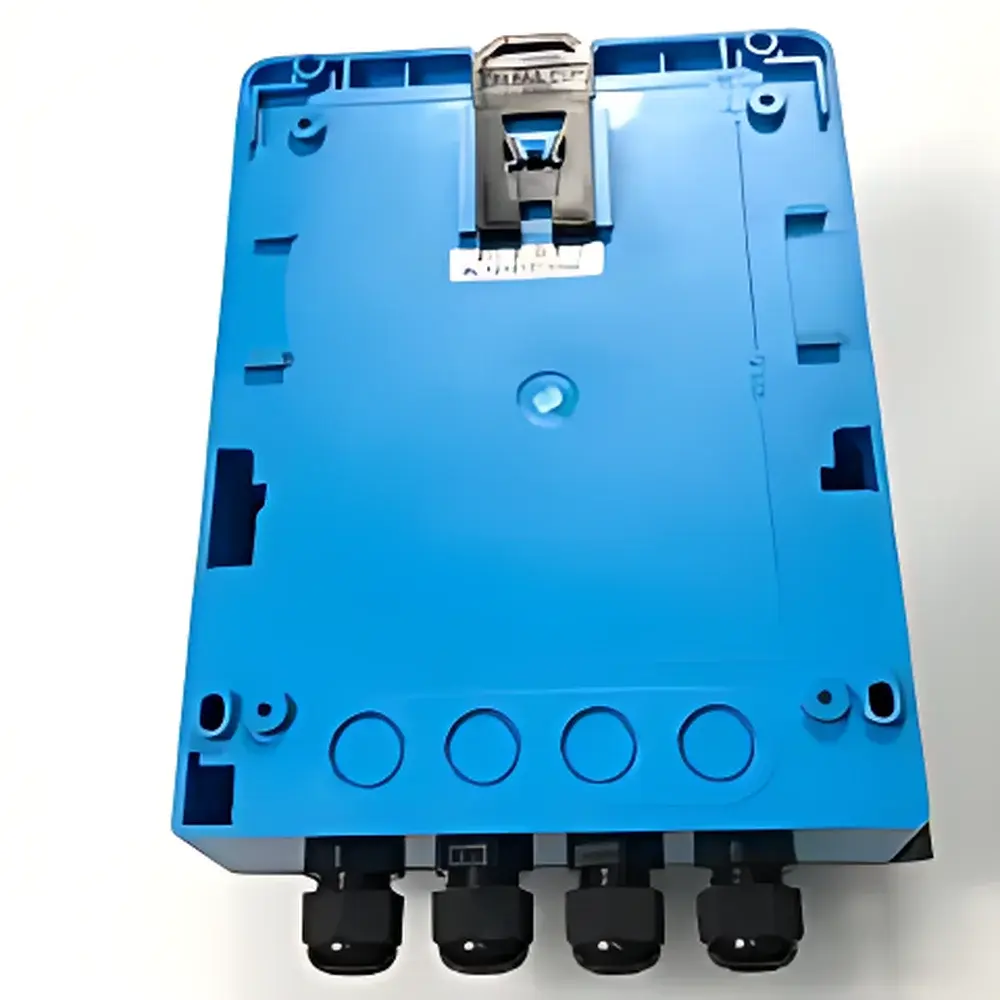
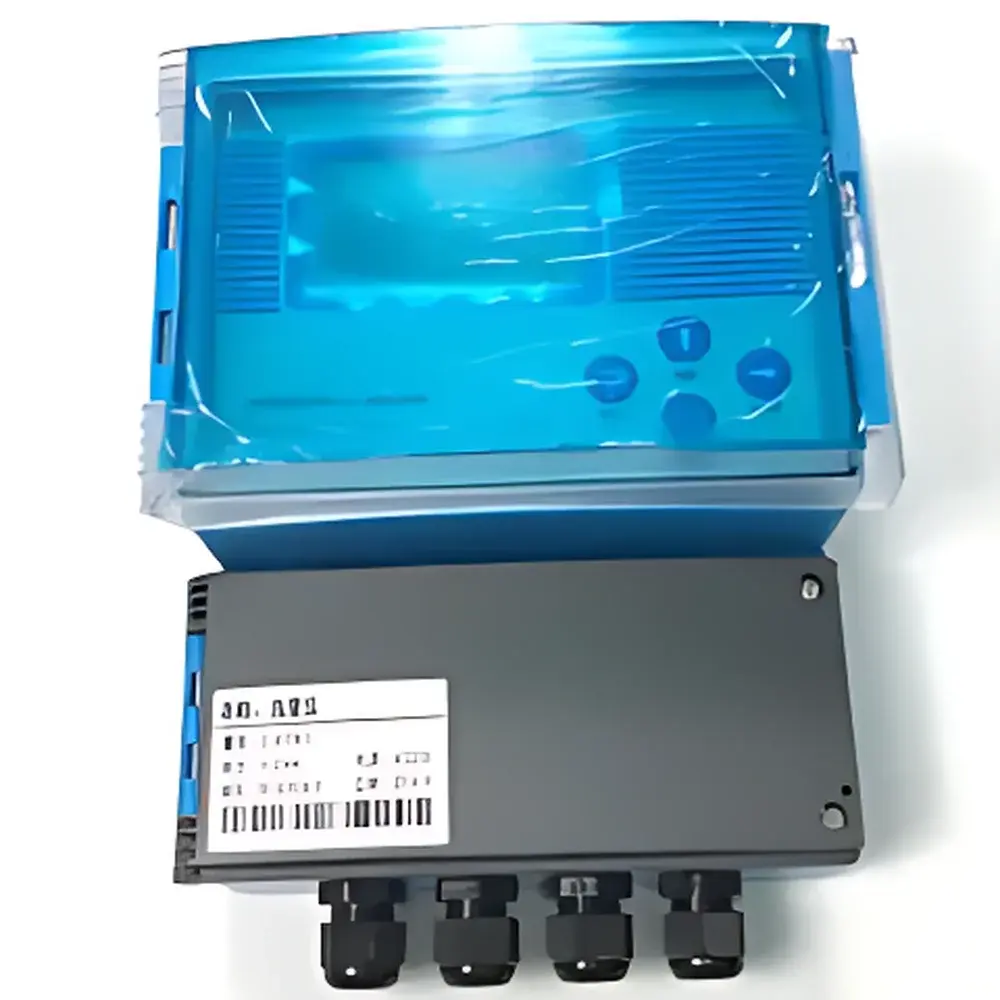
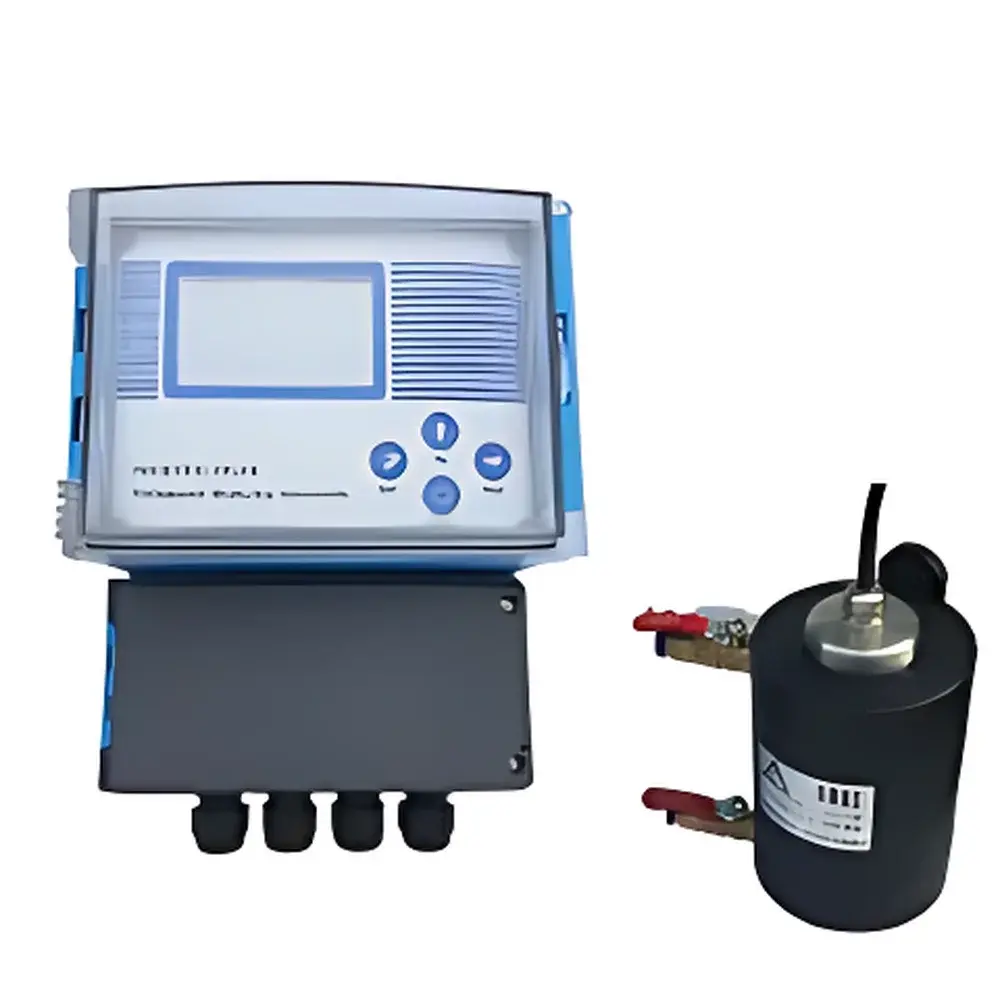
Apure TS-620 Online Turbidimeter
| Brand | Apure |
|---|---|
| Origin | Shanghai, China |
| Manufacturer Type | Manufacturer |
| Origin Category | Domestic (China) |
| Model | TS-620 |
| Price | USD 685 (FOB Shanghai) |
| Product Type | Online |
| Measurement Range | Low-Turbidity Mode (0–0.5 NTU & 5–400 NTU) |
| Resolution | 0.01 NTU (low-turbidity), 0.1 NTU (high-turbidity) |
| Operating Temperature (Transmitter) | –20 to +55 °C |
| Accuracy | ±5% FS |
| Enclosure Rating | Transmitter IP65 |
| Process Pressure (Submersible) | ≤0.3 MPa |
| Output | 4–20 mA (4-wire, max. load 750 Ω) |
| Relay Outputs | 2 programmable SPDT relays (AC230 V, 2 A) |
| Digital Interface | RS485 with Modbus RTU protocol |
| Humidity | ≤85% RH (non-condensing) |
Overview
The Apure TS-620 Online Turbidimeter is an industrial-grade, dual-range optical turbidity sensor engineered for continuous, real-time monitoring of suspended solids in liquid process streams. It operates on the principle of nephelometry—measuring the intensity of light scattered at 90° from a collimated infrared LED source—as defined in ISO 7027 and compliant with EPA Method 180.1 requirements for low-interference measurement in colored or absorbing matrices. Designed for unattended operation in municipal water, industrial recirculation, and wastewater treatment environments, the TS-620 integrates a self-contained air bubble elimination system to mitigate optical path obstruction and ensure signal stability under variable flow conditions. Its dual-mode optical configuration enables seamless transition between ultra-low-turbidity applications (e.g., finished drinking water at <0.5 NTU) and high-solids effluent monitoring (up to 5000 NTU), eliminating the need for separate instrumentation across treatment stages.
Key Features
- Wide dynamic range with automatic mode selection: Low-turbidity channel (0–0.5 NTU and 5–400 NTU) optimized for precision in potable water; high-turbidity channel (0–5 NTU and 0–5000 NTU) calibrated for robustness in raw influent or sludge blanket monitoring.
- Integrated bubble suppression mechanism using controlled laminar flow geometry and internal venting—reduces measurement drift caused by entrained air in open-channel or low-pressure installations.
- High-reproducibility optical train featuring temperature-stabilized 850 nm infrared LED source and matched photodiode detector, minimizing spectral interference from natural organic matter or iron/manganese staining.
- Modular mechanical design supporting multiple installation configurations: submersible (IP68-rated probe for tank or well deployment), inline flow-cell (IP65, 1/2″–2″ NPT or flanged), and bypass loop integration.
- Field-calibratable via standard formazin or AMCO-AE reference suspensions; supports two-point calibration and comparative verification against portable turbidimeters per ASTM D6508 guidelines.
- Robust transmitter housing rated IP65 with wide operating temperature tolerance (–20 to +55 °C), suitable for outdoor mounting without climate-controlled enclosures.
Sample Compatibility & Compliance
The TS-620 is validated for aqueous samples with total dissolved solids (TDS) ≤10,000 mg/L and suspended particle diameters ranging from colloidal clays (100 µm). It meets the optical performance criteria specified in ISO 7027:2016 (Nephelometric Method) and aligns with US EPA guidance for continuous turbidity monitoring in drinking water systems (40 CFR Part 141.72). For regulated environments—including facilities operating under FDA 21 CFR Part 11 or EU Annex 11—audit trails for calibration events, relay activation logs, and parameter change history are accessible via Modbus register mapping. The device supports GLP/GMP-aligned data integrity practices through time-stamped digital logging and non-volatile memory retention of up to 32,000 timestamped readings.
Software & Data Management
Data acquisition and configuration are managed via ASCII-based Modbus RTU over RS485, enabling native integration into SCADA, DCS, and PLC platforms (Siemens S7, Rockwell Logix, Schneider EcoStruxure). The 4–20 mA analog output is linearly scaled to user-defined NTU ranges and includes HART-compatible digital superimposition for diagnostics. Two programmable relays support fail-safe alarm logic (e.g., high-turbidity alert, sensor fault indication) with adjustable hysteresis and delay timers. Optional firmware updates provide enhanced noise filtering algorithms for electrically noisy pump stations or VFD-driven pipelines. No proprietary software is required; configuration parameters—including zero offset, span gain, relay thresholds, and Modbus slave ID—are set via local keypad or remote Modbus write commands.
Applications
- Municipal Drinking Water: Real-time monitoring at reservoir intakes, sedimentation basins, filter effluent lines, clearwells, and distribution system entry points—ensuring compliance with WHO and national turbidity limits (≤0.1 NTU for filtered water).
- Industrial Process Water: Closed-loop cooling tower make-up, boiler feedwater pre-treatment, and semiconductor rinse water quality assurance where particulate contamination must remain below 0.05 NTU.
- Wastewater Treatment: Influent screening validation, secondary clarifier effluent control, tertiary membrane filtration feed monitoring, and disinfection contact chamber optimization.
- Food & Beverage Production: Monitoring of CIP return streams, sugar syrup clarity, and dairy processing water reuse loops where organic turbidity correlates with microbial risk.
FAQ
What standards does the TS-620 comply with for turbidity measurement?
It adheres to ISO 7027:2016 (nephelometric method), EPA Method 180.1, and ASTM D6508 for field turbidimeter verification.
Can the TS-620 be used in pressurized pipelines?
Yes—the flow-cell variant supports static pressures up to 0.3 MPa; submersible probes require external pressure compensation above atmospheric conditions.
Is the sensor compatible with existing SCADA systems?
Yes—RS485 Modbus RTU interface ensures plug-and-play integration with major industrial automation platforms without gateway hardware.
How often does the sensor require calibration?
Initial calibration is recommended at commissioning; subsequent verification every 3–6 months depending on fouling potential—accelerated calibration checks are advised after cleaning cycles or process upsets.
Does the TS-620 support temperature compensation?
Yes—integrated Pt1000 RTD provides automatic temperature correction across 0–60 °C (low-turbidity sensor) or 0–40 °C (high-turbidity sensor), referenced to 25 °C per ISO 7027.



