
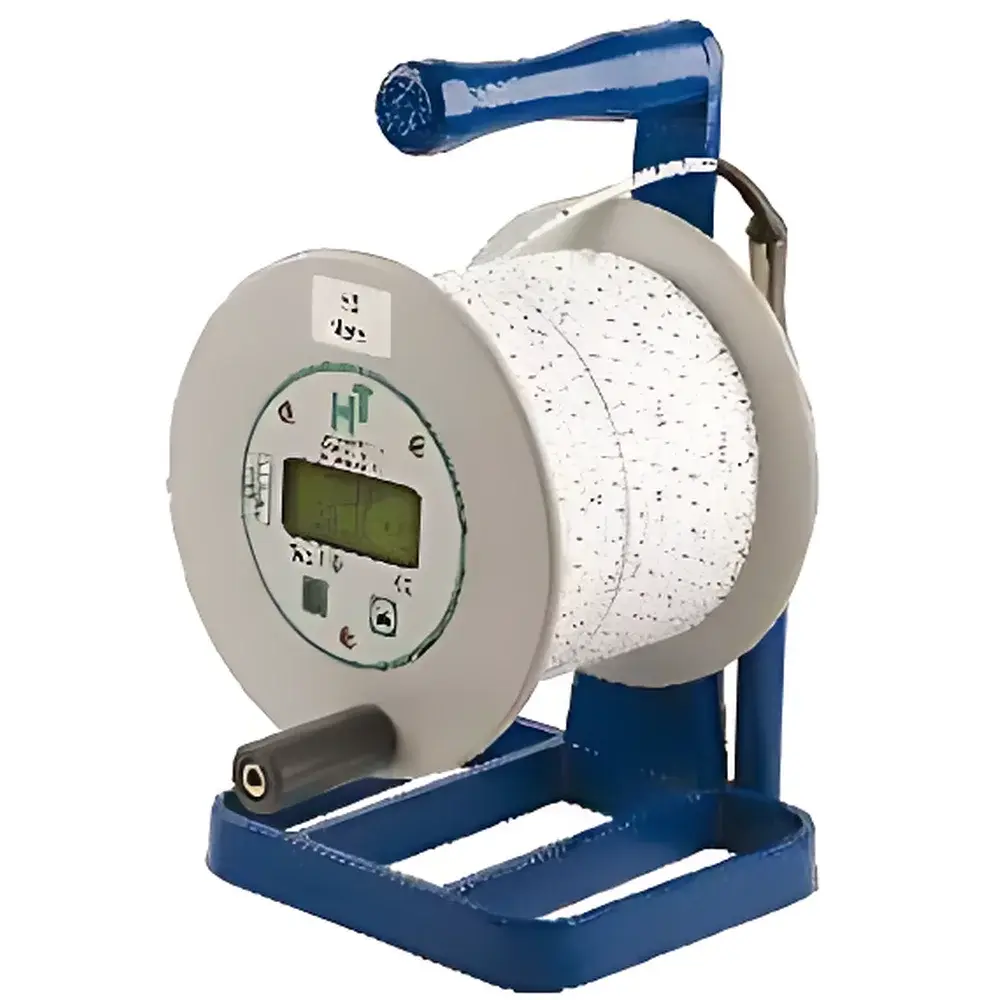
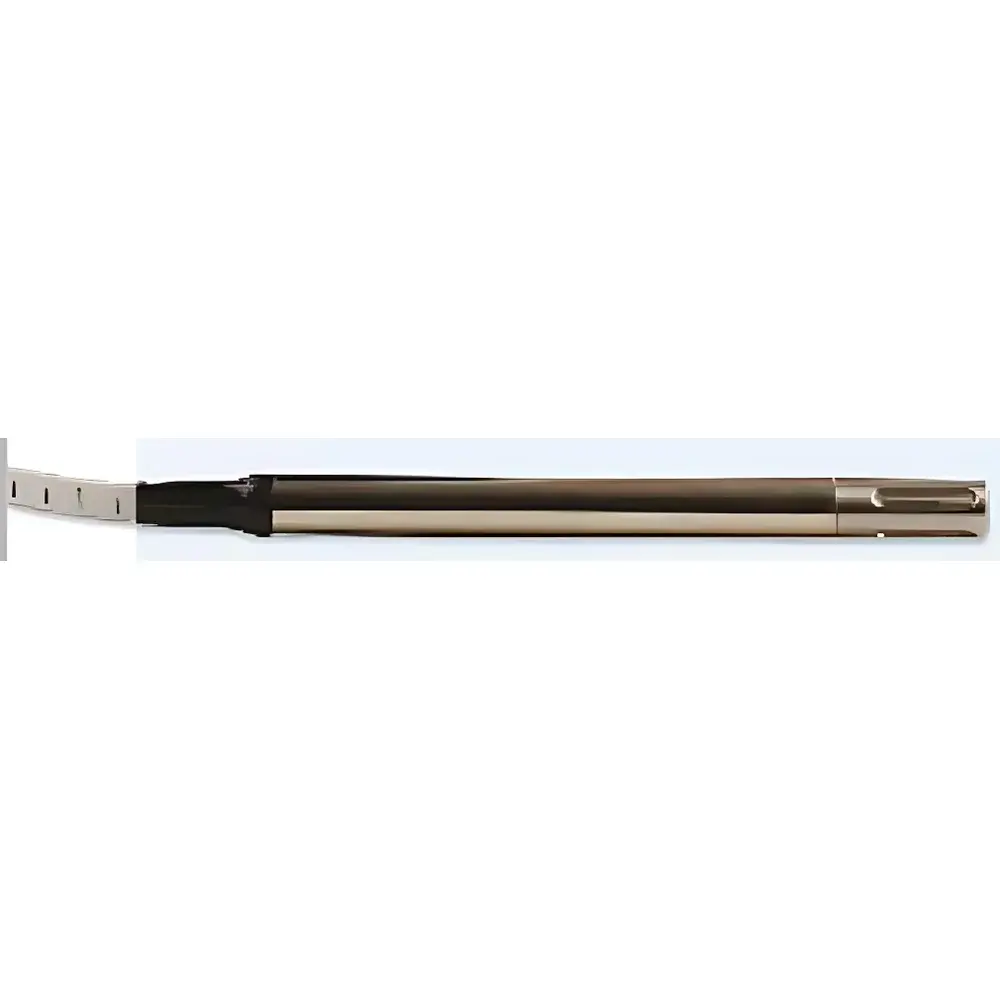
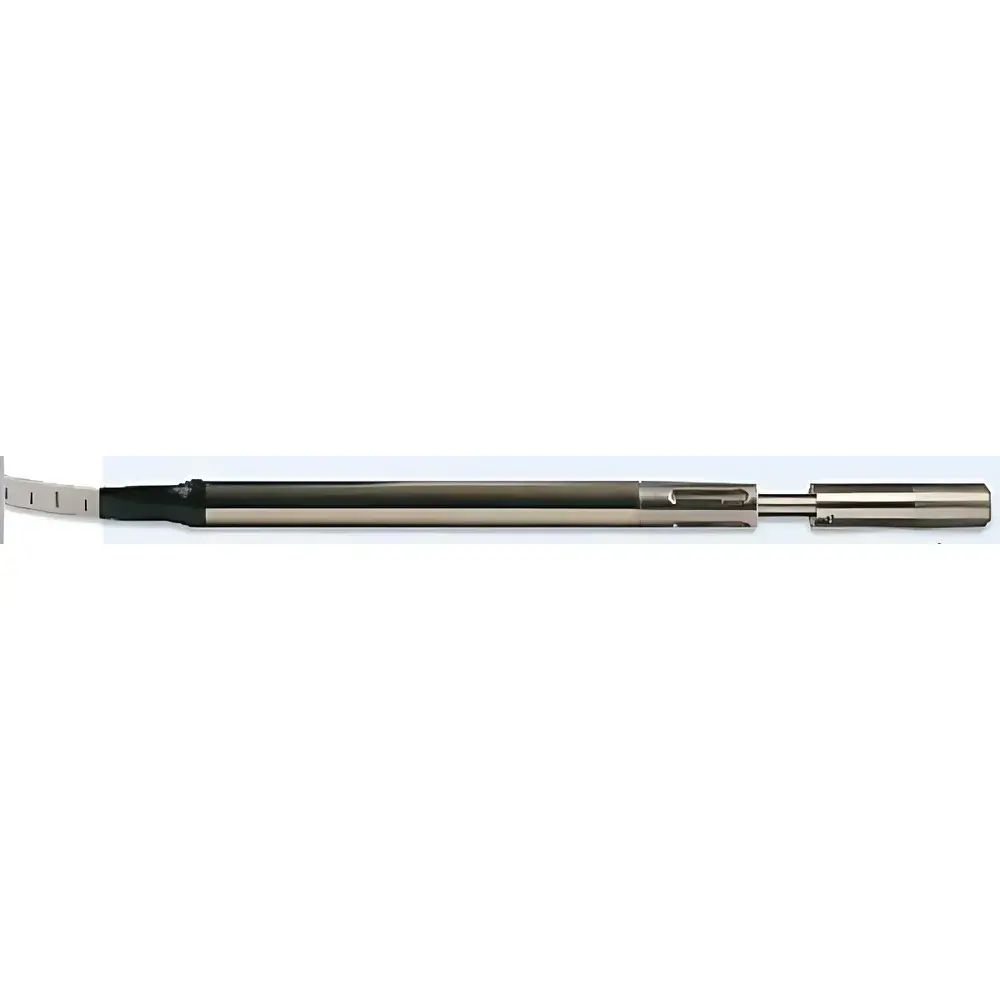
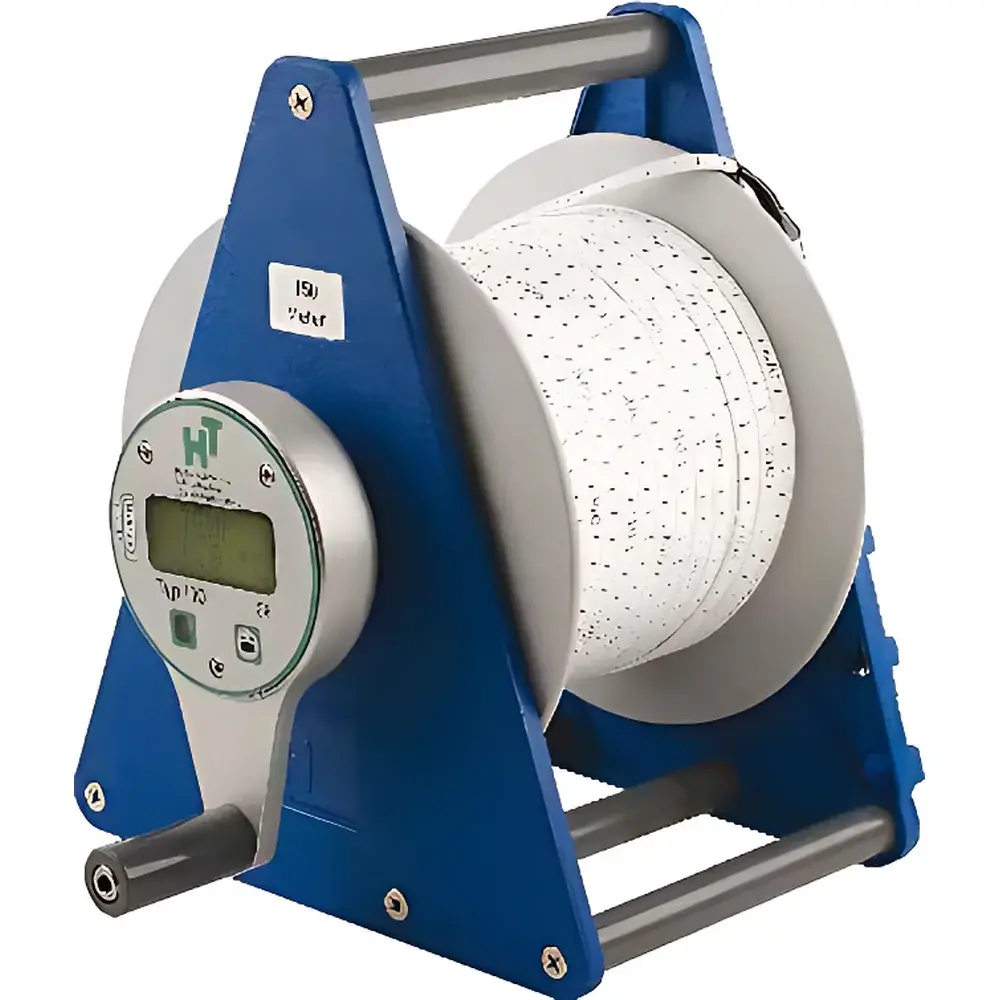
AQUALABO 110 Series Water Level and Temperature Meter
| Brand | AQUALABO |
|---|---|
| Origin | France |
| Model | 110 Series |
| Cable Length Options | 15–100 m (aluminum frame) or 120–500 m (acrylic tripod) |
| Operating Temperature | −30 °C to +75 °C |
| Temperature Range | −15 °C to +80 °C |
| Temperature Accuracy | < ±0.1 °C |
| Probe Material | 316 stainless steel & nickel-plated brass |
| Probe Dimensions | Ø15 mm × 180 mm |
| IP Rating (Probe) | IP68 |
| IP Rating (Handle/Display Unit) | IP64 |
| Power Supply | 4 × 1.5 V AA batteries |
| Display | High-contrast LCD with tactile waterproof keypad |
| Acoustic & Visual Contact Detection | Yes |
| Optional Bottom Sensor for Depth Measurement | Yes |
| Calibration | Factory-calibrated |
Overview
The AQUALABO 110 Series Water Level and Temperature Meter is a field-deployable, manually operated instrumentation system engineered for high-reliability hydrogeological monitoring in wells, piezometers, observation tubes, and open water reservoirs. It operates on the principle of resistive temperature detection combined with direct-contact water-level sensing via conductive probe immersion. When the probe tip contacts water, an integrated circuit triggers simultaneous audible (buzzer) and visual (LED) indicators—enabling unambiguous identification of the water surface elevation. Temperature measurement is performed using a platinum-resistance-based sensor embedded within the probe body, delivering traceable accuracy compliant with IEC 60751 Class B specifications. Designed for long-term deployment in aggressive environments—including saline aquifers, industrial effluent zones, and urban groundwater systems—the 110 Series meets rigorous mechanical and environmental durability requirements without compromising metrological integrity.
Key Features
- Integrated dual-parameter acquisition: Simultaneous real-time readout of water level (via calibrated tape reel) and temperature (via digital LCD display).
- IP68-rated probe construction: 316 stainless steel and nickel-plated brass housing ensures corrosion resistance in seawater, brackish water, and chemically contaminated groundwater.
- Two mechanically distinct cable-handling configurations: Aluminum-framed reel (max. 100 m) for shallow-to-moderate depth applications; lightweight acrylic tripod-mounted reel (max. 500 m) optimized for deep-well profiling with minimal mass loading.
- Self-contained electronics: All signal conditioning, power management, and display logic are housed within the ergonomic handle unit—eliminating external data loggers or interface cables.
- Factory-traceable calibration: Temperature sensor certified to <±0.1 °C accuracy across −15 °C to +80 °C range; no user-performed recalibration required during service life.
- Intuitive tactile interface: Waterproof membrane keypad and high-contrast LCD ensure legibility under low-light or wet-field conditions.
Sample Compatibility & Compliance
The 110 Series is validated for use in heterogeneous aqueous matrices, including freshwater aquifers, coastal saline aquifers, municipal wastewater infiltration zones, and thermally impacted industrial plumes. Its probe geometry (Ø15 mm × 180 mm) allows insertion into standard 2-inch (50 mm) PVC or stainless steel observation wells. The device complies with EN 14897:2016 (water level measurement in groundwater monitoring), ISO 9001-certified manufacturing processes, and supports GLP-compliant field documentation when used with standardized log sheets. While not inherently Part 11–compliant as a standalone instrument, its immutable measurement records (tape-based level reading + timestamped temperature display) provide auditable primary data suitable for regulatory reporting under EPA Method 9020B and ASTM D4044/D4045 protocols.
Software & Data Management
The 110 Series operates as a self-contained analog-digital hybrid system with no embedded firmware or wireless connectivity. All measurements are recorded manually: water level is read directly from the calibrated metric tape scale (graduated in millimeters), while temperature is captured digitally from the LCD. For laboratory or regulatory workflows requiring electronic data capture, users may integrate the instrument with third-party field notebooks or LIMS platforms via manual transcription or barcode-assisted logging. Optional accessories—including protective carrying cases and calibration verification kits—support repeatable setup and chain-of-custody documentation per ISO/IEC 17025 guidelines.
Applications
- Vertical thermal profiling in groundwater wells to identify stratified flow zones and quantify geothermal gradients.
- Long-term monitoring of water level fluctuations during pump tests, recharge experiments, or seasonal aquifer response studies.
- Quantification of anthropogenic thermal intrusion in urban aquifers adjacent to subway tunnels, district heating networks, or industrial cooling discharges.
- Baseline characterization prior to remediation activities in contaminated sites where temperature anomalies indicate preferential contaminant migration pathways.
- Supporting lake–aquifer interaction studies by correlating near-shore groundwater temperature signatures with littoral zone biological activity indicators.
FAQ
Is the 110 Series suitable for marine or hypersaline environments?
Yes—the probe’s 316 stainless steel and nickel-plated brass construction provides proven resistance to chloride-induced pitting and crevice corrosion in seawater and brine-saturated aquifers.
Can the device measure static water level in artesian wells?
Yes, provided the well casing is accessible and the probe can be lowered without obstruction; acoustic contact detection remains effective even under slight upward pressure.
What is the recommended maintenance interval for the tape reel mechanism?
No scheduled maintenance is required; however, periodic visual inspection of the tape’s graduations and reel tension is advised after every 50 deployments in abrasive sediment-laden wells.
Does the bottom sensor accessory require separate calibration?
No—the optional depth sensor integrates seamlessly with the existing probe electronics and shares the same factory calibration certificate.
How does the device perform under sub-zero ambient conditions?
The handle electronics operate reliably down to −30 °C; battery performance may decrease below −10 °C—alkaline cells are recommended over zinc-carbon for cold-weather operation.
Related Products







