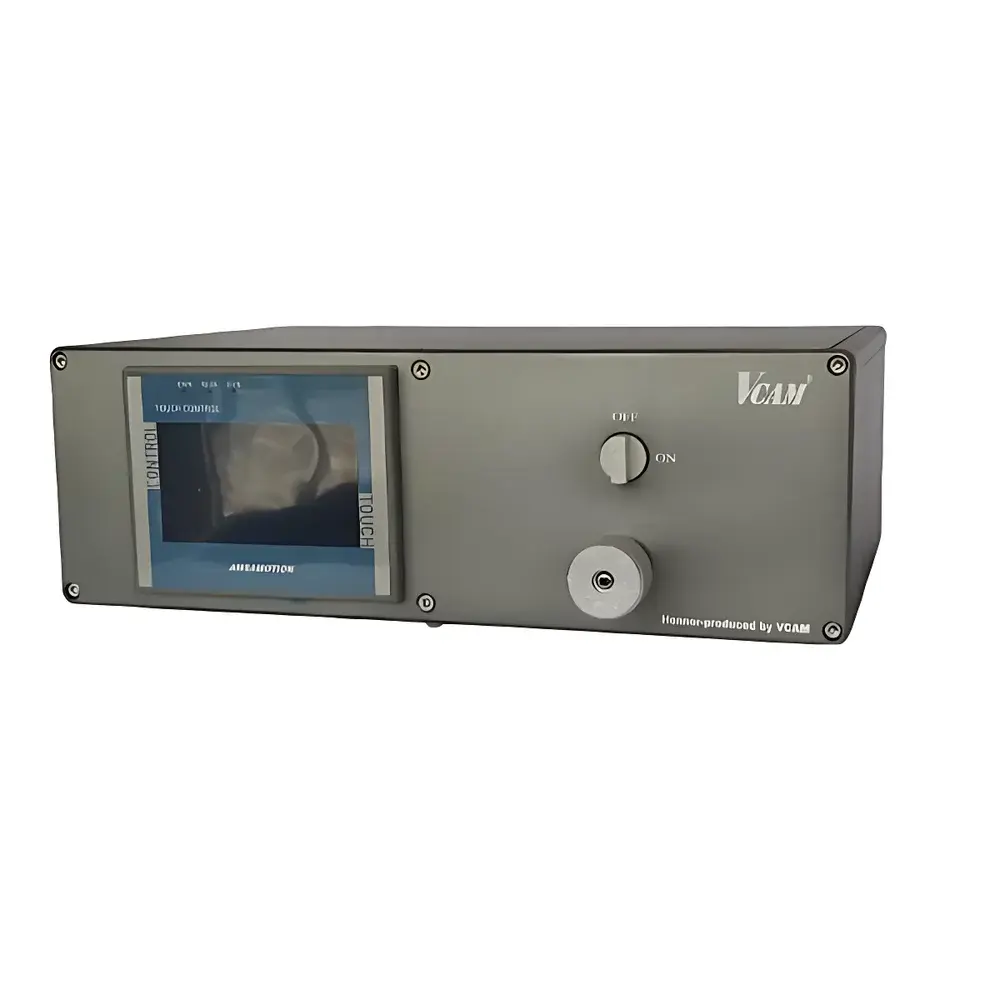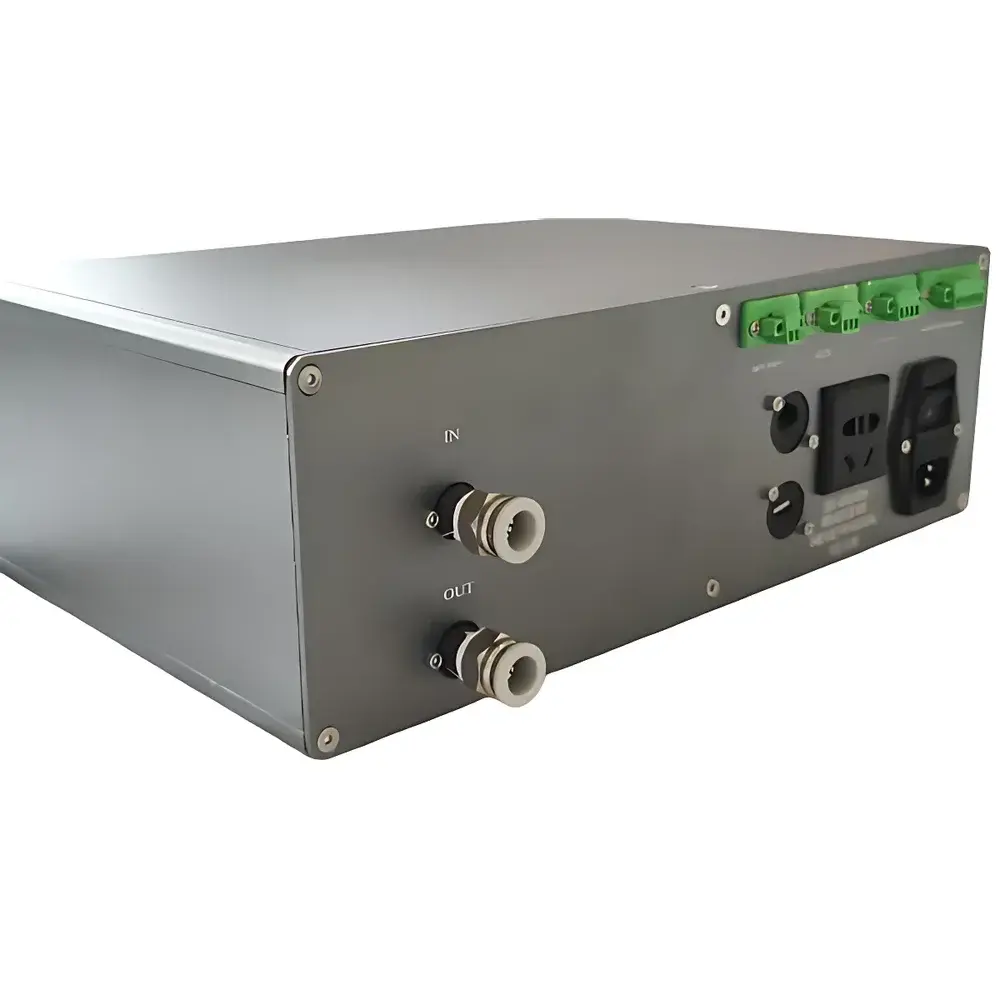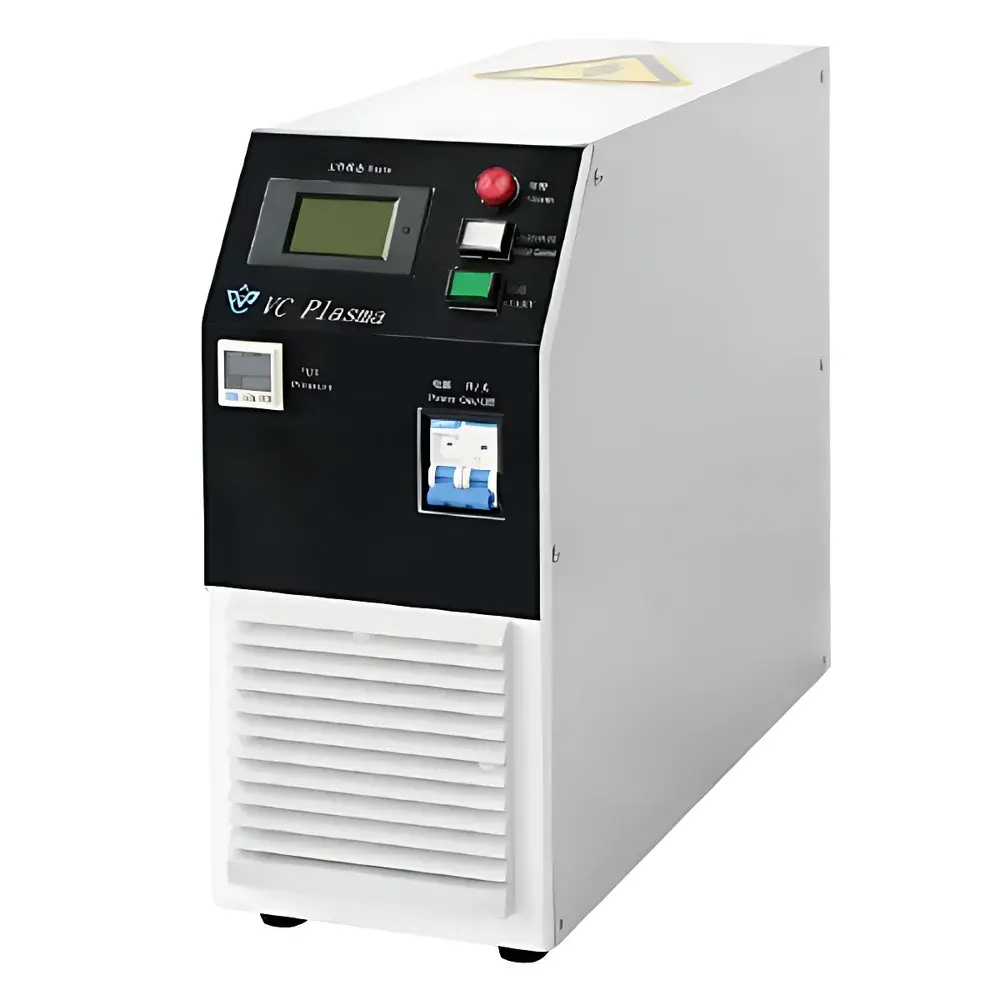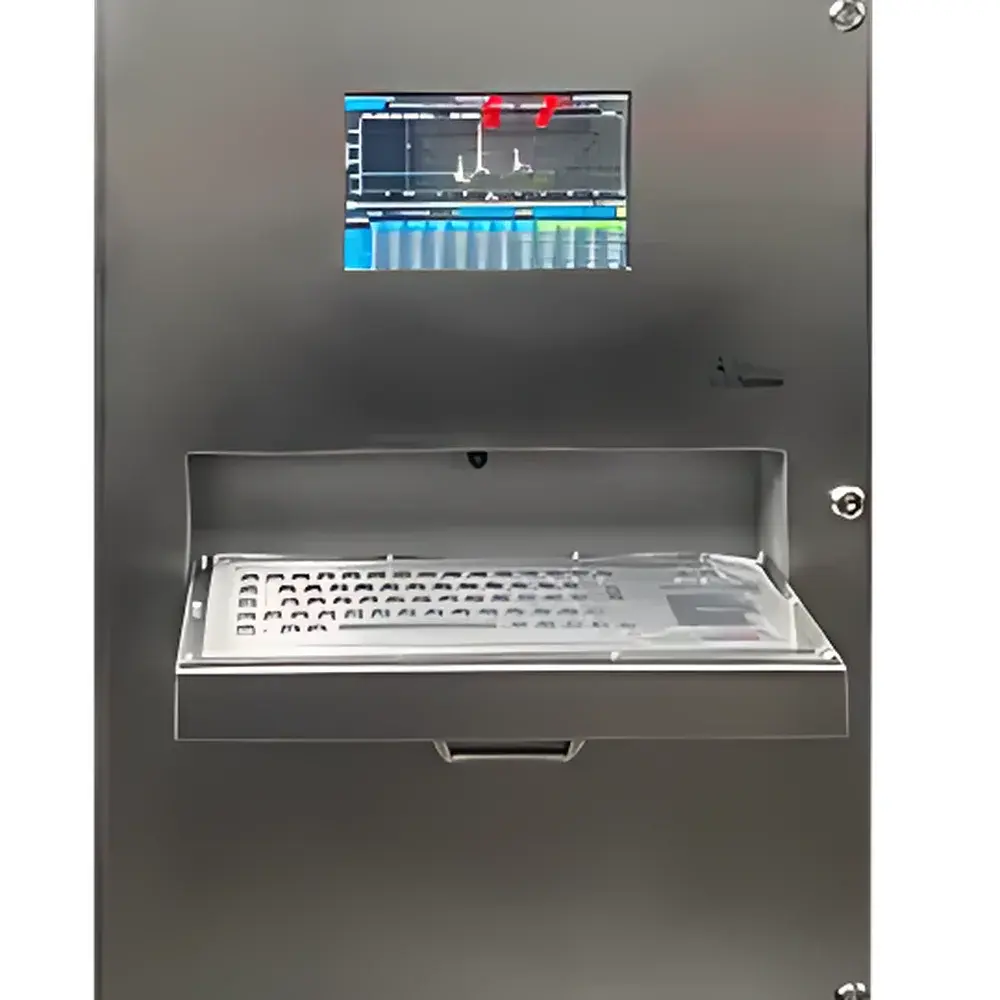
ASDevices KA8000Ex Online Industrial Gas Chromatograph
| Brand | ASDevices |
|---|---|
| Origin | Canada |
| Model | KA8000Ex |
| Repeatability | ±2% |
| Detection Limit (MDL) | 0.5 ppb H₂S |
| Detector Type | EPD (Enhanced Plasma Discharge Detector) |
| Column Oven Temperature Range | −4 °C to 200 °C |
| Carrier Gas Requirement | 5N-grade He, Ar, or N₂ |
Overview
The ASDevices KA8000Ex is a purpose-built online industrial gas chromatograph engineered for continuous, unattended trace sulfur analysis in high-purity hydrogen and other process gases. It operates on the fundamental principle of gas-phase separation via capillary or packed column chromatography, coupled with selective detection using an Enhanced Plasma Discharge (EPD) detector—a solid-state, fuel-free, inert-gas-compatible sensing technology. Unlike conventional sulfur-specific detectors such as SCD (Sulfur Chemiluminescence Detector) or P-FPD (Pulsed Flame Photometric Detector), the EPD requires no hydrogen or oxygen combustion gases, eliminating ignition hazards and reducing operational complexity in hazardous-area installations. The system is certified for use in Zone 1/21 explosive atmospheres (ATEX/IECEx), making it suitable for deployment directly at process taps in hydrogen production, refining, semiconductor gas supply, and air separation units. Its architecture integrates hardware-level inertness—achieved through ASDevices’ proprietary Liplock zero-dead-volume fittings, ArDSieve oxygen/argon-selective columns, and uInProve purge-integrated sliding valves—with firmware-level stability controls, enabling long-term baseline integrity and quantitative reliability under dynamic process conditions.
Key Features
- Fuel-free EPD detector with stable electrode configuration, delivering sub-ppb sulfur detection without flame or reactive gases
- iMov Ex modular oven platform with precise −4 °C to 200 °C temperature control, supporting cryogenic trapping and high-temperature elution in a single run
- uInProve sliding valve technology: eliminates carryover and ensures reproducible sample introduction for sulfur compounds including H₂S, COS, and total reduced sulfur (TRS)
- Full-system passivation: ASDevices’ iGCS-certified ultra-low adsorption flow path, including ASDDry dry gas purifiers and ASDPure integrated gas purification modules
- ATEX/IECEx-certified enclosure (II 2G Ex db IIB T4 Gb / II 2D Ex tb IIIC T135°C Db) for direct installation in classified zones
- Real-time diagnostics and automated calibration validation per ISO/IEC 17025-aligned protocols
Sample Compatibility & Compliance
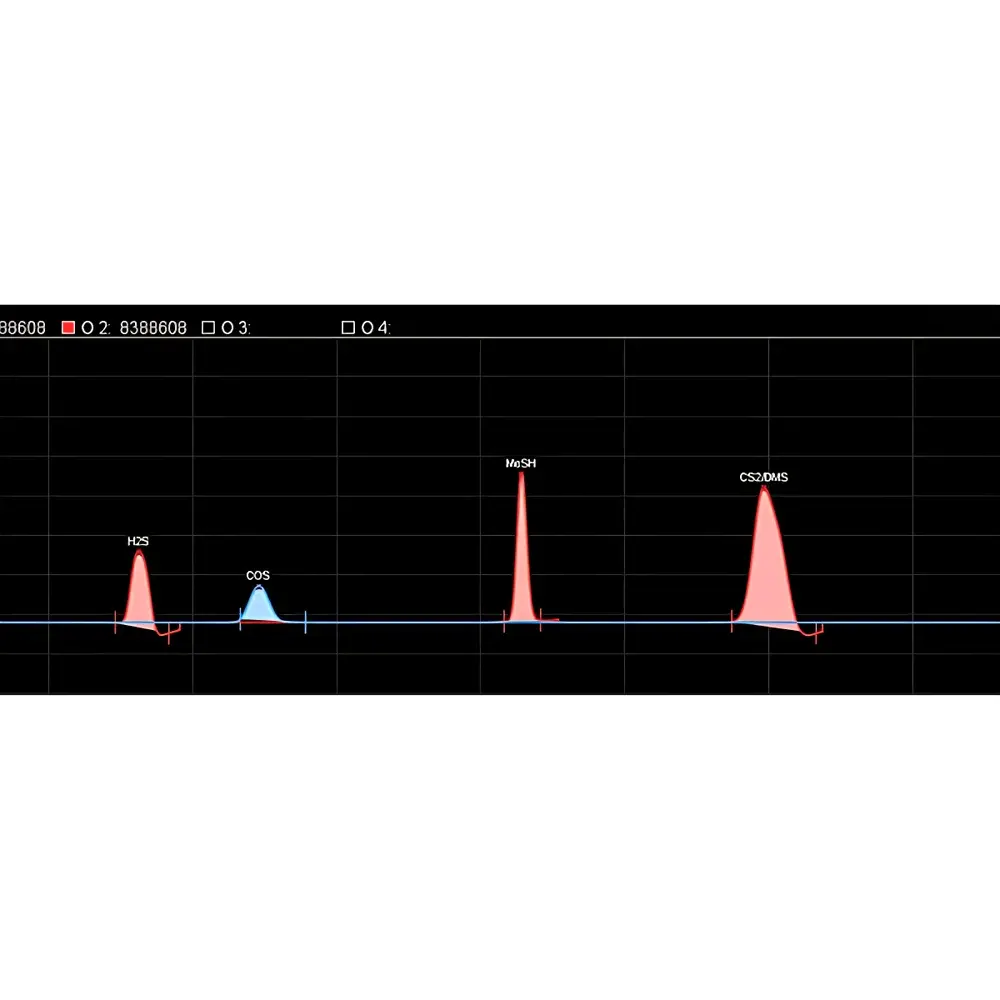
The KA8000Ex is validated for analysis of sulfur impurities—including hydrogen sulfide (H₂S), carbonyl sulfide (COS), methyl mercaptan (CH₃SH), and total sulfur—in background matrices of high-purity hydrogen (≥99.999%), syngas, refinery off-gas, natural gas, and coke oven gas. It meets the performance requirements of ISO FDIS 14687-2:2023 for hydrogen fuel quality monitoring, specifically for Method Detection Limit (MDL) ≤ 0.5 ppb H₂S and linearity deviation < 1% across 0.5–100 ppb range. All hardware components comply with ASTM D7165 (gas chromatographic analysis of trace sulfur), IEC 61511 (functional safety for SIS), and EU Directive 2014/34/EU (ATEX). Data integrity conforms to FDA 21 CFR Part 11 requirements via audit-trail-enabled firmware, electronic signatures, and secure user-role access control.
Software & Data Management
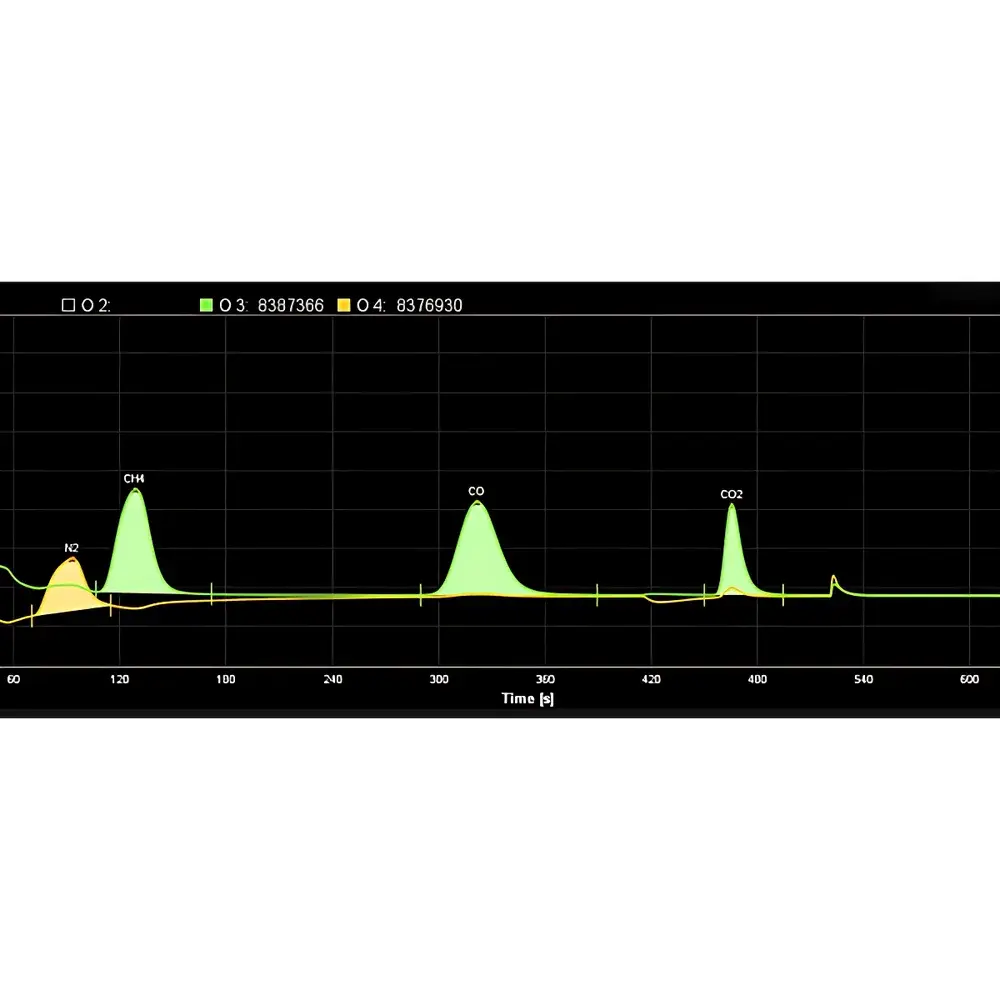
The KA8000Ex runs on ASDevices’ iGCS (intelligent Gas Chromatography System) software suite, deployed on an embedded Linux platform with dual Ethernet ports and optional cellular/Wi-Fi telemetry. iGCS provides real-time chromatogram visualization, automated peak integration using retention time locking (RTL), and method-based reporting aligned with ISO 8573-5 and ISO 14687 annexes. Raw data files are stored in vendor-neutral .cdf format (NetCDF-compliant), ensuring interoperability with LIMS (e.g., Thermo Fisher SampleManager, LabVantage) and MES platforms. Remote firmware updates, diagnostic logs, and predictive maintenance alerts (e.g., column degradation index, detector signal drift trend) are delivered via ASDevices’ secure cloud portal—fully compliant with IEC 62443-3-3 for industrial cybersecurity.
Applications
- Hydrogen fuel purity verification at PEM electrolyzer outlets and refueling stations per ISO 14687-2
- Sulfur monitoring in ammonia cracker off-gas and PSA tail gas streams
- Trace sulfur speciation in semiconductor-grade nitrogen and argon bulk gas delivery systems
- Continuous compliance monitoring for sulfur emissions from FCCU and hydrodesulfurization units
- Research-grade kinetic studies of sulfur poisoning in catalyst beds using programmable multi-step temperature gradients
FAQ
What distinguishes MDL from LOD in the KA8000Ex specifications?
MDL (Method Detection Limit) is determined by repeated analysis of fortified samples near the expected detection threshold (e.g., 0.5 ppb H₂S), incorporating column efficiency, carrier gas purity, valve timing, and baseline stability. LOD (Limit of Detection), based solely on 3× signal-to-noise ratio, is reported for reference but does not reflect real-world method robustness.
Does the KA8000Ex require sample preconcentration for sub-ppb sulfur analysis?
No. The combination of EPD sensitivity, uInProve valve precision, and iMov Ex oven thermal control enables direct injection and quantification down to 0.5 ppb without cryo-trapping or permeation devices.
Can the system operate continuously in Zone 1 environments?
Yes. The KA8000Ex carries full ATEX and IECEx certification for Zone 1 (gas) and Zone 21 (dust) operation, with intrinsic safety barriers integrated into all signal and power interfaces.
Is compliance with FDA 21 CFR Part 11 supported out-of-the-box?
Yes. iGCS firmware includes electronic signature workflows, immutable audit trails, role-based access control, and data encryption—validated per Annex 11 and aligned with GxP laboratory practices.
How is column aging compensated during long-term deployment?
The system performs automatic retention time alignment using internal standards and applies adaptive integration windows. Column health metrics—including resolution decay and peak asymmetry—are logged and trigger maintenance alerts when thresholds are exceeded.