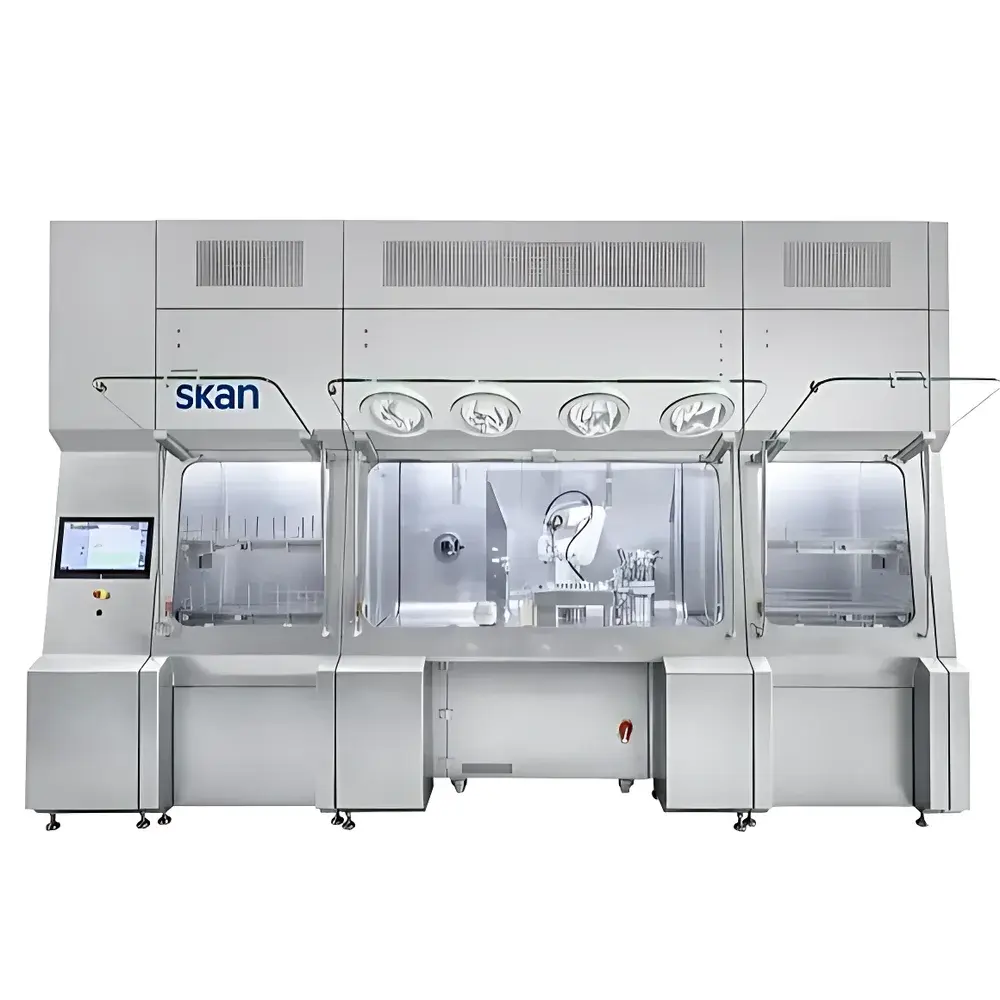
Aseptic Technology Crystal™ L1 Aseptic Filling Machine
| Brand | Aseptic Technology |
|---|---|
| Origin | Belgium |
| Model | Crystal™ L1 |
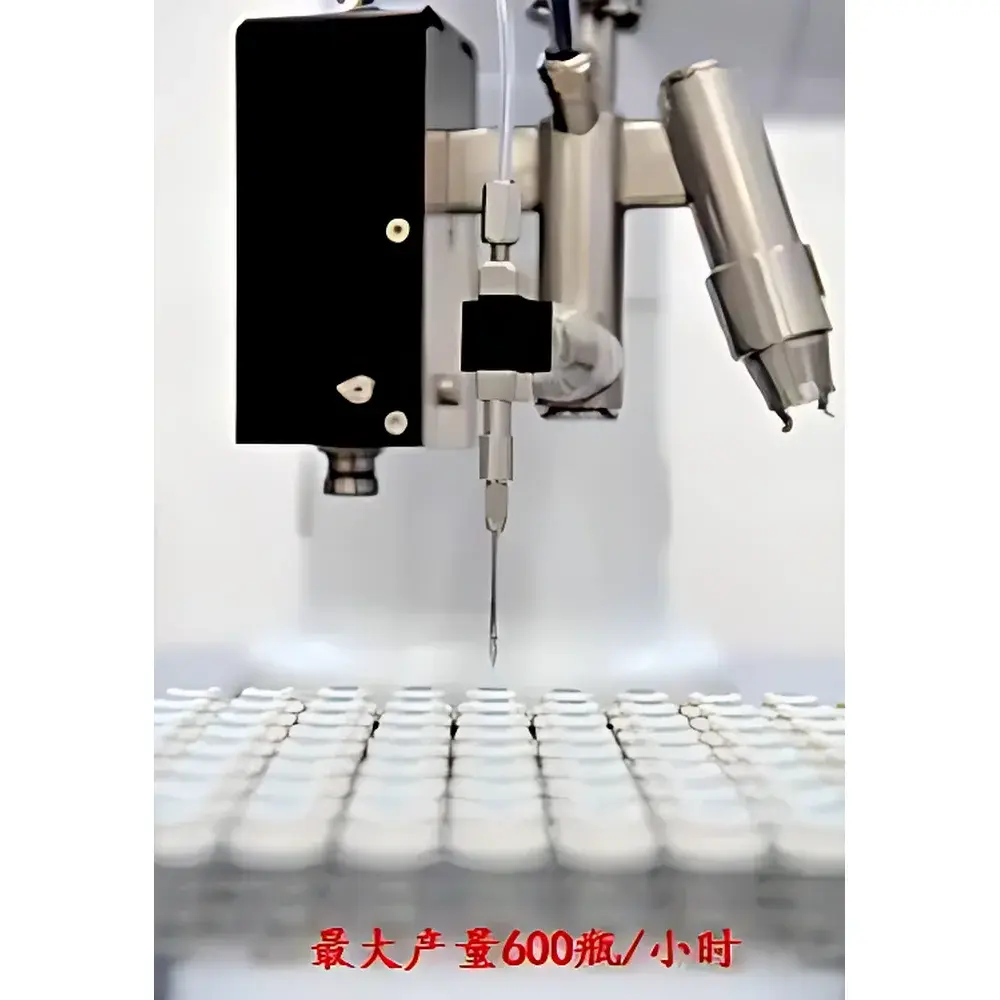
| Fill Speed | up to 600 vials/h (1 mL AT-Closed Vial®) |
| Fill Volume Range | 0.1–50 mL + overfill |
| Accuracy | ≤ ±1% (dependent on pump selection) |
| Dimensions | 1190 × 760 × 930 mm |
| Construction Material | Electropolished AISI 316L Stainless Steel |
| Power Requirement | Standard AC supply only — no compressed air or water utility required |
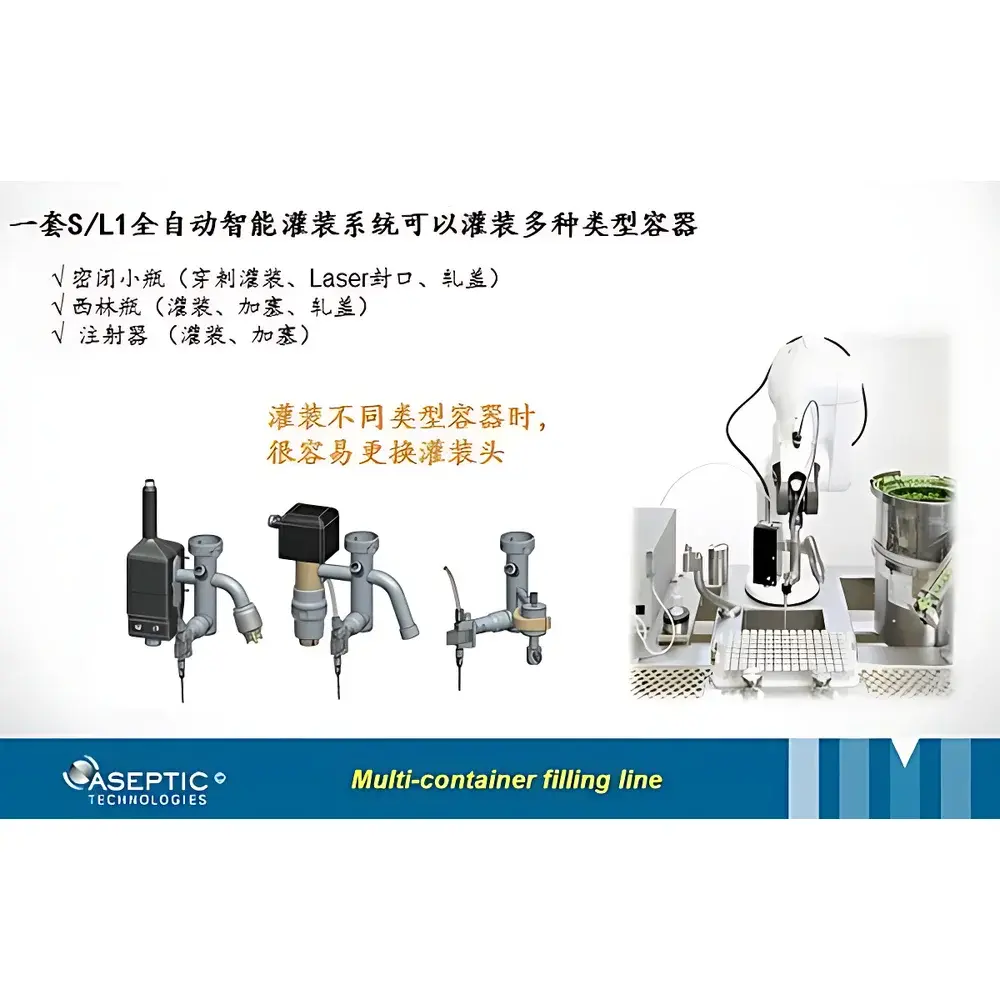
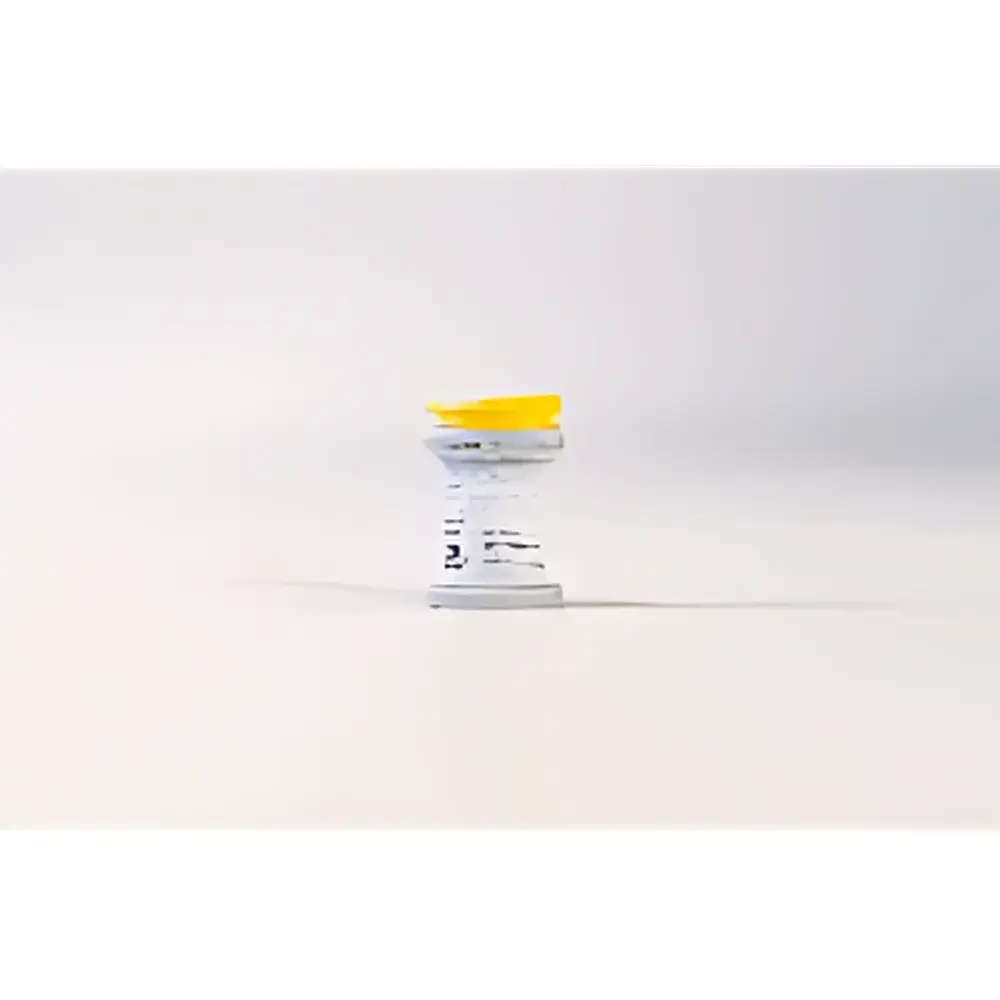
| Compatible Containers | AT-Closed Vial® (1, 2, 6, 10, 20, 50 mL), serum vials, cartridge vials |
Overview
The Aseptic Technology Crystal™ L1 is a fully automated, Grade A isolator-integrated aseptic filling system engineered for commercial-scale manufacturing of sterile biopharmaceuticals and advanced therapy medicinal products (ATMPs). It operates on a closed-system principle grounded in ISO 14644-1 Class 5 (ISO Class 5) environmental control and leverages Aseptic Technology’s proprietary Ready-to-Fill (RTF) container platform—specifically the AT-Closed Vial®—to eliminate pre-use cleaning, depyrogenation, and terminal sterilization steps. Unlike conventional open-vial filling lines requiring extensive cleanroom infrastructure and validation of sterilization cycles, the Crystal™ L1 executes aseptic fill-and-seal in a single, continuous motion: needle-penetration filling, 1-second laser hermetic sealing, and sterile cap engagement—all within an integrated, operator-independent robotic cell. Its design conforms to EU GMP Annex 1 (2022), FDA Guidance for Industry on Sterile Drug Products Produced by Aseptic Processing (2004), and ICH Q5A(R2) requirements for viral safety assurance.
Key Features
- Fully automated, isolator-based aseptic processing with integrated robotic handling—no manual intervention during fill-seal operations
- Proprietary RTF AT-Closed Vial® compatibility across six standard volumes (1, 2, 6, 10, 20, 50 mL), plus support for serum vials and cartridge vials via configurable tooling
- Single-motion fill-seal cycle: precision peristaltic or piston-driven pumping, followed by instantaneous CO₂-laser welding and sterile cap crimping
- No external utilities required—operates on standard 230 V AC power only; zero dependency on compressed air, nitrogen, or purified water
- Electropolished AISI 316L stainless steel construction throughout all product-contact and critical non-product-contact surfaces, compliant with ASME BPE-2022 surface finish standards (Ra ≤ 0.4 µm)
- Modular architecture enabling seamless integration into existing cleanroom suites or RABS/isolator environments
- Process reproducibility validated to ≤ ±1% volumetric accuracy (per USP gravimetric verification protocol) across full 0.1–50 mL range
Sample Compatibility & Compliance
The Crystal™ L1 is qualified for use with sensitive biologics including monoclonal antibodies, recombinant proteins, viral vectors (AAV, lentivirus), live-attenuated vaccines, and autologous/allogeneic immune cell suspensions. All wetted components comply with USP Class VI biological reactivity testing and ISO 10993-5 cytotoxicity standards. Container closure integrity (CCI) is verified per ASTM F2338–22 (vacuum decay) and ISO 11607-2:2019. The system supports 21 CFR Part 11-compliant electronic records and audit trails when paired with Aseptic Technology’s validated Synchro™ control software. Full qualification documentation—including IQ/OQ/PQ protocols, risk assessments (ICH Q9), and change control logs—is provided per client-specific regulatory submission requirements (EMA, FDA, PMDA).
Software & Data Management
Controlled by Synchro™ v5.2, a deterministic real-time operating system certified to IEC 62304 Class C, the Crystal™ L1 delivers full traceability across batch execution. Each fill cycle records timestamped metadata: pump actuation profiles, laser energy output, cap torque values, environmental sensor readings (particle count, humidity, pressure differential), and robotic path coordinates. Data export formats include CSV, PDF e-signature-ready batch records, and direct SQL database integration for enterprise MES/LIMS synchronization. Audit trail functionality meets ALCOA+ principles and supports retrospective review during regulatory inspections. Optional cybersecurity hardening includes TLS 1.3 encryption, role-based access control (RBAC), and firmware signing per NIST SP 800-161.
Applications
The Crystal™ L1 serves as a bridge between clinical-stage fill-finish and commercial launch for ATMP developers, particularly where low-volume, high-potency products demand stringent sterility assurance without capital-intensive cleanroom build-outs. Typical use cases include: fill-finish of CAR-T and TCR-T cell therapies under cGMP; small-batch vaccine formulation (e.g., personalized neoantigen vaccines); sterile packaging of exosome therapeutics; and stability study sample preparation for biologics requiring multi-dose vial formats. Its flexibility extends to QC laboratories performing accelerated stability testing or reference standard dispensing, where dose accuracy and container integrity are non-negotiable.
FAQ
Does the Crystal™ L1 require a classified cleanroom environment?
No—it is designed for operation inside a Grade A isolator or RABS, eliminating the need for full ISO Class 5 cleanroom infrastructure.
Can the system be validated for GMP manufacturing?
Yes—complete IQ/OQ/PQ documentation packages, including media fill protocols aligned with PDA TR27, are available upon request.
What container types are supported beyond AT-Closed Vial®?
Serum vials (2–30 mL), glass and polymer cartridge vials, and custom-designed RTF containers (subject to mechanical interface validation).
Is overfill capability configurable per batch?
Yes—overfill volume (up to +10% of nominal fill) is programmable and logged with each batch record.
How is container closure integrity verified post-filling?
Integrated vacuum decay testing (ASTM F2338–22) is performed inline; offline helium leak testing (ISO 15797) can be added as an optional module.