
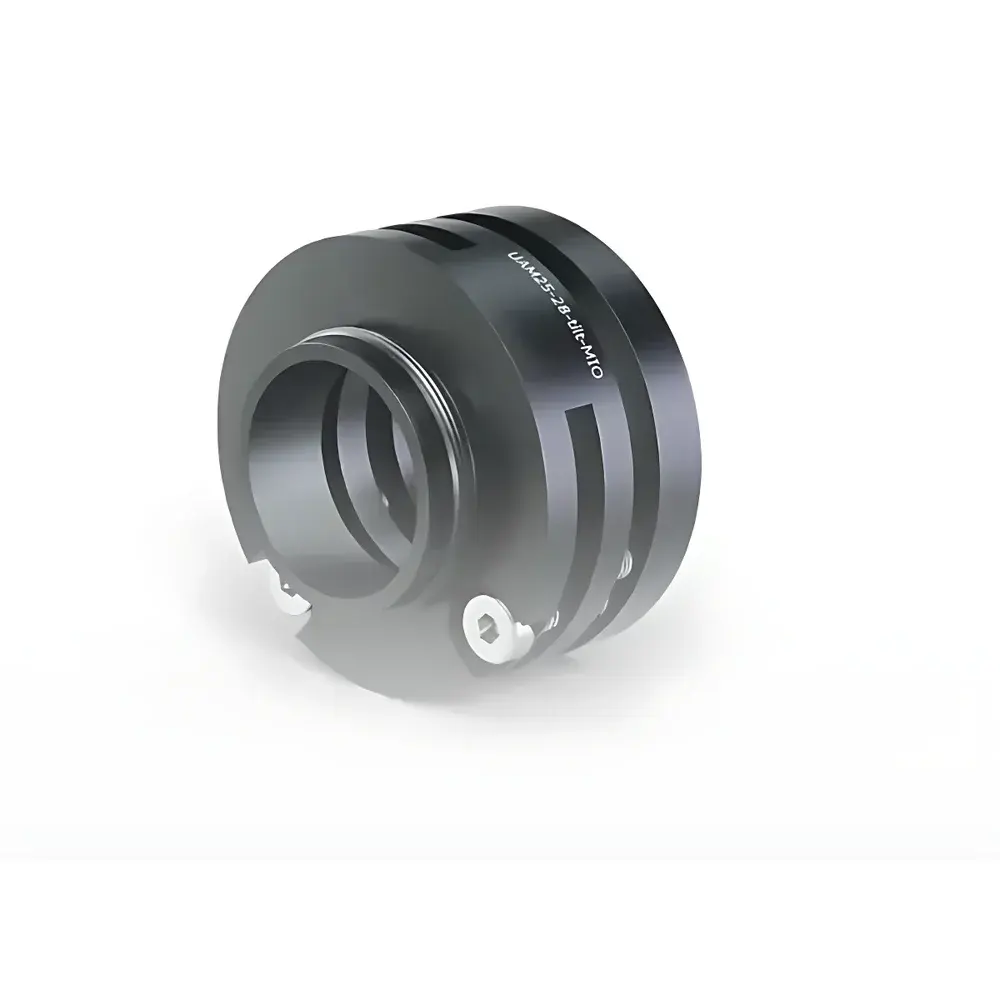
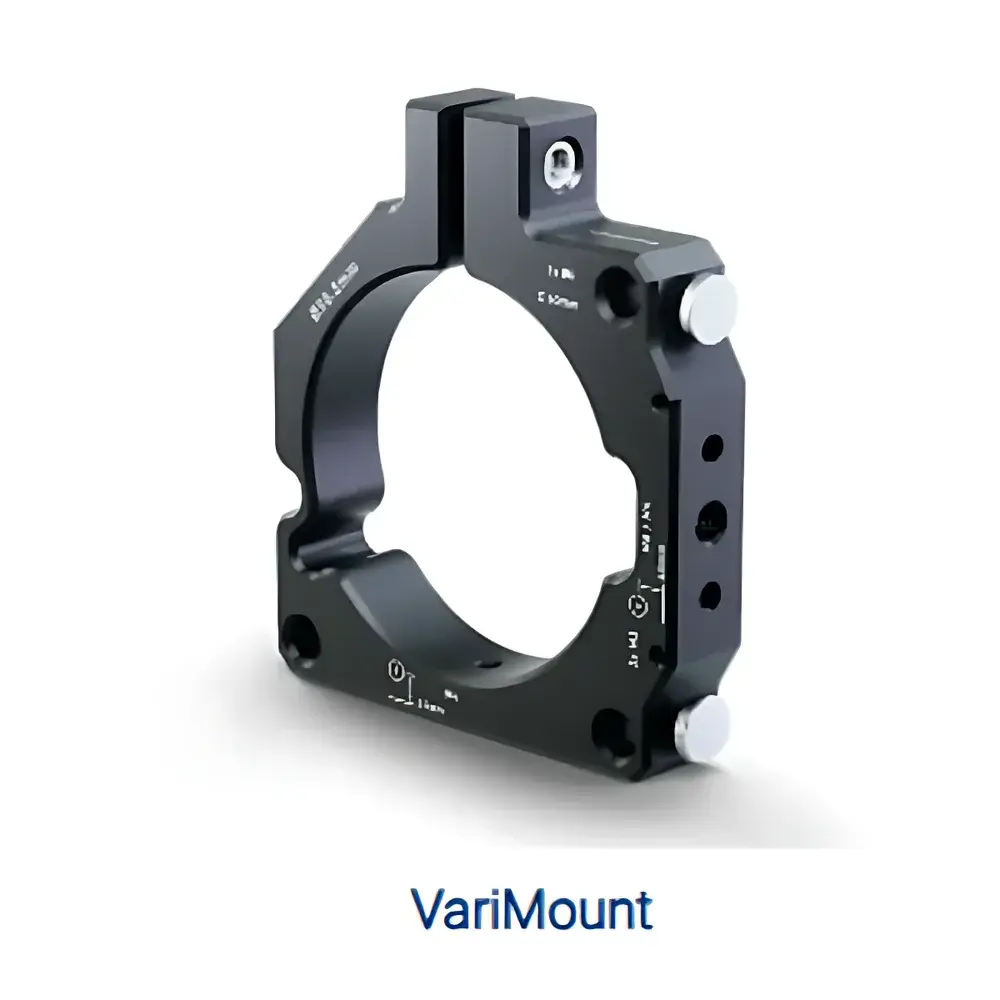
asphericon UAM25-28-C-MII C-Mount to M28 Female/Female Optical Adapter
| Brand | asphericon |
|---|---|
| Origin | Germany |
| Model | UAM25-28-C-MII |
| Thread Type | Female/Female M28×0.75 |
| Length | 10.3 mm |
| Outer Diameter | 30 mm |
| Clear Aperture | 24.5 mm |
| Component Category | Optical Mounting Adapter |
Overview
The asphericon UAM25-28-C-MII is a precision-engineered optical mounting adapter designed to enable seamless mechanical and optical integration between C-mount-compatible instrumentation and asphericon’s BeamTuning optical components—specifically those featuring the standardized M28×0.75 external thread interface. Unlike generic mechanical couplers, this adapter maintains strict coaxial alignment integrity across the optical train by preserving concentricity within ≤5 µm tolerance and minimizing axial runout (<0.01°). Its function is not passive interconnection but active system-level interoperability: it serves as a foundational element in modular laser beam conditioning setups where spatial stability, repeatability, and minimal wavefront perturbation are critical—such as in ultrafast laser systems, interferometric metrology platforms, or OEM laser processing heads requiring rapid reconfiguration without realignment.
Key Features
- Bi-directional thread compatibility: female C-mount (ISO 10110-1 compliant) on one end, female M28×0.75 (asphericon standard) on the other—ensuring secure, backlash-free coupling with torque-controlled installation (recommended tightening torque: 0.8–1.2 N·m)
- Optimized outer diameter of 30 mm enables dual-role functionality—as both an intra-system adapter (for stacking multiple BeamTuning elements like beam expanders or collimators) and a cross-platform interface (e.g., integrating asphericon optics into Qioptiq, OWIS, or Edmund Optics mounts)
- Machined from stress-relieved aluminum alloy (Al 6061-T6), anodized to Class II MIL-A-8625F for environmental robustness and non-magnetic operation; surface roughness Ra ≤ 0.4 µm ensures low scatter and compatibility with cleanroom Class 100 environments
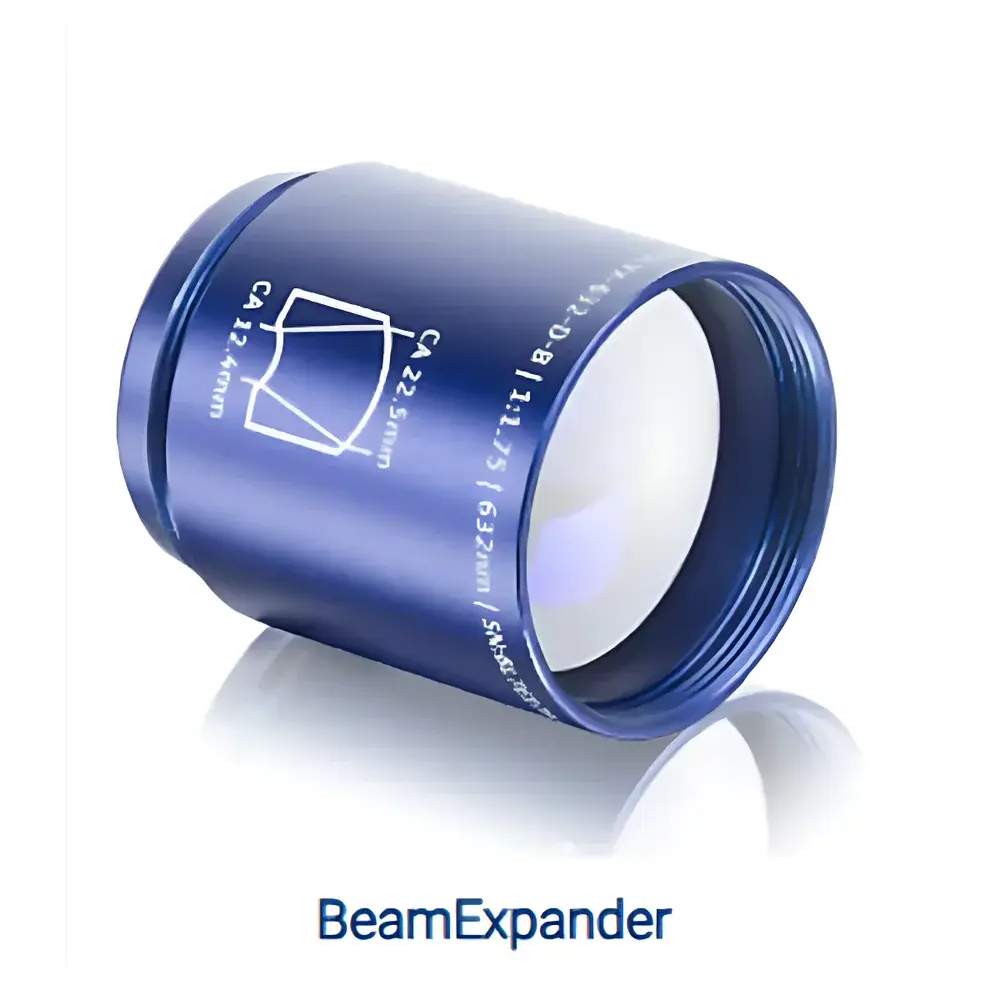
- Clear aperture of 24.5 mm supports unobstructed transmission of collimated beams up to Ø22.5 mm (e.g., from BAM25-series beam expanders), eliminating vignetting while maintaining diffraction-limited performance
- Designed for use with asphericon’s tilt-capable adapters (e.g., UAM25-28-tilt-MIO) to form kinematic alignment subassemblies—enabling fine x/y angular adjustment (±2° range, 10 µrad resolution) without compromising mechanical rigidity
Sample Compatibility & Compliance
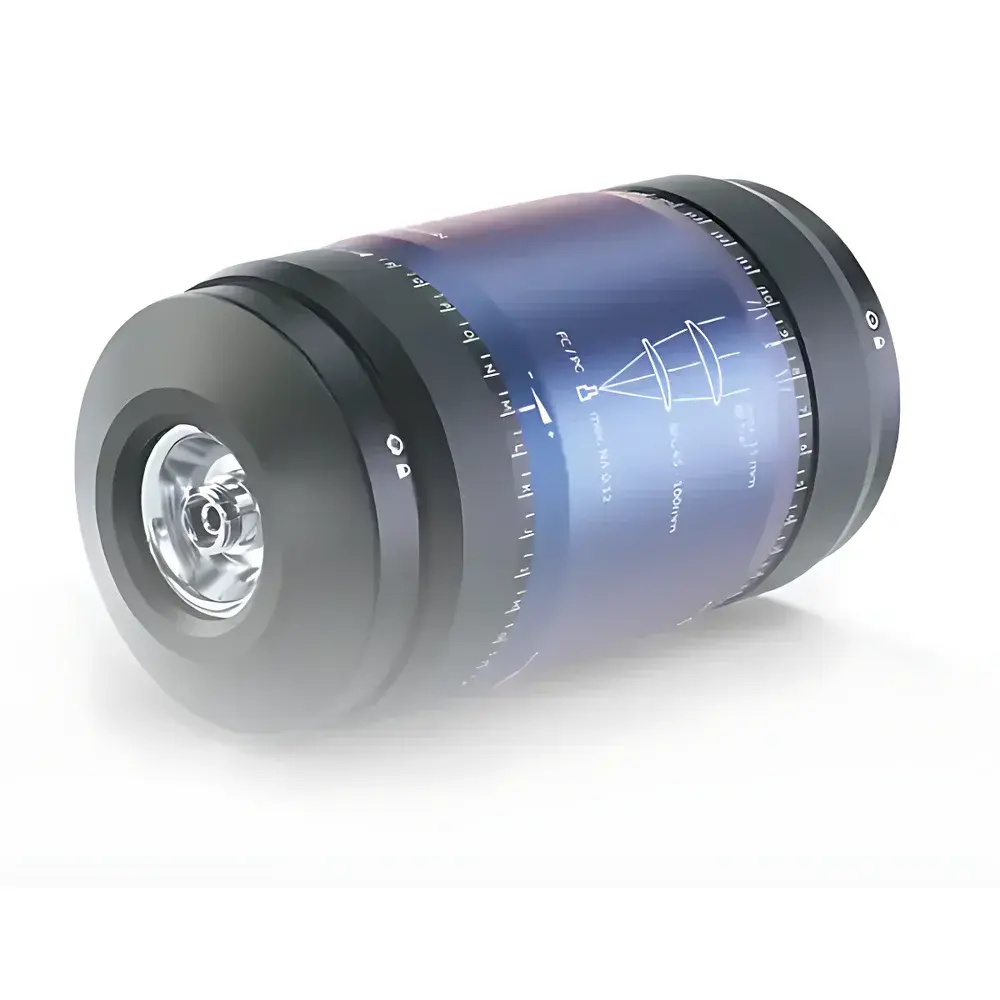
The UAM25-28-C-MII is fully compatible with all asphericon BeamTuning components utilizing the M28×0.75 interface—including ACM25 fiber collimators, BAM25 beam expanders, CHL cylindrical lenses, and XFL axicons. It satisfies ISO 10110-1 (optical component drawing standards) for dimensional tolerancing and conforms to RoHS Directive 2011/65/EU for hazardous substance restrictions. While not a safety-certified device per se, its mechanical design aligns with laser safety best practices defined in IEC 60825-1:2014 for Class 3B/4 optical assemblies—particularly regarding secure retention under vibration (tested to MIL-STD-810G Method 514.6, Category 24) and thermal stability (coefficient of linear expansion matched to fused silica and S-LAH64 substrates within ±0.5 ppm/K over −10 °C to +50 °C).
Software & Data Management
As a purely mechanical adapter, the UAM25-28-C-MII requires no firmware, drivers, or software integration. However, its dimensional specifications—including thread pitch, length, outer diameter, and clear aperture—are provided in industry-standard optical design file formats (Zemax .ZAR, CODE V .SEQ, OSLO .LEN) downloadable directly from asphericon’s technical portal. These files include full GD&T annotations, material properties, and thermal expansion coefficients—enabling accurate modeling in optomechanical simulations (e.g., Ansys Zemax OpticStudio structural-thermal analysis). Traceable metrology data (interferometric verification reports per ISO 10110-5) are available upon request for GMP/GLP-compliant validation workflows.
Applications
This adapter is routinely deployed in applications demanding high-fidelity beam path continuity: (1) Coupling fiber-delivered ultrafast pulses (e.g., Ti:sapphire or Yb:fiber lasers) into asphericon ACM25 collimators for subsequent shaping via BAM25 expanders; (2) Integrating non-spherical focusing optics (AHL/CHL series) into C-mount-based scanning galvanometer systems; (3) Building multi-stage beam conditioning modules in semiconductor inspection tools where repeatable sub-micron pointing stability is required over >10⁶ operational cycles; (4) Enabling rapid prototyping of custom optical trains in university ultrafast labs—leveraging plug-and-play modularity without alignment recalibration between experiments.
FAQ
Is the UAM25-28-C-MII suitable for vacuum environments?
No—it is not vacuum-rated due to anodized surface treatment and potential outgassing from adhesives used in secondary assembly processes. For UHV applications (≤10⁻⁹ mbar), contact asphericon for custom stainless-steel variants with electropolished finish.
Can this adapter be used with non-asphericon M28-threaded optics?
Yes—provided the mating optic complies with M28×0.75 metric thread standards (DIN 20259) and does not exceed the 30 mm outer diameter envelope or 24.5 mm clear aperture. Interoperability has been verified with select third-party beam diagnostics and mounts.
Does asphericon provide calibration certificates for mechanical adapters?
Dimensional conformance is verified during production using coordinate measuring machines (CMM) traceable to PTB (Physikalisch-Technische Bundesanstalt). Full test reports—including thread profile, concentricity, and surface flatness—are available as optional documentation (order code suffix “-CERT”).
What is the maximum recommended optical power density for continuous-wave operation?
While the adapter itself introduces no absorption, its aluminum body dissipates heat effectively. When used with optics rated for ≥12 J/cm² (100 Hz, 6 ns, 532 nm), the assembly remains thermally stable up to 500 W average power in free-space collimated configurations—assuming adequate airflow (>1 m/s) across the mounting flange.




