
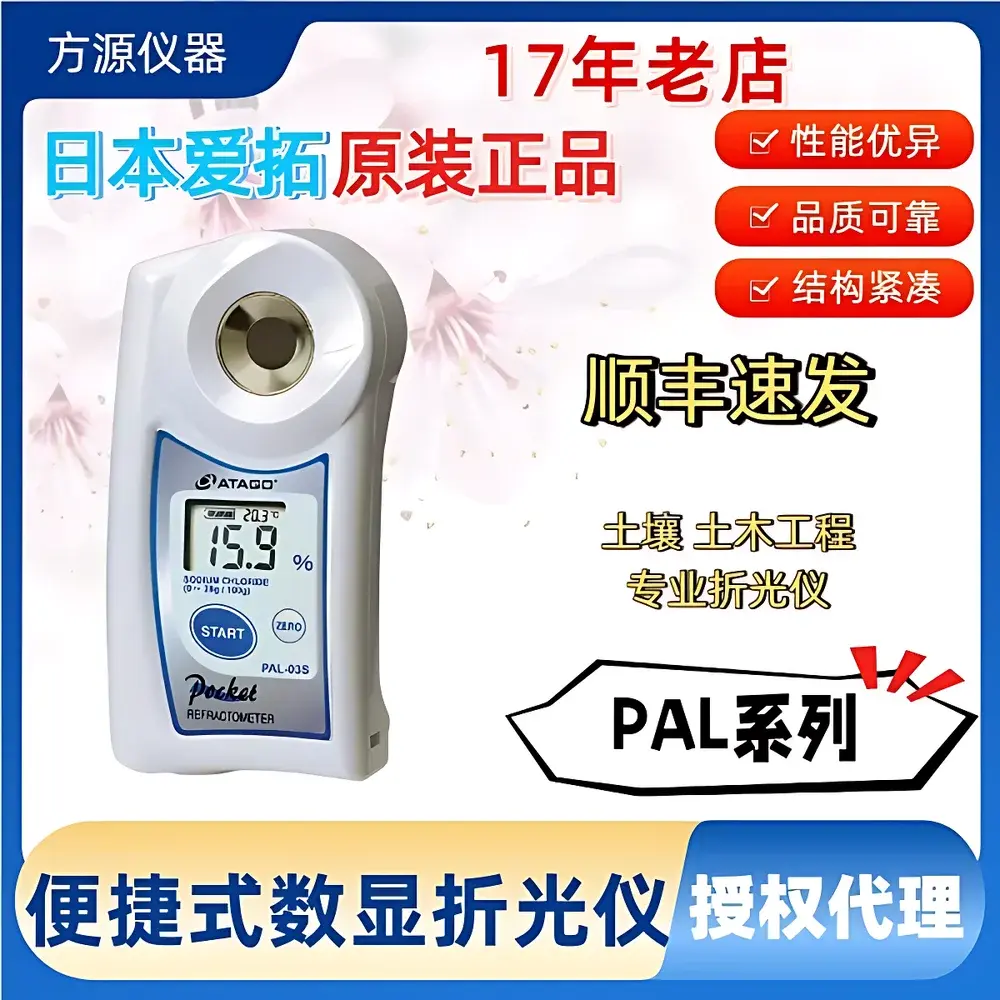
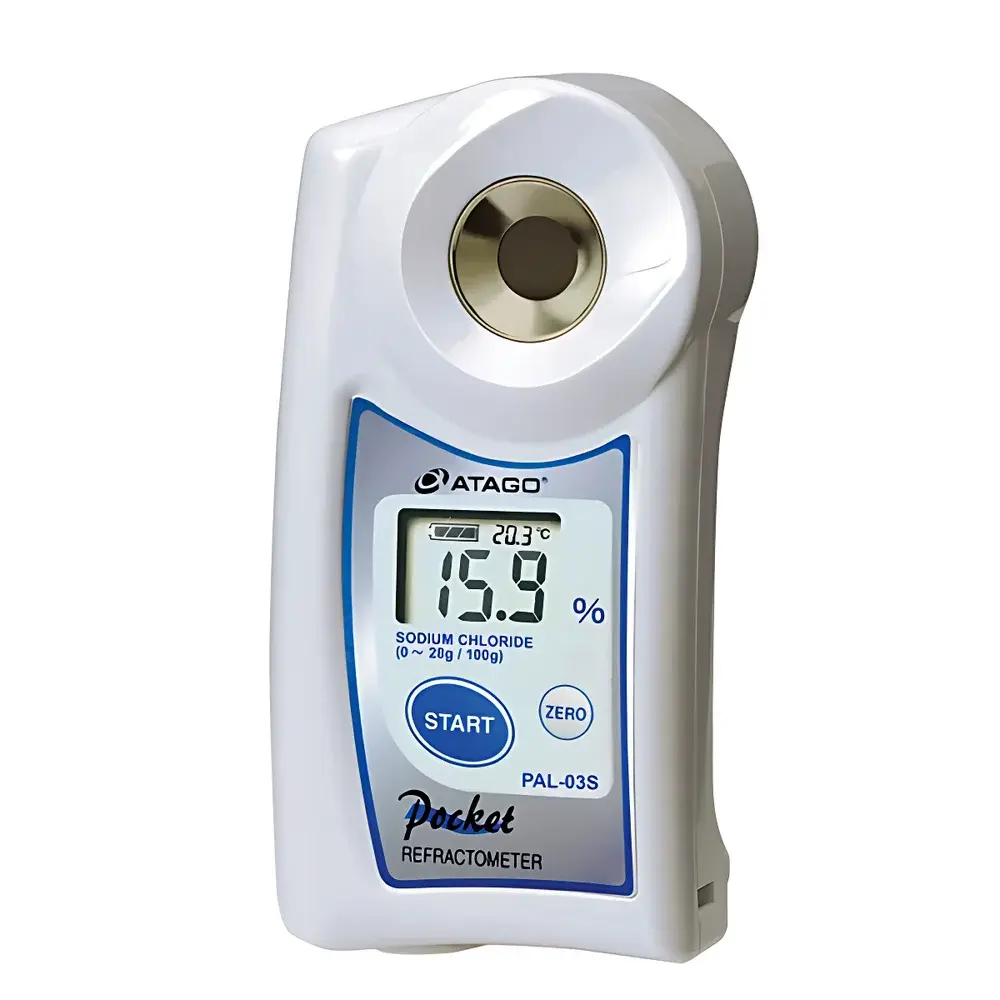
ATAGO PAL-Soil Digital Portable Refractometer for Soil and Civil Engineering Applications
| Brand | ATAGO |
|---|---|
| Origin | Japan |
| Model | PAL-Soil |
| Product Type | Handheld Refractometer |
| Measurement Range | 0.0–45.0% (w/w, as soluble solids or salinity equivalent) |
| Accuracy | ±0.4% |
| Digital Display | Yes |
| Temperature Compensation | None |
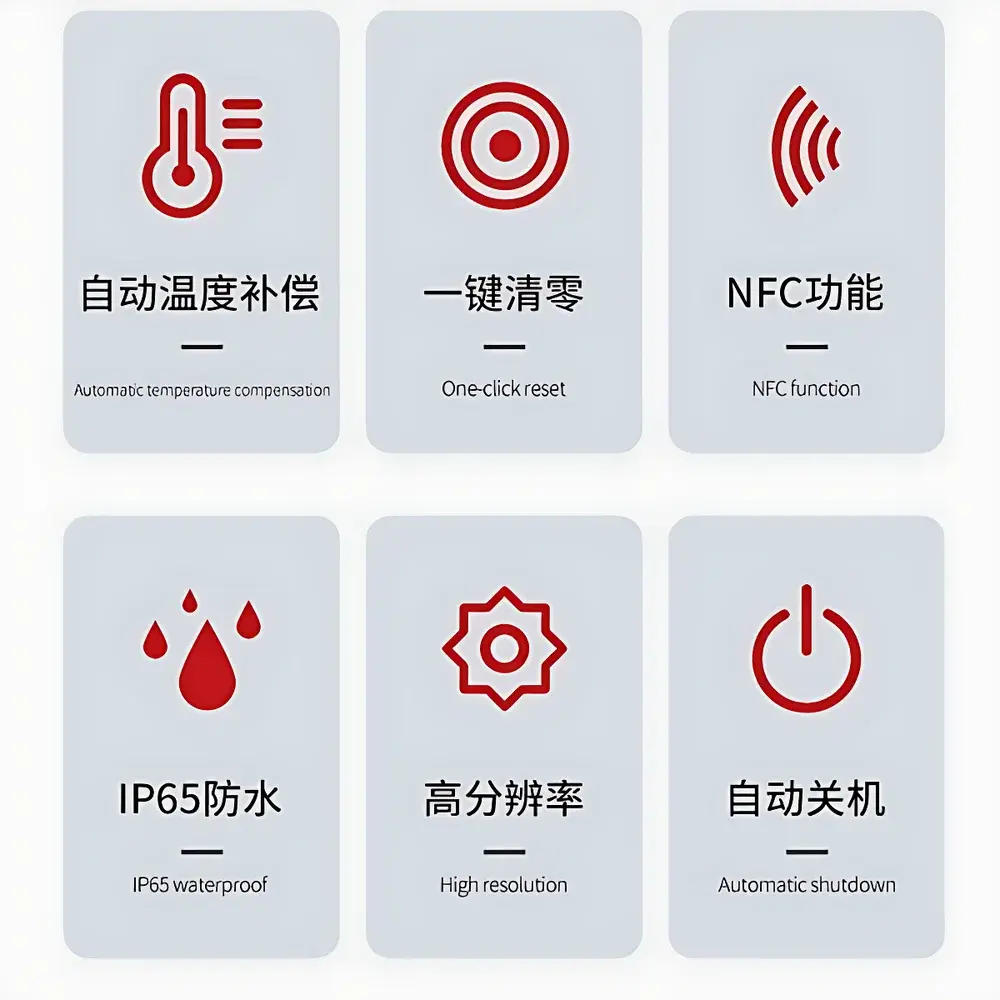
| IP Rating | IP65 (Dustproof & Water Resistant) |
| Compliance | JIS K 0071, ISO 2173, ASTM D1074 (adapted for soil extract analysis) |
Overview
The ATAGO PAL-Soil is a purpose-engineered digital handheld refractometer designed specifically for rapid, on-site assessment of soluble salt content and moisture-related solute concentration in soil extracts and civil engineering materials. Unlike general-purpose Brix refractometers, the PAL-Soil employs calibrated optical measurement based on the principle of total internal reflection at the prism-sample interface, translating refractive index shifts into quantitative % (w/w) readings traceable to standardized aqueous sodium chloride and calcium chloride reference solutions. Its optical system features a high-stability Abbe-type prism with sapphire-coated surface for abrasion resistance during field use, and a temperature-independent calibration curve optimized for typical soil leachate ionic strength profiles (0–45.0%). The device operates without external power—powered by a single CR2032 lithium battery—and delivers results in under 3 seconds after sample application. It is not intended for direct soil slurry measurement; rather, it analyzes clarified aqueous extracts prepared per ASTM D4373 or ISO 11265 protocols.
Key Features
- Dedicated optical calibration for soil and geotechnical applications—validated against standard salt solutions relevant to salinity mapping, frost susceptibility evaluation, and stabilization agent monitoring.
- High-contrast LCD with backlight for readability under low-light field conditions, displaying % (w/w) directly without conversion tables.
- Rugged, IP65-rated housing constructed from impact-resistant polycarbonate with rubberized grip zones—designed for repeated use in construction sites, agricultural testing labs, and environmental field surveys.
- No moving parts or mechanical adjustment screws—minimizes drift and eliminates need for recalibration between daily uses when stored per manufacturer guidelines.
- Integrated sample spreader and automatic zero function (press-and-hold “ZERO” button) to compensate for minor prism surface residue before each measurement.
- Compact form factor (168 × 42 × 38 mm) and weight (120 g) enabling one-handed operation and integration into standard field kits alongside pH meters and EC probes.
Sample Compatibility & Compliance
The PAL-Soil is validated for use with filtered or centrifuged aqueous extracts derived from soil samples (e.g., saturated paste extracts, 1:5 soil-water suspensions). It is incompatible with undiluted slurries, viscous stabilizer emulsions, or organic solvent-based extracts. Readings are reported as % (w/w) equivalent to NaCl or CaCl₂ depending on user-defined interpretation context—critical for compliance with ASTM D2435 (soil salinity classification), AASHTO T 290 (subgrade evaluation), and ISO 11265 (soil quality — determination of electrical conductivity and soluble salts). While the instrument itself does not provide GLP audit trails or electronic data export, its measurement protocol aligns with ISO/IEC 17025 documentation requirements when paired with standardized SOPs for extract preparation and instrument verification using certified reference standards (e.g., NIST SRM 1783).
Software & Data Management
The PAL-Soil operates as a standalone optical-electronic instrument with no embedded firmware upgradability or USB/Bluetooth connectivity. All measurement data must be recorded manually or via external logging systems. For laboratory QA/QC workflows, users commonly pair the PAL-Soil with ATAGO’s optional RS-232 interface cable (sold separately) and compatible terminal software (e.g., ATAGO Data Logger v3.2) to capture timestamped readings, operator IDs, and ambient temperature annotations. When integrated into regulated environments, the device supports 21 CFR Part 11-compliant data integrity practices only when used within a documented validation framework—including periodic verification with traceable reference standards and maintenance logs per ISO/IEC 17025 clause 6.4.3.
Applications
- Field screening of soil salinity prior to irrigation planning or remediation interventions.
- Quality control of grouting agents and chemical soil stabilizers during infrastructure projects.
- Monitoring leachate concentration in landfill liner performance assessments.
- Rapid verification of de-icing salt concentrations in road base materials during winter maintenance operations.
- Supporting ASTM D4373-compliant soluble salt quantification in archaeological soil analysis and heritage site conservation studies.
- Pre-screening for laboratory-based ion chromatography or ICP-OES analysis—reducing sample submission volume by >60% in routine surveys.
FAQ
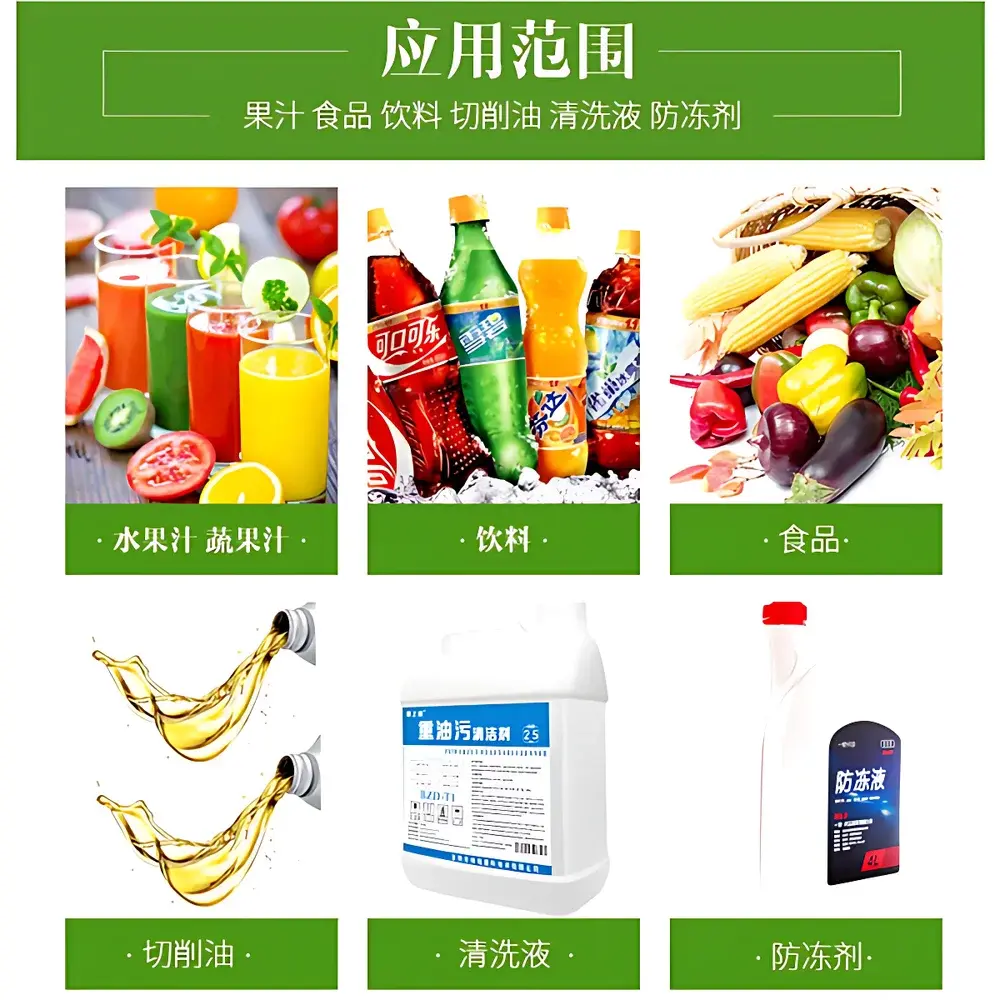
Is the PAL-Soil suitable for measuring sugar content in fruit juices or food products?
No. The PAL-Soil uses a soil-specific refractive index calibration curve and is not interchangeable with PAL-1, PAL-2, or other food-grade Brix models. Cross-application introduces systematic bias exceeding ±3.0% due to differential dispersion effects of sucrose vs. ionic solutes.
Does it require temperature correction during field use?
No. The PAL-Soil lacks automatic temperature compensation (ATC) and is calibrated at 20 °C. For measurements outside 15–25 °C, users must apply manual correction per published ATAGO technical bulletin TB-REF-07 or perform extract equilibration in a controlled environment.
Can it measure undiluted soil slurry?
No. Direct slurry measurement will damage the prism surface and yield non-reproducible readings. Always prepare clarified aqueous extracts using filtration (0.45 µm membrane) or centrifugation (3000 rpm, 10 min) prior to analysis.
What reference standards should be used for verification?
Certified NaCl reference solutions at 5.0%, 15.0%, and 30.0% (w/w), traceable to NIST SRM 1783 or equivalent national metrology institute standards, verified quarterly per ISO/IEC 17025 clause 6.6.3.



